

Over 85 percent of potential clients say a law firm’s website influences their trust in its services. For any american law practice, a thoughtfully designed website is much more than a calling card. It acts as a silent ambassador, shaping first impressions and guiding client decisions in a crowded digital space. Mastering web design for legal firms means building an online presence that not only looks credible but instantly communicates expertise, reliability, and professionalism.
Table of Contents
- Defining Web Design for Law Firms
- Key Features of Legal Website Design
- Compliance and ADA Requirements for Law Firms
- Improving User Experience and Client Trust
- Leveraging Web Design for Competitive Advantage
Key Takeaways
| Point | Details |
|---|---|
| Strategic Web Design | Law firm websites must integrate visual appeal with functional precision to effectively engage potential clients. |
| Accessibility Compliance | Ensuring ADA compliance is essential for inclusivity and demonstrates a law firm’s commitment to serving all clients. |
| User Experience Focus | Prioritizing seamless navigation and fast loading speeds fosters trust and enhances client interaction on legal websites. |
| Competitive Differentiation | Innovative design elements and advanced technical features can significantly elevate a law firm’s market positioning and client engagement. |
Defining Web Design for Law Firms
Web design for law firms represents a strategic digital foundation that goes far beyond simple visual aesthetics. Legal web design involves creating a sophisticated online platform that communicates a law firm’s professional identity, expertise, and commitment to client service. Effective web design for legal practices requires carefully crafted visual elements and functional features that transform a standard website into a powerful client acquisition tool.
At its core, law firm web design encompasses multiple critical components. These include responsive layouts that adapt seamlessly across devices, intuitive navigation structures, compelling visual storytelling, and strategic content placement that guides potential clients toward engagement. Modern legal websites must balance professional credibility with approachable design, using clean typography, professional color schemes, and imagery that reflects the firm’s unique brand personality.
The technical aspects of legal web design are equally important. Search engine optimization, page loading speed, mobile responsiveness, and accessibility features determine whether a law firm’s digital presence attracts or repels potential clients. Professional web designers for legal practices understand that each design element serves a strategic purpose – from contact forms and practice area descriptions to client testimonial sections and clear calls to action. By integrating user experience principles with legal marketing strategies, law firms can transform their websites from static informational pages into dynamic client conversion platforms.
Ultimately, website design for attorneys is about creating a digital environment that builds trust, demonstrates expertise, and makes potential clients feel confident in the firm’s capabilities. The most successful legal websites communicate professionalism, accessibility, and specialized knowledge within seconds of a visitor’s arrival.
Key Features of Legal Website Design
Successful legal website design requires a strategic approach that balances visual appeal with functional precision. Key design elements must work together to create a powerful digital representation of a law firm’s professional capabilities. Winning attorney website design demands careful attention to multiple interconnected components that transform a basic website into an effective client acquisition platform.
The fundamental features of an exceptional legal website include several critical aspects. First, mobile responsiveness ensures that potential clients can easily access information across smartphones, tablets, and desktop computers. Professional legal websites must also incorporate a clear visual hierarchy that guides visitors toward essential information. Design elements like professional color schemes, clean typography, and strategic content placement help communicate the firm’s expertise and build immediate trust. Top law firm website design examples demonstrate how thoughtful visual presentation can significantly impact client perception.

Technical performance represents another crucial dimension of legal website design. Fast loading speeds, intuitive navigation, and robust search engine optimization are non-negotiable features. Law firms need websites that load quickly, provide seamless user experiences, and rank effectively in search results. Strategically placed contact forms, practice area descriptions, and client testimonial sections transform the website from a static information page into an interactive client engagement platform. Each design element must serve a specific purpose – attracting potential clients, building credibility, and facilitating smooth communication.
Ultimately, the most effective legal websites blend aesthetic sophistication with functional clarity. They communicate professional expertise, accessibility, and specialized knowledge within seconds of a visitor’s arrival. By prioritizing user experience, visual coherence, and strategic information architecture, law firms can create digital environments that not only showcase their capabilities but actively convert website visitors into committed clients.
Compliance and ADA Requirements for Law Firms
Navigating digital accessibility regulations represents a critical responsibility for modern law firms. Web accessibility is not merely a legal recommendation but a fundamental requirement that ensures equal access to legal information for all individuals, regardless of their physical abilities. ADA compliance for legal websites demands a comprehensive approach that goes beyond simple website design considerations.
The Americans with Disabilities Act establishes clear guidelines for digital accessibility, requiring law firm websites to be fully navigable for users with various disabilities. This means implementing features that support screen readers, providing alternative text for images, ensuring keyboard navigation, and maintaining sufficient color contrast. Accessibility standards include maintaining clear heading structures, offering transcripts for video content, and designing forms that can be completed by individuals using assistive technologies. These technical requirements are not optional extras but essential components of a professional and inclusive digital presence.
Legal websites face unique challenges in meeting accessibility standards. Complex legal terminology, intricate navigation structures, and document-heavy content can create significant barriers for users with visual, auditory, or cognitive impairments. Law firms must carefully audit their digital platforms, testing website functionality across multiple assistive technologies and ensuring that critical information remains comprehensible and easily accessible. This process involves detailed technical adjustments, from coding practices to content presentation, that create a seamless experience for all potential clients.
Ultimately, ADA compliance represents more than a legal obligation – it reflects a law firm’s commitment to inclusivity and professional ethics. By prioritizing digital accessibility, attorneys demonstrate their dedication to serving all members of the community, regardless of individual capabilities. Proactive accessibility measures not only mitigate potential legal risks but also communicate a profound understanding of genuine client service and social responsibility.
Improving User Experience and Client Trust
Creating a compelling digital experience for potential clients requires law firms to move beyond traditional website design approaches. User experience represents the critical intersection between visual design and meaningful client interaction, where every digital touchpoint communicates professionalism and reliability. Website optimization for law firms demands a strategic approach that transforms websites from static information repositories into dynamic trust-building platforms.
Successful user experience design incorporates multiple sophisticated elements that signal credibility and accessibility. Professional websites must feature intuitive navigation structures, allowing potential clients to quickly find relevant information about practice areas, attorney backgrounds, and contact details. Design elements like clear typography, strategic color schemes, and responsive layouts work together to create an immediate sense of competence and approachability. Prominently displayed client testimonials, case studies, and transparent contact information further reinforce the firm’s commitment to client communication and successful legal representation.
Technical performance plays a crucial role in establishing client trust. Websites must load quickly across all devices, maintain seamless functionality, and provide easy access to critical information. Law firms need to implement robust security measures, ensure mobile responsiveness, and create clear pathways for potential clients to initiate contact. Interactive features like online consultation scheduling, downloadable resources, and straightforward contact forms demonstrate a client-centered approach that goes beyond traditional marketing strategies.
Ultimately, exceptional user experience transcends visual aesthetics – it represents a law firm’s digital commitment to accessibility, transparency, and client service. By prioritizing intuitive design, comprehensive information access, and seamless digital interactions, attorneys can create online platforms that not only attract potential clients but also communicate the firm’s core values and professional capabilities.
Leveraging Web Design for Competitive Advantage
In the increasingly digital legal marketplace, web design has transformed from a passive marketing tool to a strategic competitive weapon. Digital differentiation requires law firms to reimagine their online presence as a dynamic platform that communicates expertise, builds trust, and engages potential clients more effectively than traditional advertising methods. Digital marketing strategies for lawyers reveal that sophisticated web design can significantly elevate a firm’s market positioning.
Competitive advantage emerges through innovative web design elements that enhance client interaction and demonstrate technological sophistication. Interactive features like live chat support, client portals, and seamless scheduling interfaces transform websites from static information repositories into responsive communication platforms. Strategic design elements such as intuitive navigation, personalized content sections, and multimedia attorney profiles create immersive digital experiences that distinguish a law firm from its competitors. By implementing advanced design techniques that prioritize user engagement, firms can communicate their unique value proposition within seconds of a potential client’s website visit.
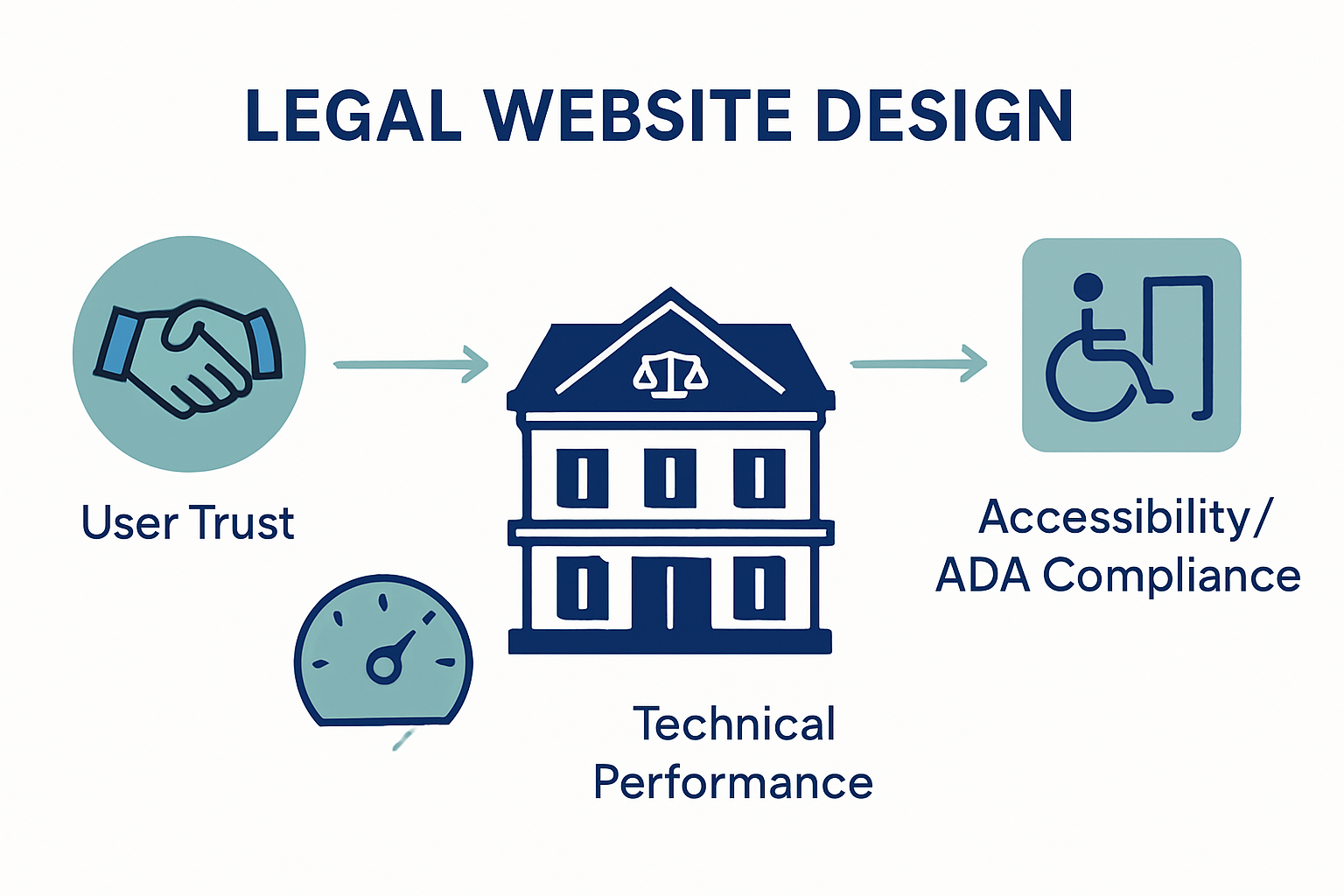
Technical optimization represents another critical dimension of web design competitive strategy. Firms must implement robust SEO practices, ensure lightning-fast page loading speeds, and maintain mobile responsiveness across all devices. Advanced web design incorporates sophisticated analytics tracking, allowing firms to understand user behavior, refine digital experiences, and continuously improve client acquisition strategies. Search engine visibility, combined with an exceptional user experience, positions law firms as technologically progressive and client-focused professional services.
Ultimately, exceptional web design transcends visual aesthetics – it becomes a powerful communication tool that reflects a law firm’s strategic vision, technological competence, and commitment to client service. By investing in thoughtful, user-centered digital experiences, attorneys can transform their websites from passive marketing channels into dynamic platforms that actively differentiate their practice in a crowded legal marketplace.
Unlock the Power of Strategic Web Design to Grow Your Law Firm
The article highlights how specialized web design transforms a law firm’s website from a simple online presence into a dynamic client acquisition tool. Many small to mid-size law firms struggle with building professional credibility, implementing ADA compliance, and creating a user experience that builds trust while standing out against larger competitors. If you want your firm’s digital platform to truly reflect your expertise and engage potential clients effectively, you need tailored legal marketing solutions that go beyond aesthetics and focus on results.
At Case Quota, we understand these challenges deeply. With over 15 years of digital marketing experience and a focused 6-year track record serving California law firms, we develop SEO-optimized web design and targeted digital campaigns that address these critical pain points. We combine legal marketing expertise with advanced tools like AI-powered advertising and Google Local Services Ads to help your firm capture the attention and trust of your ideal clients.
Take your law firm’s website from static to strategic. Connect with us at Case Quota and explore how our SEO-optimized web design and comprehensive digital marketing services will give your firm the competitive edge it deserves.
Looking for proven ways to leverage web design for legal marketing success Discover more here.

Ready to transform your legal marketing with strategic web design? Visit Case Quota and get started today to position your law firm for measurable growth.
Frequently Asked Questions
What is the significance of web design in legal marketing?
Effective web design is crucial in legal marketing as it helps law firms create a professional online presence that communicates expertise, builds trust, and engages potential clients effectively.
How does user experience affect potential clients on a law firm’s website?
User experience directly influences how easily potential clients can navigate a law firm’s website, find relevant information, and feel confident about engaging the firm’s services.
What are key features to consider in legal website design?
Key features include mobile responsiveness, intuitive navigation, fast loading speeds, clear visual hierarchy, and elements that facilitate client engagement, like contact forms and testimonials.
How important is ADA compliance for law firm websites?
ADA compliance is essential as it ensures that legal websites are accessible to individuals with disabilities, reflecting a law firm’s commitment to inclusivity and professionalism.
Recommended
- Winning Web Design for Attorney Websites
- Website Design for Law Firms That Wins Clients
- How to Market a Law Firm: Proven Strategies for Success
- Complete Guide to Digital Marketing for Legal Firms: Strategies That Drive Results – Case Quota
- The Essential Guide to Digital Forensics in Litigation
- How Window Graphics Attract Customers: Smart Solutions for 2025 – PromoSigns.co.uk