

Most American attorneys now realize that just one negative online review can affect the decision of up to 80 percent of potential clients. In a digital world where every comment and search result shapes public opinion, effective reputation management is crucial for protecting a legal career. This guide reveals the real risks attorneys face online and outlines proven methods for building a trusted, credible image in the legal community.
Table of Contents
- Defining Reputation Management for Attorneys
- Types of Online Reputation Challenges Law Firms Face
- Core Elements of Attorney Reputation Strategies
- Legal and Ethical Considerations in California
- Common Reputation Risks and How to Avoid Them
Key Takeaways
| Point | Details |
|---|---|
| Reputation Management Strategy | Attorneys must actively shape their online presence through content creation, monitoring, and professional interactions to enhance credibility. |
| Digital Challenges | Law firms face risks like negative reviews, misinformation, and SEO manipulation, requiring vigilant monitoring and responsive strategies. |
| Ethical Guidelines | Attorneys in California must adhere to strict ethical standards while managing their online reputation, emphasizing transparency and client confidentiality. |
| Proactive Presence | Building trust involves not just reactive measures but also creating high-quality content that reflects professional strengths and ethical standards. |
Defining Reputation Management for Attorneys
Reputation management for attorneys represents a strategic approach to shaping, monitoring, and protecting a legal professional’s public perception across digital and traditional platforms. At its core, this process involves carefully curating how potential clients, peers, and the broader legal community view an attorney’s professional brand and credibility.
In the digital age, reputation management goes far beyond traditional word-of-mouth referrals. Online reputation management for lawyers now encompasses a comprehensive strategy that includes managing search results, social media presence, client reviews, and professional network interactions. Attorneys must proactively control their narrative by creating positive, authoritative content that reflects their expertise, ethical standards, and professional achievements.
The New York State Bar Association emphasizes the critical nature of ethically building an online professional identity. Digital platforms provide unprecedented opportunities for attorneys to showcase their skills, but they also introduce complex challenges in maintaining a professional reputation. Strategic reputation management involves monitoring online mentions, responding professionally to feedback, creating high-quality content that demonstrates legal expertise, and maintaining consistent messaging across all professional channels. By implementing a thoughtful approach, attorneys can transform their digital presence from a potential liability into a powerful marketing asset that attracts quality clients and establishes professional credibility.
Types of Online Reputation Challenges Law Firms Face
Law firms today face a complex landscape of digital reputation challenges that can significantly impact their professional standing and client acquisition. Reputation management for attorneys has become increasingly critical as online platforms create unprecedented visibility and vulnerability for legal practices.
Several key online reputation threats emerge consistently for attorneys and law firms. These include negative online reviews, which can dramatically influence potential client perceptions, and unmanaged social media interactions that might expose professional missteps. Some firms struggle with defamatory content, outdated or inaccurate information about their practice, and competitive SEO tactics designed to undermine their digital presence. Competitors might strategically attempt to manipulate search results or publish misleading content that diminishes a law firm’s credibility.

Moreover, law firms must contend with broader reputation risks such as data breaches, inappropriate employee social media conduct, and mishandled client communication that can quickly escalate into viral online controversies. Professional networks like LinkedIn, legal directories, and client feedback platforms create multiple channels where reputation can be simultaneously built or damaged. Strategic firms recognize that proactive monitoring, rapid response protocols, and consistent professional branding are essential in mitigating these digital reputation challenges and maintaining a strong, trustworthy professional image.
Core Elements of Attorney Reputation Strategies
Successful attorney reputation management requires a multifaceted approach that strategically combines digital presence, professional branding, and proactive communication. Mastering attorney reputation management involves understanding the intricate dynamics of digital perception and implementing targeted strategies to build trust and credibility.
At the core of effective reputation strategies are several critical elements. Personal branding emerges as a foundational component, where attorneys must carefully craft a consistent professional narrative across all digital and traditional platforms. This includes developing a compelling professional profile, showcasing expertise through thought leadership content, and maintaining a professional demeanor across social media and professional networks. Strategic content creation becomes pivotal – attorneys must generate high-quality, informative material that demonstrates their legal expertise, highlights successful case outcomes, and addresses potential client concerns.
Additionally, reputation management demands robust monitoring and responsive protocols. Attorneys must implement systematic processes for tracking online mentions, managing client reviews, and quickly addressing potential reputation risks. This involves setting up Google Alerts, regularly reviewing professional directory listings, and developing a rapid response framework for addressing negative feedback or potential reputation threats. The goal is not just defensive management but proactive reputation enhancement, positioning the attorney as a trusted, authoritative, and approachable legal professional in an increasingly competitive digital marketplace.
Legal and Ethical Considerations in California
Legal professionals in California face unique challenges when managing their online reputation, requiring a nuanced understanding of state-specific ethical guidelines and professional conduct rules. Navigating Rule 7.2: A Guide to Ethical Attorney Advertising in California becomes critical in understanding the delicate balance between effective marketing and maintaining professional integrity.
Professional conduct rules in California strictly govern how attorneys can represent themselves online, emphasizing transparency, accuracy, and the protection of client confidentiality. Attorneys must be meticulously careful about the content they publish, ensuring that all digital communications comply with the State Bar’s regulations. This includes avoiding misleading statements, protecting client privacy, and maintaining the dignity of the legal profession. Specific considerations include avoiding comparative statements about legal services, ensuring all claims are verifiable, and protecting the confidentiality of past and current client information across all digital platforms.
Moreover, California attorneys must navigate the complex landscape of online reputation management while maintaining the highest ethical standards. This involves implementing robust protocols for managing online reviews, responding to feedback, and addressing potential negative content. Attorneys must be particularly cautious about soliciting testimonials, managing client communications, and ensuring that any digital marketing efforts do not compromise their professional obligations. The goal is to create a transparent, authentic online presence that showcases professional expertise while strictly adhering to the state’s rigorous ethical guidelines and professional conduct standards.
Common Reputation Risks and How to Avoid Them
Attorneys face a complex landscape of potential reputation risks that can quickly undermine years of professional credibility. Attorney Reputation & Local Marketing Southern California highlights the critical importance of understanding and mitigating these digital vulnerabilities.
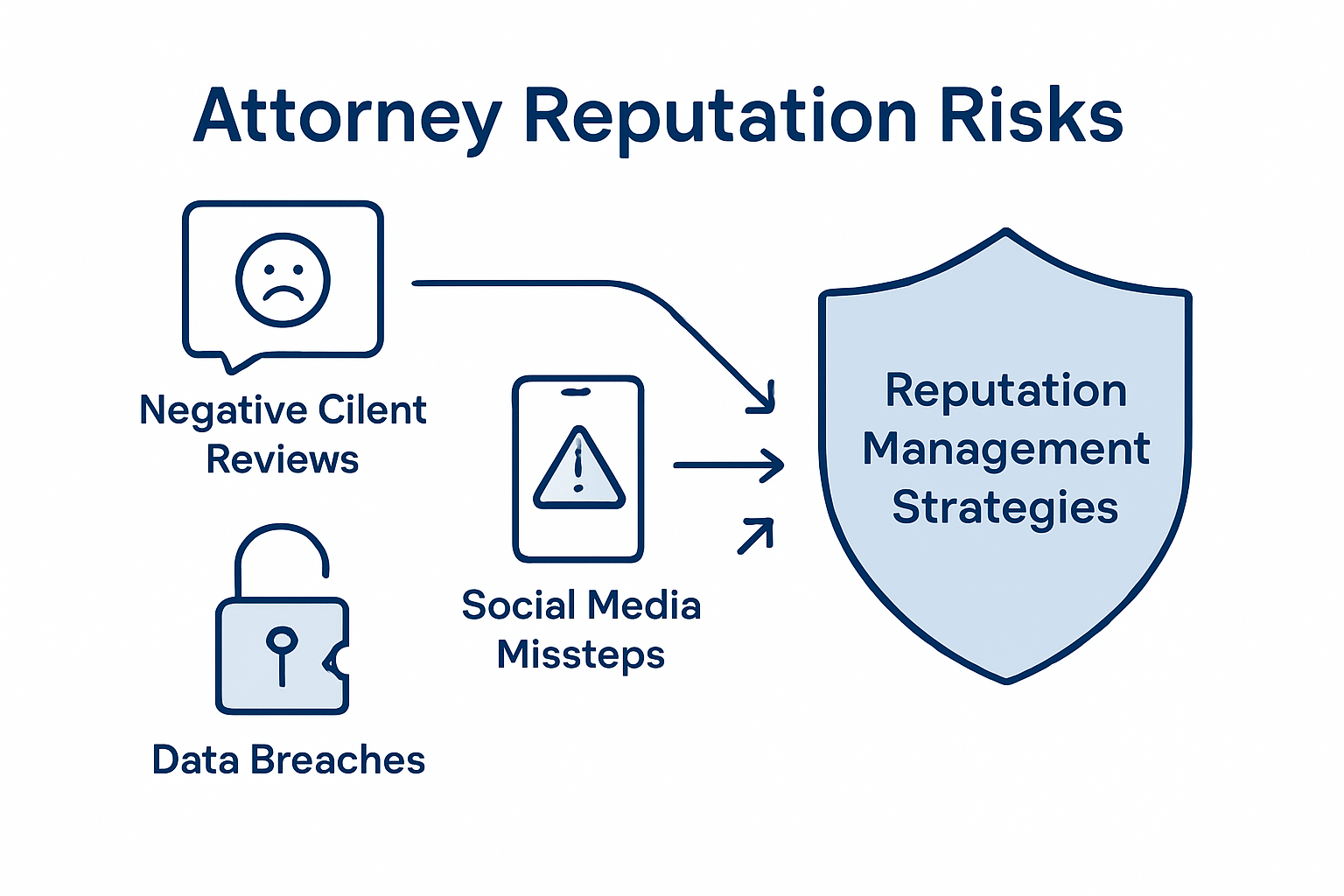
Online reputation threats emerge from multiple channels, with negative client reviews, social media missteps, and competitive SEO manipulation representing the most significant risks. These challenges can originate from various sources, including disgruntled clients, misinterpreted professional communications, or deliberate attempts to damage an attorney’s professional standing. Proactive attorneys must develop robust monitoring systems that track online mentions, review platforms, and social media conversations. Key strategies include setting up comprehensive Google Alerts, regularly auditing professional directory listings, and implementing rapid response protocols for addressing potentially damaging content.
Moreover, attorneys must recognize that reputation management extends beyond reactive damage control. The most effective approach involves creating a proactive digital presence that consistently demonstrates professional expertise, ethical conduct, and client-focused service. This means developing a strategic content marketing approach that showcases legal knowledge, shares valuable insights, and builds trust through transparent, authentic communication. Attorneys should focus on generating high-quality content, maintaining professional social media profiles, and cultivating a consistent narrative that highlights their unique professional strengths while adhering to strict ethical guidelines.
Strengthen Your Legal Reputation with Proven Digital Strategies
Reputation challenges like negative reviews and inconsistent online presence can threaten an attorney’s ability to attract quality clients and build trust. This article clearly highlights the importance of proactive reputation management to maintain a strong professional image that complies with ethical standards and resonates with potential clients. Key pain points include monitoring online mentions, responding quickly to feedback, and creating authoritative content that showcases legal expertise.
At Case Quota, we understand these challenges and provide customized marketing solutions exclusively for law firms in Southern California. Our expertise in attorney reputation management and advanced services such as SEO-optimized web design, AI-powered pay-per-click advertising, and strategic social media marketing help attorneys control their digital narrative effectively. By partnering with us, your firm benefits from over 15 years of digital marketing results combined with 6 years focusing on California legal marketing.

Take control of your online reputation now. Visit Case Quota and discover how our tailored solutions can transform your firm’s presence into a trusted brand that attracts more clients. Don’t let reputation risks hold your practice back. Get started today and gain the competitive edge you deserve.
Frequently Asked Questions
What is reputation management for attorneys?
Reputation management for attorneys involves strategically shaping, monitoring, and protecting a legal professional’s public perception across digital and traditional platforms to enhance credibility and attract clients.
Why is online reputation management important for lawyers?
Online reputation management is crucial for lawyers as it significantly influences potential clients’ perceptions, helps maintain professional credibility, and combats any negative content that could arise in search results or on social media.
What are common challenges law firms face in reputation management?
Common challenges include negative online reviews, defamatory content, inaccurate information, and mismanaged social media interactions that can tarnish a firm’s image and client acquisition efforts.
How can attorneys effectively monitor their online reputation?
Attorneys can effectively monitor their online reputation by setting up Google Alerts, regularly reviewing professional directory listings, and implementing a systematic process for tracking online mentions and client feedback.
Recommended
- Reputation Management for Attorneys Done Right
- Mastering Attorney Reputation Management
- Online Reputation Management for Lawyers Guide
- Complete Guide to Digital Marketing for Legal Firms: Strategies That Drive Results – Case Quota
- Business Development in Law Firms: Key Strategies
- Yelp and Ripoff Review Scam
- Law Firm SEO: A 5-Step Guide To Getting More Leads And Clients – Appture Digital ~ 855 Get Bizz