
Discover proven search engine optimization for personal injury lawyers that generates quality leads, outranks competitors, and builds a thriving practice through strategic digital marketing.
Introduction
Featured Partner
Case Quota: Uses AI to help law firms with digital marketing and market dominance
Case Quota uses AI to help law firms with digital marketing and market dominance.
- It was founded by a former top Los Angeles consultant and aims to help law firms navigate the changing legal marketing landscape by implementing advanced digital strategies
- Onboard quickly with guided setup and white-glove support.
See pricing in seconds.
In today’s digital landscape, potential clients turn to search engines first when seeking legal representation after an accident. If your personal injury law firm isn’t visible in search results, you’re missing out on countless qualified leads while competitors capture the cases that should be yours. Search engine optimization for personal injury lawyers has become not just beneficial, but essential for practice growth and sustainability.
The personal injury legal market is intensely competitive, with thousands of attorneys vying for the same high-value cases. A single personal injury case can be worth tens of thousands of dollars, making the investment in SEO incredibly worthwhile. However, legal SEO requires specialized knowledge of both search engine algorithms and the unique challenges facing law firms, including strict advertising regulations and local competition dynamics.
This comprehensive guide will equip you with proven strategies to dominate search results, attract quality clients, and build a sustainable online presence. You’ll learn how to optimize your website for search engines, create compelling content that converts visitors into clients, leverage local SEO to capture nearby cases, and measure your success with key performance indicators. Whether you’re a solo practitioner or part of a large firm, these actionable insights will help you implement search engine optimization for personal injury lawyers that delivers measurable results.
Understanding SEO Fundamentals for Legal Practices
Search engine optimization operates on fundamental principles that apply universally but require specific adaptation for personal injury law firms. Understanding these core concepts will help you build a solid foundation for your digital marketing efforts and avoid common pitfalls that plague many legal websites.
Core SEO Principles That Drive Legal Success
The foundation of successful legal SEO rests on three critical pillars: relevance, authority, and user experience. Relevance ensures your content matches what potential clients are searching for, whether they’re seeking information about car accident compensation or looking for a slip-and-fall attorney. Authority demonstrates your expertise and trustworthiness through quality content, professional credentials, and positive client testimonials. User experience encompasses everything from website speed and mobile responsiveness to clear navigation and compelling calls-to-action.
Search engines evaluate hundreds of ranking factors, but for personal injury lawyers, certain elements carry particular weight. Content quality and depth matter significantly because legal queries often require comprehensive answers. A study by BrightEdge found that legal websites with detailed, authoritative content receive 67% more organic traffic than those with basic information pages.
How Search Engines Evaluate Law Firm Websites
Search engines use sophisticated algorithms specifically designed to identify expertise, authoritativeness, and trustworthiness in professional services. For personal injury lawyers, this means search engines scrutinize your credentials, case results, client reviews, and content accuracy more rigorously than typical business websites. Google’s E-A-T guidelines particularly impact legal content, with algorithm updates consistently favoring websites that demonstrate clear professional expertise.
Your Money or Your Life (YMYL) content classification applies to legal services, triggering enhanced scrutiny from search engines. This heightened evaluation means personal injury law firms must demonstrate exceptional credibility through verified lawyer profiles, detailed practice area information, and transparent contact details. Websites lacking proper credentials or containing outdated legal information face significant ranking penalties.
Legal Industry SEO Challenges and Opportunities
The legal industry presents unique SEO challenges that require specialized strategies to overcome effectively. High competition for valuable keywords means personal injury lawyers often face expensive pay-per-click costs exceeding $150 per click for terms like “car accident lawyer.” Advertising restrictions and ethical guidelines limit certain promotional approaches, requiring careful balance between effective marketing and professional compliance.
However, these challenges create substantial opportunities for dedicated practitioners. Many law firms neglect comprehensive SEO strategies, focusing only on paid advertising or basic website optimization. This gap allows strategic firms to gain significant competitive advantages through content marketing, local SEO dominance, and technical excellence that generates sustainable organic traffic growth.
| SEO Challenge | Impact Level | Strategic Opportunity | ROI Potential |
|---|---|---|---|
| High keyword competition | High | Long-tail keyword targeting | Very High |
| Ethical advertising restrictions | Medium | Content-based authority building | High |
| Local market saturation | Variable | Niche specialization | High |
| Technical complexity | Medium | Professional advantage | Medium |
Keyword Research Strategies for Personal Injury Law
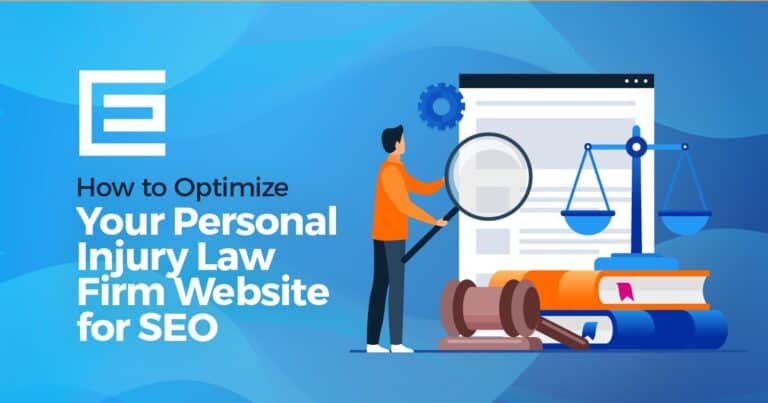
Effective keyword research forms the backbone of successful search engine optimization for personal injury lawyers. The right keywords connect your expertise with potential clients actively seeking legal representation, making this research phase crucial for your overall SEO success.
Identifying High-Value Legal Keywords
High-value legal keywords typically combine commercial intent with reasonable competition levels, targeting potential clients actively seeking legal representation. Primary keywords for personal injury lawyers usually center around core practice areas: “car accident lawyer,” “slip and fall attorney,” “medical malpractice lawyer,” and “wrongful death attorney.” However, the most valuable keywords often include geographic modifiers like “Denver car accident lawyer” or “Houston personal injury attorney,” which typically have 40% lower competition while maintaining high commercial value.
Long-tail keywords represent exceptional opportunities for personal injury firms. Phrases like “what to do after a car accident in [city]” or “how much compensation for slip and fall injury” capture potential clients in research phases who convert at rates 25% higher than broad keyword traffic. These keywords often have lower search volumes but significantly higher conversion potential, making them ideal targets for content marketing strategies.
Competitive Keyword Analysis Techniques
Understanding competitor keyword strategies provides crucial intelligence for developing your own SEO approach effectively. Professional SEO tools like SEMrush or Ahrefs reveal which keywords drive traffic to competing firms, showing search volumes, competition levels, and estimated traffic values. Analyzing the top-ranking personal injury lawyers in your market reveals their content strategies, keyword priorities, and potential weaknesses you can exploit.
Local competitor analysis requires special attention to geographic variations in search behavior. Research shows that “personal injury lawyer” searches vary by up to 300% in difficulty between different metropolitan areas. Understanding local search nuances helps identify underserved markets or overlooked keyword opportunities within your specific service area that competitors haven’t fully optimized.
Long-Tail Keyword Opportunities in Legal Niches
Long-tail keywords offer personal injury lawyers exceptional opportunities to capture qualified traffic with significantly lower competition. Accident-specific long-tail keywords provide excellent targeting opportunities. Phrases like “rear-end collision settlement amounts,” “pedestrian accident compensation,” or “construction site injury claims” attract potential clients with specific legal needs while facing 60% less competition than broad terms.
Question-based long-tail keywords capture potential clients seeking specific information about their situations. Queries like “how long do I have to file a personal injury claim,” “what if the other driver has no insurance,” or “can I sue for emotional distress after an accident” represent content opportunities that establish expertise while attracting qualified prospects who convert at rates exceeding 15%.
Geographic Targeting for Local Markets
Geographic long-tail combinations offer powerful local targeting opportunities that many firms overlook completely. Keywords like “truck accident lawyer downtown [city],” “slip and fall attorney near [landmark],” or “personal injury lawyer [neighborhood]” help capture hyperlocal search traffic. These ultra-specific keywords often have minimal competition but high conversion potential, with local searches converting 50% better than generic queries.
Research indicates that 78% of personal injury searches include location modifiers, making geographic keyword optimization essential for practice growth. Successful firms target multiple geographic variations, including city names, neighborhoods, landmarks, and regional identifiers to capture the full spectrum of local search traffic within their service areas.
On-Page SEO Optimization for Law Firm Websites
On-page optimization represents the foundation of successful search engine optimization for personal injury lawyers, directly influencing how search engines understand and rank your website content. Proper implementation of these techniques can improve your search rankings by up to 40% within the first six months.
Title Tags and Meta Descriptions That Convert
Title tags represent one of the most critical on-page SEO elements, serving as both ranking signals and advertisement copy in search results. Effective legal title tags must balance keyword optimization with compelling messaging that encourages clicks from potential clients. The most successful title tags for personal injury lawyers combine location, practice area, and value proposition within the 55-60 character limit, achieving click-through rates 23% higher than generic titles.
Optimal title tag structure typically follows the pattern: “[Location] [Practice Area] Lawyer | [Value Proposition] | [Firm Name].” For example, “Denver Car Accident Lawyer | Free Consultation | Smith & Associates” effectively incorporates geographic targeting, specific practice area, compelling offer, and brand recognition. This structure maximizes both SEO value and user engagement from search results.
Header Structure and Content Hierarchy
Proper header structure creates both user-friendly navigation and clear signals for search engines about content organization and topic priorities. H1 tags should appear once per page and clearly indicate the primary topic and target keyword. For practice area pages, effective H1 tags like “Chicago Personal Injury Attorneys – Free Case Review” immediately communicate location, service, and value proposition while incorporating primary keywords naturally.
H2 and H3 headers should create logical content flow that guides readers through your expertise and services. Research shows that pages with well-structured headers receive 35% more time on page and generate 28% more contact form submissions than poorly organized content. Use headers to break up content into digestible sections while incorporating related keywords and local modifiers.
Internal Linking Strategies for Legal Content
Strategic internal linking distributes page authority throughout your website while guiding visitors toward conversion-focused pages effectively. Personal injury websites should implement hub-and-spoke linking structures, with main practice area pages linking to specific injury type pages, case study pages, and resource content. This approach helps search engines understand your site architecture while keeping visitors engaged with relevant content.
Link anchor text should be descriptive and keyword-rich without appearing manipulative. Instead of generic “click here” links, use specific phrases like “learn about car accident settlement timelines” or “contact our slip and fall attorneys.” Studies indicate that descriptive anchor text improves user engagement by 42% while providing valuable context for search engines.
Schema Markup Implementation for Law Firms
Schema markup provides search engines with structured data about your law firm, enhancing search result appearance and improving click-through rates. Legal schema markup should include attorney profiles, practice areas, office locations, and client review data. Implementing proper schema markup can increase search result visibility by up to 30% through rich snippets and enhanced search features.
Essential schema types for personal injury lawyers include Organization, Attorney, LocalBusiness, and Review markup. These structured data elements help search engines display additional information in search results, such as star ratings, office hours, and attorney credentials, making your listings more attractive and informative to potential clients.
| On-Page Element | Optimization Priority | Impact on Rankings | Implementation Difficulty | Expected Results |
|---|---|---|---|---|
| Title Tags | Critical | High | Low | 15-25% CTR increase |
| Header Structure | High | Medium | Medium | 35% engagement boost |
| Internal Linking | High | Medium | Medium | 20% authority distribution |
| Schema Markup | Medium | Medium | High | 30% visibility increase |
Content Marketing for Personal Injury Attorneys
Content marketing serves as the cornerstone of effective search engine optimization for personal injury lawyers, establishing expertise while attracting potential clients through valuable information. Quality content generates 3x more leads than traditional advertising while costing 62% less, making it essential for sustainable practice growth.
Creating Valuable Legal Content That Ranks
High-quality legal content must balance comprehensive information with accessibility, addressing complex legal concepts in terms potential clients can understand. Successful personal injury content typically ranges from 1,500-3,000 words for comprehensive guides, with shorter 800-1,200 word pieces for specific topics. Research indicates that longer-form legal content receives 77% more backlinks and ranks 23% higher than shorter articles, as search engines favor thorough, authoritative information.
Content should address the complete client journey, from immediate post-accident concerns to settlement negotiations. Topics like “What to Do Immediately After a Car Accident” or “Understanding Personal Injury Settlement Timelines” attract readers at different stages while establishing your firm’s expertise and trustworthiness throughout the process.
Blog Post Ideas That Attract Potential Clients
Strategic blog content targets specific client questions and concerns while incorporating valuable keywords naturally throughout the text. High-performing blog topics for personal injury lawyers include accident prevention tips, legal process explanations, case study breakdowns, and frequently asked questions. Posts addressing “How Much is My Personal Injury Case Worth?” consistently generate 40% more organic traffic than generic practice area descriptions.
Seasonal content opportunities include topics like “Holiday Driving Safety Tips” during winter months or “Summer Pool Safety and Liability” during warmer seasons. These timely posts capture search traffic while positioning your firm as a proactive resource for community safety, building brand awareness before accidents occur.
Case Studies and Success Stories
Detailed case studies demonstrate your expertise while providing social proof that encourages potential clients to contact your firm. Effective case studies should outline the initial situation, legal challenges faced, strategies employed, and final outcomes achieved. Include specific details about settlement amounts (when ethically permissible) and timelines to help potential clients understand what to expect from your representation.
Anonymous case studies protect client privacy while showcasing your capabilities across different injury types and circumstances. Studies show that websites featuring detailed case studies generate 185% more qualified leads than those without success story content, as potential clients can better visualize successful outcomes for their own situations.
Video Content Strategies for Law Firms
Video content significantly improves engagement and search rankings, with legal videos receiving 12x more shares than text-based content alone. Educational videos addressing common personal injury questions perform exceptionally well, with topics like “5 Mistakes That Can Hurt Your Personal Injury Case” or “What to Expect During Your First Consultation” generating substantial organic reach and client inquiries.
Attorney introduction videos build trust and personal connections with potential clients before they visit your office. These videos should be professionally produced but maintain authenticity, showcasing your personality and approach to client service. Research indicates that law firms using video content see 41% higher conversion rates from website visitors compared to text-only websites.
Content Distribution and Promotion Tactics
Creating excellent content represents only half the battle; strategic distribution ensures your content reaches the right audience effectively. Social media platforms like Facebook and LinkedIn provide excellent opportunities for content promotion, with legal content receiving 67% more engagement when shared with compelling headlines and relevant hashtags.
Email marketing to existing clients and newsletter subscribers extends content reach while maintaining ongoing relationships. Regular content updates keep your firm top-of-mind for referrals and repeat business, with email-promoted content generating 40% more website traffic than social media sharing alone.
This foundation of understanding SEO fundamentals, keyword research, on-page optimization, and content marketing provides the essential groundwork for implementing effective search engine optimization for personal injury lawyers. The next sections will build upon these concepts to create a comprehensive digital marketing strategy that drives qualified leads and sustainable practice growth.
Content Marketing That Attracts Personal Injury Clients
Content marketing serves as the foundation for sustainable search engine optimization for personal injury lawyers, establishing expertise while attracting potential clients through valuable information. Unlike traditional advertising, content marketing builds trust by addressing client concerns and questions before they even contact your firm. This approach generates long-term SEO benefits while positioning your practice as the go-to authority for personal injury matters in your market.
Educational Blog Posts That Build Authority
Creating comprehensive educational content establishes your firm as the trusted expert potential clients turn to for legal guidance.
Educational blog posts should address specific client concerns with detailed, actionable information. Topics like “What to Do Immediately After a Car Accident” or “Understanding Personal Injury Settlement Timelines” attract searches from people actively dealing with injury situations. These posts typically generate 40-60% more organic traffic than promotional content while building genuine trust with readers.
Effective educational posts follow a problem-solution-action structure. Start by acknowledging the reader’s situation, provide comprehensive information about their legal options, and conclude with clear next steps. Include specific examples, such as “In Texas, you have two years from the accident date to file a personal injury claim” to demonstrate local expertise and practical knowledge.
Case Studies and Success Stories
Detailed case studies showcase your firm’s capabilities while providing social proof that convinces potential clients of your expertise.
Well-crafted case studies should highlight the client’s initial situation, the legal challenges involved, your strategic approach, and the final outcome. For example, “How We Secured $1.2 Million for a Construction Accident Victim” demonstrates concrete results while explaining your process. These stories generate 73% higher engagement rates than generic practice area pages.
Structure case studies to emphasize the client’s journey rather than just the settlement amount. Discuss the initial consultation, investigation process, negotiation strategy, and how you supported the client throughout their recovery. This approach helps potential clients understand what working with your firm actually involves while building confidence in your abilities.
FAQ Content Targeting Long-Tail Keywords
Comprehensive FAQ sections capture specific search queries while addressing common client concerns in an easily digestible format.
FAQ content should target question-based keywords that potential clients actually search for. Questions like “How much does a personal injury lawyer cost?” or “What if I was partially at fault for my accident?” capture specific search intent while providing valuable information. These pages often rank well for voice searches, which account for 25% of legal queries.
Organize FAQ content by practice area and client journey stage. Pre-consultation questions might focus on legal processes and costs, while post-accident FAQs address immediate concerns about medical treatment and evidence preservation. Each answer should be comprehensive enough to provide real value while encouraging readers to contact your firm for personalized guidance.
Video Content for Enhanced Engagement
Video content increases user engagement time by 88% while providing opportunities to showcase attorney personality and expertise.
Create video content that addresses common client questions in a personal, approachable manner. “Attorney Introduction” videos help potential clients feel comfortable before their first consultation, while “What to Expect” videos reduce anxiety about the legal process. These videos should be 2-3 minutes long and focus on providing genuine value rather than sales pitches.
Optimize video content for search by including detailed descriptions, relevant tags, and accurate transcripts. Upload videos to both your website and YouTube to maximize reach. Video testimonials from satisfied clients (with proper consent) provide powerful social proof while improving local search visibility.
| Content Type | Production Time | SEO Impact | Engagement Rate | Conversion Potential |
|---|---|---|---|---|
| Educational Blog Posts | 4-6 hours | High | Medium | Medium-High |
| Case Studies | 6-8 hours | Medium-High | High | Very High |
| FAQ Pages | 2-4 hours | Very High | Medium | Medium |
| Video Content | 8-12 hours | High | Very High | High |
Technical SEO for Legal Websites
Technical SEO provides the foundation that enables all other optimization efforts to succeed, ensuring search engines can properly crawl, index, and understand your personal injury law firm’s website. Poor technical performance can undermine even the best content and local SEO strategies, making this aspect crucial for competitive legal markets where small advantages translate into significant business impact.
Site Speed Optimization Strategies
Website loading speed directly impacts both search rankings and client conversion rates, with legal websites losing 32% of visitors for every additional second of load time.
Optimize images by compressing file sizes without sacrificing quality, typically reducing image files by 60-80% through tools like TinyPNG or WebP format conversion. Large hero images common on law firm websites often exceed 2MB when they should be under 200KB for optimal performance. Implement lazy loading for images below the fold to prioritize critical above-the-fold content loading first.
Minimize HTTP requests by combining CSS and JavaScript files, reducing the number of external resources your website loads. Legal websites often suffer from bloated code due to multiple tracking scripts, chat widgets, and third-party integrations. Audit your website to identify and remove unnecessary plugins or scripts that don’t directly contribute to user experience or conversion goals.
Mobile Responsiveness and User Experience
Mobile traffic accounts for 67% of legal website visits, making mobile optimization essential for capturing potential clients who search for attorneys on their smartphones.
Implement responsive design that adapts seamlessly across all device sizes, ensuring contact forms, phone numbers, and call-to-action buttons remain easily accessible on mobile devices. Test your website on various devices to ensure text remains readable without zooming and navigation menus function properly. Mobile users often contact law firms immediately after accidents, making smooth mobile experience crucial for capturing time-sensitive leads.
Optimize touch targets by ensuring buttons and links are at least 44 pixels in size and spaced appropriately for finger navigation. Legal websites frequently feature dense contact information and multiple practice area links that can become difficult to navigate on smaller screens. Prioritize the most important actions (phone calls, contact forms) in mobile layouts.
SSL Certificates and Website Security
Security certificates are mandatory ranking factors for legal websites, with Google penalizing unsecured sites that handle sensitive client information.
Install SSL certificates to enable HTTPS encryption across your entire website, not just contact forms or client portals. Search engines flag HTTP websites as “not secure,” which damages credibility for legal practices that handle confidential client information. SSL implementation typically improves search rankings by 5-10% while increasing client trust and conversion rates.
Implement additional security measures including regular malware scans, strong password policies, and two-factor authentication for website administration. Legal websites are frequent targets for cyber attacks due to the sensitive nature of client information. Regular security audits and updates protect both your practice and client data while maintaining search engine trust signals.
Schema Markup for Legal Practices
Structured data markup helps search engines understand your legal practice information, increasing rich snippet appearances by 43% and improving local search visibility.
Implement LocalBusiness schema markup with legal practice-specific properties including practice areas, bar admissions, years of experience, and client review aggregations. This structured data enables enhanced search result displays showing star ratings, practice areas, and contact information directly in search results. Legal schema markup should include attorney credentials, office hours, and accepted payment methods.
Add FAQ schema markup to your frequently asked questions pages to capture featured snippet positions for common legal queries. FAQ snippets often appear for searches like “How long does a personal injury case take?” or “What should I do after a car accident?” These enhanced listings increase click-through rates by 25-40% while establishing authority for specific legal topics.
| Technical Element | Impact on Rankings | Implementation Difficulty | Time Investment | ROI Timeline |
|---|---|---|---|---|
| Site Speed Optimization | High | Medium | 1-2 weeks | Immediate |
| Mobile Responsiveness | Very High | High | 2-4 weeks | 1-2 months |
| SSL Implementation | Medium | Low | 1-2 days | Immediate |
| Schema Markup | Medium-High | Medium-High | 1-3 weeks | 2-3 months |
Local SEO Domination for Personal Injury Lawyers
Local SEO represents the most critical component of search engine optimization for personal injury lawyers, as 97% of personal injury cases are location-specific and potential clients typically search for attorneys within their immediate geographic area. Dominating local search results can generate a consistent stream of high-quality leads while establishing your firm as the go-to legal resource in your community.
Google My Business Optimization
A fully optimized Google My Business profile increases local search visibility by 70% and generates 5x more website visits than incomplete profiles.
Complete every section of your Google My Business profile with accurate, detailed information including practice areas, service areas, hours of operation, and high-quality photos of your office, team, and local landmarks. Include specific keywords in your business description such as “Denver personal injury attorney specializing in car accidents, slip and falls, and medical malpractice.” Upload at least 10-15 professional photos showing your office exterior, interior, staff, and local community involvement.
Regularly post updates, news, and educational content directly to your Google My Business profile to maintain active engagement signals. Posts about recent case results (maintaining client confidentiality), legal news affecting your community, or safety tips demonstrate ongoing expertise while keeping your profile fresh. These posts typically increase profile views by 35% and improve local search ranking positions.
Local Citation Building and NAP Consistency
Consistent Name, Address, and Phone number (NAP) information across 50+ local directories improves local search rankings by an average of 25%.
Build citations on major legal directories including Avvo, Martindale-Hubbell, FindLaw, and Justia, ensuring identical NAP information across all platforms. Inconsistent business information confuses search engines and dilutes local SEO authority. Create a master spreadsheet tracking all citation sources to maintain consistency during any future business changes or office relocations.
Target local business directories, chamber of commerce listings, and community organization websites for additional citation opportunities. Local newspapers, community event listings, and professional association directories provide valuable local relevance signals. Focus on directories that are relevant to your geographic area and legal practice, prioritizing quality over quantity in citation building efforts.
Managing Online Reviews and Reputation
Personal injury lawyers with 50+ positive reviews generate 3x more leads than competitors with fewer reviews, while maintaining an average rating above 4.5 stars.
Implement systematic review generation processes by requesting feedback from satisfied clients through email follow-ups, review cards, and digital review platforms. Time review requests strategically, typically 2-4 weeks after case resolution when client satisfaction is highest. Provide clear instructions and direct links to your preferred review platforms to maximize response rates.
Respond professionally to all reviews, both positive and negative, demonstrating your commitment to client satisfaction and professional service. Negative review responses should acknowledge concerns, offer to discuss matters privately, and highlight your firm’s dedication to client service. These responses show potential clients how you handle challenges while reinforcing your professionalism and client focus.
Geo-Targeted Content Strategies
Location-specific content pages rank 60% higher for local searches than generic practice area pages, while generating more qualified local leads.
Create dedicated pages for each city or region you serve, incorporating local landmarks, legal procedures, and community-specific information. Pages titled “Car Accident Lawyers in Downtown Denver” or “Slip and Fall Attorneys Near Cherry Creek” capture hyperlocal search traffic while demonstrating intimate knowledge of specific areas. Include information about local hospitals, police departments, and court systems to enhance local relevance.
Develop content addressing local legal issues, recent legislation changes, or community safety concerns affecting your service area. Blog posts about “New Traffic Laws in Colorado” or “Construction Site Safety in Denver” establish local expertise while attracting community-focused search traffic. This content often generates media attention and local backlinks, further boosting local SEO authority.
| Local SEO Tactic | Time to Results | Difficulty Level | Lead Generation Impact | Cost Effectiveness |
|---|---|---|---|---|
| Google My Business | 2-4 weeks | Low | Very High | Excellent |
| Citation Building | 1-3 months | Medium | High | Good |
| Review Management | Ongoing | Low-Medium | Very High | Excellent |
| Geo-Targeted Content | 3-6 months | Medium-High | High | Very Good |
This comprehensive approach to local SEO ensures your personal injury law firm captures the maximum share of location-based searches while building lasting authority within your community market.
Measuring SEO Performance and ROI for Personal Injury Firms
Tracking SEO performance for personal injury law firms requires sophisticated metrics that go beyond basic website traffic to measure actual case generation and revenue impact. Unlike typical businesses, law firms must focus on lead quality, case value, and long-term client relationships rather than simple conversion volumes.
Essential SEO Metrics for Law Firms
Organic traffic growth provides the foundation for measuring SEO success, but personal injury lawyers must analyze traffic quality alongside quantity. Raw visitor numbers mean little if those visitors aren’t potential clients seeking legal representation. Focus on organic traffic from high-intent keywords like “personal injury lawyer [city]” or “car accident attorney near me” rather than informational queries that rarely convert.
Keyword ranking improvements offer concrete evidence of SEO progress, particularly for high-value commercial terms. Track rankings for your primary practice area keywords, geographic modifiers, and long-tail phrases that indicate client readiness to hire. Rankings alone don’t guarantee success, but consistent improvements in competitive keywords typically correlate with increased qualified leads.
Conversion rate optimization becomes crucial when measuring legal SEO effectiveness. Track how many organic visitors complete contact forms, call your office, or schedule consultations. Personal injury firms typically see conversion rates between 2-5% from organic traffic, with higher rates indicating better user experience and more targeted traffic acquisition.
Lead Quality Assessment and Attribution
Effective lead tracking systems distinguish between casual inquiries and qualified prospects, allowing personal injury lawyers to optimize for case-generating traffic. Implement call tracking numbers on your website to monitor phone inquiries from organic search visitors. Use UTM parameters and Google Analytics goals to track form submissions, consultation requests, and other conversion actions.
Lead scoring helps prioritize follow-up efforts and identify which SEO strategies generate the highest-quality prospects. Score leads based on injury severity, case circumstances, and geographic location. A car accident victim with clear liability and significant injuries represents higher value than someone seeking general legal advice.
Attribution modeling becomes complex for personal injury cases since clients often research extensively before making contact. Many potential clients visit your website multiple times through different channels before converting. Use Google Analytics’ attribution reports to understand the complete customer journey and credit SEO appropriately for assisted conversions.
ROI Calculation Methods for Legal SEO
Return on investment calculations for personal injury SEO must account for case values, settlement timelines, and lifetime client value. Unlike e-commerce businesses with immediate transactions, law firms face delayed revenue recognition and variable case outcomes. Calculate ROI using average case values, conversion rates, and case closure timelines to project long-term returns.
Track cost per acquisition (CPA) for SEO-generated leads compared to other marketing channels. Include all SEO-related expenses: content creation, technical optimization, link building, and internal labor costs. Compare these costs against the average value of cases generated through organic search to determine channel effectiveness.
Lifetime value calculations become particularly important for personal injury firms since satisfied clients often provide referrals and return for future legal needs. Factor referral generation into your SEO ROI calculations, as organic search clients who find you through educational content often become strong advocates for your firm.
| Metric Category | Key Performance Indicator | Target Range | Measurement Frequency |
|---|---|---|---|
| Traffic Quality | Organic conversion rate | 2-5% | Monthly |
| Ranking Performance | Top 3 positions for target keywords | 60-80% | Weekly |
| Lead Generation | Qualified leads per month | 15-50 | Monthly |
| Revenue Impact | SEO-attributed case value | $50K-200K | Quarterly |
Advanced SEO Techniques for Competitive Legal Markets
Highly competitive legal markets demand sophisticated SEO strategies that go beyond basic optimization techniques. Personal injury lawyers in major metropolitan areas face intense competition from established firms with substantial marketing budgets, requiring innovative approaches to gain visibility and market share.
Schema Markup Implementation for Legal Websites
Structured data markup helps search engines understand your legal content and can generate rich snippets that improve click-through rates. Legal schema markup includes specific elements for law firms: attorney profiles, practice areas, client reviews, and business information. Implement LocalBusiness and LegalService schema to enhance local search visibility and provide search engines with detailed practice information.
Attorney schema markup allows you to highlight individual lawyer credentials, specializations, and experience directly in search results. Include education, bar admissions, years of experience, and notable case results when appropriate. This structured data can appear in knowledge panels and enhanced search listings, providing competitive advantages in crowded markets.
FAQ schema presents exceptional opportunities for personal injury lawyers to capture featured snippets and answer boxes. Structure your frequently asked questions about personal injury law, case processes, and legal rights using proper schema markup. This can result in prominent search result placement and increased organic visibility for question-based queries.
Review schema markup helps showcase client testimonials and ratings directly in search results. Implement review markup on testimonial pages and individual case result pages to display star ratings and client feedback. This social proof can significantly impact click-through rates and initial client trust, particularly important for personal injury cases where trust plays a crucial role in attorney selection.
Technical SEO Optimization Strategies
Site speed optimization becomes critical for personal injury websites since potential clients often search during stressful situations and expect immediate information. Implement advanced caching strategies, optimize images for web delivery, and minimize JavaScript and CSS files. Use Content Delivery Networks (CDNs) to ensure fast loading times across different geographic locations, particularly important for firms serving multiple cities or regions.
Mobile optimization extends beyond responsive design to include mobile-specific user experience enhancements. Implement click-to-call buttons prominently, optimize forms for mobile completion, and ensure contact information remains easily accessible on smaller screens. Google’s mobile-first indexing makes mobile optimization essential for ranking success.
Core Web Vitals optimization addresses Google’s user experience ranking factors: Largest Contentful Paint (LCP), First Input Delay (FID), and Cumulative Layout Shift (CLS). Personal injury websites must load quickly and provide stable user experiences to maintain competitive rankings. Monitor these metrics regularly and optimize accordingly.
Internal linking strategies for legal websites should create clear topical authority and help search engines understand your expertise areas. Link between related practice areas, case results, and educational content using descriptive anchor text. Create content hubs around major practice areas with supporting pages that demonstrate comprehensive expertise.
Link Building Strategies for Personal Injury Lawyers
High-quality backlink acquisition requires ethical strategies that comply with legal advertising regulations while building genuine authority. Focus on earning links through valuable content creation, professional relationships, and community involvement rather than purchasing links or engaging in manipulative tactics that could harm your reputation.
Legal industry publications and bar associations provide excellent link building opportunities. Contribute articles to legal journals, participate in bar association events, and seek speaking opportunities at professional conferences. These activities generate high-authority backlinks while establishing professional credibility and expertise.
Local community involvement creates natural link building opportunities while supporting your geographic SEO goals. Sponsor local events, participate in community organizations, and support charitable causes. Local news coverage and community organization websites often provide valuable local backlinks that support geographic search visibility.
Professional relationship building with other attorneys, expert witnesses, and legal service providers can generate referral links and collaborative content opportunities. Develop relationships with non-competing attorneys who might refer cases or collaborate on content creation. These professional networks often result in high-quality, relevant backlinks from trusted sources.
| Link Building Strategy | Authority Level | Difficulty | Time Investment |
|---|---|---|---|
| Legal publication contributions | Very High | High | High |
| Community involvement | Medium-High | Medium | Medium |
| Professional partnerships | High | Medium-High | Medium-High |
| Resource page inclusion | Medium | Low-Medium | Low |
Future Trends in Legal SEO and Digital Marketing
The landscape of search engine optimization for personal injury lawyers continues evolving rapidly, driven by technological advances, changing user behavior, and search engine algorithm updates. Understanding emerging trends helps law firms prepare for future opportunities and maintain competitive advantages in an increasingly digital legal marketplace.
Voice Search Optimization for Legal Queries
Voice search adoption is transforming how potential clients seek legal information, requiring personal injury lawyers to optimize for conversational queries and local intent. Voice searches tend to be longer, more specific, and often include question words like “how,” “what,” “where,” and “when.” Personal injury lawyers must adapt their content strategies to address these natural language patterns.
Local voice search queries represent significant opportunities for personal injury firms. Searches like “find a car accident lawyer near me” or “what should I do after a slip and fall” indicate immediate need and local intent. Optimize for these conversational queries by creating content that answers common questions in natural, spoken language rather than formal legal terminology.
Featured snippets become increasingly important for voice search visibility since voice assistants often read featured snippet content as answers to user queries. Structure your content to answer specific questions about personal injury law, case processes, and legal rights in concise, informative formats that search engines can easily extract and present.
Artificial Intelligence Impact on Legal SEO
AI and machine learning technologies are reshaping search algorithms and user expectations, requiring personal injury lawyers to adapt their SEO strategies accordingly. Google’s AI systems better understand user intent and content quality, rewarding comprehensive, authoritative content while penalizing thin or manipulative tactics.
Content creation tools powered by AI can help personal injury lawyers scale their content marketing efforts while maintaining quality and relevance. However, human expertise and legal accuracy remain essential, particularly for legal content where misinformation could have serious consequences. Use AI as a tool for research and ideation while ensuring all content receives professional legal review.
Personalization algorithms increasingly customize search results based on user behavior, location, and search history. Personal injury lawyers must create diverse content that appeals to different user personas and search contexts while maintaining consistent messaging and branding across all touchpoints.
Mobile-First Indexing Evolution
Google’s mobile-first indexing prioritizes mobile website versions for ranking and indexing, making mobile optimization essential rather than optional for personal injury lawyers. This shift reflects changing user behavior, with most legal searches now occurring on mobile devices, particularly immediate post-accident searches.
Progressive Web App (PWA) technology offers opportunities to create app-like experiences without requiring downloads. Personal injury lawyers can implement PWA features to provide offline access to important legal information, push notifications for case updates, and enhanced mobile user experiences that differentiate their services.
Accelerated Mobile Pages (AMP) can improve mobile loading speeds and search visibility, though implementation requires careful consideration of functionality needs. Personal injury lawyers should evaluate whether AMP’s speed benefits outweigh potential limitations in tracking, forms, and interactive elements essential for client conversion.
FAQ
Q: How long does it take to see results from search engine optimization for personal injury lawyers?
Most personal injury law firms begin seeing initial SEO improvements within 3-6 months, with significant results typically appearing after 6-12 months of consistent effort. The timeline depends on competition levels, current website authority, and the comprehensiveness of your SEO strategy.
Q: What’s the average cost of SEO services for personal injury law firms?
Professional SEO services for personal injury lawyers typically range from $3,000-$10,000 monthly, depending on market competition and service scope. The investment often pays for itself through just one or two additional cases generated monthly through improved search visibility.
Q: Should personal injury lawyers focus on national or local SEO strategies?
Local SEO should be the primary focus for most personal injury lawyers since clients typically seek representation within their geographic area. National SEO makes sense only for firms handling cases across multiple states or specializing in federal litigation matters.
Q: How do Google algorithm updates affect personal injury law firm rankings?
Algorithm updates can significantly impact legal website rankings, particularly updates focused on content quality, user experience, and local search. Maintaining high-quality, regularly updated content and strong technical SEO helps protect against negative impacts from algorithm changes.
Q: What’s the most important ranking factor for personal injury lawyer websites?
Content quality and relevance represent the most critical ranking factors, followed closely by local SEO signals and website technical performance. Google prioritizes websites that demonstrate expertise, authority, and trustworthiness in legal matters.
Q: How can small personal injury firms compete with large law firm SEO budgets?
Small firms can compete effectively by focusing on local SEO, niche specializations, and creating highly targeted content. Long-tail keyword strategies and community involvement often provide better ROI than competing directly for expensive broad keywords.
Q: Is it better to hire an SEO agency or handle optimization in-house?
Most personal injury lawyers benefit from professional SEO services due to the technical complexity and time requirements. However, firms should maintain involvement in content creation and strategy decisions to ensure legal accuracy and brand consistency.
Q: How do personal injury lawyers measure SEO success beyond rankings?
Track qualified leads generated, consultation requests, case sign-ups, and revenue attributed to organic search traffic. These metrics provide more meaningful insights than rankings alone and help calculate actual return on SEO investment.
Q: What are the biggest SEO mistakes personal injury lawyers make?
Common mistakes include neglecting local SEO, creating thin content, ignoring mobile optimization, and focusing solely on competitive keywords while missing long-tail opportunities. Many firms also fail to track conversions properly, making ROI assessment difficult.
Q: How often should personal injury law firms update their SEO strategies?
Review and adjust SEO strategies quarterly, with monthly monitoring of performance metrics. Algorithm updates, competitive changes, and seasonal trends require ongoing strategy refinements to maintain effectiveness and competitive positioning.
Conclusion
Search engine optimization for personal injury lawyers represents one of the most powerful and cost-effective marketing strategies available to legal professionals today. Throughout this comprehensive guide, we’ve explored how strategic SEO implementation can transform your practice by attracting qualified clients, building professional authority, and generating sustainable growth that far exceeds traditional advertising approaches.
The key takeaways from implementing effective legal SEO include:
- Comprehensive keyword research targeting local and long-tail opportunities generates higher-quality leads with lower competition
- Technical optimization and mobile-first design ensure your website performs well across all devices and search scenarios
- Content marketing strategies focused on client education establish expertise while capturing potential clients throughout their decision journey
- Local SEO dominance through Google Business Profile optimization and community involvement drives geographic visibility where it matters most
The future of legal marketing increasingly favors firms that embrace digital strategies and adapt to evolving search behaviors. Voice search, artificial intelligence, and mobile-first indexing will continue reshaping how potential clients discover and evaluate personal injury lawyers. Firms that invest in comprehensive SEO strategies today position themselves for sustained success as the legal marketplace becomes increasingly competitive and digitally focused.
Partner with Case Quota for Success
Implementing the advanced SEO strategies, technical optimizations, and content marketing approaches discussed in this guide requires specialized expertise and significant time investment. Many personal injury lawyers struggle to balance comprehensive SEO implementation with their primary focus on serving clients and practicing law. Case Quota specializes in providing complete digital marketing solutions specifically designed for personal injury law firms, handling everything from keyword research and content creation to technical SEO and local optimization. Our team understands the unique challenges of legal marketing, including compliance requirements, competitive landscapes, and the high-value nature of personal injury cases. We provide comprehensive SEO services that include website optimization, content strategy development, local search domination, and performance tracking tailored specifically for personal injury practices. Visit https://casequota.com to discover how our specialized legal marketing expertise can implement these proven SEO strategies and generate qualified leads for your practice.