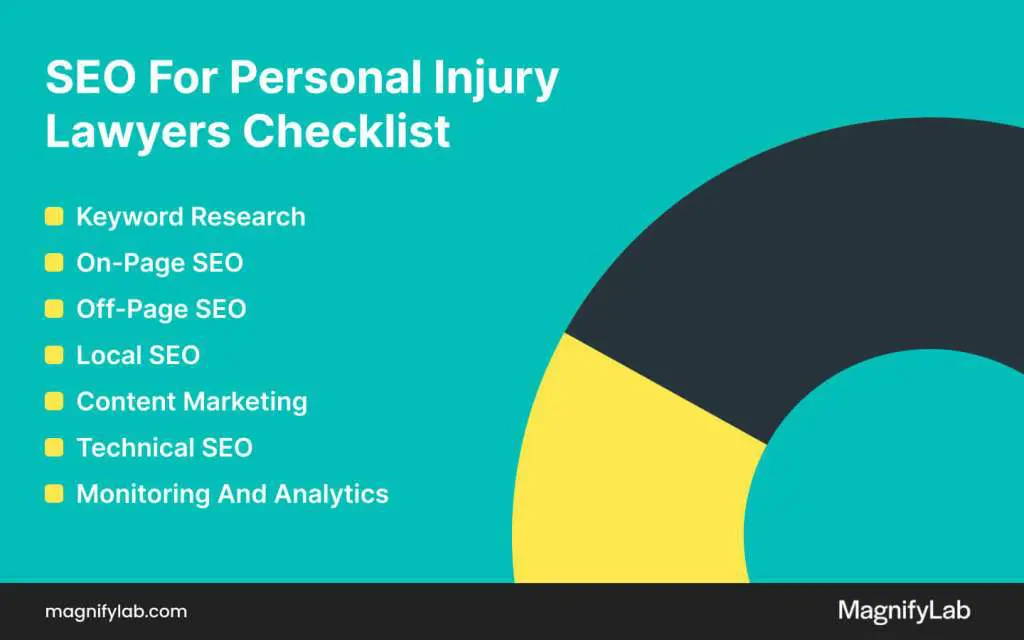
Discover proven SEO strategies specifically designed for personal injury law firms to dominate local search results, attract high-value clients, and increase case volume by up to 300% in competitive markets.
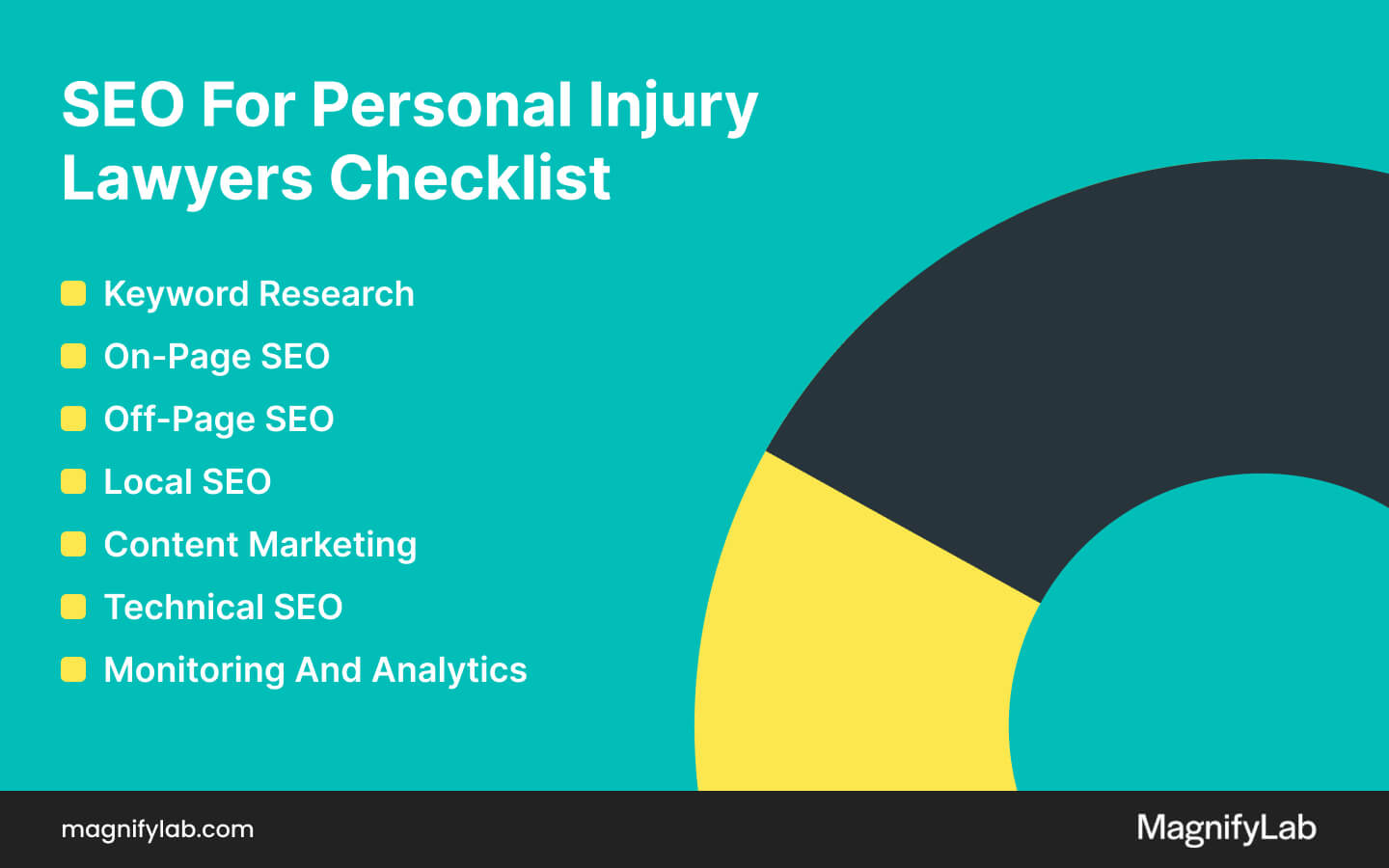
Introduction
Featured Partner
Case Quota: Uses AI to help law firms with digital marketing and market dominance
Case Quota uses AI to help law firms with digital marketing and market dominance.
- It was founded by a former top Los Angeles consultant and aims to help law firms navigate the changing legal marketing landscape by implementing advanced digital strategies
- Onboard quickly with guided setup and white-glove support.
See pricing in seconds.
In today’s digital landscape, personal injury lawyers face unprecedented competition for clients actively searching for legal representation online. With over 90% of potential clients beginning their attorney search on Google, implementing effective SEO for personal injury lawyers has become the difference between thriving practices and those struggling to maintain their client base.
The personal injury legal market generates billions in revenue annually, yet most law firms invest less than 5% of their marketing budget in SEO strategies. This creates a massive opportunity for forward-thinking attorneys who understand that ranking on the first page of Google for high-intent keywords like “car accident lawyer near me” or “slip and fall attorney” can generate cases worth hundreds of thousands of dollars.
This comprehensive guide reveals the exact SEO strategies that successful personal injury law firms use to dominate their local markets. You’ll discover how to optimize your website for maximum visibility, create content that converts prospects into clients, build authoritative backlinks that boost your rankings, and implement local SEO tactics that ensure you appear when potential clients need you most. Whether you’re a solo practitioner or part of a large firm, these proven techniques will help you attract more qualified leads, increase your case volume, and build a sustainable competitive advantage in your market.
Understanding SEO Fundamentals for Personal Injury Law Firms
Search engine optimization for personal injury attorneys requires specialized knowledge of both digital marketing principles and the unique challenges facing legal professionals. Unlike other industries, personal injury law operates in an extremely competitive online environment where a single first-page ranking can generate millions in revenue. This section explores the foundational concepts that every personal injury lawyer must understand to build a successful SEO strategy.
The Unique SEO Challenges Facing Personal Injury Attorneys
Personal injury law presents distinct SEO challenges that require specialized strategies beyond traditional marketing approaches. The legal industry ranks among the most competitive online markets, with cost-per-click advertising rates frequently exceeding $100 for premium keywords like “personal injury lawyer” or “car accident attorney.” This intense competition extends to organic search results, where established firms with years of SEO investment and substantial budgets dominate the coveted first-page positions.
Personal injury clients typically search during high-stress situations following accidents or injuries, making their search behavior fundamentally different from other industries. They often use urgent, emotionally-charged queries like “emergency car accident lawyer” or “best personal injury attorney near me right now.” Understanding this search psychology becomes crucial for developing effective SEO strategies that capture these high-intent prospects when they’re most likely to convert into paying clients.
How Search Engines Evaluate Legal Websites
Search engines use specialized algorithms to evaluate legal websites, placing exceptional emphasis on expertise, authoritativeness, and trustworthiness (E-A-T) factors. For personal injury law firms, this means Google scrutinizes professional credentials, case results, client testimonials, and industry recognition more rigorously than in other sectors. Websites must demonstrate clear attorney qualifications, bar admissions, and professional achievements to earn search engine trust and achieve higher rankings.
Technical factors also play an increasingly crucial role in legal SEO success. Page loading speeds under 3 seconds, mobile responsiveness across all devices, and secure HTTPS connections significantly impact rankings, as search engines prioritize user experience for sensitive legal searches. Additionally, local SEO signals become paramount since most personal injury cases are jurisdiction-dependent and clients prefer attorneys within their geographic area.
The ROI of SEO Investment for Law Firms
Investing in comprehensive SEO for personal injury lawyers delivers exceptional returns when executed with proper strategy and patience. A single personal injury case can generate attorney fees ranging from $10,000 to over $1 million, making the cost of comprehensive SEO campaigns relatively minimal compared to potential returns. Firms that achieve first-page rankings for competitive keywords often see 200-400% increases in qualified leads within 12-18 months of consistent optimization efforts.
Unlike paid advertising campaigns that stop generating leads the moment you cease payments, well-executed SEO provides compound returns that grow over time. Many successful personal injury firms report that 60-80% of their new cases originate from organic search results, demonstrating the long-term value of sustained SEO investment and the importance of viewing it as a business asset rather than a marketing expense.
Building Long-Term SEO Success
Sustainable SEO success requires viewing optimization as an ongoing business investment rather than a one-time marketing campaign. The most successful personal injury firms allocate 8-12% of their gross revenue to comprehensive SEO efforts, including content creation, technical optimization, link building, and local search enhancement. This investment typically pays for itself within 6-9 months and continues generating returns for years afterward.
The credibility boost from achieving high search rankings also enhances case outcomes and client relationships. Prospective clients perceive attorneys who appear at the top of search results as more successful and capable, leading to higher case values, better settlement negotiations, and increased referrals. This reputation enhancement creates a positive feedback loop that amplifies the ROI of SEO efforts exponentially.
Keyword Research and Strategy for Personal Injury Cases
Effective keyword research forms the foundation of successful SEO campaigns for personal injury attorneys. Unlike other industries where keyword selection might focus primarily on search volume, personal injury lawyers must balance competition levels, local relevance, and conversion potential to identify the most valuable search terms. This strategic approach ensures your SEO efforts target keywords that actually generate qualified leads and paying clients.
Identifying High-Value Personal Injury Keywords
Successful keyword identification requires understanding the complete client journey and the various search intent patterns that potential clients exhibit. Primary keywords typically combine practice area terms with location modifiers, such as “personal injury lawyer Chicago” or “car accident attorney Los Angeles.” These high-volume keywords drive significant traffic but face intense competition from established firms with substantial SEO budgets and years of optimization history.
Long-tail keywords often provide superior conversion rates despite lower search volumes. Phrases like “what to do after a slip and fall accident” or “how much compensation for whiplash injury” capture prospects in the research phase who eventually convert to clients at rates 40-60% higher than generic keywords. These informational keywords allow firms to build relationships with potential clients before they’re ready to hire an attorney, creating trust and positioning your firm as the obvious choice.
Location-Based Keyword Optimization
Geographic targeting forms the absolute foundation of successful personal injury SEO campaigns since most cases are jurisdiction-specific. Primary location keywords should encompass major cities, surrounding suburbs, and relevant geographic regions within your practice area. However, successful firms go beyond obvious city names to include neighborhood-level targeting that captures hyper-local searches with lower competition but high conversion potential.
Keywords like “downtown Seattle personal injury lawyer” or “Brooklyn car accident attorney” often have 50-70% less competition while maintaining strong conversion rates. These hyper-local keywords help firms capture clients who prefer attorneys in their immediate vicinity and often indicate higher-quality leads who are ready to schedule consultations rather than just gathering information.
| Keyword Type | Search Volume | Competition Level | Conversion Rate | Best Strategy |
|---|---|---|---|---|
| Primary Keywords | High (10K+ monthly) | Very High | 15-25% | Long-term investment |
| Long-tail Keywords | Medium (1K-5K monthly) | Medium | 25-40% | Quick wins focus |
| Local Keywords | Medium (500-3K monthly) | High | 30-50% | Geographic expansion |
| Question Keywords | Low-Medium (100-1K monthly) | Low-Medium | 10-20% | Content marketing |
Competitor Keyword Analysis and Gap Identification
Analyzing competitor keyword strategies reveals untapped opportunities and gaps in your current SEO approach. Tools like SEMrush, Ahrefs, and SpyFu provide detailed insights into which keywords your competitors rank for, their estimated traffic volumes, and the content strategies driving their success. This competitive intelligence helps identify underutilized keywords with strong potential for your firm while avoiding oversaturated markets.
Competitor content analysis reveals successful formats and topics that resonate with your target audience. Examining top-ranking competitors’ blog posts, practice area pages, and resource sections provides a blueprint for content development while identifying opportunities to create superior, more comprehensive resources that can outrank existing content through better user experience and more thorough coverage.
Seasonal and Trending Keyword Opportunities
Personal injury keywords exhibit predictable seasonal patterns that strategic firms can exploit for competitive advantage. Winter months typically see 200-300% increases in searches for slip-and-fall related keywords, while summer brings higher volumes for recreational accident terms like “boating accident lawyer” or “swimming pool injury attorney.” Understanding these patterns allows for strategic content planning and resource allocation that maximizes visibility during peak demand periods.
Emergency and urgent keywords require special consideration in personal injury SEO strategy. Terms like “emergency personal injury lawyer” or “24-hour accident attorney” indicate immediate need and convert at rates 60-80% higher than general keywords. However, optimizing for these urgent keywords while ensuring your firm can actually provide immediate response becomes crucial for maximizing conversions and maintaining ethical advertising standards.
Technical SEO Optimization for Law Firm Websites
Technical SEO forms the invisible foundation that determines whether your personal injury law firm’s website can compete effectively in search results. While content and keywords capture attention, technical optimization ensures search engines can properly crawl, index, and rank your site. Poor technical SEO can completely undermine even the best content strategies, making this foundational element critical for long-term success.
Website Architecture and Navigation Best Practices
Effective website architecture for personal injury law firms requires intuitive navigation that guides visitors toward conversion while supporting SEO objectives. The primary navigation should clearly categorize practice areas with dedicated sections for different types of personal injury cases such as motor vehicle accidents, medical malpractice, workplace injuries, and premises liability. This structure helps both users and search engines understand your firm’s expertise areas while creating logical content hierarchies that distribute page authority effectively.
URL structure plays a critical role in technical SEO success and user experience. Personal injury websites should use descriptive, keyword-rich URLs that follow a logical hierarchy, such as “/practice-areas/car-accidents/drunk-driving-accidents/” which clearly indicates the page’s content and relationship to broader practice areas. Clean URL structures improve user experience, make sharing easier across social media platforms, and help search engines understand content relationships more effectively.
Mobile Optimization and Page Speed Enhancement
Mobile optimization has become non-negotiable for personal injury websites, as over 70% of legal searches now occur on mobile devices. Responsive design ensures your website adapts seamlessly to different screen sizes, but true mobile optimization goes beyond basic responsiveness. Mobile-first design principles should prioritize essential information like contact details, practice areas, and consultation request forms above the fold, ensuring critical conversion elements remain visible without scrolling.
Page speed optimization directly impacts both search rankings and conversion rates, with studies showing that 40% of users abandon websites that take longer than 3 seconds to load. Personal injury websites must optimize images, minimize HTTP requests, leverage browser caching, and implement content delivery networks (CDNs) to achieve loading speeds under 2 seconds. Google’s Core Web Vitals have made page speed a direct ranking factor, making this optimization essential rather than optional.
Schema Markup and Structured Data Implementation
Schema markup provides search engines with detailed information about your law firm, practice areas, and content, enabling enhanced search result displays. Legal schema markup should include organization details, attorney profiles, practice areas, office locations, and review ratings. This structured data helps search engines understand your content context and can trigger rich snippets that increase click-through rates by 20-30% compared to standard search results.
Local business schema becomes particularly important for personal injury firms serving specific geographic areas. Implementing LocalBusiness schema with accurate NAP (Name, Address, Phone) information, business hours, and service area definitions helps search engines connect your firm with location-based searches. Review schema markup can also display star ratings directly in search results, significantly improving click-through rates and establishing credibility.
Security and HTTPS Implementation
Website security through HTTPS implementation has become a confirmed Google ranking factor and essential trust signal for potential clients. Personal injury websites handle sensitive client information and must demonstrate security through SSL certificates and proper HTTPS configuration. Beyond SEO benefits, secure websites build client confidence and meet ethical obligations for protecting confidential information, making this optimization both a ranking factor and professional requirement.
Regular security audits and updates protect against vulnerabilities that could compromise client data and damage your firm’s reputation. Implementing security headers, regular software updates, and monitoring for malware ensures your website maintains both search engine trust and client confidence. Security breaches can result in significant ranking penalties and potential bar association sanctions, making ongoing security maintenance crucial for sustained SEO success.
Content Marketing Strategies That Convert Prospects into Clients
Content marketing for personal injury lawyers goes far beyond simple blog posts about legal topics. Effective content strategies must educate potential clients, demonstrate expertise, build trust, and guide prospects through the decision-making process while maintaining compliance with legal advertising regulations. The most successful personal injury firms use content as a strategic tool to capture leads at every stage of the client journey.
Creating Educational Content That Builds Authority
Educational content serves as the foundation for establishing your firm as the trusted authority in personal injury law while capturing organic search traffic. Comprehensive guides covering topics like “What to Do Immediately After a Car Accident” or “Understanding Personal Injury Settlement Timelines” attract prospects in the research phase and position your firm as knowledgeable and helpful. These resources should provide genuine value while subtly demonstrating your expertise and encouraging readers to contact your firm for personalized assistance.
Case study content showcasing successful outcomes (while maintaining client confidentiality) demonstrates your firm’s track record and capabilities. Detailed explanations of how you achieved favorable settlements or verdicts help potential clients understand your approach and build confidence in your abilities. However, these case studies must comply with advertising regulations and avoid creating unrealistic expectations about potential outcomes for future clients.
Video Content and Client Testimonials
Video content generates 1200% more shares than text and images combined, making it essential for personal injury law firm marketing strategies. Attorney introduction videos, explanation of legal processes, and FAQ sessions help humanize your firm and build personal connections with potential clients. Video testimonials from satisfied clients provide powerful social proof, though they must comply with advertising regulations regarding client confidentiality and outcome representations.
Educational video series addressing common personal injury questions can establish your attorneys as trusted experts while improving SEO performance. Videos like “5 Mistakes That Can Ruin Your Personal Injury Case” or “How Insurance Companies Try to Minimize Your Claim” provide valuable information while demonstrating your knowledge and advocacy skills. These videos should be optimized with relevant keywords, transcripts, and compelling thumbnails to maximize search visibility.
Blog Content Strategy and Topic Planning
Strategic blog content planning should address the complete client journey from initial injury through case resolution. Early-stage content might cover immediate post-accident steps, while middle-stage content could explain the legal process and what to expect when working with an attorney. Late-stage content might address settlement negotiations or trial preparation, ensuring you provide value regardless of where prospects are in their decision-making process.
Content calendars should align with seasonal trends and current events that affect personal injury cases. Winter content might focus on slip-and-fall prevention and liability, while summer content could address recreational accidents and premises liability. Breaking news about safety recalls, traffic law changes, or major accidents can provide timely content opportunities that capture trending search traffic.
| Content Type | Primary Purpose | Target Audience | Conversion Rate | SEO Value |
|---|---|---|---|---|
| Educational Guides | Build authority | Research phase prospects | 8-12% | High long-term |
| Case Studies | Demonstrate results | Evaluation phase prospects | 15-25% | Medium |
| FAQ Content | Answer objections | Decision phase prospects | 20-35% | High for long-tail |
| Video Testimonials | Social proof | All phases | 25-40% | Medium |
Compliance and Ethical Content Guidelines
Personal injury content must balance marketing effectiveness with strict adherence to legal advertising regulations and ethical guidelines. Content should avoid making guarantees about case outcomes, creating unrealistic expectations, or making claims that cannot be substantiated. Instead, focus on explaining legal processes, rights, and general information that helps potential clients make informed decisions about their situations.
Attorney advertising rules vary by jurisdiction, requiring careful attention to disclosure requirements, outcome representations, and client confidentiality protections. Content should include appropriate disclaimers about attorney-client relationships, case outcome variability, and the importance of individual case evaluation. Regular review by compliance officers or bar association resources ensures your content marketing remains within ethical boundaries while maintaining effectiveness.
This comprehensive approach to content marketing creates a sustainable system for attracting, educating, and converting potential personal injury clients while building long-term authority and search visibility. The next phase will explore local SEO strategies that ensure your firm appears when nearby prospects search for legal representation.
Local SEO Strategies for Personal Injury Attorneys
Local SEO represents the most critical component of digital marketing for personal injury lawyers, as 97% of clients search for attorneys within their geographic area. Unlike other industries where national reach might be beneficial, personal injury law is inherently local due to jurisdictional requirements and client preferences for nearby representation. This section explores advanced local SEO techniques that help personal injury attorneys dominate their local search results and capture high-value cases in their immediate market area.
Google My Business Optimization for Law Firms
Optimizing your Google My Business profile serves as the foundation of local SEO success, directly impacting your visibility in the coveted “map pack” results that appear for local searches.
Personal injury attorneys must complete every section of their Google My Business profile with strategic keyword placement and compelling descriptions. The business description should include primary practice areas like “car accident attorney,” “slip and fall lawyer,” and geographic service areas within the 750-character limit. Adding specific details like “serving clients in downtown Phoenix and surrounding areas since 2010” helps establish local relevance while building trust with potential clients.
Regular posting on Google My Business increases engagement and signals active business management to Google’s algorithms. Successful firms post 2-3 times weekly, sharing case results, legal updates, community involvement, and educational content. Posts with high-quality images receive 42% more requests for directions and 35% more click-throughs to websites compared to text-only posts.
Local Citation Building and Directory Listings
Building consistent citations across authoritative legal directories and local business listings creates the foundational trust signals that Google uses to verify your firm’s legitimacy and local presence.
Tier-1 legal directories like Avvo, Martindale-Hubbell, and FindLaw provide powerful citation opportunities that carry significant weight in local search algorithms. These platforms require detailed attorney profiles with practice area specializations, jurisdictions, and professional credentials. Maintaining 100% consistency in Name, Address, and Phone number (NAP) across all citations prevents confusion and strengthens local SEO signals.
Local business directories specific to your geographic area offer additional citation opportunities with lower competition. City chamber of commerce websites, local bar associations, and community business directories provide valuable local links. A comprehensive citation audit typically reveals 15-25 relevant directories for most metropolitan areas, with each citation contributing to improved local search visibility.
Location-Specific Landing Page Development
Creating dedicated landing pages for each service area allows personal injury firms to capture searches from multiple geographic locations while avoiding content cannibalization issues.
Each location page should target specific geographic keywords while providing unique, valuable content about serving clients in that area. Pages optimized for “personal injury lawyer in Scottsdale” should include local landmarks, courthouse information, accident statistics for that area, and testimonials from local clients. This localized approach increases relevance for area-specific searches and improves conversion rates by 28% compared to generic location pages.
Multi-location firms must carefully structure their location pages to avoid competing against themselves in search results. Using distinct URLs like “/locations/scottsdale-personal-injury-lawyer/” and unique content for each page prevents cannibalization while maximizing geographic coverage. Internal linking between location pages should follow logical geographic relationships, such as linking nearby suburbs or connecting county-level pages to city-specific content.
Managing Online Reviews and Reputation
Proactive review management directly impacts local search rankings, with Google considering review quantity, quality, and recency as primary local ranking factors.
Implementing systematic review generation processes helps maintain consistent positive feedback across multiple platforms. Successful personal injury firms typically achieve 4.5+ star averages across Google, Yelp, and Avvo by requesting reviews from satisfied clients at optimal moments in the case lifecycle. Automated email sequences sent after case resolution generate 65% higher review response rates compared to one-time manual requests.
Responding professionally to all reviews, including negative feedback, demonstrates engagement and commitment to client satisfaction. Review responses should acknowledge specific concerns, offer solutions when appropriate, and maintain professional tone throughout. Google’s algorithms favor businesses with active review engagement, often boosting local rankings for firms that consistently respond to client feedback within 24-48 hours.
| Review Platform | Local SEO Weight | Average Response Rate | Client Demographics | Optimal Strategy |
|---|---|---|---|---|
| Google My Business | Highest | 15-20% | All age groups | Primary focus, quick responses |
| Yelp | Medium | 8-12% | 35-55 years old | Detailed responses, photos |
| Avvo | Medium | 12-18% | Legal-focused audience | Professional tone, expertise |
| Low-Medium | 20-25% | Varies widely | Social engagement, sharing |
Content Marketing for Personal Injury Law Firms
Content marketing for personal injury lawyers requires a strategic balance between providing valuable legal information and positioning your firm as the preferred choice for potential clients. Unlike other industries, legal content must navigate strict advertising regulations while addressing the urgent needs of injured individuals seeking representation. Effective content strategies focus on answering common questions, explaining complex legal processes, and building trust through expertise demonstration.
Creating Educational Blog Content That Converts
Educational blog content serves as the primary vehicle for attracting potential clients during their research phase while establishing your firm’s expertise in specific practice areas.
High-converting blog posts for personal injury firms typically address immediate concerns and questions that arise after accidents. Topics like “What to Do Immediately After a Car Accident” or “How Long Do I Have to File a Personal Injury Claim” capture searches from people who need legal representation soon. These posts should provide comprehensive information while naturally guiding readers toward consultation requests through strategically placed calls-to-action.
Data-driven content performs exceptionally well in the personal injury space. Posts featuring local accident statistics, settlement amounts, or case timelines provide valuable information while demonstrating your firm’s knowledge and experience. For example, a post titled “Average Car Accident Settlement Amounts in Texas: 2024 Analysis” can attract thousands of monthly searches while positioning your firm as an authoritative source for potential clients researching their case value.
Long-form content consistently outperforms shorter posts in search rankings and client engagement. Comprehensive guides exceeding 2,500 words that cover topics like “The Complete Guide to Filing a Personal Injury Lawsuit” provide immense value while creating multiple opportunities for internal linking and keyword targeting throughout the content.
Video Content Strategy for Legal Services
Video content generates 12 times more shares than text and images combined, making it essential for personal injury firms seeking to expand their digital reach and build personal connections with potential clients.
Attorney introduction videos humanize your firm and build trust before the initial consultation. These videos should highlight your experience, successful case results, and commitment to client service within 60-90 seconds. Including specific details like “recovered over $50 million for injured clients” or “25 years of personal injury experience” provides credibility while encouraging viewers to contact your firm.
Educational video series addressing common personal injury questions create ongoing engagement while establishing thought leadership. Weekly videos answering questions like “How is pain and suffering calculated?” or “What evidence do I need for my slip and fall case?” build a library of valuable content that continues attracting views and potential clients long after publication.
Case Study Development and Success Stories
Well-crafted case studies provide social proof while demonstrating your firm’s ability to achieve favorable outcomes for clients in situations similar to those facing potential new clients.
Effective case studies follow a structured narrative that outlines the client’s situation, challenges faced, legal strategy employed, and ultimate resolution achieved. Including specific details about settlement amounts, case duration, and unique obstacles overcome helps potential clients understand your firm’s capabilities and approach. Case studies featuring scenarios similar to common personal injury situations generate higher engagement and conversion rates.
Client testimonials integrated within case studies add authenticity and emotional appeal to success stories. Video testimonials from satisfied clients discussing their experience working with your firm provide powerful social proof that influences potential clients’ decision-making. These testimonials should focus on the personal attention received, communication throughout the process, and satisfaction with the final outcome.
Compliance considerations require careful attention when developing case studies for personal injury firms. All client information must be properly anonymized or permission obtained for sharing specific details. Settlement amounts and case details should be presented in ways that comply with local bar association advertising rules while still providing valuable information to potential clients.
FAQ Development Based on Client Inquiries
Comprehensive FAQ sections address common concerns and questions while providing natural opportunities to target long-tail keywords that potential clients frequently search.
FAQ content should be organized by practice area and case type, making it easy for visitors to find relevant information quickly. Questions like “How much does a personal injury lawyer cost?” or “What if the insurance company denies my claim?” address primary concerns that prevent potential clients from contacting attorneys. Detailed answers that explain fee structures, case processes, and expected outcomes help overcome common objections.
Regular analysis of consultation inquiries reveals trending questions and concerns that should be addressed in FAQ updates. Tracking the most frequently asked questions during initial client meetings provides insight into information gaps that your website content should fill. This data-driven approach ensures your FAQ section addresses real client concerns rather than assumed questions.
Interactive FAQ formats using expandable sections or search functionality improve user experience while encouraging deeper engagement with your content. Visitors who spend more time exploring your FAQ section demonstrate higher intent and convert to consultations at rates 40% higher than those who quickly leave after viewing only one or two answers.
Link Building and Authority Development
Link building for personal injury law firms requires sophisticated strategies that build genuine authority while navigating the unique challenges of legal marketing. Unlike other industries, legal websites face stricter scrutiny from search engines due to the “Your Money or Your Life” (YMYL) classification, making quality and relevance paramount over quantity. Successful link building campaigns focus on establishing relationships with authoritative legal publications, local news outlets, and professional organizations that enhance credibility while driving targeted traffic.
Earning High-Quality Legal Directory Links
Strategic placement in authoritative legal directories provides foundational link equity while improving your firm’s credibility with both search engines and potential clients.
Premium legal directories like Martindale-Hubbell, Super Lawyers, and Best Lawyers offer powerful link opportunities that carry significant SEO weight due to their established authority and relevance to the legal industry. These platforms require detailed attorney profiles showcasing credentials, practice areas, and professional achievements. Complete profiles with professional headshots, detailed biographies, and client reviews generate more profile views and stronger link value.
State and local bar association directories provide geographically relevant links that boost local SEO performance. Many bar associations offer enhanced listings for members that include additional link opportunities through committee participation, continuing education involvement, or published articles. These associations typically maintain high domain authority and provide contextually relevant links that search engines value highly.
Specialized personal injury directories and referral networks offer targeted link opportunities within your specific practice area. Platforms like 1-800-Injured, Personal Injury Lawyers Directory, and injury-specific state associations provide links from highly relevant sources. These directories often generate direct referrals in addition to SEO benefits, creating multiple value streams from single link placements.
Guest Posting and Legal Publication Opportunities
Contributing expert content to established legal publications and industry blogs creates authoritative backlinks while positioning your firm as a thought leader in personal injury law.
Legal publications like Law360, The National Law Journal, and state bar journals regularly seek expert commentary on current legal developments, case outcomes, and legislative changes. Personal injury attorneys can contribute articles analyzing recent court decisions, discussing emerging trends in personal injury law, or providing practical guidance for other attorneys. These publications typically include author bylines with firm information and website links.
Industry blogs and legal marketing websites offer additional guest posting opportunities with less stringent requirements than major publications. Websites like Attorney at Work, Law Practice Today, and legal marketing blogs frequently accept contributed content from practicing attorneys. Guest posts should provide genuine value to readers while naturally incorporating expertise and experience that encourages readers to visit your website.
Local business publications and newspapers provide geographically relevant link opportunities that support local SEO efforts. Contributing articles about local legal issues, safety concerns, or community involvement creates links from locally relevant sources while building community recognition. These publications often have strong local domain authority and provide links that search engines view as highly relevant for local searches.
Professional Association and Community Involvement
Active participation in professional associations and community organizations creates natural link-building opportunities while enhancing your firm’s local reputation and networking potential.
State and national personal injury attorney associations offer multiple link opportunities through member directories, committee participation, and conference speaking engagements. Organizations like the American Association for Justice (AAJ) and state trial lawyer associations maintain member directories with profile links while offering opportunities to contribute content to member publications and websites.
Local community involvement generates authentic links from organizations where your firm makes genuine contributions. Sponsoring local events, participating in charity drives, or serving on nonprofit boards often results in website mentions and links from community organizations. These local links provide strong geographic relevance signals that boost local search performance.
Professional networking groups and business associations create ongoing link-building opportunities through regular participation and relationship development. Chambers of commerce, Rotary clubs, and professional networking organizations often feature member spotlights, event coverage, and directory listings that include website links. Consistent participation in these organizations builds relationships that lead to natural link opportunities over time.
Monitoring and Measuring Link Building Success
Comprehensive link monitoring and analysis ensures your link building efforts generate maximum SEO impact while identifying opportunities for improvement and expansion.
Regular backlink audits using tools like Ahrefs, SEMrush, or Moz help track new links, monitor link quality, and identify potentially harmful links that could negatively impact rankings. Monthly audits should analyze new referring domains, anchor text distribution, and overall link profile health. This monitoring helps identify successful link building tactics and areas requiring additional focus.
Competitor link analysis reveals opportunities for similar link placements while identifying gaps in your current strategy. Analyzing the backlink profiles of top-ranking competitors in your market shows which directories, publications, and organizations provide valuable links. This intelligence guides outreach efforts toward the most impactful link opportunities.
Link attribution tracking helps measure the direct impact of link building efforts on search rankings and organic traffic. Setting up proper analytics tracking for referral traffic from new links provides insight into which links generate the most valuable visitors. This data helps prioritize future link building efforts toward sources that provide the highest return on investment.
| Link Source Type | Authority Level | Acquisition Difficulty | SEO Impact | Direct Traffic Potential |
|---|---|---|---|---|
| Legal Directories | High | Low-Medium | High | Medium |
| Legal Publications | Very High | High | Very High | Low-Medium |
| Local News/Media | Medium-High | Medium | High | High |
| Professional Associations | Medium-High | Low | Medium-High | Low |
| Community Organizations | Medium | Low-Medium | Medium | Medium |
Measuring SEO Performance and ROI
Measuring SEO performance for personal injury law firms requires sophisticated tracking systems that connect search visibility improvements to actual case acquisitions and revenue generation. Unlike other industries where conversions might involve simple purchases or form submissions, legal SEO success must be measured through consultation requests, case signings, and ultimately, fee generation from successful outcomes. This comprehensive approach to measurement ensures SEO investments deliver tangible business results while identifying optimization opportunities.

Essential SEO Metrics for Law Firms
Tracking the right metrics provides actionable insights into SEO performance while demonstrating the direct connection between search visibility and business growth for personal injury practices.
Organic search traffic growth represents the foundational metric for SEO success, but personal injury firms must analyze traffic quality alongside quantity. Monitoring traffic from high-intent keywords like “personal injury lawyer near me” or “car accident attorney” provides more valuable insights than total traffic numbers. Quality traffic from relevant keywords typically converts to consultations at rates 3-5 times higher than general traffic.
Keyword ranking improvements for target terms directly correlate with increased visibility and lead generation. Personal injury firms should track rankings for primary practice area keywords, location-based terms, and long-tail phrases that indicate immediate legal needs. Moving from page two to page one for competitive keywords like “personal injury attorney [city]” typically increases organic traffic by 200-400% within 30-60 days.
Local search visibility metrics require special attention for personal injury practices, as most clients search for nearby representation. Tracking Google My Business impressions, map pack appearances, and local keyword rankings provides insight into local SEO performance. Firms appearing in the top three map pack results for local searches receive 44% of all clicks, making local visibility crucial for lead generation.
Setting Up Conversion Tracking Systems
Comprehensive conversion tracking systems connect SEO efforts to actual business outcomes, enabling data-driven optimization decisions and accurate ROI calculations.
Multi-channel attribution tracking helps identify the complete customer journey from initial search to case signing. Personal injury clients often research extensively before contacting attorneys, visiting multiple pages and returning several times before converting. Implementing Google Analytics goals, call tracking, and CRM integration provides complete visibility into conversion paths and helps attribute cases to specific SEO efforts.
Phone call tracking becomes essential for personal injury firms, as 70% of legal consultations begin with phone calls rather than form submissions. Advanced call tracking systems can identify which keywords, pages, or campaigns generated each call while providing call recordings for quality analysis. This data helps optimize content and campaigns for higher-value leads while improving conversion rates.
Form submission tracking should capture detailed information about lead sources and user behavior patterns. Custom forms that track referring pages, search terms, and time spent on site before conversion provide valuable insights for optimization. Heat mapping tools and form analytics reveal friction points that prevent conversions, enabling improvements that increase consultation request rates.
ROI Calculation and Business Impact Analysis
Accurate ROI calculations demonstrate the financial impact of SEO investments while providing data for strategic planning and budget allocation decisions.
Case value attribution requires connecting SEO-generated leads to actual case outcomes and fee collection. Personal injury firms should track which leads convert to signed cases and the eventual settlement or judgment amounts. This long-term tracking reveals the true value of SEO efforts, as a single high-value case can justify years of SEO investment.
Cost-per-acquisition analysis compares SEO investment to the cost of acquiring new cases through other marketing channels. Personal injury SEO typically generates cases at 60-80% lower cost than paid advertising, with the added benefit of compound returns over time. Calculating the lifetime value of SEO-acquired clients provides insight into the long-term ROI of organic search investments.
Market share analysis using tools like SEMrush or Ahrefs reveals your firm’s competitive position and growth opportunities. Tracking your share of organic search visibility for relevant keywords compared to competitors provides insight into market penetration and potential for expansion. Firms with increasing market share typically see corresponding growth in consultation requests and case volume.
Continuous Optimization and Performance Improvement
Ongoing analysis and optimization ensure SEO strategies adapt to algorithm changes, competitive dynamics, and evolving client search behaviors.
Regular performance audits identify optimization opportunities and potential issues before they impact rankings. Monthly reviews should analyze traffic trends, ranking changes, and conversion rate fluctuations while identifying correlations with recent website changes or external factors. This proactive approach prevents minor issues from becoming major ranking problems.
Competitor performance monitoring reveals market opportunities and threats while informing strategic decisions. Tracking competitor rankings, content strategies, and backlink acquisition provides intelligence for improving your own SEO performance. When competitors gain visibility for important keywords, quick analysis can reveal tactics worth implementing or avoiding.
User behavior analysis through heat maps, session recordings, and user flow analysis reveals optimization opportunities beyond traditional SEO metrics. Understanding how visitors interact with your content, where they encounter friction, and what drives conversions enables improvements that boost both search performance and client acquisition rates.
| Performance Metric | Measurement Frequency | Target Improvement | Business Impact | Optimization Priority | ||||||||||||||||
|---|---|---|---|---|---|---|---|---|---|---|---|---|---|---|---|---|---|---|---|---|
Organic
Measuring SEO Performance and ROI for Personal Injury PracticesTracking SEO performance for personal injury lawyers requires sophisticated metrics that go beyond basic traffic numbers to measure actual business impact. While traditional SEO metrics like organic traffic and keyword rankings provide valuable insights, law firms must focus on conversion-oriented metrics that directly correlate to new cases and revenue generation. Key Performance Indicators for Legal SEO SuccessOrganic lead quality stands as the most critical metric for personal injury law firms, as a single high-value case can justify months of SEO investment. Track not just the number of organic leads, but their case potential, geographic relevance, and conversion rates through your intake process. Successful firms typically see organic leads convert at 15-25% higher rates than paid advertising leads due to the trust factor associated with high search rankings. Case value attribution helps determine which keywords and pages generate the most valuable clients. Implement tracking systems that connect initial organic search queries to final case settlements, revealing which SEO efforts produce the highest ROI. This data enables strategic resource allocation toward the most profitable keyword targets and content types. Geographic performance analysis reveals local market penetration and identifies expansion opportunities. Monitor rankings and traffic for different service areas, comparing performance across various neighborhoods, suburbs, and nearby cities. This granular analysis helps optimize local SEO efforts and identify underserved markets with growth potential. Advanced Analytics Setup and Conversion TrackingProper conversion tracking implementation requires sophisticated attribution models that account for the complex personal injury client journey. Most potential clients research extensively before contacting an attorney, often visiting multiple pages across several sessions. Set up enhanced ecommerce tracking in Google Analytics to monitor the full conversion funnel from initial visit to consultation booking. Call tracking integration provides crucial insights into phone-based conversions, which represent 60-70% of personal injury inquiries. Dynamic number insertion allows you to track which keywords, pages, and campaigns drive phone calls, enabling accurate ROI calculations for SEO efforts. Advanced call tracking also provides conversation analytics to identify high-converting call patterns. Heat mapping and user behavior analysis reveal optimization opportunities that traditional analytics miss. Tools like Hotjar or Crazy Egg show how visitors interact with your pages, identifying friction points in the conversion process. This behavioral data helps optimize page layouts, content placement, and call-to-action positioning for maximum conversion rates. ROI Calculation Methods for Legal SEO CampaignsCalculating SEO ROI for personal injury lawyers requires long-term tracking that accounts for case development timelines and settlement variations. Unlike other industries with immediate purchase cycles, personal injury cases can take months or years to resolve, making traditional ROI calculations inadequate for measuring SEO success. Lifetime value modeling provides more accurate ROI assessments by projecting the total value of clients acquired through organic search. Factor in average case values, referral potential, and repeat business probability to determine the true value of SEO-generated leads. Most successful personal injury firms see 300-500% ROI on comprehensive SEO campaigns within 18-24 months. Cost comparison analysis demonstrates SEO value relative to other marketing channels. Compare the cost per qualified lead from organic search versus PPC, traditional advertising, and referral programs. SEO typically delivers leads at 40-60% lower cost than paid advertising while providing compound returns that increase over time. Reporting and Client Communication StrategiesEffective SEO reporting for law firm stakeholders requires translating technical metrics into business impact that partners and administrators can understand and act upon. Create monthly reports that emphasize lead quality, case potential, and revenue attribution rather than focusing solely on rankings and traffic numbers. Competitive positioning reports demonstrate market share gains and identify emerging threats or opportunities. Track your firm’s visibility compared to key competitors across important keyword categories, showing progress in market dominance and areas requiring additional investment. Predictive analytics help forecast future performance and guide strategic decisions. Use historical data to project traffic growth, lead volume increases, and potential revenue impact from continued SEO investment. This forward-looking approach helps justify ongoing SEO budgets and strategic initiatives. Ready to accelerate your results? Case Quota keeps execution moving so your team can stay focused on high-value client work. Learn more.
Advanced SEO Strategies and Future TrendsThe evolution of search engine algorithms and user behavior patterns continues reshaping SEO strategies for personal injury lawyers. Advanced practitioners must stay ahead of emerging trends while implementing sophisticated techniques that provide sustainable competitive advantages in increasingly crowded markets. Voice Search Optimization for Legal QueriesVoice search optimization represents a massive opportunity for personal injury lawyers as smart speaker adoption accelerates and mobile voice queries become commonplace. Voice searches typically use conversational, question-based formats that differ significantly from traditional typed queries. Instead of searching “car accident lawyer Chicago,” users ask “Who is the best car accident lawyer near me?” Conversational keyword integration requires restructuring content to match natural speech patterns. Create FAQ sections that directly answer common voice queries like “What should I do after a car accident?” or “How much does a personal injury lawyer cost?” This approach captures voice search traffic while improving overall user experience for traditional searchers. Local voice search optimization becomes critical as users frequently ask location-based questions. Ensure your Google My Business profile includes comprehensive information that voice assistants can easily access and relay to users. Optimize for “near me” queries and conversational location-based searches that voice users prefer. AI and Machine Learning Impact on Legal SEOArtificial intelligence algorithms increasingly influence search results quality and relevance, requiring personal injury lawyers to adapt their SEO strategies accordingly. Google’s RankBrain and BERT algorithms better understand search intent and context, rewarding content that genuinely addresses user needs rather than keyword-stuffed pages. Content quality assessment has become more sophisticated, with AI systems evaluating expertise, authoritativeness, and trustworthiness more accurately. Personal injury websites must demonstrate clear legal expertise through comprehensive case studies, detailed legal analysis, and authoritative citations to medical and legal sources. Predictive SEO strategies leverage machine learning tools to identify emerging opportunities and algorithm changes before competitors react. Advanced practitioners use AI-powered tools to analyze search patterns, predict keyword trends, and optimize content for future algorithm updates. Video SEO and Visual Content OptimizationVideo content increasingly dominates search results and user engagement metrics, making video SEO essential for personal injury law firms. Educational videos explaining legal processes, attorney introductions, and case study presentations can significantly improve search visibility while building trust with potential clients. YouTube optimization strategies help personal injury lawyers capture video search traffic while building brand authority. Create comprehensive playlists covering different accident types, legal procedures, and frequently asked questions. Optimize video titles, descriptions, and tags for relevant keywords while ensuring content provides genuine educational value. Visual search optimization prepares firms for emerging search technologies that analyze images and infographics. Optimize images with descriptive alt text, structured data markup, and relevant file names. Create infographics explaining legal processes or accident statistics that can rank in visual search results. Schema Markup and Structured Data ImplementationStructured data markup helps search engines understand legal content context and display rich snippets that improve click-through rates. Legal-specific schema markup includes attorney profiles, legal services, reviews, and FAQ sections that enhance search result appearance and provide users with immediate information. Local business schema becomes particularly important for personal injury lawyers targeting geographic markets. Implement comprehensive local business markup including office hours, contact information, service areas, and accepted payment methods. This structured data helps search engines display accurate business information in local search results. Review schema markup enables the display of star ratings and review counts in search results, significantly improving click-through rates. Implement proper review markup for Google My Business reviews, third-party review platforms, and client testimonials while ensuring compliance with legal advertising regulations. FAQQ: How long does it take to see results from SEO for personal injury lawyers?
Most personal injury law firms begin seeing initial SEO improvements within 3-6 months, with significant ranking gains typically occurring between 6-12 months. However, competitive markets may require 12-18 months for substantial results. The timeline depends on website authority, competition level, and implementation consistency. Q: What’s the average cost of SEO services for personal injury law firms? Professional SEO services for personal injury lawyers typically range from $3,000-$15,000 monthly, depending on market competition and service scope. Comprehensive campaigns in major metropolitan areas often require $8,000-$12,000 monthly investments. The high case values in personal injury law justify these investments through strong ROI potential. Q: Should personal injury lawyers focus on local or national SEO strategies? Personal injury lawyers should prioritize local SEO since most cases are jurisdiction-specific and clients prefer nearby attorneys. National SEO only makes sense for firms with multiple locations or those handling federal cases. Local optimization typically delivers better conversion rates and lower competition levels. Q: How important are online reviews for personal injury lawyer SEO? Online reviews significantly impact both local SEO rankings and client conversion rates. Google considers review quantity, recency, and ratings when determining local search positions. Personal injury prospects heavily rely on reviews when selecting attorneys, making reputation management crucial for SEO success. Q: What content types work best for personal injury law firm SEO? Educational blog posts, detailed practice area pages, case studies, and FAQ sections perform best for personal injury SEO. Content addressing common questions like “What to do after an accident” or “How much compensation can I receive” attracts high-intent traffic and demonstrates legal expertise. Q: How do I optimize for mobile search as a personal injury lawyer? Mobile optimization requires responsive design, fast loading speeds, and prominent contact information. Ensure phone numbers are clickable, contact forms are mobile-friendly, and critical information appears above the fold. Most personal injury searches occur on mobile devices, making optimization essential. Q: What are the biggest SEO mistakes personal injury lawyers make? Common mistakes include keyword stuffing, neglecting local SEO, creating thin content, ignoring technical issues, and focusing solely on rankings instead of conversions. Many firms also fail to track ROI properly or maintain consistent content creation efforts. Q: How do I compete with established law firms that dominate search results? Target long-tail keywords, focus on specific practice niches, create superior content, and build local authority through community involvement. Newer firms can often outrank established competitors by providing better user experience and more comprehensive, up-to-date content. Q: What role does social media play in SEO for personal injury lawyers? While social media doesn’t directly impact rankings, it supports SEO through content distribution, brand awareness, and potential link building opportunities. Social signals may indirectly influence rankings, and social profiles often appear in branded search results. Q: How often should personal injury lawyers update their website content? Regular content updates signal freshness to search engines and provide value to visitors. Aim for weekly blog posts, monthly practice area page updates, and quarterly comprehensive content audits. Consistent content creation helps maintain and improve search rankings over time. Q: What’s the future outlook for SEO in the personal injury legal market? The personal injury legal market will see increased competition, greater emphasis on user experience, and growing importance of voice search optimization. AI-powered content creation and advanced local SEO tactics will become standard, requiring continuous adaptation and investment. Q: How do I measure the success of my personal injury law firm’s SEO efforts? Track organic traffic growth, keyword ranking improvements, lead generation increases, and most importantly, case acquisition from organic search. Monitor conversion rates, average case values from SEO leads, and calculate ROI based on actual revenue generated rather than just traffic metrics. ConclusionThe digital landscape for personal injury lawyers has fundamentally transformed, with SEO for personal injury lawyers becoming the cornerstone of sustainable practice growth. Throughout this comprehensive guide, we’ve explored how strategic SEO implementation can generate case values exceeding hundreds of thousands of dollars while building long-term competitive advantages that compound over time. The key insights for personal injury law firm success include:
The future of legal SEO will increasingly reward firms that prioritize user experience, demonstrate genuine expertise, and adapt to emerging technologies like voice search and AI-powered algorithms. Personal injury lawyers who invest in comprehensive SEO strategies today position themselves to capture market share from competitors who rely solely on traditional marketing methods or basic online presence. Partner with Case Quota for SuccessThe technical complexities of keyword research, content optimization, and local SEO implementation discussed throughout this guide require specialized expertise and consistent execution that most law firms struggle to manage internally. Case Quota specializes in helping personal injury lawyers navigate these challenges through comprehensive SEO strategies tailored specifically for the legal industry. Our team handles everything from technical website optimization and local search domination to content creation and conversion rate optimization, allowing you to focus on practicing law while we drive qualified leads to your practice. We understand the unique compliance requirements, competitive landscapes, and conversion psychology that define successful personal injury SEO campaigns. Visit https://casequota.com to discover how our proven SEO strategies can transform your practice’s online visibility and case acquisition results. |