

The Critical Role of 90-Day Onboarding for Law Firms
In the competitive world of law firms, the first impression often dictates the longevity and quality of client relationships. The concept of the “90-day onboarding for law firms” is more than just a buzzword; it’s a strategic approach that can transform a firm’s client interactions and set the stage for ongoing success. “The first 90 days of a client relationship are the highest-leverage window you have,” emphasizing the opportunity to make a lasting impact. These formative days play a critical role in ensuring that clients receive the clarity and understanding they need about the services offered.
Onboarding, in essence, serves a dual purpose that is indispensable in managing client expectations efficiently. Firstly, it demands the acquisition of necessary information from clients. This information-gathering phase forms the foundation upon which the firm builds its future interactions and service delivery. Secondly, onboarding is where a law firm can set clear expectations and control the engagement process. By doing so, clients are reassured about the services they will receive and the process they will go through—key factors in establishing trust and reducing anxiety.
A well-designed onboarding process is pivotal for both the client and the firm. Onboarding should include elements such as a welcome packet, an orientation call within the first week, and a comprehensive client guide delivered in multiple formats like video, PDF, or written. These elements are more than formalities; they symbolize a firm’s commitment to excellent service and human touch. They demonstrate that clients are more than just case numbers—they are individuals whose needs and concerns are a priority.
Moreover, implementing these onboarding strategies need not be costly or overly complex. The success lies in intentional design and the commitment of the entire team. Understanding the importance of effective 90-day onboarding for law firms can lead to improved client reviews, better referrals, and an overall enhanced reputation in the market.
Components and Design of Effective 90-Day Onboarding for Law Firms
A deliberate onboarding process turns a good intake into a strong client relationship. The onboarding has two jobs, not one. First, it collects the client information the firm needs to move the matter forward. Second, it explains the process, sets expectations, and shows control of the engagement. Because the first 90 days set the tone, you must design each touchpoint with care.
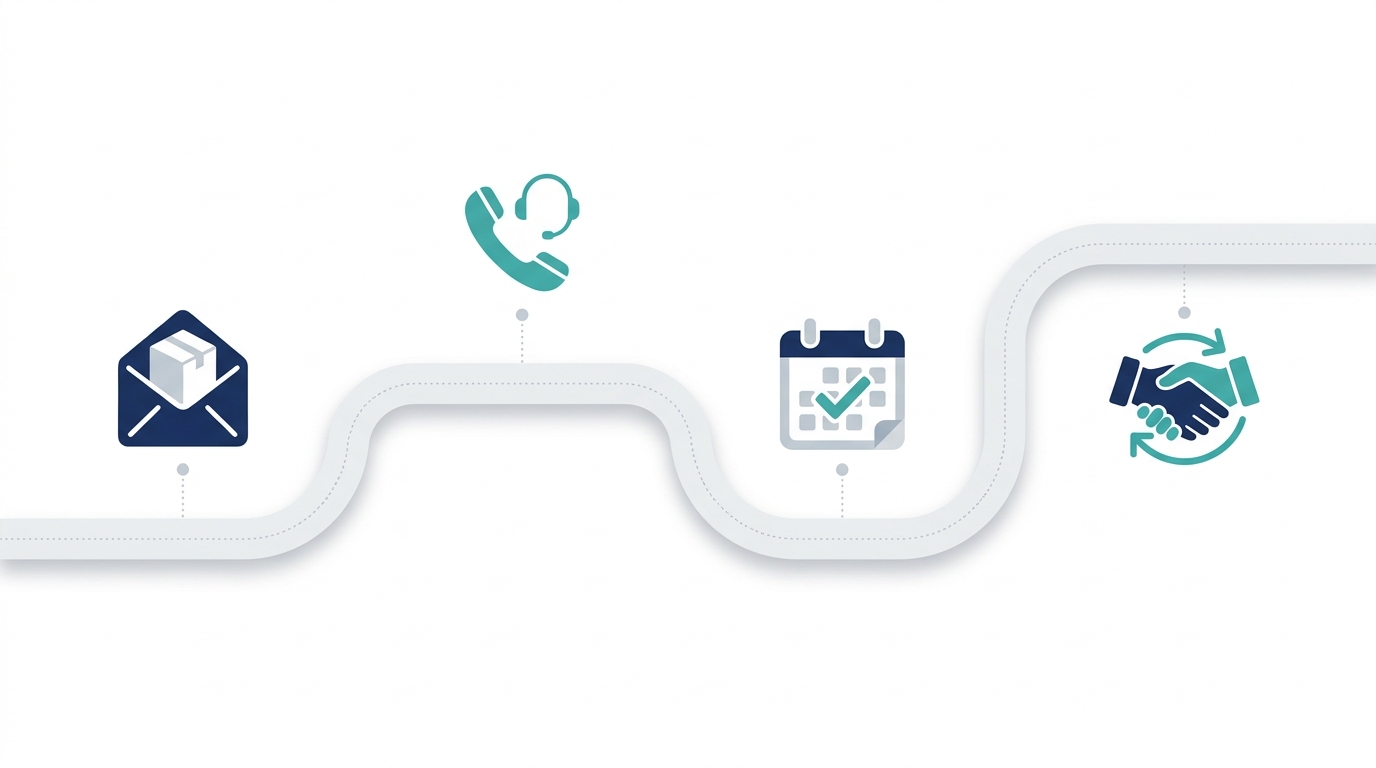
Core components of the onboarding process include a welcome packet, a short orientation call, and a client guide delivered in multiple formats. These elements work together to reduce client anxiety and increase clarity. For example, a welcome packet gives clients a roadmap. It includes the engagement agreement, a case timeline, billing expectations, and a checklist of documents to provide. Moreover, a welcome packet signals that the firm is organized and client centered.
Within the first week, do a short orientation call to humanize the relationship. During the call, introduce the team and explain next steps. Also, ask whether the client has immediate concerns. As a result, the client feels heard and the firm gains context. For practical templates and stages for client intake, see Clio for guidance at Clio which outlines clear steps you can adapt.
Deliver your client guide in several formats to match client preferences. Offer a one page PDF for quick reference, a longer written guide for details, and a short video that walks clients through the process. By doing this, you improve comprehension and reduce repeated questions. Additionally, include FAQs and an easy contact map so clients know who to call for what.
Design in regular check points at 30 days and at 60 to 90 days to measure satisfaction and make adjustments. A 30 day check in focuses on progress and early concerns. Then, at the 60 to 90 day review, ask for feedback and an appropriate referral request. Because consistent follow up drives reviews and referrals, build these reminders into your workflow. Lawyerist offers practical ideas for creating a welcome package and mapping the client journey at Lawyerist – Welcome Package and Lawyerist – Client Journey which you can customize.
Make the onboarding process measurable and repeatable. Create a written process and assign responsibility for each touchpoint. Track completion of the welcome packet, the orientation call, the 30 day check in, and the 60 to 90 day review. Therefore, you avoid the common problem where onboarding exists only in someone’s head. The difference often comes down to design, not resources.
Finally, keep the approach simple and intentional. None of this requires expensive software or a full time client experience coordinator. Instead, focus on clarity, human connection, and a documented onboarding process that your team follows. As a result, you will see better client experiences, stronger reviews, and more referrals.
Onboarding Outcomes: Measured Versus Informal
| Criterion | Measurable 90-Day Onboarding (designed) | Informal Onboarding (non-structured) | Marketing Impact Summary |
|---|---|---|---|
| Client satisfaction | High and trackable. Teams use welcome packet, orientation call, and regular check ins. As a result, clients feel heard and secure. | Variable and unpredictable. Satisfaction depends on individual staff memory and goodwill. Often clients feel uncertain. | Designed onboarding builds positive reviews and case studies. Therefore marketing messages convert better and cost less. |
| Review solicitation success | Systematic ask at the 60-to-90-day review leads to consistent review capture. Also follow up templates increase response rates. | Sporadic requests that depend on who remembers. As a result, review volume is low and irregular. | Consistent review flow improves search presence. Consequently, lead generation becomes more reliable. |
| Referral generation | Intentional referral ask during the 60 to 90 day review boosts referrals. The process includes timing and scripts. | Referrals happen occasionally, by chance, without a repeatable method. Therefore referral rates stay low. | Measured onboarding feeds referral pipelines. Thus word of mouth becomes a dependable channel. |
| Consistency | High consistency because every step is written and assigned. Teams track completion of each touchpoint. | Low consistency since onboarding exists only in someone’s head. Outcomes vary by attorney and staff. | Consistency strengthens brand promise. As a result, marketing messages match client experience. |
| Control of client expectations | Strong control through clear client guide, timelines, and multiple format delivery. “The onboarding has two jobs, not one.” | Limited control. Clients often receive mixed messages and unclear timelines. This increases anxiety. | Clear expectations reduce churn and questions. Therefore intake conversion rates improve. |
| Overall marketing effectiveness | Measurable onboarding amplifies marketing ROI. It converts leads into advocates and reviewers. | Informal onboarding undermines marketing spend. Leads convert, but do not become promoters. | A designed onboarding process turns clients into repeat referrers and reviewers. Hence marketing performs better. |
Related keywords: onboarding process, welcome packet, orientation call, client guide, 30-day check in, 60-90 day review, onboarding design.
How AI Tools Enhance 90-Day Onboarding to Drive Marketing, Reviews, and Referrals
AI can automate routine tasks in a 90-day onboarding for law firms, and it can make each touchpoint feel personal. Because the first 90 days are high leverage, use AI where it frees time but keeps empathy. Start with simple automations and a written process. As a result, small firms get big benefits without expensive software.
Use AI to streamline the onboarding process and reduce manual steps. For example, connect an intake form to your case management system with Zapier. That way, client answers populate matter fields automatically. Then, an AI tool can summarize long client responses into a short intake brief for the attorney. These summaries save time, and they improve early responsiveness.
Automate welcome communications and orientation scheduling. After intake, trigger a personalized welcome email or short video that introduces the team. Use Calendly to automate orientation call scheduling and reminders. Because scheduling is friction free, clients show up prepared.
Deliver client guides in multiple formats with low cost tools. Record a short orientation video, host a PDF guide, and add an FAQ page. Use AI to generate the first draft of the guide from your standard templates. Then, edit for tone and accuracy. This approach keeps materials consistent and on brand. For full practice management features that include client portals, review Clio.
Build automation in client portal workflows for check ins, reviews, and referrals. For example, schedule a 30-day automated check in using your portal. Then, at 60 to 90 days, trigger a review request and a referral ask. Use simple email sequences that include a friendly human note followed by an automated reminder. As a result, you get consistent outreach without manual follow up.
Leverage AI for better follow up and measurement. Use natural language tools to scan check-in replies for sentiment. If a client expresses concern, alert a team member immediately. This keeps the relationship on track, and it demonstrates control of the engagement. Also, use AI to generate tailored review-request messages that match client tone. Personalized requests increase response rates and reviews.
Keep costs low by combining free or low cost tools with intention. Use Google Forms for intake, Zapier for automation, and a simple AI drafting tool for messages. Then, write the process down and assign responsibility. “None of this requires expensive software or a full time client experience coordinator. It requires intention, and a written process your whole team follows.” When you do this, AI amplifies consistent touchpoints, and reviews and referrals follow.
Conclusion
A deliberate 90-day onboarding for law firms changes how clients feel and respond. The first 90 days of a client relationship are the highest-leverage window you have. Because onboarding has two jobs, you must get client information and set clear expectations. When you do both well, clients feel secure. As a result, they give better reviews and more referrals.
Design matters more than size or budget. Two attorneys with similar practices can get different outcomes. One keeps onboarding in their head. The other uses a measurable 90-day client experience. Therefore the second firm wins on consistency, satisfaction, and marketing lift. Implement simple elements. Send a welcome packet. Make a short orientation call in the first week. Provide a client guide in multiple formats. Then schedule a 30-day check-in and a 60-to-90-day review with a referral ask. These steps are small but powerful.
You do not need expensive software to get these results. Start with a written process, assigned responsibilities, and low-cost tools. Use automation in client portal workflows to trigger check-ins and review requests. Also use AI to draft messages and summarize intake notes. With intention and design, your firm will see steady review growth and referral generation. Moreover, this approach makes your marketing more effective because client experience and promotion align.
If you want help scaling these practices, consider a specialized partner. Case Quota is a legal marketing agency that helps small and mid-sized law firms achieve market dominance. They use high-level strategies similar to Big Law firms and tailor them to firms with limited budgets. Visit Case Quota to learn how Case Quota can help you turn a 90-day onboarding into a reliable source of reviews, referrals, and growth.
Build your 90-day onboarding now. Then measure, iterate, and reap the marketing rewards.
Frequently Asked Questions (FAQs)
What is 90-day onboarding and why should my firm implement it?
90-day onboarding for law firms is a deliberate client experience plan that covers the first three months of representation. The first 90 days of a client relationship are the highest-leverage window you have. In practice, onboarding gathers essential client information and sets expectations. As a result, clients feel less anxious and understand the process. Therefore you reduce surprises, calls, and billing disputes.
How can a small or mid-sized firm start without expensive software?
Start with a written process and low-cost tools. Use Google Forms or a client intake template to collect information. Then automate simple tasks with Zapier or Calendly to schedule orientation calls. Also, record a short welcome video and include a one-page PDF guide. None of this requires expensive software. Instead, rely on intention, templates, and assigned responsibilities.
What are the must-have touchpoints in the onboarding process?
Include these core elements:
- Welcome packet that outlines engagement terms, timelines, and billing expectations
- Short orientation call within the first week to humanize the relationship
- Client guide delivered in multiple formats: video, PDF, and written
- 30-day check-in to address early concerns
- 60-to-90-day review with a review or referral ask
These touchpoints help you collect facts, explain the process, and demonstrate control of the engagement.
How should we measure onboarding success?
Track simple metrics that tie to client experience and marketing. Measure client satisfaction scores, review submission rates, and referral counts. Also track completion of each touchpoint: welcome packet sent, orientation call done, and check-ins logged. Because consistency matters, use a checklist or CRM field to mark progress.
What common pitfalls should firms avoid?
Avoid leaving onboarding in someone’s head. When processes depend on memory, outcomes vary by attorney. Also avoid skipping follow up or the 60-to-90-day review where you ask for reviews and referrals. Instead, document the workflow, assign owners, and schedule automated reminders. As a result, you turn good legal work into predictable reviews and referrals.