

Small business surveys and cybersecurity for remote work: Leveraging client feedback and secure remote collaboration to strengthen law firm marketing
Small business surveys and cybersecurity for remote work form a linked strategy for modern law firm marketing. Small and mid-sized law firms must collect client feedback to refine services and messaging. At the same time, they must secure remote collaboration channels to protect client data and reputation. This introduction is cautiously optimistic about the benefits, while noting practical risks to address.
Survey tools such as NPS, CSAT, and CES reveal loyalty, satisfaction, and friction points. Therefore, firms can use multiple-choice, Likert scale, and open-ended questions to capture voice of the customer. In addition, regular pulse surveys improve client retention and identify areas for operational improvement.
Remote work brings convenience, but it raises exposure when unmanaged devices access firm data. Consequently, zero trust controls and browser-based security, including encrypted cache and anti-keylogging, deserve attention. Secure document redirection and enterprise-managed storage reduce leakage risk when lawyers or contractors work remotely. However, browser-only protections may not suffice for highly sensitive files.
Combined, client feedback and strong security make marketing messages more credible and compliant. Because clients value privacy, clear communication about protections can improve trust and conversion. Therefore, small firms should design surveys that inform service improvements and deploy layered security for remote collaboration. Finally, this article guides practical steps for survey design, analysis, and secure remote workflows.
Small business surveys and cybersecurity for remote work: survey types, formats, and benefits
Small and mid-sized law firms gain insight by running targeted client surveys. Therefore, simple metrics help teams prioritize marketing and service changes. Three common survey types include Net Promoter Score, Customer Satisfaction Score, and Customer Effort Score. Net Promoter Score measures loyalty and referral likelihood. Customer Satisfaction Score gauges immediate satisfaction with a service. Customer Effort Score evaluates how easy clients find interactions with the firm. For authoritative definitions and guidance, see Qualtrics’ resources on NPS, CSAT, and CES: Qualtrics on NPS, Qualtrics on CSAT, Qualtrics on CES.
Survey formats shape the quality of feedback. Multiple-choice questions produce clear, quantifiable results. Likert scale items measure intensity of opinion, so firms can track sentiment over time. Open-ended prompts capture verbatim client language. As a result, combining closed and open formats yields both metrics and insight. For example, ask an NPS question plus one open-ended follow-up asking why clients gave the score. Because short surveys see higher completion rates, keep surveys brief and focused.
Benefits for law firm marketing are concrete and measurable. First, surveys improve user experience by revealing pain points in client onboarding and billing. Second, they boost customer retention and loyalty when firms act on feedback. Third, surveys identify improvement opportunities across practice areas and communication channels. Moreover, survey-driven changes give marketing teams real case studies and testimonial leads that convert.
Small business surveys and cybersecurity for remote work: integrating secure remote environments with feedback loops
Collecting feedback must not weaken client confidentiality. Therefore, firms should integrate secure remote work controls with survey tools. Browser-based security tools now apply zero trust controls to sessions. For details on browser security and partnerships, read Citrix and Google’s announcement: Citrix and Google Announcement. As Mike Torres notes, “Work today happens in the browser, and our collaboration ensures it stays secure without the overhead of traditional virtualization.” This quote underscores the trend toward lighter, browser-native controls.
Practical security features to consider include encrypted browser cache, anti-keylogging protections, and secure document redirection. Encrypted browser cache reduces residual data left on unmanaged devices. Anti-keylogging features help deter malware that could capture passwords or client details. Secure document redirection ensures downloaded files land in enterprise-managed storage such as Google Workspace. For Google Workspace security and enterprise protections, see Google Workspace Security. Additionally, Citrix documents describe secure access features in depth: Citrix Secure Access.
Integrating surveys with these protections looks like this in practice. First, deliver surveys through managed forms hosted on enterprise domains. This approach maintains branding and control. Second, require access through secure browser sessions when users are on unmanaged devices. Consequently, firms limit data exfiltration risk. Third, store results in enterprise-managed repositories with strict access controls. In addition, redact or encrypt sensitive open-text responses before wider sharing.
Finally, balance convenience with risk. Browser-only protections help scale secure access, yet they may not suffice for highly sensitive documents. As Sridhar Mullapudi explained, “Security teams shouldn’t have to choose between protecting data and enabling flexible work. By applying zero trust controls directly in the browser, we’re helping organizations secure unmanaged access in a way that scales, reduces risk, and fits how people actually work today.” Refer to Citrix’s release for full context: Citrix Release. Therefore, combine layered controls with thoughtful survey design to protect client data while unlocking honest feedback.
Key takeaways
- Use NPS, CSAT, and CES to measure loyalty, satisfaction, and effort.
- Mix multiple-choice, Likert, and open-ended formats for depth and scale.
- Host surveys on enterprise-managed domains and storage.
- Apply browser-native protections like encrypted cache and anti-keylogging.
- Redirect files to enterprise storage to prevent leakage.
These steps help small law firms collect reliable feedback. Moreover, they protect client data and strengthen marketing credibility.
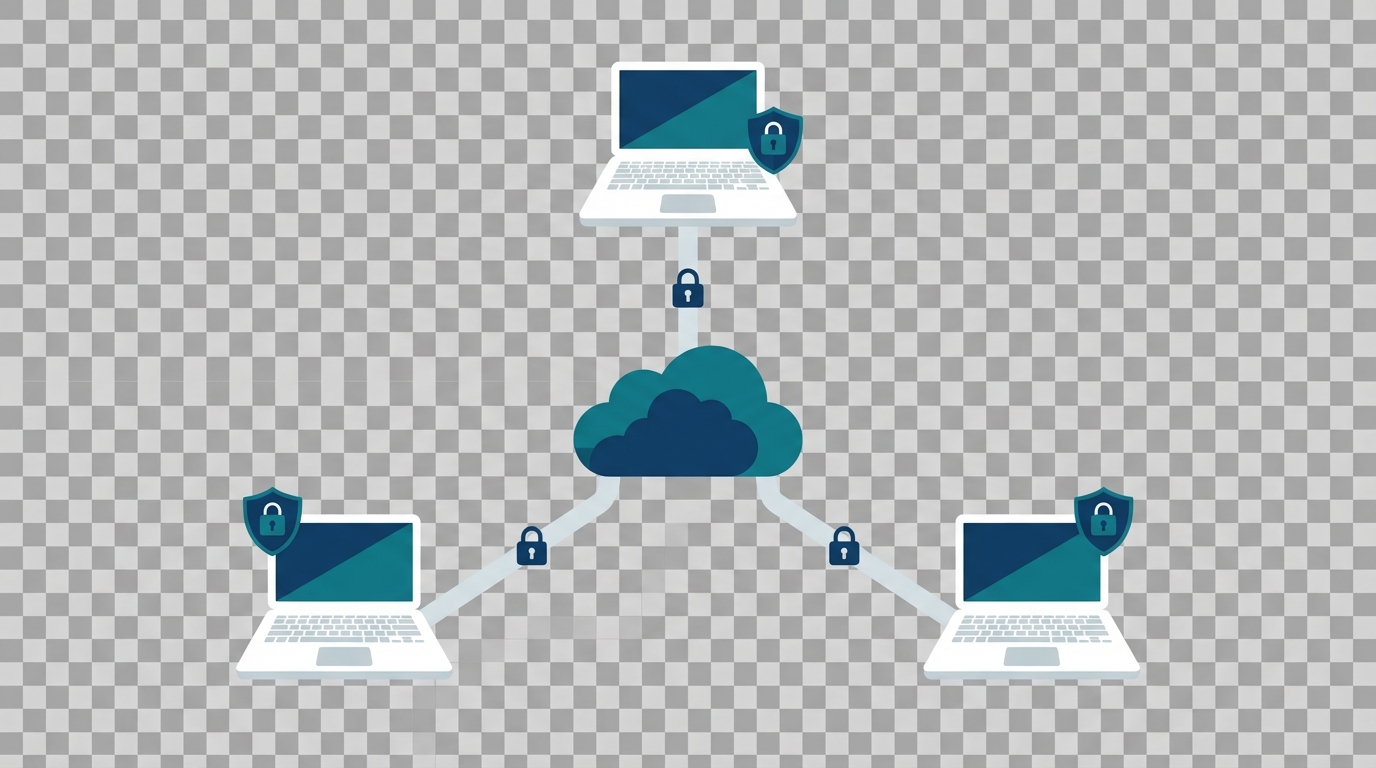
Small business surveys and cybersecurity for remote work: quick comparison table
| Survey Type | Typical Format | Purpose | Marketing Benefits | Cybersecurity Considerations in Remote Work | Best Practices for Secure Collection and Analysis |
|---|---|---|---|---|---|
| Customer Satisfaction Score (CSAT) | Multiple-choice or single Likert item. Often 1 to 5. | Gauge satisfaction with a specific interaction or service. | Quickly surfaces transactional issues. Improves onboarding and billing processes. | Protect survey endpoints with HTTPS. Deliver surveys from enterprise domains. Require secure browser sessions for unmanaged devices. | Keep surveys short. Host forms on managed domains. Encrypt data in transit and at rest. Apply browser protections like encrypted cache and anti-keylogging. Use secure document redirection for any attachments. |
| Net Promoter Score (NPS) | 0 to 10 scale plus one open-ended follow-up. | Measure loyalty and referral likelihood. | Benchmarks advocacy over time. Identifies promoters and detractors for marketing case studies. | Verify respondent identity when needed. Prevent PII leakage in open responses. Limit retention of identifiable text. | Anonymize or redact open-text answers. Store scores in role-based analytics. Require secure browser access and enterprise storage such as Google Workspace. |
| Customer Effort Score (CES) | Likert scale or multiple-choice about effort. | Measure how easy clients find interactions with the firm. | Reveals friction that drives churn. Guides process simplification. | Avoid collecting unnecessary metadata that could expose client behavior. Secure telemetry and logs. | Collect minimal PII. Aggregate results for analysis. Use zero trust browser sessions for contributors on unmanaged devices. Reference Citrix Secure Access for browser protections. |
Key themes and practical notes
Therefore mix closed and open formats to gain both metrics and verbatim insight. However keep questions brief to improve response rates.
Because remote access adds risk, require managed forms and enterprise storage. Consequently encrypted cache and anti-keylogging features reduce exposure.
In addition redact or pseudonymize sensitive open-text responses before sharing outside the team.
Related keywords and synonyms for semantic SEO
CSAT, NPS, CES, voice of the customer, Likert scale, multiple-choice, open-ended questions, customer feedback, data analysis, zero trust, browser-based security, encrypted browser cache, anti-keylogging, secure document redirection, Google Drive, Citrix Secure Access.
Best practices for integrating client feedback with secure remote collaboration
Small law firms should treat client feedback and secure collaboration as a single program. Therefore align survey design, access controls, and data handling. Because client trust underpins marketing, protect feedback channels and results. The following practices balance usable feedback with strong cybersecurity.
Design surveys to minimize risk and maximize insight. First, ask only necessary questions to reduce sensitive data collection. Second, combine multiple-choice and Likert items with one short open-ended prompt. As a result you get metrics plus verbatim insight. In addition keep surveys brief to increase completion rates and reduce exposure.
Enforce zero trust browser security for unmanaged devices. Require secure browser sessions when respondents or staff access survey tools from personal laptops. As Mike Torres says, “Work today happens in the browser, and our collaboration ensures it stays secure without the overhead of traditional virtualization.” Link secure browser strategies to zero trust controls described by Citrix and Google here: Citrix and Google Announcement. Consequently apply session policies that limit copy paste, printing, and downloads when needed.
Harden client data in transit and at rest. Use HTTPS for all survey endpoints and enforce enterprise certificates. In addition store responses in enterprise-managed storage with strict access controls. Because residual artifacts can persist on unmanaged devices, enable encrypted browser cache. Citrix documents explain encrypted cache and related protections here: Citrix Secure Access Documentation. Furthermore anti-keylogging features help protect credentials and short text responses from malware.
Use secure document redirection for attachments and exports. Redirect downloads into enterprise repositories such as Google Drive. Therefore files never land on a responder’s local disk. For enterprise protection guidance see Google Workspace Security. Also redact or pseudonymize open-text responses before wider sharing. As a result you preserve research value while reducing PII risk.
Operational best practices and checklist
- Limit PII collection to required fields only.
- Host surveys on branded, enterprise domains and require authentication when appropriate.
- Require zero trust browser sessions for external contributors and contractors.
- Apply encrypted cache and anti-keylogging protections for browser sessions.
- Redirect downloads to enterprise storage like Google Drive.
- Aggregate and redact verbatim answers before distribution.
Finally, balance security with user experience. Sridhar Mullapudi explains that security should not block flexible work. He says, “Security teams shouldn’t have to choose between protecting data and enabling flexible work.” Therefore adopt layered, browser‑native controls. As a result small firms can collect honest feedback safely and turn it into marketing advantage.
Related keywords
CSAT, NPS, CES, voice of the customer, zero trust, browser-based security, encrypted browser cache, anti-keylogging, secure document redirection, Google Drive, Citrix Secure Access.
CONCLUSION
Small business surveys and cybersecurity for remote work create a powerful twofold strategy for small and mid sized law firms. By combining client feedback with secure collaboration, firms gain clearer insights and stronger client trust. Therefore firms can turn survey data into precise marketing messages that resonate. Because privacy matters, firms must protect feedback channels and survey data.
When firms act on NPS, CSAT, and CES results, they improve client experience and retention. In addition secure tools let teams collaborate remotely without exposing sensitive files. For example, encrypted browser cache and anti keylogging reduce residual risk on unmanaged devices. In addition secure document redirection keeps downloads in enterprise storage like Google Drive. As a result marketing teams can use real feedback safely in case studies and client stories.
Case Quota helps law firms apply these tactics and scale them for growth. The agency adapts high level strategies used by Big Law for smaller budgets and teams. Visit Case Quota to learn how specialized legal marketing and secure collaboration combine to win market share. Because the right mix of feedback and security improves credibility, it can become a competitive advantage.
Finally, adopt a measured approach that balances user experience with layered security. Start small with focused surveys and secure browser sessions. Then scale analysis and campaigns as confidence grows. The future favors firms that listen closely and protect what they learn.
Frequently Asked Questions (FAQs)
What survey types should a small law firm use and why?
Use Customer Satisfaction Score, Net Promoter Score, and Customer Effort Score. CSAT measures satisfaction with specific interactions. NPS gauges loyalty and referral potential. CES reveals friction in client workflows. Use multiple-choice and Likert items for metrics. In addition, add one short open-ended question for context. As a result, you get both quantifiable data and client language to inform marketing.
How do we secure surveys for remote respondents and contractors?
Protect endpoints with HTTPS and host forms on enterprise domains. Require authentication for sensitive surveys. Therefore mandate zero trust browser sessions when people use unmanaged devices. Enable encrypted browser cache and anti-keylogging to reduce local risk. Use secure document redirection so downloads land in enterprise storage such as Google Drive. For browser security guidance, see Citrix and Google’s announcement and Google Workspace security details.
Can open-ended feedback be collected without exposing client data?
Yes, but you must apply controls. First minimize PII by asking only necessary questions. Second, redact or pseudonymize verbatim answers before wider sharing. Third, store raw responses in encrypted, enterprise repositories with limited access. Finally, apply retention and deletion policies to reduce long-term exposure.
How do we balance user experience with security for survey programs?
Start with short, focused surveys to improve completion rates. However, make authentication conditional for deeper research. Use progressive profiling so you ask for more details later. In addition, apply session policies that limit downloads, copy, and paste during sensitive sessions. Test changes in a pilot group and measure both response rates and security telemetry before scaling.
Where can small and mid-sized firms get help implementing these strategies?
Specialized legal marketing agencies can adapt Big Law strategies for smaller budgets. For example, Case Quota helps law firms combine client feedback and secure collaboration to win market share. In addition, consult Citrix Secure Access documentation for browser protections.