

YouTube Demand Generation Best Practices for Law Firms
YouTube Demand Gen best practices should shape any high-converting paid media playbook for law firms. In this guide, we explain how Demand Gen campaigns, PPC, and AI-powered ads work together to drive qualified leads. Because legal services face high customer lifetime value, optimizing these channels can lift conversions and ROAS. Therefore, firms can scale sustainably when they focus on ad strength and audience signals.
Start with clear campaign goals and a test plan. Use short form video creatives on YouTube and experiment with recommended audience solutions to find receptive viewers. Also, use AI-powered creative tools to personalize thumbnails and hooks at scale, and use analytics tools to measure viewer engagement. As a result, you reduce wasted spend and improve conversion velocity.
Pay-per-click remains vital for bottom-funnel queries; however, Demand Gen expands reach and nurtures intent early. Blend PPC search intent with YouTube’s visual storytelling to build trust fast. Moreover, monitor performance metrics daily, and pivot creative or bid strategies based on conversion data. This iterative approach keeps ROAS moving upward.
This overview previews a practical, cautiously optimistic playbook built for law firms. You will find step-by-step tactics, real metrics, and examples that highlight ad strength, recommended audience solutions, and AI-informed testing. By the end, you will know how to run Demand Gen campaigns that increase qualified leads, lift conversions, and boost ROAS. Ready to optimize? Let’s begin.
We ground recommendations in tested metrics. For example, advertisers who applied three of four best practices saw forty percent higher conversions on average. Meanwhile, Cropp achieved a fifty percent uplift in ROAS using excellent ad strength and recommended audience solutions. Therefore, this playbook mixes evidence, checklists, and hands-on setups that lawyers and marketers can implement quickly.
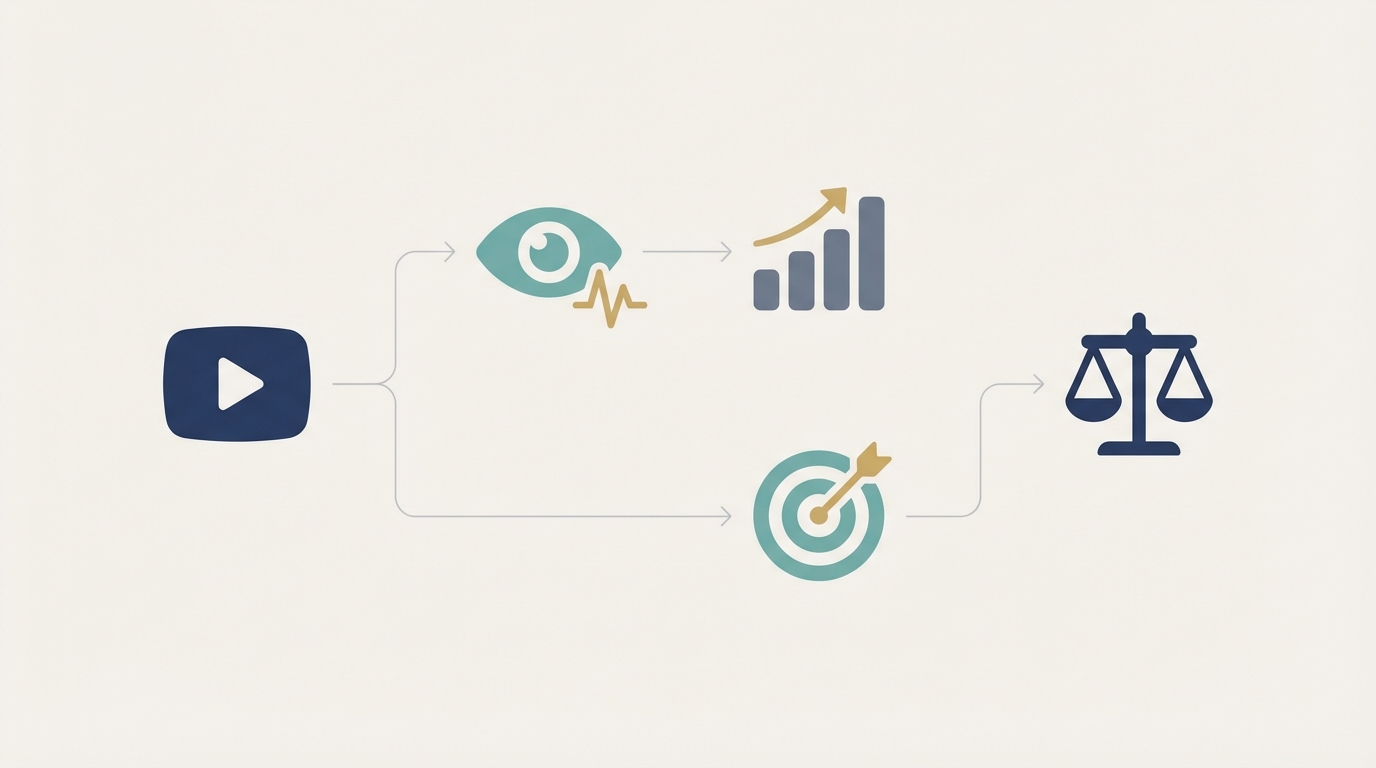
YouTube Demand Gen best practices for law firms
Demand Gen campaigns can turn passive viewers into qualified leads. For law firms this means more consultations and higher lifetime value clients. Therefore, adopting structured best practices matters. When advertisers applied three of four best practices, they saw a 40 percent increase in conversions on average. This section breaks down the tactics that drive that lift.
Start with clear campaign goals and measurement
Set precise conversion events before you launch. For example, track form fills, phone calls, and booked consultations. Also, use value-based bidding when possible. Doing so aligns your bids with client worth, and therefore improves ROAS.
Use analytics tools to validate results. Google Ads and YouTube analytics help you measure view-through conversions and engagement. For implementation guidance, see Google’s Demand Gen overview at Google Demand Gen Overview and the Accelerate with Google resource at Accelerate with Google.
Optimize ad strength and creative
Ad strength matters more than many teams expect. Ads with stronger relevance and variety perform better, and thus increase conversion rates. To boost ad strength, do the following:
- Produce multiple short creative variants. Test the opening hook in each version.
- Use clear calls to action and visible branding within the first five seconds. This builds trust quickly.
- Refresh creatives on a biweekly cadence to avoid ad fatigue. Moreover, rotate messaging to test benefits vs proof points.
Cropp reported a fifty percent uplift in ROAS after optimizing ad strength and using recommended audience solutions. So strengthen creative, and monitor the impact in your reports.
Use recommended audience solutions to scale efficiently
Recommended audience solutions reduce guesswork. They surface viewers who resemble your best customers. As a result, you spend less time building custom lists. Implement these audiences while you run experiments.
Tactics to apply:
- Start with broad recommended audiences, then narrow to high-performing segments.
- Layer in first-party data for matching where possible, because it improves targeting precision.
- Combine recommended audiences with in-market or affinity signals to refine intent.
For official guidance, review Google’s upgrade notes on Demand Gen at Google Upgrade Notes.
Implement three of four core best practices quickly
Research shows that applying three of four best practices yields a strong conversion lift. Therefore, prioritize the easiest wins first. Use this phased approach:
- Optimize measurement and conversions. Track meaningful events.
- Improve ad strength with multiple creative angles.
- Deploy recommended audience solutions.
- Run ongoing analytics-driven experiments.
Start with steps one through three, and then add the fourth. This sequence gives quick performance gains while you build an experimental program.
Leverage analytics tools and attribution wisely
Analytics clarifies what content drives action. For that reason, configure both Google Ads and YouTube reporting. Track metrics such as view rate, average watch time, and view-through conversions.
Additionally, use data-driven attribution when possible. It assigns credit based on observed behavior. As a result, you avoid undervaluing top-of-funnel video exposure. Also, export data to your CRM to measure downstream outcomes like case value.
Practical analytics checks:
- Review conversion paths weekly for anomalies.
- Segment results by creative, audience, and placement.
- Test different attribution windows to match your sales cycle.
Blend PPC and Demand Gen for intent and scale
PPC captures high-intent searchers, while Demand Gen builds awareness. Therefore, use both channels in tandem. For example, run search campaigns for service queries and Demand Gen to nurture lower-intent users.
Coordination tips:
- Use shared conversion goals across campaigns to avoid silos.
- Reuse high-performing creative assets from Demand Gen in discovery and other placements.
- Allocate budget dynamically based on CPA and ROAS signals.
Test with AI-powered ads and automation
AI tools speed up creative testing and audience discovery. Use generative tools to produce headline and thumbnail variations. Then, measure which versions move users down the funnel.
However, test responsibly. Always review AI outputs for accuracy and compliance. For legal advertising, ensure messaging follows professional and ethical rules.
Measurement-driven iteration: a simple cadence
Follow a weekly and monthly review cycle. Weekly checks focus on anomalies and bids. Monthly reviews analyze creative performance and audience shifts. This cadence keeps campaigns responsive.
Weekly tasks:
- Pause low-performing variants.
- Adjust bids and budgets based on CPA trends.
Monthly tasks:
- Replace stale creatives.
- Expand or contract recommended audience segments.
Summary checklist for law firms
- Define measurable conversion events upfront.
- Apply at least three of four Demand Gen best practices to start.
- Improve ad strength with multiple creative variants.
- Use recommended audience solutions to scale efficiently.
- Leverage analytics and data-driven attribution.
- Coordinate PPC with Demand Gen for full-funnel coverage.
- Use AI responsibly to accelerate testing.
These approaches combine to boost conversions and ROAS. For example, advertisers who implemented three of four best practices enjoyed a forty percent increase in conversions on average. Likewise, Cropp achieved a fifty percent uplift in ROAS by focusing on excellent ad strength and recommended audience solutions. Therefore, law firms that adopt these steps can expect measured improvements. Start small, test fast, and scale what works.
| Strategy | Strategy Description | Key Benefits | Example Use Case | Impact Metrics |
|---|---|---|---|---|
| Ad strength | Creative relevance and variety across video assets. Test multiple hooks and formats. | Higher clickthroughs and improved conversion rates. Therefore, faster ROAS improvement. | Run three short legal explainer videos with varied openings. Measure which hook drives consultations. | Conversion lift varies by market. When combined with other practices, teams saw about 40 percent increase in conversions on average. Cropp reported a 50 percent ROAS uplift after improving ad strength. |
| Recommended audience solutions | Google suggested segments that match likely customers. Use them to scale reach quickly. | Faster audience discovery and reduced setup time. As a result, you capture more qualified viewers. | Start broad, then narrow to high performing segments for personal injury or employment law queries. | Often improves targeting precision. Cropp combined this with ad strength and saw a 50 percent ROAS uplift. Advertisers who used three of four best practices saw 40 percent higher conversions on average. |
| Analytics tools | YouTube and Google Ads reporting plus CRM exports. Track view rate, watch time, and conversions. | Clear attribution and insight into what drives action. Therefore, you allocate budget smarter. | Export video view paths to CRM to measure booked consultations and case value. | Enables data driven bidding and attribution. Teams using strong analytics report steady CPA declines and better ROAS. |
| Campaign optimization practices | Measurement, bidding, and testing cadence. Refresh creatives and adjust bids weekly. | Reduced ad fatigue and efficient spend. As a result, conversion velocity improves. | Use value based bidding aligned to case value and run biweekly creative swaps. | When combined with the other strategies, expect measured lifts in conversions and ROAS. Practical tests show meaningful gains quickly. |
Practical implementation tips for YouTube Demand Gen best practices
Apply small, measurable steps. Start simple, and then scale what works. These practical tips help law firms turn video views into consultations.
Adjust ad creatives for better ad strength
- Lead with a clear hook in the first three to five seconds. This captures attention fast, because viewers decide quickly.
- Produce three to five short variants for each message. Then run A/B tests to find the best opening and CTA.
- Use visible branding and a concise call to action. As a result, viewers recognize your firm and take the next step.
- Refresh low-performing creatives every two weeks to avoid fatigue. Also rotate proof points and client outcomes to see which resonates.
Example action list for creatives
- Script three 15 second opens: problem, empathy, and social proof.
- Film one vertical and one horizontal cut from the same shoot.
- Upload all assets and test them simultaneously for at least two weeks.
Target recommended audience solutions effectively
- Start with the platform’s recommended audiences, because they speed up discovery.
- Narrow audiences only after you see performance signals. Therefore, avoid over-segmentation early on.
- Layer first-party data when available to improve match quality. For law firms, this can include existing client segments or newsletter lists.
Quick targeting playbook
- Launch with broad recommended solutions for two weeks.
- Identify top performing segments by conversion rate.
- Narrow to the top 20 percent of segments, and then test message variations.
For more on Demand Gen audiences, review Google’s guidance at Google Demand Gen Guidance and the Accelerate with Google resource at Accelerate with Google.
Track performance with analytics tools
- Configure view-through conversions and link them to real outcomes. This shows how video exposure affects bookings.
- Use data-driven attribution when possible, because it credits touchpoints fairly.
- Export campaign-level data into your CRM to track case value and lifetime revenue.
- Review metrics weekly and run deeper monthly audits for creative and audience performance.
Practical analytics checklist
- Enable view-through conversions, and set conversion windows that match your sales cycle.
- Segment reports by creative, audience, and placement to find pockets of efficiency.
- Check anomalies and adjust bids promptly.
Integrate AI-powered ads to enhance PPC and video testing
- Use AI to generate headline and thumbnail variations quickly. Then validate results with real tests.
- Employ AI for basic editing and resizing. This saves production time and increases creative throughput.
- However, always review AI outputs for compliance and accuracy in legal messaging.
AI integration steps
- Generate five headline options per creative using AI tools.
- Pair top headlines with two thumbnails and run a multivariate test.
- Promote best performers into PPC landing pages and search assets.
Start small, measure, then scale
Begin with a focused test that addresses one practice area. Track cost per consultation and view-through conversion. If results look promising, scale budgets gradually. Above all, remain cautiously optimistic. Small tests build confidence, and steady iteration drives sustained ROAS improvements.
For technical setup tips and platform notes, see Google’s Demand Gen upgrade commentary at Google Demand Gen Upgrade.
Conclusion: Apply YouTube Demand Gen best practices with confidence
YouTube Demand Gen best practices offer law firms a clear path to higher conversions and better ROAS. By focusing on excellent ad strength and recommended audience solutions, firms can reach qualified prospects more efficiently. Moreover, combining Demand Gen with PPC and AI-powered creative testing accelerates learning and improves outcomes.
Start with measurable goals and value-based conversion tracking. Then optimize creative and audience signals. For example, prioritize multiple short creative variants and test opening hooks. Also, use recommended audience solutions to find lookalike viewers quickly. These steps reduce wasted spend and improve lead quality.
Use analytics and attribution to close the loop. Export campaign data to your CRM, and compare view-through conversions to booked consultations. As a result, you see which creatives and audiences deliver actual case value. Likewise, run regular cadence reviews to pause losing variants and scale winners.
Be cautiously optimistic. Small tests deliver early wins, and steady iteration builds sustainable growth. Advertisers who used three of four core practices saw about a 40 percent rise in conversions. Likewise, Cropp achieved a 50 percent ROAS uplift by improving ad strength and using recommended audiences. Therefore, similar gains are attainable for law firms that follow a disciplined approach.
If you want specialized support, consider Case Quota. Case Quota works with small and mid-sized law firms. They help these firms compete with Big Law by applying advanced paid media strategies. Their services include YouTube Demand Gen tactics, PPC integration, and AI-enhanced creative testing. Visit Case Quota to learn how they tailor high-level strategies for smaller firms.
Final action steps
- Define conversion events and set value-based bids.
- Improve ad strength with multiple creative tests.
- Deploy recommended audience solutions and track outcomes.
- Use analytics to scale what works slowly, then expand.
Follow these steps, act iteratively, and measure every change. You will improve conversions and ROAS over time.
Frequently Asked Questions (FAQs)
What are the most important YouTube Demand Gen best practices for law firms?
Focus on three priorities first. Define measurable conversion events. Optimize ad strength with multiple creative variants. Deploy recommended audience solutions to find likely clients. Also, use analytics to close the loop. These steps deliver fast, measurable improvements.
How long before we see results from Demand Gen and PPC integration?
Expect early signals in two to four weeks. View rates and clickthroughs surface quickly. However, conversion trends need four to twelve weeks. Therefore, match measurement windows to your sales cycle. In short, test small, measure, then scale gradually.
What budget should a small or mid sized law firm allocate to test these strategies?
Start with a modest test budget that covers two to four weeks of learning. For many firms this ranges from a few hundred to a few thousand dollars per week. Prioritize creative variety and audience coverage. Then reallocate budget to top performing assets. As a result, you limit risk while finding winners.
How do AI powered ads fit into compliance and messaging for legal services?
Use AI to speed creative testing and asset generation. However, always review outputs for accuracy and ethical compliance. Have a lawyer or marketer check claims and wording. Also, ensure disclaimers and state rules are visible where required. In practice, AI reduces production time while humans maintain legal safety.
Which metrics should law firms monitor to measure true value?
Track both upstream and downstream metrics. Upstream metrics include view rate, average watch time, and clickthrough rate. Downstream metrics include form fills, phone calls, booked consultations, and case value. Moreover, use data driven attribution and CRM exports. This approach reveals how video exposure turns into paid clients.
Final note: Start with clear goals, test three core practices, and use analytics to scale winners. Be cautiously optimistic. Small, consistent improvements compound into strong conversion and ROAS gains over time.