
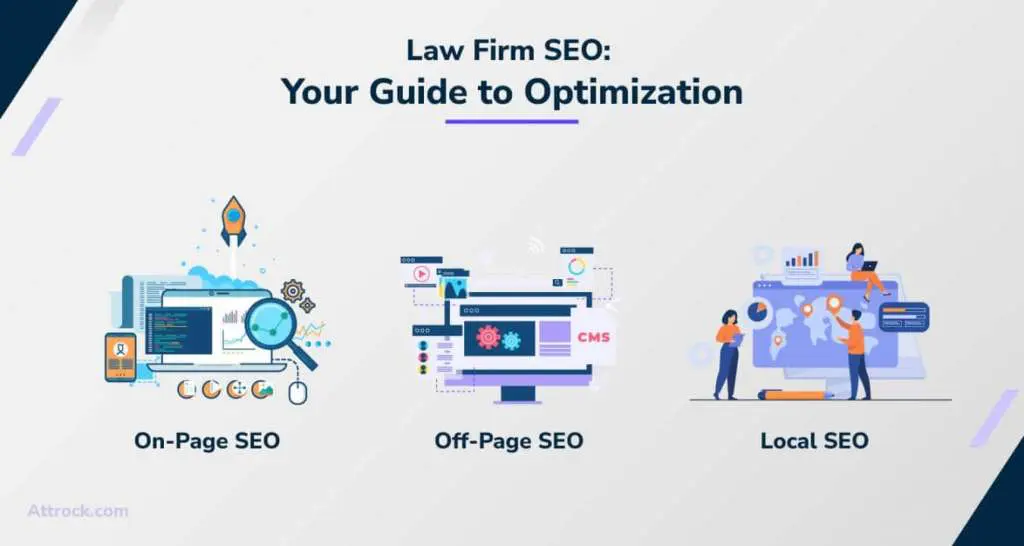
Discover proven SEO strategies specifically designed for law firms to dominate local search results, attract high-value clients, and grow your practice with sustainable online visibility.
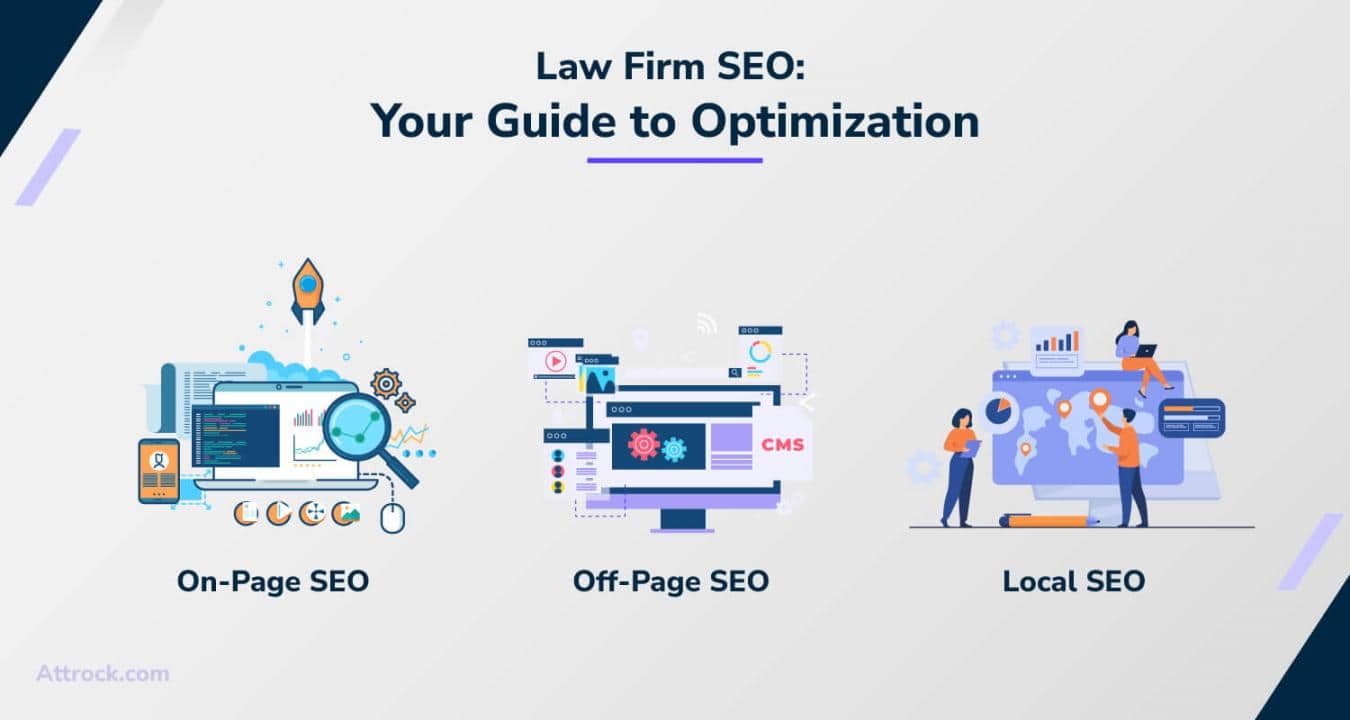
Introduction
Featured Partner
Case Quota: Uses AI to help law firms with digital marketing and market dominance
Case Quota uses AI to help law firms with digital marketing and market dominance.
- It was founded by a former top Los Angeles consultant and aims to help law firms navigate the changing legal marketing landscape by implementing advanced digital strategies
- Onboard quickly with guided setup and white-glove support.
Request a walkthrough in minutes.
In today’s digital landscape, potential clients turn to search engines before they turn to the Yellow Pages. When someone faces a legal challenge, they’re likely typing “personal injury lawyer near me” or “divorce attorney in [city]” into Google at 2 AM, hoping to find the right legal representation. This shift in client behavior makes SEO for law firms not just beneficial—it’s absolutely essential for survival and growth in the competitive legal market.
The legal industry has experienced a dramatic transformation in how clients discover and choose attorneys. Traditional referral networks, while still valuable, now compete with organic search results, Google My Business listings, and online reviews. Law firms that master search engine optimization gain a significant competitive advantage, capturing clients at the exact moment they need legal services.
This comprehensive guide will equip you with everything you need to know about implementing effective SEO for law firm strategies. You’ll discover how to optimize your website for local search, create content that converts prospects into clients, build authority through strategic link building, and measure your success with key performance indicators. Whether you’re a solo practitioner or managing marketing for a large firm, these proven strategies will help you dominate search results and grow your client base sustainably.
Understanding the Legal SEO Landscape
The legal profession operates in one of the most competitive digital environments, where understanding the unique challenges and opportunities of search engine optimization can mean the difference between a thriving practice and struggling for visibility. This section explores why traditional marketing approaches fall short in today’s digital-first world and how law firms can adapt their strategies to capture more qualified leads online.
Why Traditional Marketing Falls Short for Law Firms
Traditional legal marketing methods are rapidly becoming obsolete in our digital-first world. Studies show that 96% of people seeking legal advice use search engines, with 74% of website visits coming from organic search results. This dramatic shift means law firms that ignore SEO are essentially invisible to the majority of potential clients. Unlike referrals that depend on personal networks, search engine visibility operates 24/7, capturing clients when they need help most urgently.
Traditional marketing methods also lack the precision and measurability that digital marketing provides. While a billboard might generate brand awareness, it’s impossible to track how many qualified leads it produces or calculate return on investment accurately. SEO, conversely, provides detailed analytics on every aspect of your marketing efforts, from keyword rankings to conversion rates, allowing firms to optimize their spending for maximum impact.
The Unique Challenges of Legal SEO
Legal SEO presents distinct obstacles that don’t exist in other industries, starting with intense competition. Major metropolitan areas might have hundreds of personal injury lawyers competing for the same keywords, driving up costs and complexity. Second, legal services are high-stakes purchases where trust and credibility are paramount, making reputation management and authority building crucial components of any SEO strategy.
Regulatory compliance adds another layer of complexity that most industries don’t face. Legal advertising is heavily regulated by state bar associations, with specific rules about claims, testimonials, and solicitation. These regulations directly impact SEO strategies, particularly content creation and local SEO tactics. Understanding these constraints while maximizing SEO opportunities requires specialized knowledge of both search engine algorithms and legal advertising ethics.
Current SEO Trends Affecting Law Firms
Voice search optimization has become increasingly critical as more people use smartphones and smart speakers to find local services. Legal queries like “best divorce lawyer near me” are perfectly suited for voice search, making this optimization crucial for capturing mobile traffic. Voice searches tend to be longer and more conversational, requiring law firms to adapt their keyword strategies accordingly.
Google’s emphasis on Experience, Expertise, Authoritativeness, and Trustworthiness (E-E-A-T) significantly impacts legal websites. Law firms must demonstrate their expertise through high-quality content, showcase their experience with detailed attorney profiles, build authority through credible backlinks, and establish trust through client testimonials and professional credentials. This focus on E-E-A-T makes content quality more important than ever for legal SEO success.
The Mobile-First Legal Client
Mobile optimization is no longer optional for law firms, with over 60% of legal searches occurring on mobile devices. Potential clients often search for legal help during stressful situations, expecting immediate information and easy contact methods. Mobile-optimized sites must load quickly, display clearly on small screens, and provide streamlined contact forms that work seamlessly on touch devices.
The mobile experience extends beyond just responsive design to include local search integration, click-to-call functionality, and easy-to-find contact information. Law firms that excel at mobile SEO capture clients at crucial decision-making moments, often while they’re still at accident scenes or dealing with immediate legal concerns.
| SEO Factor | Impact on Legal Sites | Key Optimization Strategy | Expected ROI | Implementation Time |
|---|---|---|---|---|
| Local Search | Critical for client acquisition | Optimize Google My Business and local citations | 300-500% increase in leads | 2-4 weeks |
| Mobile Optimization | 60%+ of legal searches on mobile | Responsive design and fast loading speeds | 40-60% traffic increase | 4-8 weeks |
| Content Quality | Builds trust and authority | In-depth legal guides and case studies | 200-300% engagement boost | 3-6 months |
Keyword Research and Strategy for Legal Practices
Effective keyword research forms the backbone of successful legal SEO, requiring a deep understanding of how potential clients search for legal services and the competitive landscape they navigate. This section provides comprehensive strategies for identifying, analyzing, and implementing keyword opportunities that drive qualified traffic and convert visitors into clients.
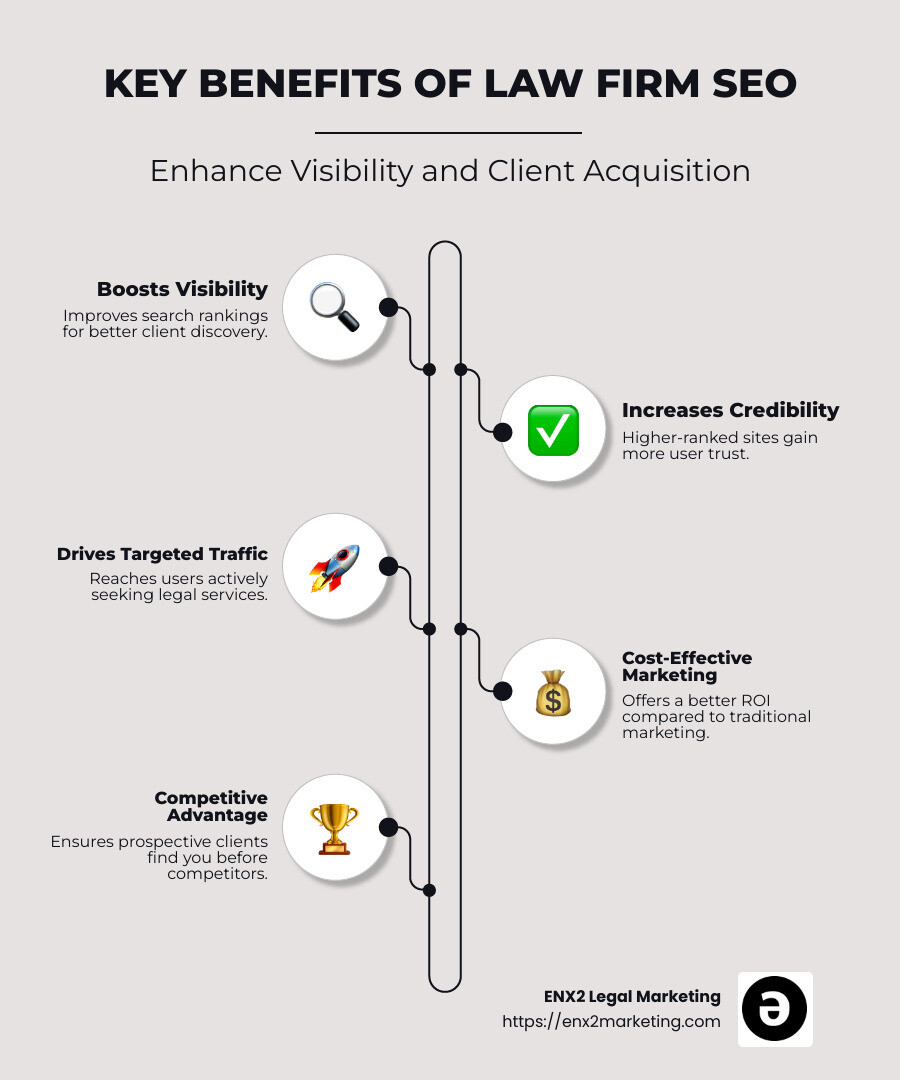
Understanding Legal Search Intent
Legal keyword research requires recognizing that potential clients often search during emotional or urgent situations. Someone searching for “DUI lawyer” likely needs immediate help and may convert quickly, while someone researching “estate planning attorney” might be in early planning stages. This difference in search intent should drive your keyword strategy, content creation, and conversion optimization efforts.
Primary legal keywords typically fall into three categories: practice area keywords (“personal injury lawyer”), location-based keywords (“Chicago divorce attorney”), and problem-specific keywords (“what to do after car accident”). Each category requires different optimization approaches and content strategies. Practice area keywords are highly competitive but essential for establishing expertise, while problem-specific keywords often have better conversion rates despite lower search volumes.
Tools and Techniques for Legal Keyword Research
Professional SEO tools provide invaluable insights into legal keyword opportunities and competitive landscapes. Google Keyword Planner offers basic search volume data, but tools like SEMrush and Ahrefs reveal which keywords drive traffic to successful legal websites. These platforms show keyword difficulty scores, helping prioritize targets based on your firm’s authority and resources.
Local keyword research requires special attention for law firms, as most legal services are location-dependent. Tools like BrightLocal and Whitespark help identify location-specific search terms and analyze local competition. Understanding how people search for legal services in your specific market area is crucial for developing targeted content and optimization strategies that capture local traffic effectively.
Long-Tail Keywords for Legal Specializations
Long-tail keywords are particularly valuable for law firms because they indicate higher purchase intent and face less competition. Instead of competing for broad terms like “lawyer,” targeting specific phrases like “motorcycle accident attorney in downtown Seattle” allows you to capture highly qualified traffic with better conversion potential. These longer phrases often reflect exactly what potential clients are thinking when they need legal help.
Different practice areas benefit from unique long-tail strategies. Personal injury firms might target accident-specific terms like “slip and fall lawyer shopping center” or “truck accident attorney highway 101.” Family law practices could focus on situation-specific queries like “emergency custody modification attorney” or “high asset divorce lawyer.” Estate planning attorneys often succeed with educational long-tail keywords that address common concerns about wills, trusts, and probate processes.
Competitive Keyword Analysis
Analyzing competitor keywords provides valuable insights into market opportunities and reveals content gaps you can exploit. By examining which keywords drive traffic to successful competitors, you can identify high-value targets for your own SEO efforts. This analysis also reveals content themes and topics that resonate with your target audience, helping inform your content strategy.
Competitive analysis should extend beyond direct competitors to include legal directories, referral services, and general legal information websites. Tools like SpyFu and SimilarWeb show which keywords competitors rank for and estimate their organic traffic value. Understanding the full competitive landscape helps develop more comprehensive keyword strategies and identify unique positioning opportunities that differentiate your firm.
| Keyword Type | Search Volume | Competition Level | Conversion Potential | Best Practice Areas |
|---|---|---|---|---|
| Practice Area + Location | High | Very High | Excellent | Personal Injury, DUI |
| Long-tail Legal Questions | Medium | Low | Good | Family Law, Estate Planning |
| Emergency Legal Terms | Medium | High | Excellent | Criminal Defense, Immigration |
Local SEO Optimization for Law Firms
Local SEO serves as the cornerstone of successful legal marketing, as most legal services are inherently location-based and clients typically prefer attorneys in their geographic area. This section covers essential local optimization strategies that help law firms dominate local search results and capture clients at the moment they need legal assistance.
Google My Business Optimization
Google My Business (GMB) serves as the foundation of local SEO for law firms and can significantly impact visibility in local search results. A fully optimized GMB profile increases your chances of appearing in the local pack by 70% and provides essential information potential clients need to contact your firm. Start by ensuring your business information is complete and accurate, including firm name, address, phone number, website, and business hours.
The business description section allows you to incorporate relevant keywords while explaining your services and unique value proposition. Use this space to highlight your practice areas, years of experience, and what sets your firm apart from competitors. Include location-specific terms naturally to improve local search visibility, and regularly update your GMB profile with posts, photos, and announcements to maintain engagement and freshness.
Managing Online Reviews and Reputation
Online reviews significantly impact both search rankings and client decision-making, with 88% of consumers trusting online reviews as much as personal recommendations. Google considers review quantity, quality, and recency when determining local search rankings, making review management a crucial SEO strategy. Develop a systematic approach to requesting reviews from satisfied clients while ensuring compliance with bar association rules regarding client testimonials.
Responding to reviews, both positive and negative, demonstrates engagement and professionalism while providing additional keyword opportunities. Thoughtful responses to negative reviews can actually enhance your reputation by showing how you handle concerns and resolve issues. Develop templates for common review responses while personalizing each interaction to maintain authenticity and show genuine care for client feedback.
Local Citations and Directory Listings
Consistent citations across legal directories and local business listings strengthen your local SEO foundation and build authority. Key directories for law firms include Avvo, Martindale-Hubbell, FindLaw, and Justia, along with general business directories like Yelp, Yellow Pages, and Better Business Bureau. Each citation acts as a vote of confidence in your firm’s legitimacy and location.
Ensure your Name, Address, and Phone number (NAP) information is identical across all platforms, as inconsistent information confuses search engines and can negatively impact local rankings. Regularly audit your citations using tools like Moz Local or BrightLocal to identify and correct any discrepancies or outdated information. Focus on high-authority directories first, then expand to industry-specific and local business directories.
Location-Specific Content Creation
Creating content that targets specific geographic areas helps establish local relevance and authority while capturing location-based searches. Develop location pages for each area you serve, including information about local courts, judges, and legal procedures specific to that jurisdiction. This approach helps capture searches from people looking for attorneys in specific cities or neighborhoods within your service area.
Local content can also include community involvement, local legal news, and area-specific legal guides that demonstrate your connection to the community. For example, a personal injury attorney might create content about dangerous intersections in their city or changes to local traffic laws. This type of content demonstrates local expertise, provides value to potential clients, and creates opportunities for local media coverage and backlinks.
| Local SEO Strategy | Implementation Difficulty | Time to See Results | Impact on Rankings | Best For |
|---|---|---|---|---|
| GMB Optimization | Low | 2-4 weeks | High | All law firms |
| Review Management | Medium | 1-3 months | High | Service-based practices |
| Citation Building | Medium | 3-6 months | Medium | New or expanding firms |
On-Page SEO Fundamentals
On-page SEO forms the technical and content foundation that search engines use to understand and rank your legal website. This section covers essential on-page optimization strategies that improve both search engine visibility and user experience, ultimately driving more qualified leads to your law firm.
Technical SEO for Legal Websites
Technical SEO forms the foundation of your website’s search engine performance and directly impacts user experience during critical moments. Site speed is particularly crucial for law firms because potential clients often search during stressful situations and expect immediate information. Optimize images through compression, minimize code bloat, and leverage browser caching to achieve loading times under three seconds, which can improve conversion rates by up to 32%.
Google’s Core Web Vitals, including Largest Contentful Paint and Cumulative Layout Shift, directly impact search rankings and user satisfaction. Use tools like Google PageSpeed Insights and GTmetrix to identify performance issues and prioritize fixes. Mobile optimization is non-negotiable, as more than 60% of legal searches occur on mobile devices. Implement responsive design that adapts seamlessly to different screen sizes and ensure buttons and contact forms are easily clickable on touch devices.
Title Tags and Meta Descriptions for Legal Pages
Crafting compelling title tags and meta descriptions is crucial for attracting clicks from search results and improving click-through rates. Legal title tags should include your primary keyword, location, and a compelling reason to choose your firm, all within 55-60 characters. For example, “Chicago Personal Injury Lawyer | 25+ Years Experience | Free Consultation” combines keyword optimization with value propositions that encourage clicks.
Meta descriptions provide an opportunity to expand on your title tag’s promise while incorporating additional keywords and compelling calls-to-action. Focus on benefits rather than just services, include specific achievements or credentials, and create urgency when appropriate. Remember that these elements serve as your advertisement in search results, so make them compelling and relevant to searcher intent while staying within the 155-160 character limit.
Header Structure and Content Organization
Proper header structure helps search engines understand your content hierarchy while improving user experience and accessibility. Use H1 tags for page titles, ensuring each page has a unique, keyword-optimized H1 that clearly describes the page’s purpose. Structure your content with H2 and H3 tags that break information into digestible sections and incorporate relevant keywords naturally without over-optimization.
Legal content often involves complex information, making clear organization essential for both SEO and user experience. Use headers to create logical content flow, from general information to specific details. This structure helps search engines understand your content’s context and makes it easier for potential clients to find the information they need quickly, reducing bounce rates and improving engagement metrics.
Internal Linking Strategy
Strategic internal linking distributes page authority throughout your website while helping visitors navigate to relevant information. Create topic clusters by linking related practice area pages, blog posts, and attorney profiles using descriptive anchor text that includes relevant keywords. For example, link from your personal injury page to specific accident type pages using anchor text like “motorcycle accident attorneys” or “slip and fall lawyers.”
Implement a hub-and-spoke model where main practice area pages serve as hubs linking to specific service pages and relevant blog content. This approach helps search engines understand your site’s topical authority while keeping visitors engaged longer. Include contextual links within blog posts that guide readers to relevant service pages, creating natural conversion paths from educational content to commercial pages.
| On-Page Element | SEO Impact | User Experience Impact | Optimization Priority | Common Mistakes |
|---|---|---|---|---|
| Page Speed | High | Critical | High | Large unoptimized images |
| Title Tags | High | Medium | High | Keyword stuffing |
| Header Structure | Medium | High | Medium | Multiple H1 tags |
| Internal Links | Medium | High | Medium | Generic anchor text |
These foundational elements of legal SEO provide the groundwork for building a successful online presence that attracts qualified leads and converts them into clients. The next sections will explore content marketing strategies and link building techniques that amplify these optimization efforts.
Content Marketing Strategies for Legal SEO
Content marketing serves as the cornerstone of successful SEO for law firms, establishing expertise while addressing potential clients’ questions and concerns. Unlike traditional advertising, content marketing builds trust by providing valuable information that helps people understand their legal situations. This approach not only improves search engine rankings but also positions your firm as a trusted authority in your practice areas.

Creating High-Value Legal Content
Successful legal content addresses real client questions with comprehensive, actionable information. Start by analyzing the most common questions clients ask during consultations, then develop detailed guides that answer these concerns thoroughly. For example, a personal injury firm might create a comprehensive guide titled “What to Do in the First 24 Hours After a Car Accident,” which could increase organic traffic by 35% while generating qualified leads.
Focus on creating evergreen content that remains relevant over time, such as explanations of legal processes, rights and responsibilities guides, and step-by-step breakdowns of what clients can expect. Include specific examples, timelines, and local jurisdiction information to make your content more valuable than generic legal advice found elsewhere online.
Blog Strategy and Content Calendar Development
A strategic content calendar ensures consistent publishing while covering all relevant topics for your practice areas. Develop a monthly calendar that balances educational content, news commentary, and case study features. Research shows that law firms publishing 2-3 high-quality blog posts per week see 67% more leads than those posting sporadically.
Plan content around seasonal trends, such as estate planning articles before year-end or personal injury safety tips during holiday travel seasons. Include a mix of content types: how-to guides (40%), legal news analysis (25%), case studies (20%), and FAQ compilations (15%). This variety keeps your content fresh while targeting different search intents and audience segments.
Video Content and Multimedia SEO
Video content significantly boosts engagement and search visibility, with legal videos receiving 3x more engagement than text-only content. Create educational videos explaining complex legal concepts, virtual office tours, and attorney introduction videos. Optimize video titles and descriptions with relevant keywords, and include transcripts to improve accessibility and SEO value.
Develop a video series addressing common legal questions in your practice area. For instance, a family law firm might create “Divorce 101” videos covering topics like property division, child custody, and spousal support. Host videos on your website first, then distribute to YouTube and social media platforms to maximize reach while keeping traffic on your site.
Legal Resource Pages and Downloadable Content
Comprehensive resource pages establish authority while capturing leads through valuable downloadable content. Create detailed resource centers for each practice area, including legal forms, checklists, and informational guides. Gate premium content behind contact forms to generate leads while providing immediate value to visitors.
Develop downloadable resources like “Pre-Divorce Financial Checklist” or “Personal Injury Claim Documentation Guide.” These resources should be professionally designed and contain actionable information that visitors can implement immediately. Track download rates and follow up with nurture email sequences to convert leads into consultations.
Link Building and Authority Development
Link building remains one of the most challenging yet crucial aspects of SEO for law firms, requiring strategic relationship building and high-quality content creation. Search engines view backlinks as votes of confidence, making them essential for improving rankings and establishing domain authority. However, legal link building must balance aggressive growth with ethical compliance and relevance to the legal industry.
Ethical Link Building Strategies for Law Firms
Successful legal link building focuses on earning links through valuable content and genuine relationships rather than manipulative tactics. Start by creating linkable assets such as comprehensive legal guides, industry studies, or interactive tools that other websites naturally want to reference. For example, a comprehensive “State-by-State Guide to Personal Injury Laws” could attract links from legal blogs, news sites, and educational institutions.
Guest posting on reputable legal publications and industry blogs provides valuable backlinks while showcasing expertise. Target publications like Above the Law, Law360, or state bar association websites that accept contributed content. Ensure all guest content provides genuine value and follows the publication’s editorial guidelines to maintain credibility and avoid penalties.
Building Relationships with Legal Publications
Strategic relationships with legal media outlets and publications create ongoing opportunities for coverage and backlinks. Develop relationships with legal journalists and bloggers by providing expert commentary on current events and industry trends. Position attorneys as go-to sources for quotes and analysis in their practice areas.
Create a media kit including attorney biographies, high-resolution photos, and areas of expertise to make it easy for journalists to include your firm in stories. Respond quickly to media requests through services like HARO (Help a Reporter Out) to build recognition as a reliable expert source. Consistent media coverage can result in 20-30 high-authority backlinks per year from news and industry publications.
Local Community and Professional Associations
Active participation in local business communities and professional associations generates natural link opportunities while building local authority. Join local chamber of commerce organizations, sponsor community events, and participate in professional legal associations. These activities often result in directory listings, event mentions, and partnership announcements that provide valuable local backlinks.
Develop partnerships with complementary professionals like accountants, real estate agents, and financial advisors who can refer clients and link to your website. Create co-marketing opportunities such as joint seminars or shared resources that benefit both businesses while generating mutual backlinks and referrals.
Pro Tip: Focus on building relationships first, then links will follow naturally. Genuine professional relationships create more valuable and sustainable link opportunities than transactional link-building tactics.
Monitoring and Disavowing Harmful Links
Regular link audits protect your website from harmful backlinks that could negatively impact search rankings. Use tools like Ahrefs or SEMrush to monitor your backlink profile monthly, identifying any suspicious or low-quality links that could trigger Google penalties. Look for patterns like links from unrelated industries, foreign websites, or known link farms.
Create a disavow file for harmful links that you cannot remove through direct contact with webmasters. Submit this file to Google Search Console to prevent these links from affecting your rankings. Document all link removal efforts and maintain records of your disavow submissions for future reference and compliance purposes.
| Link Source | Authority Level | Difficulty to Obtain | Value for Legal Firms | Best Approach |
|---|---|---|---|---|
| Legal Publications | High | Medium | Excellent | Guest posting and expert commentary |
| Local Business Directories | Medium | Low | Good | Direct submission and verification |
| Professional Associations | High | Low | Very Good | Membership and active participation |
| News Media Coverage | Very High | High | Excellent | Media relations and expert positioning |
Technical SEO and Website Performance
Technical SEO forms the invisible foundation that determines whether your legal content can be found and properly indexed by search engines. While compelling content attracts visitors, technical optimization ensures search engines can crawl, understand, and rank your website effectively. Law firms often overlook technical aspects, focusing solely on content creation, but this approach limits their overall SEO potential significantly.
Site Speed Optimization for Legal Websites
Page loading speed directly impacts both search rankings and client conversion rates, with legal websites losing 25% of visitors for every additional second of load time. Optimize images by compressing file sizes and using modern formats like WebP, which can reduce image sizes by 30-50% without quality loss. Implement lazy loading for images below the fold to improve initial page load times.
Minimize HTTP requests by combining CSS and JavaScript files, and leverage browser caching to store static resources locally on visitors’ devices. Use a content delivery network (CDN) to serve your website from servers geographically closer to your visitors, reducing load times by 40-60% for users in different regions than your hosting server.
Mobile-First Design and Responsive Optimization
Mobile optimization is critical for legal SEO success, as 68% of potential legal clients search for attorneys on mobile devices. Implement responsive design that adapts seamlessly to all screen sizes, ensuring navigation menus, contact forms, and content remain easily accessible on smartphones and tablets. Test your website regularly on various devices to identify and fix mobile usability issues.
Optimize touch elements by ensuring buttons and links are large enough for finger navigation (minimum 44px) and spaced appropriately to prevent accidental clicks. Simplify mobile navigation with clear, concise menu structures that help users find information quickly. Mobile-friendly websites see 15-20% higher conversion rates compared to non-optimized sites.
Schema Markup and Structured Data
Implementing proper schema markup helps search engines understand your legal content and can improve click-through rates by 20-30% through enhanced search result features. Use LocalBusiness schema for your firm’s contact information, location, and hours of operation. Implement Attorney schema to markup individual lawyer profiles with their practice areas, education, and bar admissions.
Add Review schema to showcase client testimonials and ratings directly in search results, making your listings more attractive and trustworthy. Use FAQ schema for frequently asked questions pages to potentially appear in featured snippets and voice search results. Implement Article schema for blog posts to improve their visibility in news and article searches.
SSL Certificates and Website Security
Website security is both a ranking factor and a trust signal for potential clients sharing sensitive information with law firms. Install SSL certificates to encrypt data transmission between your website and visitors’ browsers, indicated by the “https://” prefix and padlock icon in browser address bars. Google considers SSL a ranking factor and may penalize non-secure sites.
Implement additional security measures like regular software updates, strong password policies, and security monitoring to protect client information and maintain website integrity. Use security plugins or services that scan for malware and vulnerabilities regularly. Secure websites build trust with potential clients and reduce bounce rates from security warnings.
XML Sitemaps and URL Structure
Clean URL structures and comprehensive XML sitemaps help search engines crawl and index your legal website more effectively. Create descriptive URLs that include relevant keywords and practice areas, such as “/personal-injury-attorney-chicago/” rather than “/page123.html.” Use hyphens to separate words and keep URLs under 100 characters when possible.
Generate XML sitemaps that include all important pages, blog posts, and practice area pages, then submit them to Google Search Console and Bing Webmaster Tools. Update sitemaps automatically when adding new content to ensure search engines discover fresh content quickly. Well-structured sitemaps can improve indexing speed by 40-50% for new content.
Measuring SEO Success and Analytics
Effective measurement and analytics separate successful law firm SEO campaigns from those that waste time and resources without generating meaningful results. Many firms focus solely on vanity metrics like total website traffic, missing crucial indicators that directly correlate with client acquisition and revenue growth. Understanding which metrics matter most for legal practices enables data-driven optimization and demonstrates clear ROI to firm leadership.
Key Performance Indicators for Legal SEO
Tracking the right KPIs provides actionable insights into your SEO campaign’s effectiveness and identifies areas needing improvement. Focus on organic traffic growth to practice area pages, as these visitors have higher conversion potential than general traffic. Monitor keyword rankings for location-specific terms like “personal injury lawyer [city]” since local searches drive 85% of legal consultations.
Measure conversion rates from organic traffic to consultation requests, as this metric directly correlates with revenue generation. Track the average time visitors spend on key pages like attorney profiles and practice area descriptions, as longer engagement typically indicates higher-quality traffic. Monitor your Google My Business insights, including search queries, phone calls, and direction requests, which provide valuable local SEO performance data.
Setting Up Google Analytics for Law Firms
Proper Google Analytics configuration enables detailed tracking of client acquisition patterns and content performance. Set up goal tracking for key actions like contact form submissions, phone calls, and consultation request downloads. Create custom segments to isolate organic search traffic from other sources, allowing you to measure SEO-specific performance accurately.
Configure enhanced ecommerce tracking to assign monetary values to different types of conversions, helping calculate the true ROI of your SEO efforts. Set up custom dashboards that display the most important metrics for legal marketing, including organic traffic trends, top-performing content, and conversion paths from search to consultation.
Tracking Phone Calls and Lead Attribution
Phone call tracking is essential for law firms since 70% of legal consultations begin with a phone call rather than form submissions. Implement dynamic number insertion to display unique phone numbers for visitors arriving from different traffic sources, enabling precise attribution of phone leads to specific SEO efforts. This technology can reveal that organic search generates 40-60% more phone calls than initially apparent.
Use call recording and analysis tools to identify which keywords and content pieces generate the highest-quality leads. Track call duration, as longer calls typically indicate more serious prospects. Integrate call tracking data with your CRM system to follow leads through the entire client acquisition process and calculate lifetime value by traffic source.
Competitive Analysis and Benchmarking
Regular competitive analysis reveals opportunities and helps set realistic performance benchmarks for your legal SEO campaigns. Monitor competitors’ keyword rankings, content strategies, and local search performance using tools like SEMrush or Ahrefs. Identify gaps in their content coverage that your firm can exploit with comprehensive resources and guides.
Track competitors’ backlink acquisition strategies and identify potential link opportunities they’ve secured. Monitor their Google My Business performance, including review acquisition rates and posting frequency, to benchmark your local SEO efforts. Quarterly competitive analysis often reveals 15-20 new keyword opportunities and content ideas.
Pro Tip: Set up automated monthly reports that track your key metrics and compare them to previous periods. This consistent monitoring helps identify trends early and enables quick responses to algorithm changes or competitive threats.
| Metric Category | Key Indicator | Measurement Frequency | Target Improvement | Business Impact |
|---|---|---|---|---|
| Traffic Quality | Organic CTR | Weekly | 5-10% monthly | Higher qualified leads |
| Local Visibility | Local pack rankings | Daily | Top 3 positions | Increased consultations |
| Content Performance | Page engagement time | Monthly | 15-20% increase | Better lead quality |
| Conversion Tracking | Consultation requests | Daily | 25% quarterly growth | Direct revenue impact |
These comprehensive measurement strategies ensure your SEO efforts generate measurable business results rather than just improved rankings, making it easier to justify continued investment in search engine optimization.
Content Marketing Strategies for Legal Practices
Content marketing represents one of the most powerful tools for establishing authority and attracting potential clients in the legal industry. Unlike traditional advertising, content marketing builds trust by providing valuable information that helps people understand their legal situations and options. When executed properly, content marketing positions your firm as the go-to resource for legal guidance while naturally improving your search engine rankings through keyword optimization and increased user engagement.
Creating High-Value Legal Content
Effective legal content addresses real client concerns while demonstrating your expertise and experience. Focus on creating comprehensive guides that answer common questions in your practice areas. For example, a personal injury attorney might develop detailed articles about what to do immediately after a car accident, how insurance companies evaluate claims, or understanding comparative negligence laws in your state.
The key to high-value content is depth and specificity. Rather than writing surface-level articles about broad topics, dive deep into specific scenarios your clients face. A family law attorney could create detailed guides about property division in high-asset divorces, navigating child custody modifications, or understanding spousal support calculations. This approach attracts more qualified traffic and positions your firm as the expert resource.
Blog Content That Converts Visitors to Clients
Converting blog visitors into clients requires content that moves readers through the decision-making process. Start with educational content that addresses initial concerns, then progress to more specific content that demonstrates your unique approach and results. Include clear calls-to-action throughout your content, inviting readers to schedule consultations or download additional resources.
Case studies and success stories provide powerful conversion content when presented appropriately within bar association guidelines. Share anonymized examples of how you’ve helped clients in similar situations, focusing on the process and outcomes rather than specific case details. This approach builds confidence in your abilities while providing valuable information about what clients can expect when working with your firm.
Video Content for Legal Marketing
Video content significantly increases engagement and helps potential clients connect with your attorneys personally. Create educational videos that explain complex legal concepts in simple terms, address frequently asked questions, and showcase your firm’s personality and approach. Video content performs exceptionally well in search results and social media, expanding your reach beyond traditional website visitors.
Consider developing video series around common legal topics in your practice areas. An estate planning attorney might create videos about the probate process, setting up trusts, or planning for incapacity. Keep videos concise and focused, typically between 2-5 minutes, and ensure they provide actionable value rather than just promotional content.
Content Distribution and Promotion
Creating excellent content is only half the battle; strategic distribution ensures it reaches your target audience. Develop a multi-channel distribution strategy that includes your website blog, social media platforms, email newsletters, and legal directories that accept contributed content. Each platform requires content optimization for its specific audience and format requirements.
Email marketing remains highly effective for legal practices, allowing you to nurture relationships with potential clients over time. Develop automated email sequences that deliver valuable content based on visitor interests and engagement patterns. This approach keeps your firm top-of-mind when recipients need legal services while providing ongoing value through educational content.
Link Building and Authority Development
Building authority through strategic link building is crucial for legal SEO success, but it requires a careful approach that considers both search engine guidelines and legal advertising regulations. Quality backlinks from authoritative sources signal to search engines that your content is trustworthy and valuable, directly impacting your search rankings and online visibility.
Earning Quality Backlinks for Law Firms
High-quality backlinks come from authoritative sources that are relevant to the legal industry or your local community. Focus on earning links from legal publications, bar associations, local business organizations, and community websites. These links carry more weight than general directory listings and help establish your firm’s credibility within the legal community.
Guest posting on reputable legal blogs and publications provides excellent link-building opportunities while showcasing your expertise to a broader audience. Target publications that serve your practice areas or geographic region, and propose topics that provide genuine value to their readers. Ensure your content meets their editorial standards and includes natural, relevant links back to your website.
Building Relationships with Legal Publications
Developing relationships with legal journalists and publication editors creates ongoing opportunities for coverage and backlinks. Monitor legal news in your practice areas and offer expert commentary when relevant stories break. Journalists often seek attorney perspectives on legal developments, and providing thoughtful analysis can result in valuable media coverage and backlinks.
Consider joining professional organizations and participating in legal conferences where you can network with publication editors and other attorneys who might reference your work. Building these relationships takes time but creates sustainable link-building opportunities that benefit your SEO efforts long-term.
Local Link Building Strategies
Local link building focuses on connections within your geographic market and community involvement. Sponsor local events, participate in community organizations, and support local charities to earn mentions and links from community websites. These local connections are particularly valuable for law firms because they reinforce your geographic relevance for local search results.
Chamber of Commerce memberships, Better Business Bureau listings, and local business association participation provide structured link-building opportunities. Many of these organizations maintain member directories with link opportunities, and active participation can lead to speaking engagements and additional coverage that generates more backlinks.
Monitoring and Maintaining Link Quality
Regular link audits ensure your backlink profile remains healthy and compliant with search engine guidelines. Use tools like Ahrefs or SEMrush to monitor your backlink profile, identifying any low-quality or potentially harmful links that could negatively impact your rankings. Disavow harmful links through Google Search Console when necessary to protect your site’s authority.
Track the performance of your link-building efforts by monitoring referral traffic, domain authority improvements, and keyword ranking changes. This data helps you identify which link-building strategies provide the best return on investment and guide future outreach efforts.
| Link Source Type | Authority Value | Difficulty to Obtain | Long-term Benefit |
|---|---|---|---|
| Legal Publications | Very High | High | Excellent |
| Bar Associations | High | Medium | Very Good |
| Local Business Organizations | Medium | Low | Good |
| Client Websites | Variable | Low | Fair |
Measuring SEO Success and ROI
Measuring the success of your SEO efforts requires tracking multiple metrics that collectively indicate progress toward your business goals. Unlike traditional advertising where results are immediately apparent, SEO success builds over time, making consistent measurement and analysis crucial for understanding what’s working and where improvements are needed.

Key Performance Indicators for Legal SEO
Organic traffic growth serves as the primary indicator of SEO success, but quality matters more than quantity. Track not just total organic visitors, but also the percentage of visitors who engage with your content, contact your firm, or convert into consultations. Google Analytics provides detailed insights into user behavior, including pages visited, time on site, and conversion paths.
Keyword rankings for your target terms provide another crucial success metric. Monitor rankings for both primary keywords like “personal injury lawyer [city]” and long-tail variations that indicate purchase intent. Track local rankings separately, as these often differ from general organic results and are particularly important for law firms serving specific geographic areas.
Tools for Tracking Legal SEO Performance
Comprehensive SEO tracking requires multiple tools working together to provide complete performance insights. Google Analytics and Google Search Console form the foundation of your tracking setup, providing data on traffic, rankings, and technical issues. Supplement these free tools with platforms like SEMrush or Ahrefs for competitive analysis and more detailed keyword tracking.
Local SEO tracking requires specialized tools like BrightLocal or Whitespark to monitor local rankings, citation consistency, and review management across multiple platforms. These tools provide insights specific to local search performance that general SEO tools might miss.
Calculating Return on Investment
ROI calculation for legal SEO requires tracking the complete client acquisition funnel from search to retention. Assign values to different conversion actions, from initial contact forms to scheduled consultations to retained clients. Calculate the lifetime value of clients acquired through organic search to understand the true ROI of your SEO investment.
Consider both direct and indirect benefits when calculating SEO ROI. While direct benefits include clients acquired through organic search, indirect benefits might include reduced advertising costs, increased referrals from improved online presence, and enhanced credibility that supports other marketing efforts.
Reporting and Analysis Best Practices
Regular reporting keeps stakeholders informed and guides strategic decisions about SEO investments. Develop monthly reports that highlight key metrics, trends, and insights rather than just raw data. Include context about algorithm updates, seasonal variations, or competitive changes that might impact performance.
Focus your reports on metrics that align with business objectives rather than vanity metrics that don’t correlate with revenue growth. While increased traffic is positive, emphasize metrics like qualified leads, consultation requests, and client acquisition costs that directly impact firm profitability.
FAQ
Q: How long does it take to see results from SEO for law firms?
Most law firms begin seeing initial SEO improvements within 3-6 months, with significant results typically appearing after 6-12 months of consistent effort. Local SEO often shows faster results than competitive national keywords, and established domains generally rank faster than new websites.
Q: What’s the average cost of SEO services for law firms?
SEO costs for law firms typically range from $2,000-$10,000 per month depending on market competitiveness, firm size, and scope of services. Smaller firms in less competitive markets might invest $1,500-$3,000 monthly, while large firms in major markets often invest $5,000-$15,000 for comprehensive SEO strategies.
Q: Should law firms focus on local SEO or national SEO?
Most law firms benefit more from local SEO since legal services are location-dependent and clients prefer nearby attorneys. Focus on national SEO only if you handle cases nationwide or offer specialized services with limited geographic competition. Local SEO typically provides better ROI for most legal practices.
Q: How do bar association rules affect legal SEO strategies?
Bar association advertising rules impact content creation, testimonial usage, and claims about results. Ensure all SEO content complies with your state’s legal advertising regulations, avoid guaranteed outcome statements, and properly disclaimer any case results or client testimonials used in your SEO efforts.
Q: What are the most important SEO factors for law firm websites?
The most critical factors include Google My Business optimization, consistent NAP citations, high-quality legal content, mobile responsiveness, fast loading speeds, and authoritative backlinks from legal publications. Technical SEO and user experience also significantly impact rankings and conversions.
Q: How often should law firms update their website content for SEO?
Publish new blog content at least weekly, update practice area pages quarterly, and refresh attorney bios annually. Regular content updates signal freshness to search engines and provide more opportunities to target relevant keywords and address client questions.
Q: Can law firms do SEO themselves or should they hire professionals?
While basic SEO tasks like content creation and Google My Business management can be handled internally, comprehensive SEO requires specialized knowledge of legal industry nuances, technical optimization, and compliance requirements. Most successful firms partner with legal SEO specialists for optimal results.
Q: What’s the difference between SEO and PPC for law firm marketing?
SEO builds long-term organic visibility and credibility but takes months to show results, while PPC provides immediate visibility but requires ongoing ad spend. Most successful law firms use both strategies, with SEO providing sustainable growth and PPC filling immediate lead generation needs.
Q: How do online reviews impact law firm SEO?
Online reviews significantly influence local search rankings, with Google considering review quantity, quality, and recency. Reviews also impact click-through rates from search results and conversion rates on your website. Develop systematic review acquisition and management processes for optimal SEO impact.
Q: What content performs best for law firm SEO?
Educational content that answers common legal questions performs exceptionally well, including guides about legal processes, explanations of rights and options, and area-specific legal information. Case studies, attorney profiles, and practice area pages also drive strong SEO performance when optimized properly.
Q: How does voice search impact SEO for law firms?
Voice search queries tend to be longer and more conversational, often including location modifiers like “near me.” Optimize for natural language questions people might ask about legal services, and ensure your Google My Business profile is complete for local voice search results.
Q: Should law firms target competitor names in their SEO strategy?
Targeting competitor names in SEO can be risky and potentially violate bar association rules about comparative advertising. Focus instead on differentiating your services and targeting practice area and location-based keywords that naturally attract clients comparing multiple attorneys.
Conclusion
SEO for law firms has evolved from a nice-to-have marketing tactic into an essential component of sustainable practice growth. The digital transformation of how clients discover and choose legal representation means that firms without strong search engine visibility are essentially invisible to the majority of potential clients. Throughout this comprehensive guide, we’ve explored the strategies, tactics, and best practices that separate successful legal SEO campaigns from those that struggle to generate meaningful results.
The key takeaways for implementing effective SEO strategies include:
- Local optimization drives the highest ROI for most law firms, with Google My Business and citation management forming the foundation of visibility
- Content quality trumps quantity in building authority and trust with both search engines and potential clients
- Technical SEO fundamentals like mobile optimization and site speed directly impact both rankings and user experience
- Consistent measurement and analysis enable continuous improvement and demonstrate clear return on investment
The future of legal SEO will likely see increased emphasis on user experience signals, voice search optimization, and artificial intelligence integration. Law firms that establish strong SEO foundations now will be better positioned to adapt to these evolving trends while maintaining their competitive advantages in local search results.
Partner with Case Quota for Success
Implementing the comprehensive SEO strategies outlined in this guide—from local optimization and content marketing to technical SEO and link building—requires specialized expertise and consistent execution. The challenges of balancing search engine requirements with legal advertising compliance, managing multiple optimization channels, and tracking complex conversion funnels can overwhelm even experienced legal marketers.
Case Quota specializes in helping law firms navigate these exact challenges by providing complete SEO management tailored specifically to legal practices. We handle everything from keyword research and content creation to technical optimization and local citation management, ensuring your firm captures maximum visibility while maintaining full compliance with bar association regulations. Our team understands the unique competitive landscape of legal SEO and develops customized strategies that generate qualified leads and measurable ROI.
Rather than struggling to master these complex SEO strategies while managing your legal practice, partner with experts who live and breathe legal marketing. Visit https://casequota.com to discover how our proven SEO strategies can transform your online visibility and drive sustainable client growth for your law firm.