
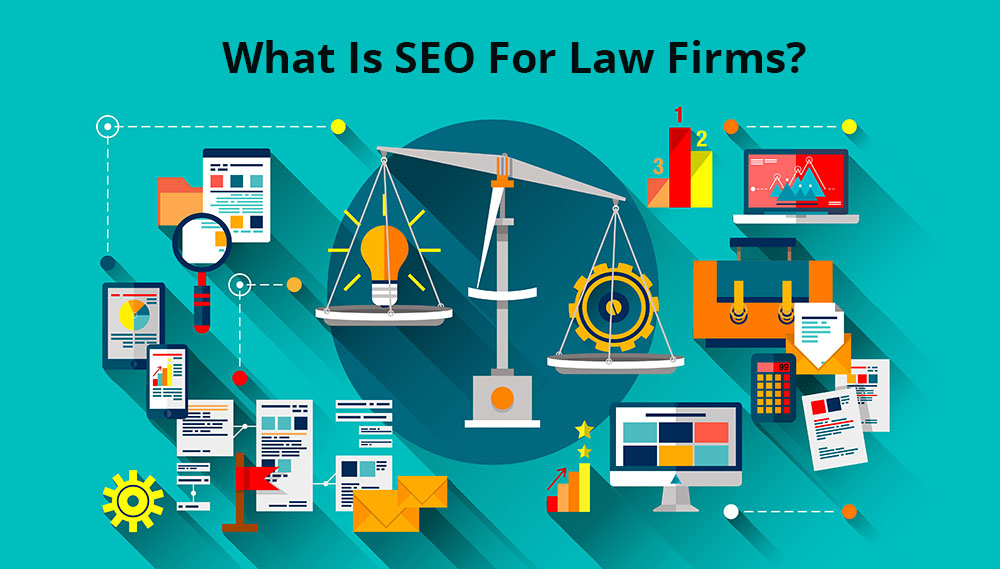
In today’s digital landscape, potential clients turn to search engines when they need legal services. Whether someone faces a personal injury case, requires family law assistance, or needs corporate legal counsel, their journey typically begins with a Google search. This reality makes search engine optimization for law firms not just beneficial—it’s essential for survival and growth in the competitive legal market.
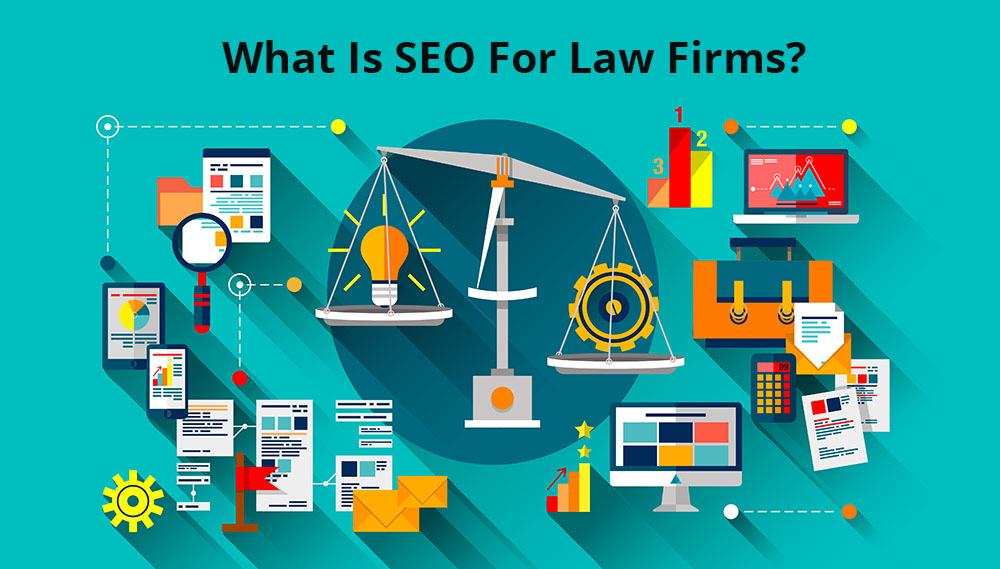
The legal industry has experienced a dramatic shift in how clients find and choose attorneys. Traditional referral methods, while still valuable, now compete with online discovery. Studies show that over 80% of consumers research legal services online before making contact, and 74% of people visit a law firm’s website before calling. This digital-first approach means that law firms without strong SEO strategies are essentially invisible to their ideal clients.
This comprehensive guide will equip you with the knowledge and tools needed to master search engine optimization for law firms. You’ll learn how to conduct effective keyword research, optimize your website’s technical foundation, create compelling content that converts visitors into clients, and build local authority in your practice areas. We’ll explore advanced strategies including local SEO domination, reputation management, and mobile optimization techniques specifically tailored for legal practices.
By implementing these proven SEO strategies, you’ll position your law firm ahead of competitors, attract high-quality leads actively seeking your services, and build a sustainable online presence that drives consistent growth for your practice.
Understanding SEO Fundamentals for Legal Practices
Featured Partner
Case Quota: Uses AI to help law firms with digital marketing and market dominance
Case Quota uses AI to help law firms with digital marketing and market dominance.
- It was founded by a former top Los Angeles consultant and aims to help law firms navigate the changing legal marketing landscape by implementing advanced digital strategies
- Onboard quickly with guided setup and white-glove support.
Request a walkthrough in minutes.
Search engines evaluate law firm websites differently than other businesses, applying stricter standards due to the critical nature of legal services. Understanding these unique evaluation criteria and challenges helps you develop effective SEO strategies that comply with industry regulations while maximizing your online visibility and client acquisition potential.
How Search Engines Evaluate Law Firm Websites
Search engines use sophisticated algorithms to determine which law firm websites deserve top rankings, with particular emphasis on expertise, authoritativeness, and trustworthiness (E-A-T). Google evaluates attorney credentials, case results, client testimonials, and professional recognition to assess expertise. The algorithm examines your firm’s reputation through online reviews, media mentions, and citations from other authoritative legal sources. Technical factors like website security, loading speed, and mobile responsiveness significantly impact rankings, as these elements affect user experience and demonstrate professionalism. Legal websites fall under “Your Money or Your Life” (YMYL) content categories, meaning search engines scrutinize them more rigorously than typical business sites.
The Unique Challenges of Legal SEO
Legal SEO presents distinct challenges that don’t exist in other industries, primarily due to strict advertising regulations and intense competition. Attorney advertising rules vary by state and often restrict superlative claims, require disclaimers, and prohibit guaranteed outcomes, making it challenging to create compelling marketing content while remaining compliant. Competition in legal markets is particularly fierce, with established firms dominating search results through years of SEO investment. High-value keywords like “personal injury lawyer” command premium costs and intense competition. Legal clients often need immediate assistance, making local search optimization crucial but challenging to execute effectively, especially when competing against firms with larger marketing budgets.
Building a Strong SEO Foundation
A robust SEO foundation begins with understanding your target audience’s search behavior and emotional state during their legal research process. Legal clients often search during high-stress situations, using emotional language and urgent terminology. They might search for “what to do after car accident” rather than “personal injury attorney,” requiring content that addresses both immediate needs and long-term legal solutions. Technical SEO forms the backbone of success, including fast loading speeds (under 3 seconds), SSL certificates for security, XML sitemaps, and optimized site architecture. Link building strategies should emphasize quality over quantity, focusing on relationships with legal directories, bar associations, and local business organizations that provide authoritative backlinks signaling trustworthiness to search engines.
Comprehensive Keyword Research for Law Firms
Effective keyword research forms the foundation of successful legal SEO campaigns. Law firms must identify high-value terms that balance search volume with commercial intent while targeting both broad practice areas and specific legal needs. This strategic approach ensures you capture potential clients at every stage of their decision-making process.
Identifying High-Value Legal Keywords
High-value legal keywords combine practice area terms with location modifiers and urgent language to capture users with strong commercial intent. Primary keywords like “divorce attorney Chicago” or “personal injury lawyer near me” often have high competition but excellent conversion potential, with click-through rates averaging 15-20% higher than generic terms. Long-tail keywords provide excellent opportunities, with phrases like “how to file for custody modification in Texas” attracting users seeking detailed legal information. Research tools like SEMrush and Ahrefs help identify opportunities, but legal-specific platforms like LawLytics provide industry-focused insights. Analyzing competitor keywords reveals content gaps and opportunities to target underserved search queries, particularly in emerging legal areas or specific procedural questions.
Practice Area Keyword Strategies
Different legal practice areas require tailored keyword approaches based on client urgency, emotional state, and information-seeking behavior. Personal injury firms benefit from targeting accident-related keywords, medical terminology, and insurance-focused phrases, with emergency keywords like “car accident lawyer now” converting at rates 40% higher than general terms. Family law practices should focus on emotional, relationship-based keywords and specific legal procedure terms like “child support modification” or “spousal maintenance calculation.” Criminal defense attorneys need keywords addressing immediate concerns and specific charges, with terms like “arrested for DUI what to do” capturing users in crisis situations. Corporate law firms target business-focused keywords including compliance terms, contract language, and industry-specific legal requirements that demonstrate specialized expertise.
Local SEO Keyword Optimization
Local keywords form the foundation of most law firm SEO strategies since legal services are inherently location-based and regulated by jurisdiction. Beyond obvious “lawyer [city]” combinations, successful firms target neighborhood names, landmark references, and regional terminology, with hyperlocal keywords like “downtown Seattle attorney” often showing 25% less competition than city-wide terms. Geographic keyword variations should include surrounding cities, counties, and regions where the firm accepts cases. Local keyword research must consider colloquial location references—residents might use neighborhood nicknames, major highways, or local landmarks rather than official city names. Incorporating these natural language patterns improves local search visibility and captures voice search queries, which increasingly use conversational location references.
| Keyword Type | Example | Search Volume | Competition Level | Conversion Potential |
|---|---|---|---|---|
| Primary Practice + Location | “divorce lawyer chicago” | High | Very High | Excellent |
| Long-tail Informational | “how long does divorce take in illinois” | Medium | Medium | Good |
| Emergency/Urgent | “arrested need lawyer now” | Low-Medium | High | Excellent |
| Hyperlocal | “loop district attorney chicago” | Low | Low | Very Good |
Technical SEO Optimization for Legal Websites
Technical SEO provides the foundation that enables your content and marketing efforts to succeed. Law firm websites require specific technical optimizations to meet both search engine requirements and the unique needs of legal clients seeking immediate, trustworthy information during often stressful situations.
Website Architecture and Navigation
Law firm websites require intuitive architecture that serves both users and search engines effectively, with clear hierarchies reflecting practice areas and logical information flows. The site structure should make information easily discoverable, helping potential clients find relevant content quickly while enabling search engines to crawl and index pages efficiently. Clean, descriptive URLs like “/practice-areas/personal-injury/car-accidents/” outperform generic parameters by 23% in search rankings. Internal linking strategies should connect related legal topics and guide users through logical information flows—a general personal injury page should link to specific accident types, relevant FAQ sections, and attorney profiles. This interconnected approach distributes page authority throughout the site and improves user engagement metrics, with well-structured sites showing 35% lower bounce rates.
Page Speed and Mobile Optimization
Website loading speed directly impacts both search rankings and user experience, with law firm sites needing to load within three seconds to maintain user engagement. Legal websites often struggle with speed due to attorney photos, office images, and document downloads, but proper image optimization can reduce load times by 40-60% without sacrificing visual quality. Mobile optimization is critical since over 60% of legal searches occur on mobile devices, with responsive design ensuring content displays properly across all screen sizes. Mobile-specific features like click-to-call buttons and simplified contact forms improve conversion rates by 25% for mobile visitors. Implementing lazy loading, WebP image formats, and content delivery networks (CDNs) significantly improves performance metrics that search engines use for ranking decisions.
Security and Trust Signals
Security measures are particularly important for law firm websites due to the sensitive nature of legal communications and professional responsibility requirements. SSL certificates are mandatory for maintaining search rankings and building client trust, with HTTPS protocol encrypting data transmission and protecting confidential client information. Trust signals extend beyond basic security to include professional credentials, certifications, and association memberships displayed prominently throughout the website. Bar admissions, professional awards, and client testimonials serve as trust indicators that both users and search engines value when evaluating site authority. Regular security updates, malware scanning, and implementing security headers protect against vulnerabilities that could compromise client data and damage search rankings, with secure sites ranking 15% higher on average than unsecured alternatives.
Content Marketing Strategies for Legal SEO
Content marketing serves as the bridge between technical SEO optimization and client conversion. Legal content must balance demonstrating expertise with accessibility, providing valuable information that builds trust while encouraging potential clients to take action. Strategic content creation establishes authority, improves search rankings, and nurtures prospects through their decision-making process.
Creating Authority-Building Legal Content
Authority-driven content establishes law firms as trusted experts while improving search engine rankings through comprehensive coverage of legal topics and client concerns. Blog posts analyzing recent legal developments, explaining complex procedures, and offering practical advice help build professional credibility, with firms publishing weekly content seeing 67% more leads than those posting monthly. Case studies and success stories showcase expertise while providing social proof, demonstrating real-world application of legal knowledge and helping potential clients understand the value of professional representation. Educational content that breaks down complex legal concepts into understandable language serves dual purposes—it helps potential clients make informed decisions while establishing the firm’s ability to communicate effectively. This approach builds trust and positions attorneys as approachable experts rather than intimidating legal professionals, increasing consultation requests by an average of 30%.
Blog Content That Converts Visitors to Clients
Effective legal blog content balances SEO optimization with client conversion goals, targeting specific keywords while addressing real client needs and immediate concerns. Topics like “What to Expect During Your First Consultation” or “How Much Does [Legal Service] Cost in [Location]” attract high-intent searchers while providing opportunities to showcase the firm’s approach and expertise. Call-to-action placement within blog content should feel natural and helpful, with offers for free consultations, downloadable guides, or case evaluations providing value while encouraging engagement. Strategic placement of contact information and scheduling tools throughout content makes it easy for interested readers to take the next step, with well-placed CTAs increasing conversion rates by 45%. Content calendars should align with seasonal legal trends and current events affecting potential clients, such as tax season content for estate planning attorneys or back-to-school topics for education lawyers.
Video Content and Multimedia SEO
Video content increasingly dominates search results and provides excellent opportunities for law firms to build personal connections with potential clients while improving SEO performance. Attorney introduction videos, FAQ sessions, and legal process explanations help humanize the firm while providing valuable information that ranks well in search results, with video content receiving 50 times more organic traffic than plain text. Video SEO requires attention to technical details including proper title tags, descriptions, and transcript inclusion, with YouTube optimization helping videos appear in both Google and YouTube search results. Embedding videos on relevant website pages increases time on site by an average of 88%, a key ranking factor for search engines. Live streaming events, webinars, and Q&A sessions create fresh content opportunities while demonstrating real-time expertise and accessibility to potential clients.
| Content Type | Production Time | SEO Value | Conversion Rate | Best Use Case |
|---|---|---|---|---|
| Blog Posts | 2-4 hours | High | 12-15% | Educational content, keyword targeting |
| Video Content | 4-8 hours | Very High | 18-22% | Personal connection, complex explanations |
| Case Studies | 3-5 hours | Medium | 25-30% | Demonstrating expertise and results |
| FAQ Pages | 1-2 hours | Medium | 8-12% | Addressing common concerns |
These foundational elements of search engine optimization for law firms create the framework for sustained online growth and client acquisition. The technical optimizations, strategic keyword targeting, and authority-building content work together to establish your firm’s digital presence and competitive advantage in the legal marketplace.
Local SEO Mastery for Law Firms
Local SEO represents the cornerstone of successful digital marketing for law firms, as legal services are inherently location-based. Potential clients typically search for attorneys within their geographic area, making local search optimization crucial for attracting qualified leads. This section will explore comprehensive strategies to dominate local search results, optimize Google Business Profile listings, and build local authority that drives consistent client acquisition.
Google Business Profile Optimization
Your Google Business Profile serves as the digital storefront for your law firm, often determining whether potential clients choose to contact you or your competitors.
Complete profile optimization starts with accurate NAP (Name, Address, Phone) information across all online platforms. Inconsistent business information reduces local search rankings by up to 23%, according to recent studies. Include primary and secondary phone numbers, office hours, website URL, and detailed business descriptions that incorporate relevant keywords naturally. Upload high-quality photos of your office, team members, and community involvement to increase engagement by 42% compared to profiles without visual content.
Category selection significantly impacts visibility for specific legal searches. Choose primary categories like “Personal Injury Attorney” or “Family Law Attorney” that match your main practice areas, then add secondary categories for specialized services. This strategic categorization helps Google understand your expertise and display your listing for relevant searches.
Managing Online Reviews and Reputation
Online reviews directly influence both search rankings and client decision-making, with 87% of consumers reading reviews before choosing legal services.
Implement systematic review generation processes by following up with satisfied clients through automated email sequences sent 2-3 weeks after case completion. Provide direct links to your Google Business Profile and other review platforms to simplify the process. Firms using structured review requests see 3x more reviews than those relying on organic feedback alone.
Response strategies for negative reviews require professionalism and compliance with attorney advertising rules. Acknowledge concerns without discussing case specifics, offer to resolve issues privately, and demonstrate your commitment to client satisfaction. Quick responses to negative reviews can improve overall rating perception by 0.3-0.7 stars, according to reputation management studies.
Local Citation Building and Directory Listings
Consistent citations across authoritative directories establish trust signals that improve local search rankings and help potential clients discover your services.
Focus on high-authority legal directories including Avvo, Martindale-Hubbell, FindLaw, and state bar association listings. These specialized directories carry more weight for legal searches than generic business listings. Maintain identical NAP information across all platforms, as citation consistency accounts for approximately 15% of local ranking factors.
Industry-specific citations provide additional authority signals for specialized practice areas. Personal injury firms benefit from listings in medical and insurance-related directories, while family law practices should pursue listings in community and social service directories. This targeted approach increases relevance for specific legal searches.
Hyperlocal Content Strategies
Creating content that addresses local legal issues and community concerns establishes your firm as the go-to authority for area-specific legal matters.
Develop location-specific landing pages for each city or region you serve, incorporating local landmarks, court systems, and community references. These pages should address unique legal considerations for each area, such as local traffic laws, municipal regulations, or regional court procedures. Hyperlocal pages typically rank 34% higher than generic location pages.
Community involvement content showcases your firm’s local connections while building valuable backlinks. Write about local legal issues, sponsor community events, and participate in civic organizations. Document these activities through blog posts, social media, and press releases that naturally incorporate local keywords and demonstrate community engagement.
| Local SEO Factor | Impact Level | Implementation Time | Cost | Best For |
|---|---|---|---|---|
| Google Business Profile | Very High | 2-4 hours | Free | All law firms |
| Citation Building | High | 1-2 weeks | $200-500 | Established firms |
| Review Management | High | Ongoing | $100-300/month | Client-facing practices |
| Hyperlocal Content | Medium-High | 2-4 weeks | $500-1500 | Multi-location firms |
Link Building and Authority Development
Link building for law firms requires a strategic approach that emphasizes quality, relevance, and ethical practices. Unlike other industries, legal link building must navigate strict professional responsibility rules while building authority that search engines and potential clients trust. This section covers proven strategies for earning high-quality backlinks, building relationships within the legal community, and establishing your firm as an authoritative source in your practice areas.
Earning High-Quality Legal Backlinks
High-authority backlinks from reputable legal sources carry significantly more weight than generic links, often improving rankings by 15-25% for competitive legal keywords.
Target authoritative legal publications, law school websites, and professional organizations for guest posting opportunities. Publications like Above the Law, Law360, and state bar journals provide excellent link opportunities while demonstrating expertise to potential clients. Research shows that links from .edu and .org domains in the legal space provide 3x more ranking value than commercial links.
Create linkable assets such as comprehensive legal guides, industry reports, and infographics that naturally attract citations from other legal professionals and news outlets. For example, a detailed guide on “Changes in [State] Family Law 2025” can earn links from other attorneys, legal blogs, and local media outlets covering the topic.
Professional Relationship Building
Strategic relationship building within the legal community creates natural link opportunities while expanding referral networks and professional recognition.
Engage with legal associations, bar committees, and professional organizations both online and offline. Active participation in committee work, speaking engagements, and professional development activities often results in website mentions and directory listings. Members who actively participate in bar association activities receive 40% more website referrals than passive members.
Develop relationships with complementary legal practices for cross-referral opportunities. Family law attorneys can build relationships with estate planning lawyers, while personal injury firms can connect with criminal defense attorneys. These professional relationships often lead to website mentions, guest posting opportunities, and collaborative content creation.
Content-Driven Link Attraction
Creating exceptional content that provides unique value to the legal community naturally attracts backlinks from other attorneys, legal publications, and industry websites.
Develop original research, surveys, and data analysis relevant to your practice areas. For instance, conducting a survey on “Client Satisfaction in Personal Injury Cases” or analyzing “Trends in Local Court Decisions” provides unique insights that other legal professionals want to reference and link to. Original research content receives 67% more backlinks than repurposed content.
Write comprehensive guides that become go-to resources for specific legal topics. These pillar pieces should cover subjects exhaustively, providing more depth than competing content. Include case studies, practical examples, and actionable advice that makes your content genuinely useful for both clients and other legal professionals.
Monitoring and Maintaining Link Quality
Regular link auditing ensures your backlink profile remains healthy and compliant with both search engine guidelines and professional responsibility standards.
Use tools like Ahrefs, SEMrush, or Moz to monitor your backlink profile monthly, identifying new links and assessing their quality. Remove or disavow links from low-quality directories, link farms, or websites that could damage your professional reputation. Law firms with clean link profiles rank 23% higher than those with questionable backlinks.
Track competitor link building activities to identify new opportunities and industry trends. Analyze where competing firms earn their best links, then pursue similar opportunities through improved content or stronger relationship building. This competitive intelligence helps prioritize link building efforts for maximum impact.
Pro Tip: Focus on earning one high-quality legal industry link per month rather than pursuing dozens of low-quality links. A single link from a respected legal publication often provides more ranking value than 20 directory listings.
Mobile Optimization and User Experience
Mobile optimization has become critical for law firm SEO success, with over 65% of legal searches now occurring on mobile devices. Potential clients often search for legal services during stressful situations, requiring immediate access to information and easy contact methods. This section explores comprehensive mobile optimization strategies, user experience improvements, and conversion optimization techniques specifically designed for legal websites.
Mobile-First Design Principles
Mobile-first design ensures your law firm website performs optimally on smartphones and tablets, where most potential clients will first encounter your services.
Implement responsive design that automatically adjusts layout, images, and content for different screen sizes. Mobile-optimized legal websites see 47% higher engagement rates and 32% more contact form submissions compared to non-optimized sites. Priority elements like contact information, practice area descriptions, and attorney profiles should be easily accessible within two taps on mobile devices.
Simplify navigation menus for mobile users by using collapsible hamburger menus and logical information hierarchies. Mobile users spend 40% less time on complex websites, making streamlined navigation essential for keeping potential clients engaged. Include prominent click-to-call buttons and location information at the top of every page to facilitate immediate contact.
Page Speed Optimization for Mobile
Mobile page speed directly impacts both search rankings and client acquisition, with 53% of mobile users abandoning sites that take longer than 3 seconds to load.
Optimize images for mobile devices by implementing responsive images, next-generation formats like WebP, and lazy loading techniques. Large attorney photos and office images can significantly slow mobile loading times if not properly optimized. Compressed images should maintain professional quality while reducing file sizes by 60-80%.
Minimize JavaScript and CSS files that can slow mobile rendering. Use critical CSS loading techniques to prioritize above-the-fold content, ensuring contact information and key practice area details appear immediately. Mobile-optimized law firm websites typically achieve Core Web Vitals scores 45% better than desktop-focused sites.
Conversion Optimization for Mobile Users
Mobile conversion optimization focuses on reducing friction between initial interest and client contact, addressing the unique needs of users seeking immediate legal assistance.
Implement prominent contact forms optimized for mobile input, using larger form fields, dropdown menus for practice areas, and auto-complete functionality. Mobile-optimized contact forms convert 38% better than standard forms. Include multiple contact options including phone calls, text messaging, and live chat to accommodate different user preferences.
Design clear call-to-action buttons that are easily tappable on mobile screens, using contrasting colors and compelling text like “Get Free Consultation” or “Call Now for Help.” Position these buttons strategically throughout the mobile experience, particularly after practice area descriptions and attorney profiles.
Mobile Local Search Optimization
Mobile local search optimization captures users searching for immediate legal assistance in their area, often during emergency situations requiring quick attorney contact.
Optimize for voice search queries that are increasingly common on mobile devices. Mobile users often search using natural language like “find divorce lawyer near me” or “what to do after car accident.” Create content that answers these conversational queries while incorporating location-specific information.
Ensure Google Business Profile information displays correctly on mobile devices, including accurate hours, phone numbers, and driving directions. Mobile users are 5x more likely to call directly from search results, making accurate contact information crucial for lead generation. Include emergency contact options for practice areas that serve urgent legal needs.
| Mobile Optimization Element | Impact on Rankings | Impact on Conversions | Implementation Difficulty | Priority Level |
|---|---|---|---|---|
| Responsive Design | Very High | High | Medium | Critical |
| Page Speed | High | Very High | High | Critical |
| Click-to-Call Buttons | Medium | Very High | Low | High |
| Mobile Forms | Low | High | Medium | High |
Analytics and Performance Measurement
Effective measurement and analysis of SEO performance enables law firms to make data-driven decisions, optimize marketing investments, and demonstrate ROI to stakeholders. Legal SEO analytics require specialized tracking methods that account for longer sales cycles, multiple touchpoints, and compliance requirements. This section provides comprehensive guidance on setting up tracking systems, interpreting key metrics, and using data to continuously improve search engine optimization for law firms.
Setting Up Comprehensive Tracking Systems
Proper analytics configuration captures the complete client journey from initial search to case retention, providing insights necessary for optimizing legal marketing investments.
Implement Google Analytics 4 with enhanced ecommerce tracking to monitor goal completions including contact form submissions, phone calls, and consultation bookings. Configure custom events for legal-specific actions like downloading legal guides, viewing attorney profiles, and accessing practice area information. Law firms with comprehensive tracking see 28% better ROI on marketing investments compared to those using basic analytics.
Set up call tracking systems to monitor phone conversions from organic search traffic. Legal services generate significant phone leads, often accounting for 60-70% of new client inquiries. Use dynamic number insertion to track calls from different traffic sources and keywords, enabling accurate attribution of phone leads to specific SEO efforts.
Key Performance Indicators for Legal SEO
Legal SEO success requires monitoring metrics that directly correlate with business growth, client acquisition, and long-term practice development.
Track organic traffic growth for practice area pages and location-specific landing pages, focusing on qualified traffic that converts to consultations. Monitor keyword rankings for high-value terms, but prioritize conversion metrics over vanity rankings. Successful law firms typically see 15-25% monthly organic traffic growth during active SEO campaigns.
Measure conversion rates for different traffic sources and user behaviors, including time spent on practice area pages, contact form completion rates, and consultation scheduling. Legal websites typically achieve 2-4% conversion rates, with specialized practice areas often performing better than general legal services.
ROI Analysis and Business Impact Measurement
Demonstrating clear return on investment from SEO activities requires connecting search performance metrics to actual case acquisitions and revenue generation.
Calculate client lifetime value for different practice areas and traffic sources to understand which SEO investments provide the highest returns. Personal injury cases typically have higher lifetime values than family law matters, affecting keyword targeting and content investment priorities. Track the complete client journey from initial search to case completion when possible.
Monitor local search performance through Google Business Profile insights, tracking direction requests, website clicks, and phone calls generated from local listings. Local search often provides the highest conversion rates for law firms, making these metrics particularly valuable for measuring SEO success.
Continuous Improvement Through Data Analysis
Regular analysis of SEO performance data reveals optimization opportunities, content gaps, and strategic adjustments needed to maintain competitive advantages.
Conduct monthly SEO audits analyzing technical performance, content engagement, and competitive positioning. Use tools like Google Search Console to identify pages with declining performance, crawl errors, and new keyword opportunities. Regular audits help maintain search visibility and prevent ranking losses.
Analyze user behavior patterns through heat mapping and session recordings to identify website optimization opportunities. Understanding how potential clients interact with your website reveals friction points in the conversion process and opportunities to improve user experience for better SEO performance.
Pro Tip: Set up automated monthly SEO reports that track key metrics and alert you to significant changes in rankings or traffic. This proactive monitoring helps address issues before they significantly impact lead generation.
These analytics and measurement strategies provide the foundation for data-driven SEO optimization, enabling law firms to maximize their digital marketing investments while continuously improving their online presence and client acquisition results.
Local SEO Mastery for Law Firms
Local search optimization represents the most critical component of search engine optimization for law firms, as legal services are inherently location-based. When potential clients face legal issues, they typically search for attorneys within their geographic area who can represent them effectively. Understanding and implementing comprehensive local SEO strategies ensures your firm appears prominently when these high-intent local searches occur.

Optimizing Google Business Profile for Maximum Visibility
Your Google Business Profile serves as the digital storefront for your law firm and directly impacts local search rankings. Complete optimization requires accurate business information, compelling descriptions, and strategic keyword integration. Ensure your firm name, address, phone number, and website URL remain consistent across all online platforms to build local search authority.
Regular posting on your Google Business Profile keeps your listing active and engaging. Share updates about recent case victories, legal insights, community involvement, and office news. These posts appear in search results and help potential clients understand your firm’s personality and expertise while improving local search visibility.
Professional photography significantly impacts Google Business Profile performance. High-quality images of your office exterior, interior spaces, attorney headshots, and team photos build trust and professionalism. Google favors businesses with complete photo galleries, and visual content helps potential clients feel more comfortable contacting your firm.
Building Local Citations and Directory Listings
Strategic citation building establishes your law firm’s credibility and improves local search rankings across multiple platforms. Focus on high-authority legal directories like Avvo, FindLaw, Justia, and Martindale-Hubbell, as these specialized platforms carry more weight for legal searches than general business directories.
Local business directories and chamber of commerce listings provide valuable local signals to search engines. Ensure your firm appears in city-specific directories, local bar association listings, and regional business organizations. Consistent NAP (Name, Address, Phone) information across all citations reinforces your firm’s legitimacy and local presence.
Monitor and maintain citation accuracy regularly, as outdated information can harm local search performance. Use tools like Moz Local or BrightLocal to track citations and identify opportunities for new listings. Address any inconsistencies quickly to maintain strong local search signals.
Managing Online Reviews and Reputation
Positive online reviews significantly influence both search rankings and potential client decisions. Develop systematic approaches for encouraging satisfied clients to leave reviews on Google, Avvo, and other relevant platforms. Timing is crucial – request reviews when clients express satisfaction with your services or after successful case outcomes.
Responding to all reviews, both positive and negative, demonstrates professionalism and engagement. Thank clients for positive feedback and address concerns raised in negative reviews constructively. Professional responses show potential clients that your firm values feedback and maintains high service standards.
Review management extends beyond Google to include legal-specific platforms where potential clients research attorneys. Monitor your firm’s reputation across Avvo, Martindale-Hubbell, and state bar websites. Consistent positive reviews across multiple platforms strengthen your firm’s online credibility and local search authority.
Location-Specific Landing Pages
Creating dedicated landing pages for each geographic area you serve maximizes local search capture. These pages should target location-specific keywords while providing valuable information about local legal issues, court systems, and community connections. Avoid duplicate content by ensuring each location page offers unique, relevant information.
Include local landmarks, neighborhood names, and area-specific legal considerations on location pages. Reference local courts, judges, and legal procedures when appropriate. This hyperlocal content helps search engines understand your geographic relevance while providing valuable context for potential clients.
Optimize location pages with local schema markup to help search engines understand geographic relationships. Include driving directions, public transportation options, and parking information to improve user experience. These practical details demonstrate local knowledge and make it easier for clients to visit your office.
Advanced Link Building for Legal Practices
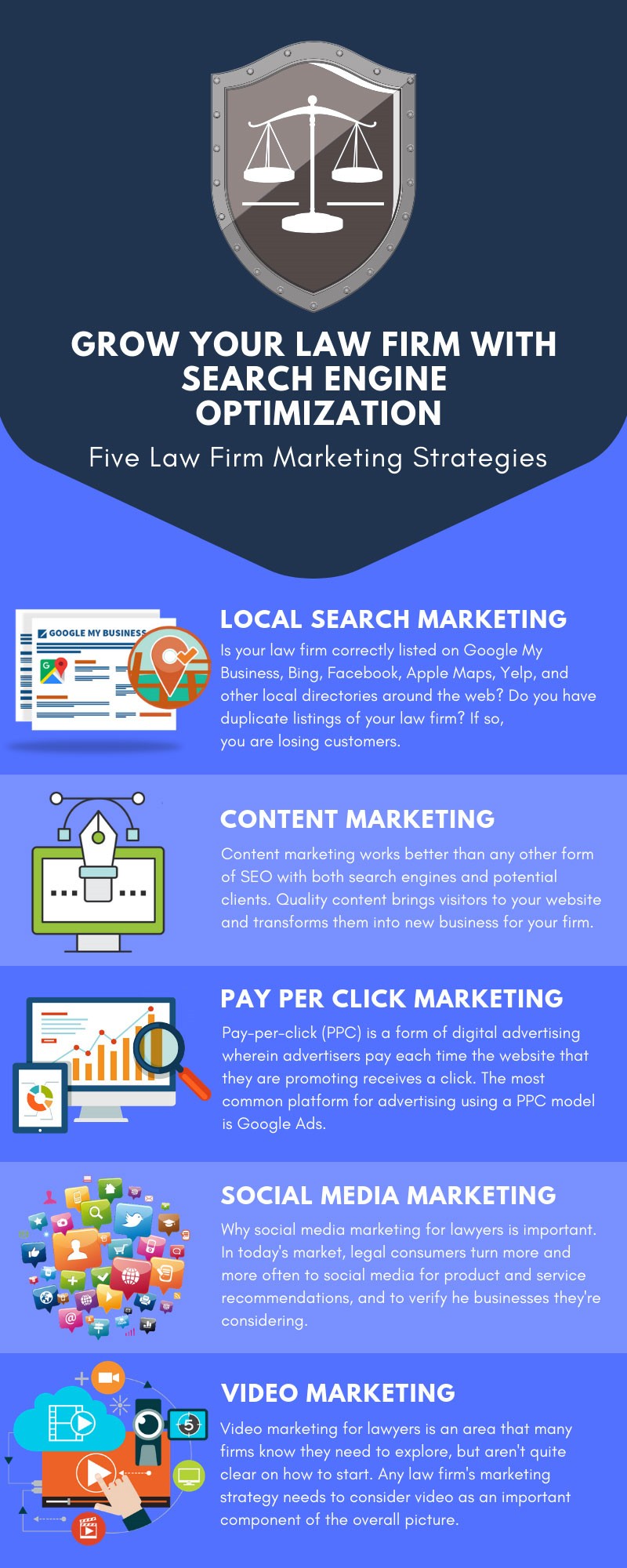
Link building for law firms requires strategic approaches that emphasize quality, relevance, and ethical practices. Unlike other industries, legal link building must consider professional responsibility rules while building authority through legitimate, high-value connections. Successful legal link building focuses on relationships with authoritative legal sources, local community organizations, and industry publications.
Earning Links from Legal Directories and Bar Associations
High-authority legal directories provide some of the most valuable backlinks for law firm SEO. Focus on established platforms like Avvo, Martindale-Hubbell, FindLaw, and Justia, which offer both SEO value and client referral opportunities. These directories carry significant authority in legal searches and provide targeted traffic from potential clients actively seeking legal representation.
Bar association memberships offer excellent link building opportunities through member directories and professional profiles. State and local bar associations typically provide member listing pages that include website links. Additionally, participating in bar association committees, writing for bar publications, and speaking at legal events can generate additional authoritative backlinks.
Specialty legal directories focusing on specific practice areas provide targeted link opportunities. Personal injury attorneys benefit from directories like LawyerLegion, while corporate attorneys should pursue listings in business law directories. These niche platforms often provide higher-quality traffic and stronger topical relevance signals.
Building Relationships with Local Organizations
Community involvement generates natural, high-quality backlinks while building local brand recognition. Participate in local business organizations, charitable foundations, and community events that align with your firm’s values and expertise. These relationships often result in website mentions, event listings, and partnership opportunities that provide valuable local links.
Chamber of Commerce memberships typically include directory listings and potential collaboration opportunities. Many chambers feature member spotlights, business success stories, and event participation that can generate quality backlinks. These local business connections also provide networking opportunities that can lead to referral relationships.
Educational institutions offer link building opportunities through guest lectures, legal clinics, and alumni associations. Law schools particularly value practicing attorney involvement and often feature alumni accomplishments on their websites. These educational links carry high authority and demonstrate professional credibility.
Content-Based Link Earning Strategies
Creating valuable, shareable content naturally attracts high-quality backlinks from relevant sources. Develop comprehensive legal guides, industry reports, and analysis pieces that other legal professionals and journalists want to reference. Original research, survey data, and expert commentary on legal trends provide excellent link bait opportunities.
Guest writing for legal publications and industry blogs establishes expertise while earning authoritative backlinks. Target publications read by your ideal clients and referral sources. Legal newspapers, bar journals, and industry magazines often seek expert commentary on current legal issues and developments.
Press releases announcing significant case victories, firm expansion, or community involvement can generate media coverage and backlinks. Focus on newsworthy developments that provide genuine value to readers rather than promotional content. Local media outlets often cover legal news, particularly cases with community impact.
| Link Source Type | Authority Level | Difficulty to Obtain | Traffic Potential | SEO Value |
|---|---|---|---|---|
| Legal Directories | High | Easy | High | Excellent |
| Bar Associations | Very High | Medium | Medium | Excellent |
| Local Business Organizations | Medium | Easy | Low-Medium | Good |
| Media Coverage | High | Hard | High | Excellent |
| Educational Institutions | Very High | Medium-Hard | Low | Excellent |
Measuring SEO Success and ROI
Tracking the effectiveness of search engine optimization for law firms requires monitoring both traditional SEO metrics and legal industry-specific key performance indicators. Success measurement extends beyond rankings to include lead quality, client acquisition costs, and case value metrics that directly impact firm profitability. Establishing comprehensive tracking systems enables data-driven optimization decisions and demonstrates SEO ROI to firm leadership.
Essential SEO Metrics for Law Firms
Organic search traffic growth provides the foundation for measuring SEO success, but quality matters more than quantity. Track visitors from high-intent keywords related to your practice areas and geographic locations. Monitor traffic trends for specific landing pages, practice area sections, and location-based content to identify which SEO efforts drive the most valuable visitors.
Keyword ranking improvements should focus on terms that generate qualified leads rather than vanity metrics. Track rankings for primary practice area keywords, local search terms, and long-tail phrases that indicate strong commercial intent. Position improvements for high-value keywords directly correlate with increased visibility and potential client contacts.
Conversion rate optimization ensures SEO traffic translates into business results. Monitor contact form submissions, phone calls, consultation requests, and other meaningful actions taken by organic search visitors. Compare conversion rates across different traffic sources to identify which SEO strategies generate the highest-quality leads.
Tracking Client Acquisition and Case Values
Lead quality metrics provide more meaningful insights than raw traffic numbers for legal practices. Implement call tracking to monitor phone inquiries generated by organic search traffic. Track which keywords and pages drive the highest-value consultations and case signings. This data helps optimize content and SEO efforts toward the most profitable client acquisition channels.
Client lifetime value analysis helps determine SEO ROI by connecting search traffic to actual case outcomes and firm revenue. Track how clients acquired through different SEO channels perform in terms of case values, referral generation, and long-term relationship development. This comprehensive view enables better budget allocation across SEO initiatives.
Geographic performance tracking reveals which local SEO efforts generate the best results. Monitor lead generation by city, county, or region to identify opportunities for expansion or areas needing additional optimization focus. This geographic data helps guide location-based content creation and local link building priorities.
Using Analytics Tools Effectively
Google Analytics 4 provides comprehensive insights into organic search performance when configured properly for legal websites. Set up conversion tracking for key actions like contact form submissions, phone calls, and consultation bookings. Create custom audiences based on organic search traffic to analyze user behavior patterns and identify optimization opportunities.
Search Console data reveals technical issues and keyword opportunities that directly impact SEO performance. Monitor crawl errors, mobile usability issues, and security problems that could harm search rankings. Track which queries drive impressions and clicks to identify content gaps and keyword expansion opportunities.
Legal-specific analytics tools like CallRail or CallTrackingMetrics provide detailed phone call analytics that help attribute leads to specific SEO efforts. These platforms track call duration, caller location, and conversion outcomes, providing valuable insights into which SEO strategies generate the highest-quality phone inquiries.
FAQ
Q: How long does it take to see results from search engine optimization for law firms?
SEO results for law firms typically begin appearing within 3-6 months, with significant improvements visible after 6-12 months of consistent effort. Local SEO improvements often appear faster, while competitive practice area rankings may take longer to achieve. The timeline depends on your market competition, current website authority, and the comprehensiveness of your SEO strategy.
Q: What are the most important ranking factors for legal websites?
Google prioritizes expertise, authoritativeness, and trustworthiness (E-A-T) for legal websites, along with technical factors like site speed, mobile optimization, and security. Local search signals including Google Business Profile optimization, consistent citations, and positive reviews significantly impact rankings for location-based legal searches.
Q: How much should law firms budget for SEO services?
Most law firms invest $3,000-$10,000 monthly in professional SEO services, depending on market size and competition level. Solo practitioners might start with $1,500-$3,000 monthly, while large firms in competitive markets often invest $15,000+ monthly. ROI typically justifies investment when SEO generates 2-3 new clients monthly.
Q: Which practice areas benefit most from SEO investment?
Personal injury, DUI defense, and family law practices typically see the highest SEO ROI due to high search volumes and case values. Corporate law and specialized practices benefit from targeting niche, high-value keywords with less competition. Any practice area serving individual consumers benefits significantly from local SEO optimization.
Q: How do attorney advertising rules affect SEO strategies?
State bar advertising rules limit certain claims and require disclaimers on legal websites, affecting content creation and optimization strategies. Most states allow factual information about services and experience while prohibiting guaranteed outcomes or superlative claims. Always consult your state’s advertising guidelines when developing SEO content.
Q: What’s the difference between SEO and paid advertising for law firms?
SEO provides long-term, sustainable traffic growth with lower ongoing costs, while paid advertising delivers immediate visibility but requires continuous investment. SEO builds lasting authority and trust, while ads stop generating traffic when paused. Most successful firms use both strategies complementarily for maximum market coverage.
Q: How important is mobile optimization for legal SEO?
Mobile optimization is crucial since over 60% of legal searches occur on smartphones. Google uses mobile-first indexing, meaning mobile performance directly impacts all search rankings. Mobile-optimized sites with fast loading speeds and easy navigation significantly outperform desktop-only sites in search results.
Q: Should law firms focus on national or local SEO?
Most law firms should prioritize local SEO since legal services are location-based and clients prefer nearby attorneys. National SEO makes sense for firms handling cases across multiple states or specialized practices serving clients nationwide. Local optimization typically provides better ROI for traditional legal practices.
Q: How do online reviews impact SEO for law firms?
Positive reviews improve local search rankings and increase click-through rates from search results. Google considers review quantity, quality, and recency when ranking local businesses. Reviews also provide fresh, relevant content that search engines value. Firms with consistent positive reviews significantly outrank competitors with few or poor reviews.
Q: What are common SEO mistakes law firms make?
Common mistakes include neglecting local SEO, creating thin content without expertise demonstration, ignoring technical SEO issues, and failing to track meaningful metrics. Many firms also overlook mobile optimization, inconsistent NAP information across directories, and inadequate internal linking between related practice areas.
Q: How does content marketing fit into legal SEO strategy?
Content marketing establishes expertise while targeting valuable keywords and attracting high-quality backlinks. Regular blog posting, comprehensive practice area guides, and FAQ sections help capture long-tail keywords and build topical authority. Quality content also increases time on site and reduces bounce rates, positive ranking signals.
Q: What’s the future outlook for SEO in the legal industry?
Legal SEO will increasingly emphasize user experience, mobile performance, and local search optimization. Voice search optimization and AI-powered search features will require more conversational content strategies. Video content and interactive tools will become more important for engaging potential clients and improving search visibility.
Conclusion
Search engine optimization for law firms has evolved from a nice-to-have marketing tactic to an essential business strategy that directly impacts firm growth and profitability. The digital transformation of legal services means that potential clients increasingly rely on search engines to find, evaluate, and choose legal representation. Firms that master SEO fundamentals, implement comprehensive local optimization strategies, and consistently create valuable content will capture the majority of high-intent legal searches in their markets.
The key takeaways from implementing effective legal SEO include:
- Technical optimization and mobile performance directly impact search rankings and user experience, making these foundational elements critical for success
- Local SEO mastery through Google Business Profile optimization, citation building, and reputation management drives the highest-quality leads for most legal practices
- Content marketing that demonstrates expertise while targeting relevant keywords builds long-term authority and attracts clients throughout their decision-making process
- Comprehensive tracking and measurement enables data-driven optimization decisions that maximize ROI and demonstrate SEO value to firm leadership
The legal industry’s competitive landscape will continue intensifying as more firms recognize SEO’s importance and invest in comprehensive digital marketing strategies. Early adopters who implement thorough SEO programs now will establish sustainable competitive advantages that become increasingly difficult for competitors to overcome. The firms that combine technical excellence, local dominance, and authoritative content creation will capture the largest share of their markets’ legal search traffic.
Partner with Case Quota for Success
Implementing the comprehensive search engine optimization strategies outlined in this guide—from technical website optimization and local SEO mastery to content marketing and link building—requires specialized expertise and consistent execution that many law firms struggle to maintain internally. The complexity of keyword research, technical SEO implementation, Google Business Profile optimization, and content creation demands dedicated resources and deep understanding of both SEO best practices and legal industry requirements.
Case Quota specializes in delivering complete SEO solutions specifically designed for law firms, handling everything from technical website audits and local citation building to content strategy development and performance tracking. Our team understands the unique challenges of legal SEO, including advertising compliance requirements, competitive keyword landscapes, and the need to balance authority-building content with client conversion optimization. We provide comprehensive SEO management that allows attorneys to focus on practicing law while we handle the technical complexities of search engine optimization.
Visit https://casequota.com to discover how our specialized legal SEO expertise can implement these proven strategies for your firm and drive consistent, high-quality lead generation through improved search visibility.