

Personal Intelligence in AI Mode: Why domain choice and hosting impact law firm SEO visibility
Personal Intelligence in AI Mode promises sharper, privacy-aware search signals for clients and firms. However, domain and hosting choices determine whether search engines index and surface a law firm’s pages. Because law firms handle sensitive client data, hosting stability, certificate management, and domain reputation matter more than ever.
A strong domain signals authority to crawlers and users. In contrast, free subdomain hosting can attract spam and dilute trust. Therefore, search engines may de-prioritize sites hosted on crowded or low-quality networks. Moreover, hosting affects site speed, uptime, and structured data delivery, which directly influence rankings and user experience.
AI tools add another layer of complexity. When firms connect AI features such as Personal Intelligence, they exchange metadata, indexable snippets, and sometimes opt-in data. Consequently, hosting environments that leak or log these interactions can harm privacy and erode client trust. At the same time, poorly configured robots.txt or indiscriminate blocking of training bots can block citation and reduce discoverability.
This article takes a data-driven, cautious tone. First, we break down technical factors like IP reputation, SSL configuration, and crawl behavior. Next, we examine bot traffic patterns, training bot opt-outs, and how they intersect with law firm SEO. Finally, we recommend hosting and domain strategies that balance visibility, privacy, and long-term authority.
By the end, readers will understand how a deliberate domain and hosting strategy supports both search visibility and ethical use of AI. As a result, law firms can adopt AI features confidently while safeguarding client privacy and maintaining reliable search performance.
Personal Intelligence in AI Mode: how privacy and AI use reshape domain and hosting decisions
Personal Intelligence in AI Mode changes how firms must think about domain and hosting. Because AI features surface richer snippets and user signals, hosting choices now affect privacy, crawl behavior, and SEO visibility. For law firms, the stakes are higher. Client confidentiality and reputational risk require careful hosting, SSL management, and clear robot rules.
AI adoption drives new traffic and new bot types. For example, Google reported broad interest in AI Mode, with millions of active users relying on the feature. At the same time, Hostinger found 66.7 billion bot requests across more than 5 million sites, revealing shifting bot patterns and coverage rates. See Hostinger for the study details. Therefore, law firms must balance openness for search crawlers with protection from training bots.
Publishers already react to training bots. A BuzzStream analysis found that many top sites block at least one training or retrieval bot. Blocking choices affect whether AI assistants can cite your content. Learn more at Search Engine Journal. As a result, domain reputation and hosting neighbors matter. John Mueller also warned that free subdomain hosting attracts spam and makes SEO harder. Read his guidance here: Search Engine Journal.
Key impacts for law firms to consider
- Privacy risk and compliance: Because law firms handle sensitive data, hosting must provide strict logging controls and encryption. Otherwise, client trust can erode quickly.
- Bot visibility and citations: If you block training bots, AI assistants may not cite your content. Conversely, allowing all bots risks data use for model training.
- IP reputation and shared hosting: Hosting on crowded networks can link your domain to spammy sites. Consequently, search engines may distrust your site.
- SSL and uptime: Fast, secure sites rank better and retain traffic. For that reason, certificate management and uptime SLAs matter for local SEO.
- robots.txt and selective blocking: Carefully configured robots rules can separate training bots from retrieval bots. Therefore, you can allow useful search crawlers while limiting training access.
In short, Personal Intelligence in AI Mode creates new visibility pathways. However, it also raises privacy, trust, and hosting design questions. Law firms should choose domains and hosts that prioritize security, clear crawl rules, and a clean reputation to protect both clients and SEO value.
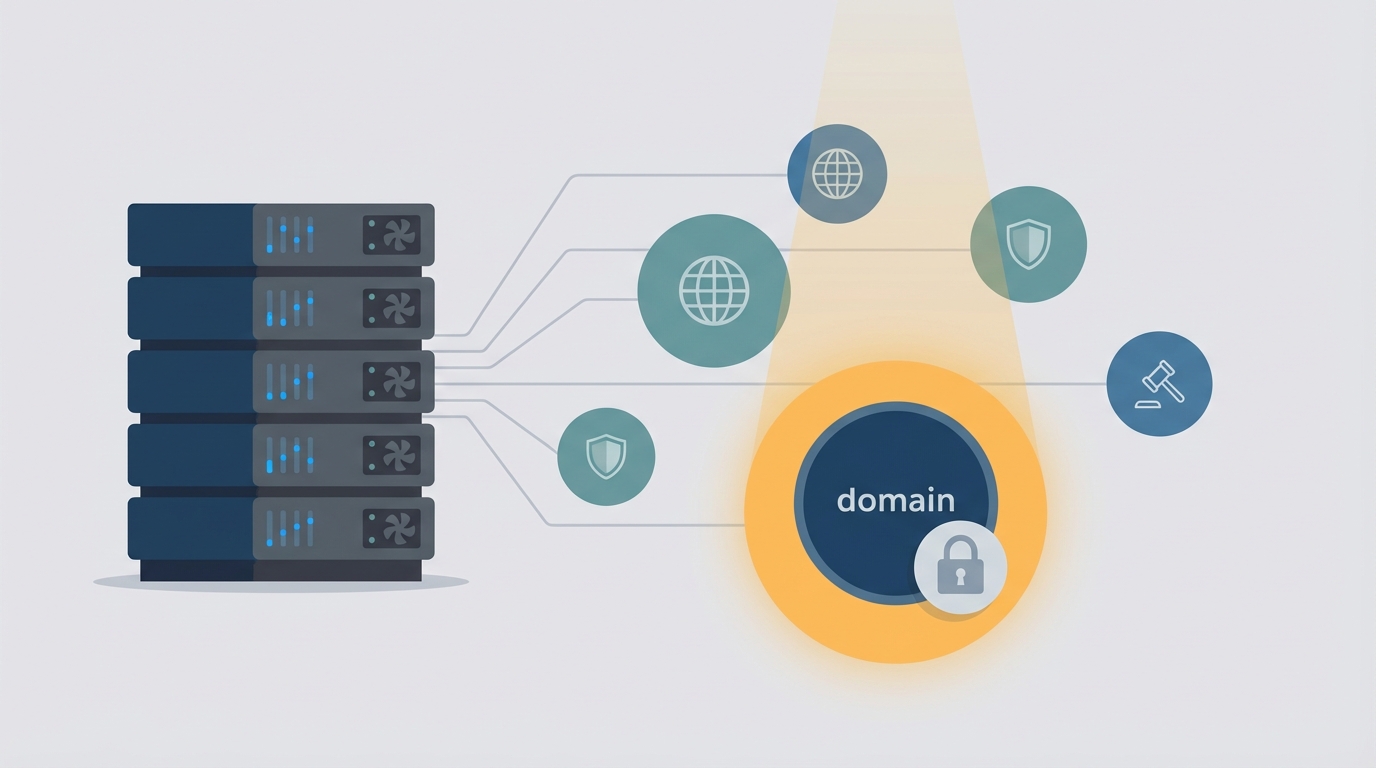
SEO risks of free subdomain hosting for law firms: why Personal Intelligence in AI Mode raises the stakes
Personal Intelligence in AI Mode adds pressure to domain decisions. Law firms must weigh privacy and visibility at the same time. Because AI features surface snippets and citations, hosting on weak domains can reduce trust and discovery.
First, consider John Mueller’s warning. He cautioned that free subdomain hosting often attracts spam and low-quality content. Consequently, legitimate sites face more difficulty gaining visibility. For a summary of Mueller’s comments, see this article.
Second, the Public Suffix List treats many subdomains as separate registrable units. Therefore, a host with many spammy subdomains can drag down the perceived reputation of nearby sites. For technical context, review the Public Suffix List: here.
Third, bot and traffic patterns amplify the problem. Hostinger’s analysis of 66 billion bot requests across 5 million websites shows how crawling behavior shifts. As a result, crowded hosts can see disproportionate bot noise and reduced meaningful traffic. Read the Hostinger analysis at this link.
Practical SEO and trust risks to note
- Reputation bleed: Because many sites share an IP or host, spammy neighbors lower trust. Therefore, search engines may treat your content with more caution.
- Crawl inefficiency: High bot volumes can consume bandwidth and slow indexing. Consequently, crawlers may visit less often.
- Citation loss with AI tools: If publishers block training bots, AI assistants may not cite your content. Thus, visibility through AI-driven search drops.
- Legal and privacy exposure: Free hosts may not offer strict logging controls. Therefore, sensitive client metadata could be at risk.
- Difficulty building authority: Because subdomains sit under a larger host, building direct domain authority is harder. As a result, local SEO and brand signals suffer.
Comparing free subdomain hosting versus paid dedicated domains
| Feature | Free subdomain hosting | Paid dedicated domain and managed hosting |
|---|---|---|
| SEO visibility | Low to mixed. Susceptible to reputation bleed and spam association. | Higher. Clear brand signals and cleaner link profiles improve rankings. |
| Trust and professionalism | Often perceived as lower. Clients expect branded domains. | Higher trust. Branded domain fosters credibility and client confidence. |
| Control over robots and indexing | Limited in many cases. Host rules may override your settings. | Full control. You manage robots.txt, crawl directives, and headers. |
| Privacy and logging | Often minimal. Shared policies can expose logs to others. | Stronger options. Managed hosts offer granular logging and compliance features. |
| Bot noise and traffic patterns | High. Shared IPs attract automated traffic and training bots. | Lower. Isolated IPs reduce unwanted bot volume and rate limiting needs. |
| Cost | Low upfront cost. Free saves money briefly. | Higher upfront and recurring cost, but better long-term ROI. |
| Long-term SEO ROI | Poorer. Gains are harder to maintain over time. | Better. Investment builds domain authority and lasting rankings. |
In short, free subdomain hosting can save money at first. However, it creates lasting SEO and trust costs. Because Personal Intelligence in AI Mode may rely on clean citations and secure data signals, law firms should prefer dedicated domains. For that reason, choose hosts that provide isolated IPs, clear crawl controls, and robust privacy features. Doing so preserves client trust and improves search visibility over time.
Use the table below to compare key SEO and trust factors for free subdomain hosting and paid dedicated domains.
| Factor | Free subdomain hosting | Paid dedicated domain hosting |
|---|---|---|
| SEO impact | Often lower. Risk of reputation bleed and weaker rankings. | Higher. Clear brand and cleaner link profiles boost rankings. |
| Spam risk | High. Shared hosts attract spammy subdomains. | Low. Isolated domains reduce neighbor spam. |
| Cost | Minimal upfront cost. | Moderate to higher recurring cost. |
| Control | Limited. Host rules may override your settings. | Full. You control robots, headers, and redirects. |
| Visibility | Harder to build brand and local signals. | Easier. Stronger brand signals improve discovery. |
| Trustworthiness | Perceived as lower by clients and searchers. | Perceived as higher; better for professional firms. |
| Bot handling | More bot noise and rate limiting needs. | Better isolation reduces unwanted bot traffic. |
| Long-term ROI | Poorer. Short-term savings, long-term friction. | Stronger. Investment builds authority and drives leads. |
Choose paid domains when trust, privacy, and long-term visibility matter most.
Conclusion: Secure domains, trusted hosting, and AI-aware privacy protect SEO and clients
Personal Intelligence in AI Mode highlights one clear truth for law firms: domain and hosting choices shape visibility and trust. Because AI surfaces snippets and citations, clean domains help your content appear correctly. Therefore, technical choices affect both rankings and client confidence.
Free subdomain hosting may save budget at first, but it carries long term SEO costs. John Mueller and industry studies show spammy neighbors and bot noise reduce visibility. Hostinger found massive bot volumes that increase crawl inefficiency and risk. As a result, law firms face citation gaps in AI driven search and higher privacy exposure.
Prioritize a paid, dedicated domain with managed hosting. It gives isolated IPs, strict logging controls, and full crawl control. Thus, you protect client data and improve long term SEO gains. Moreover, branded domains build professional trust and improve conversion.
If you need help aligning hosting with privacy and visibility goals, get expert support. Case Quota specializes in legal marketing for small and mid sized law firms. They apply strategies similar to Big Law while keeping budgets realistic. Visit Case Quota to learn how they can improve your domain strategy and SEO.
Act now to secure both client trust and AI visibility. Good domain choices pay off over years.
Frequently Asked Questions (FAQs)
Does Personal Intelligence in AI Mode change how I should choose a domain?
Yes. Personal Intelligence in AI Mode surfaces snippets and citations. Therefore, a clean, branded domain improves how AI tools find and display your firm. Choose a dedicated domain to avoid reputation bleed from spammy neighbors. Also, prioritize hosts with strong SSL and clear logging controls to protect client data and trust.
Can free subdomain hosting harm my law firm SEO?
Yes. Free subdomains often share IPs and attract spam. As a result, search engines and AI assistants may treat your site with less trust. John Mueller warned about visibility challenges on free hosts. For that reason, free hosting can reduce long term discoverability and citation by AI driven tools.
How do training bots and crawlers affect my visibility?
Bots create both opportunity and risk. For example, Hostinger saw billions of bot requests that change crawl patterns. Therefore, you must control robots rules carefully. If you block training bots, AI assistants might not cite your content. Conversely, allowing all bots can expose content to model training. Balance is key.
What hosting features should a law firm require?
Require isolated IPs, strict access logs, and managed SSL. Also choose hosts with uptime guarantees and fast response times. These features reduce bot noise, speed up indexing, and improve user trust. In short, select a host that supports privacy and consistent search performance.
How do I weigh cost versus trust and visibility?
Think long term. Free hosting saves money short term. However, it often costs more in lost visibility and client confidence. Therefore, invest in a paid domain and managed hosting. That investment drives better SEO, stronger brand trust, and higher conversion over time.