
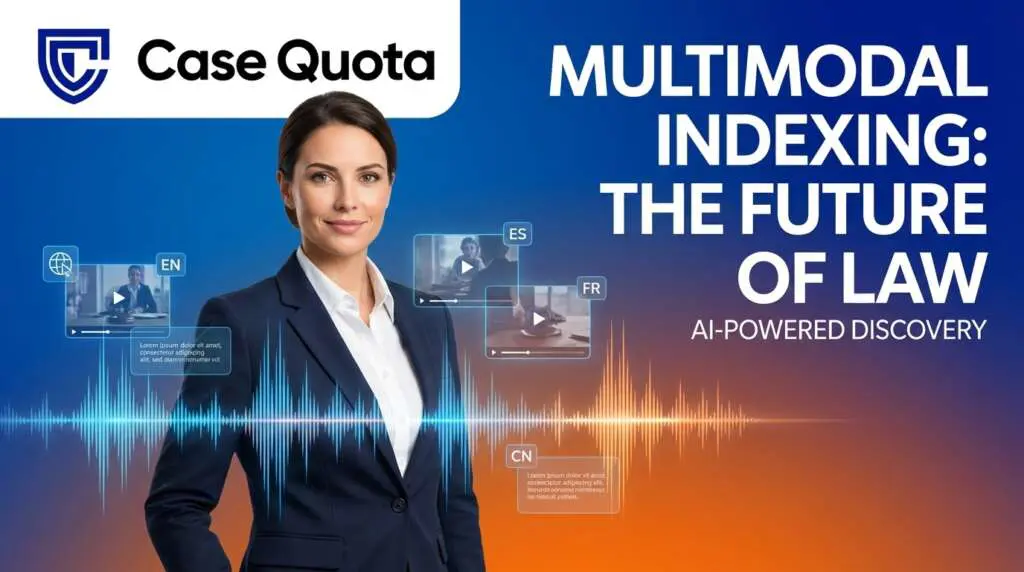
Multimodal LLMs audio and video indexing: Preparing law firm SEO for AI search
To stay competitive, law firms must adapt to Multimodal LLMs audio and video indexing. This emerging capability reshapes law firm SEO because AI search now understands non text formats. Importantly, multimodal capabilities go beyond transcription to assess content intent and style. Therefore, optimizing podcasts, depositions, webinars, and videos becomes vital for search visibility.
Moreover, LLMs can translate and surface multilingual content, expanding reach to non English users. For example, audio indexing now captures tone and emphasis as ranking signals. Law firms that invest in structured metadata and contextual transcripts will likely improve rankings.
However, many teams still focus only on text pages and ignore multimedia assets. As a result, they risk losing visibility for high intent queries tied to audio content. Practically, firms must audit audio and video libraries and add searchable summaries and timestamps.
In addition, marketers should test clip optimization for short form video and podcast snippets. Therefore, cross cueing between transcripts, captions, and rich schema will aid AI indexing. Ultimately, law firm SEO that embraces multimodal LLMs gains a durable edge in AI search. Looking ahead, teams should prioritize experiments, measurement, and privacy conscious workflows. This article outlines practical steps and strategic priorities to prepare legal marketers for that future.

Multimodal LLMs audio and video indexing: What this means for law firm SEO
Multimodal LLMs audio and video indexing unlocks signals that go far beyond plain transcripts. For example, AI now detects a video’s style, speaker emphasis, and thematic structure. Therefore, law firms must treat multimedia as primary content, not an afterthought. Moreover, indexing now captures cues like tone and scene changes that affect relevance and intent.
Key capabilities beyond transcription
- The model understands context, not just words. It infers themes and narrative arcs from audio and video.
- It detects style and format, such as interview, depo, or explainer video. As a result, this shapes how content matches search intent.
- LLMs support cross language translation and normalization. This expands reach to non-English audiences and niche queries.
- Models pair visual cues with sound to interpret events and actions. Therefore, indexing becomes richer and more nuanced.
Insights from Google and Liz Reid
Google’s VP of Search, Liz Reid, described LLMs as a leap for non-text formats. She said, “The great thing about LLM is they’re multimodal. So we can actually understand audio content and video content actually at a level we couldn’t years ago.” For further reading, see the coverage of her comments at Search Engine Journal.
Google has also piloted experiments that illustrate this shift. The Audio Overviews experiment in Search Labs shows automated summaries of audio content. Learn more at Google Blog. In addition, Google built subscription aware and personalization features into the Gemini app. Those updates hint at how AI Overviews and AI Mode will surface media differently for users. See details at Google Blog.
What this means for law firm SEO strategy
- Audit all podcasts, webinars, depositions, and video libraries. Tag each file with descriptive metadata and case relevant keywords.
- Add high quality transcripts plus summaries and timestamped highlights. This helps AI surface the most useful snippets.
- Include schema for media and use structured captions. In addition, provide short excerpt clips for social and short form discovery.
- Test multilingual transcripts and translated summaries because LLMs can reframe content across languages.
Because Google already experiments with these features, law firms should start testing now. Practical experiments will reveal which formats drive impressions, clicks, and conversions. Finally, prioritize privacy and consent when indexing sensitive audio content.
Traditional SEO vs Multimodal LLMs audio and video indexing
| Factor | Traditional SEO for Law Firms | SEO for Multimodal LLMs audio and video indexing |
|---|---|---|
| Primary content types | Text pages, blog posts, attorney profiles, case studies | Podcasts, webinars, depositions, videos, short clips, transcripts |
| Indexing and capabilities | Keyword matching and page level crawling | Multimodal understanding of audio, visual, and text signals |
| Content interpretation | Relies on metadata and page text | Infers theme, style, tone, and narrative from media |
| Metadata and structured data | Title tags, meta descriptions, article schema | Media schema, timestamps, speaker labels, clip metadata |
| Transcripts and captions | Optional or low quality automated transcripts | High quality transcripts, summaries, and timestamped highlights |
| Language and translation | Targeted language pages and hreflang | LLM driven normalization and cross language translation |
| User engagement signals | Dwell time, CTR, backlinks, form submissions | Clip plays, listening completion, scene interactions, shares |
| Discovery channels | Organic SERPs, legal directories, social shares | AI Overviews, Gemini app carousels, short form feeds |
| Measurement and KPIs | Rankings, organic traffic, lead conversions | Impressions in AI Overviews, snippet clicks, engagement depth |
| Privacy and compliance | Standard web consent and disclaimers | Consent management for recorded media and sensitive data |
| Tactical priorities | Keyword research, link building, on page SEO | Audit media, add transcripts, timestamp highlights, test clips |
How to optimize law firm audio and video content for AI search
Optimizing audio and video for Multimodal LLMs audio and video indexing demands a practical, repeatable workflow. Start with transcript quality because accurate speech to text underpins everything. In addition, use human review for proper nouns, case names, and regional terms. Poor transcription can hide high intent queries from AI search.
Transcription accuracy and structure
- Choose a reliable speech to text engine and then apply human proofreading. This reduces errors in legal terms and names.
- Add speaker labels and clear punctuation. As a result, LLMs can separate viewpoints and attribute quotes correctly.
- Timestamp important segments and create short chapter markers. This helps AI surface precise snippets in AI Overviews and short form feeds.
Metadata enrichment and structured data
- Populate media schema with title, description, duration, and practice area tags. Search engines read this data to classify content.
- Use JSON LD media object markup for videos and audio. Therefore, you make indexing signals explicit.
- Embed case identifiers, jurisdiction tags, and speaker bios. In addition, link each media file to the related attorney profile page.
Align content style with search intent
- Define the format for each asset: explainer, deposition excerpt, client testimonial, or webinar. Different formats serve different intent.
- Produce short highlight clips for social and short form discovery. Because Google favors short video in many contexts, clips increase reach.
- Keep intros concise and state the core issue within the first 15 seconds. This helps AI models assign relevance to the clip quickly.
Leverage translation and multilingual reach
- Generate translated transcripts and summaries to reach non English audiences. LLMs can normalize content across languages, which expands visibility.
- Provide human reviewed translations for legal nuance. Otherwise, automated output may misinterpret specialized terminology.
Subscription aware personalization and paywalled content
- Mark subscription content with clear metadata and access tags. Google’s subscription aware features aim to surface content users can access.
- Offer short public summaries or excerpts to improve discoverability. However, keep full content behind proper paywalls.
- Monitor Preferred Sources behavior because users who choose a source click more frequently. For context, see Google’s work on subscription features in the Gemini app.
Operational checklist and measurement
- Audit all media assets, then prioritize top traffic files for enrichment. Next, add transcripts, timestamps, and schema.
- Test different clip lengths and formats and then measure impressions and snippet clicks. Use engagement depth and listening completion as KPIs.
- Track organic visibility across AI Overviews and standard SERPs. Also test how translated summaries perform.
Privacy and compliance
- Obtain consent before indexing recorded calls or depositions. In addition, redact or exclude sensitive details where required.
- Store transcripts securely and follow legal retention rules.
Finally, start small and iterate. Because multimodal indexing evolves quickly, short experiments deliver the fastest learning. Prioritize accuracy, metadata, and user intent alignment to gain early advantage in AI search.
CONCLUSION
Adopting Multimodal LLMs audio and video indexing offers clear SEO advantages for law firms. These technologies let search engines understand tone, format, and themes in media. As a result, firms can surface high value content that traditional SEO misses. Moreover, accurate transcripts and enriched metadata improve discoverability across AI Overviews and app driven carousels.
Practically, multimodal indexing increases relevance for intent rich queries. In addition, translated summaries expand reach to non English speakers. Therefore, law firms that invest in structured schema, timestamps, and concise clip edits will likely gain early visibility. Because Google is actively testing features like Audio Overviews and updating the Gemini app, now is the time to experiment. Short tests reveal what formats drive snippet clicks and engagement depth.
Case Quota helps firms turn these strategies into measurable growth. As a specialized legal marketing agency, Case Quota empowers small and mid sized firms to compete with Big Law. They apply high level SEO, multimedia indexing, and content workflows tailored to legal practice areas. For more information, visit Case Quota.
Finally, treat audio and video as primary assets, not extras. Start with a practical audit, then add transcripts, speaker labels, and media schema. Iterate quickly and measure outcomes. In this way, law firms can secure durable visibility in an AI first search landscape.
Frequently Asked Questions (FAQs)
What are Multimodal LLMs audio and video indexing?
Multimodal LLMs analyze audio, video, and text together. As a result, they infer theme, style, and speaker intent. For example, AI can identify interview formats, emphasize testimony, and detect scene changes. Therefore, indexing goes beyond raw transcripts to richer signals. This change helps search engines match media to user queries more precisely.
How will multimodal indexing change law firm SEO?
Multimodal indexing shifts focus from just page text. In addition, it rewards well structured media with clear context. Key impacts include:
- Greater visibility for podcasts, webinars, and videos
- Need for timestamps, speaker labels, and summaries
- Importance of short clips for discovery in AI Overviews and feeds
As a result, firms that adapt will reach more high intent searchers.
What immediate steps should law firms take to optimize multimedia?
Start with accurate transcripts. Use human review for names and legal terms. Next, add timestamps and chapter markers. Also, enrich files with media schema, practice area tags, and speaker bios. Produce short highlight clips and concise summaries. Finally, test translated transcripts to expand multilingual reach. These actions improve audio indexing, video indexing, and overall search visibility.
How should firms handle privacy and sensitive content for indexing?
Obtain explicit consent before publishing recorded client calls. Redact or exclude privileged details when required. Store transcripts securely and follow retention rules. In addition, label internal or restricted content with access metadata. As a result, you reduce legal risk while enabling safe indexing for public assets.
What is subscription aware personalization and how does it affect visibility?
Subscription aware personalization lets search surface content users can access. Google tests Preferred Sources and Gemini app features that favor user subscriptions. For context, see this blog post. Therefore, mark paywalled media with clear access metadata. Also provide short public excerpts to attract clicks while keeping full content behind your paywall. This approach balances discoverability with subscriber value.