

Data Strength determines how effectively law firms convert clicks into clients. It measures the quality and completeness of conversion signals. Because Google now emphasizes Data Strength, firms must upgrade data practices. High Data Strength helps bidding algorithms learn faster and bid smarter. As a result, campaigns spend less on low-value clicks. Strong signals improve both automated bidding and creative testing. For law firms, this matters even more. Lead generation relies on accurate offline and CRM data. Therefore, syncing first-party leads and offline conversions reduces wasted spend. In addition, server-side tagging and tag gateway setups create more reliable event flows. These setups also protect privacy while preserving measurement. Moreover, Google’s Data Manager API and Meridian point toward a future of connected measurement. Google’s own engineers and industry experts explain this shift. For example, Kamal Janardhan highlighted the need for reliable signals. Likewise, Jeff Sauer and Jonathan Reed shared wins from better signal handling. Their insights show dramatic increases in conversions and big cost drops. Yet governance still matters. Firms must understand what data they capture and why. Consequently, teams must audit event mapping, consent flows, and CRM imports. When they do, predictive models produce better audiences. As a result, bidding strategies become more precise.
This article explores those improvements in depth. It blends Google updates with expert lessons from Ads Decoded and Ads DevCast. You will learn practical steps to strengthen data pipelines. You will also see how to connect CRM data, HubSpot, Zapier, and server-side options. Finally, we will cover measurement trade-offs and privacy controls. By focusing on Data Strength early, law firms can unlock smarter bidding and sustainable growth. Throughout the piece, we cite Google and MeasureU experts. We’ll give step-by-step tactics for tagging, CRM mapping, and consent management. However, you do not need large teams to start. Start with data audits and incremental fixes.
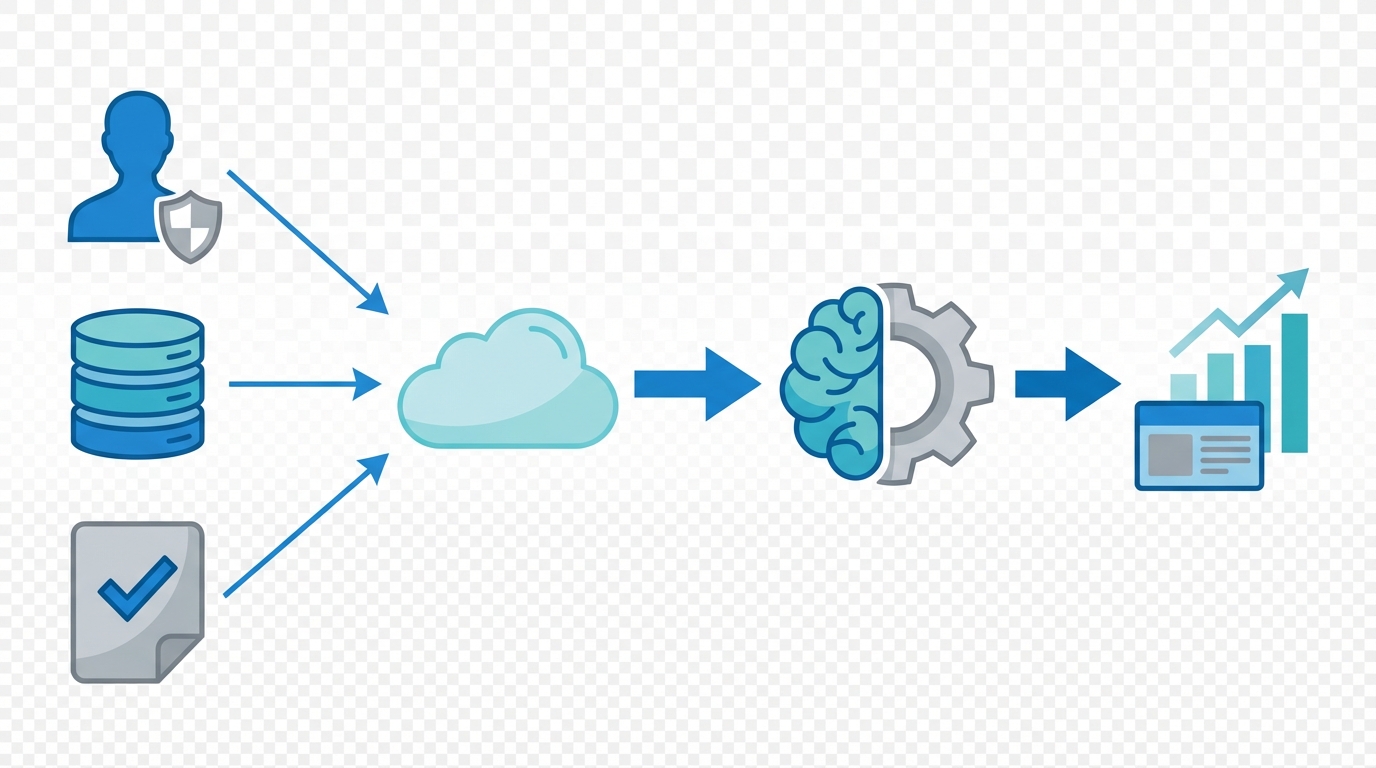
Data Strength and its impact on PPC performance
Data Strength is Google’s push to make conversion signals more reliable, easier to connect, and more useful for optimization. In practice, it means better matching of first-party data, CRM records, and offline conversions. As a result, bidding systems receive clearer inputs. Therefore, machine learning models learn faster and bid more efficiently.
Google designed Data Strength to reduce noise in signal collection. For example, the Data Manager API helps unify first-party uploads so systems see consistent identifiers and event schemas. You can learn more about the Data Manager API at Data Manager API. By contrast, fragmented data confuses AI-driven bidding. Consequently, poorly mapped conversions cause wasted spend and weak audience building.
In addition, how tags are served matters. The tag gateway changes how the Google tag delivers requests through first-party infrastructure. Also, server-side tagging moves processing off the browser, which improves data fidelity and privacy controls. See Google’s server-side tagging overview at server-side tagging overview. Together, these tools help preserve signals when browsers and networks limit client-side collection.
Experts across Google and the industry emphasize better signals. Kamal Janardhan has stressed the importance of strong, connected first-party data for AI-based advertising. Likewise, Jonathan Reed reported “seeing dramatic increases in conversions, and dramatic decreases in cost!” after improving signal quality. Melissa Mackey urged attention too, saying, “All lead gen advertisers should go listen.” These perspectives show that practical gains arrive when firms act on data quality and governance. For background on how Google teams explain these concepts, see the Ads Decoded collection at Ads Decoded collection.
What this means for law firms
- Audit conversion mapping and CRM imports immediately. Doing so reduces mismatches that weaken signals.
- Connect offline conversions and call data to Google Ads through clean, encrypted uploads. This practice strengthens bidding inputs.
- Deploy server-side tagging and a tag gateway where possible, because they improve event delivery and privacy controls.
- Use the Data Manager API to centralize first-party datasets for measurement and audience activation.
Ultimately, firms that invest in Data Strength gain clearer measurement and smarter automated bidding. As a result, campaigns scale with less waste and better ROI. Start with audits and iterate toward integrated signal pipelines.
Quick reference: how Google tools support Data Strength and PPC bidding
| Tool | Purpose | Benefits | Use Cases | Integration Examples |
|---|---|---|---|---|
| Data Manager API | Centralize and upload first-party conversion datasets to Google advertising systems. | Improves identifier consistency and event schema alignment, so models receive cleaner signals. | CRM uploads, offline conversion reconciliation, hashed identifier syncs. | Data Manager API Documentation |
| Tag gateway | Route Google tag requests through your first-party infrastructure. | Reduces signal loss and improves privacy. Therefore it helps recover conversions blocked client-side. | First-party script delivery, consent-aware event routing, resilient event collection. |
Tag Gateway Overview; Tag Gateway Setup Guide |
| Server-side tagging | Move tag processing to server-side containers to increase data fidelity. | Lowers client-side drop, improves performance, and offers improved privacy controls. | Processing conversion events, enriching payloads, centralizing partner calls. | Server-side Tagging Documentation |
| Meridian | Open-source marketing mix modeling for cross-channel measurement and forecasting. | Offers incremental, privacy-safe measurement that complements signal-driven bidding. | Long-term measurement, budget allocation, media lift studies. | Meridian Overview |
Best practices for law firms to strengthen Data Strength
Data Strength begins with clean, connected signals. For law firms, that means linking first-party event data to CRM records. Therefore, teams must prioritize match rates, event completeness, and timestamp accuracy. As a result, automated bidding and audience creation work more reliably.
Integrate CRM and first-party sources first. Sync contact records and offline outcomes from your CRM into Google Ads. Use HubSpot for native CRM-to-ads synchronization or Zapier for custom pipelines when native connectors fall short. In addition, upload hashed identifiers and offline conversions through the Data Manager API to standardize schemas. This step reduces mismatches and improves model learning speed. Consequently, bidding algorithms see more ground truth signals.
Improve tag delivery and event fidelity next. Move critical event processing server-side where possible. Server-side tagging reduces client-side drops and shields events from browser limits. Learn more at Google Tag Manager Documentation. Meanwhile, use a tag gateway pattern to route tags through first-party infrastructure. Also consider Cloudflare to protect and accelerate tag endpoints. These measures preserve event integrity and support privacy-safe routing.
Governance must guide every technical change. Define what events you capture and why. Also document how long you retain data and where you store it. Encrypt uploads and enforce role-based access to CRM exports. Moreover, build consent logic into your pipeline so only permitted signals flow to Google. As a result, you reduce compliance risk while keeping useful measurement.
Track measurement KPIs and operational metrics. Monitor conversion rate by source, cost per acquisition, and conversion match rate. Also watch signal coverage percentage, time-to-conversion reporting, and duplicate suppression rates. For offline data, measure CRM match rate and offline lift from paid campaigns. Finally, report model confidence or signal completeness to stakeholders so teams can act quickly when coverage drops.
A practical rollout plan works best. Start with a data audit and a prioritized fixes list. Next, implement hashed identifier uploads and server-side containers for the highest-value events. Then integrate HubSpot or Zapier flows to automate CRM-to-ads updates. Finally, run A B tests on bidding settings and monitor KPIs closely. By following these steps, law firms will strengthen their signals and unlock smarter bidding and more efficient ad spend.
Data Strength in Law Firms
Data Strength is reshaping how law firms buy and optimize paid search. Because Google now prioritizes high-quality signals, bidding systems depend more on first-party data and matched conversions. As a result, automated bidding learns faster and spends smarter. Therefore firms that fix signal gaps reduce wasted spend and improve return on ad spend.
High Data Strength increases signal reliability, eases connection between CRM records and ad platforms, and improves campaign optimization. Tools such as the Data Manager API, tag gateway, and server-side tagging strengthen data pipelines and preserve measurement under tighter privacy rules. Moreover, Meridian and expanded integrations with HubSpot, Zapier, and Cloudflare support cross-channel measurement and more complete signal coverage. Governance remains essential; firms must document what they capture, secure uploads, and build consent logic into pipelines.
Small and mid-sized firms can adopt these changes incrementally and with low overhead. Start by auditing conversion mapping and match rates, because clean identifiers power predictive bidding. Next, prioritize hashed offline conversion uploads and CRM syncing. Then move critical event processing server-side or route tags through a tag gateway to reduce client-side loss. Also test integrations with HubSpot or Zapier to automate lead flows and improve timeliness. Finally, monitor match rates, cost per acquisition, and signal coverage as key KPIs.
Specialized agencies can accelerate this work. Case Quota translates Big Law marketing tactics into hands-on programs for smaller practices. With better Data Strength, clear KPIs, and consistent governance, law firms can scale paid channels more efficiently and with less waste. Act now by starting a data audit and partnering where needed to capture early wins. If you need help prioritizing fixes or implementing server-side tagging and CRM uploads, reach out for a consult. Map a two-month plan to improve match rates and bidding outcomes.
Frequently Asked Questions (FAQs)
What is Data Strength?
Data Strength measures the completeness and reliability of conversion signals across platforms and connected systems. Google uses Data Strength to prioritize higher-quality signals for bidding and broader optimization workflows. For law firms this means better alignment of CRM records, call tracking, and offline case outcomes. As a result, machine learning algorithms learn faster from fewer noisy or incomplete examples. Therefore stronger Data Strength yields more efficient bids and improved return on ad spend.
How can law firms improve PPC performance using Data Strength?
Link first-party events directly to CRM records, intake systems, and call transcripts to improve accuracy. Next, standardize identifiers, event names, and timestamps before uploads to avoid mismatches. Use the Data Manager API to centralize hashed identifier uploads and improve match rates consistently. Also deploy server-side tagging and a tag gateway to reduce client-side drops and preserve privacy. Consequently bidding algorithms receive clearer, high-fidelity inputs and convert clicks into higher-quality leads.
What role does privacy play in strengthening data signals?
Privacy determines which signals you can legally, ethically, and contractually collect and share. However, firms can preserve signal utility with consented, hashed, and encrypted uploads to ad platforms. Server-side tagging moves sensitive processing off the browser and strengthens control over data flows. Governance should document retention periods, access controls, and the purpose of each captured event. As a result, compliance and measurement can coexist while protecting client data and signal quality.
Which Google tools should firms use first?
Start with the Data Manager API to normalize, validate, and schedule first-party uploads into Ads. Then add server-side tagging or a tag gateway to reduce client-side loss and improve fidelity. Meridian provides privacy-safe cross-channel modeling for longer-term budget decisions and performance forecasting. Integrations with HubSpot, Zapier, and Cloudflare help automate lead flows and secure data delivery. Finally monitor match rate, signal coverage, and KPI trends to guide subsequent investments.
How can small and mid-sized firms get started?
Begin with a focused data audit to find missing conversions, low match rates, and mapping errors. Next prioritize fixes that increase match rates and lower cost per acquisition with measurable impact. Implement hashed offline uploads, regular CRM syncing, and minimal server-side tagging for your highest-value events. Then run small controlled bidding experiments and measure performance changes across weeks and channels. Finally consider partnering with a specialized agency to scale governance, technical work, and strategic execution.