
The Rise of AI Overviews & Answer Engine Optimization (AEO) for Law Firms
In the fast-paced world of digital marketing, AI Overviews & Answer Engine Optimization (AEO) are reshaping the landscape of SEO, presenting both challenges and opportunities for law firms seeking to maintain organic visibility. The surge in AI-powered search features has fundamentally altered how users interact with online content, impacting organic traffic and click-through rates (CTR). According to McKinsey, AI features are already present in about 50% of Google searches, a number expected to climb significantly by 2028.
As AI Overviews take a more prominent role, they are drastically cutting click-through rates for top-ranking content. Reports from Seer Interactive indicate a 61% decline in organic CTR for queries featuring AI Overviews from June 2024 to September 2025. Yet, the challenge is not only in maintaining traffic but also in capitalizing on new forms of visibility. Brands cited within these overviews enjoy a 35% increase in organic clicks, demonstrating the potential benefits of effective AEO strategies.
For law firms, the evolution towards AI-driven search demands a strategic approach to secure AI Overview placements. With search results increasingly zero-click — more than 27% of searches now end without an immediate click, as per Google — optimizing for AI visibility is crucial. This involves leveraging structured data, schema markup, and engaging in insightful original content creation to stand out.
Navigating the AI transformation is complex, but also inevitable. By integrating cutting-edge AEO practices, law firms can not only safeguard their online presence but also thrive in the evolving search landscape. As AI continues to redefine SEO, staying ahead of these changes will be key to maintaining and enhancing digital prominence.
How AI Overviews and AEO Chop Organic CTR for Law Firms
AI Overviews have reshaped click dynamics in search. For law firms, the change is stark because legal queries often rely on trust signals and direct clicks. Recent research shows AI features dramatically reduce clicks to traditional results.
Key data points
- Seer Interactive analysis, reported in Search Engine Land, found a 61% drop in organic CTR for queries that triggered AI Overviews between June 2024 and September 2025 and a 41% drop for queries without AI Overviews.
- Semrush reports that nearly 95% of keywords triggering AI Overviews have little to no paid ads or commercial value, suggesting these features favor informational queries. See more at Semrush.
- Industry analysis citing McKinsey estimates that roughly half of searches already include AI summaries, with projections to exceed 75% by 2028. See reporting that references McKinsey at The Drum.
What zero-click search means
Zero-click search occurs when users get answers inside the search interface. As a result, they often do not click to external sites. Google reported a large share of searches end without a click, and multiple studies confirm the trend. Therefore, organic CTR for position-one pages can fall sharply when an AI Overview appears.
Practical impacts for law firms
- Organic CTR erosion: Position-one pages can lose more than half of their clicks. This drop reduces lead volume from content-based channels.
- AI referrals rise: While direct site clicks fall, referrals from AI features can grow, creating a new traffic source to measure.
- Brand citation advantage: Firms cited in AI Overviews earn notably more clicks and paid interest than uncited peers.
Quote
“You and I both know that Google likes to throw a wrench into things,” explains Amanda Sellers, highlighting how sudden changes can shift visibility.
Visual suggestions
- Bar chart showing CTR before and after AI Overviews by position
- Timeline of AI referral growth since January 2025
- Flow diagram of zero-click versus click-through user journeys
By tracking organic CTR and AI referrals together, law firms can adapt AEO strategies to reclaim visibility and capture generation-ready leads.
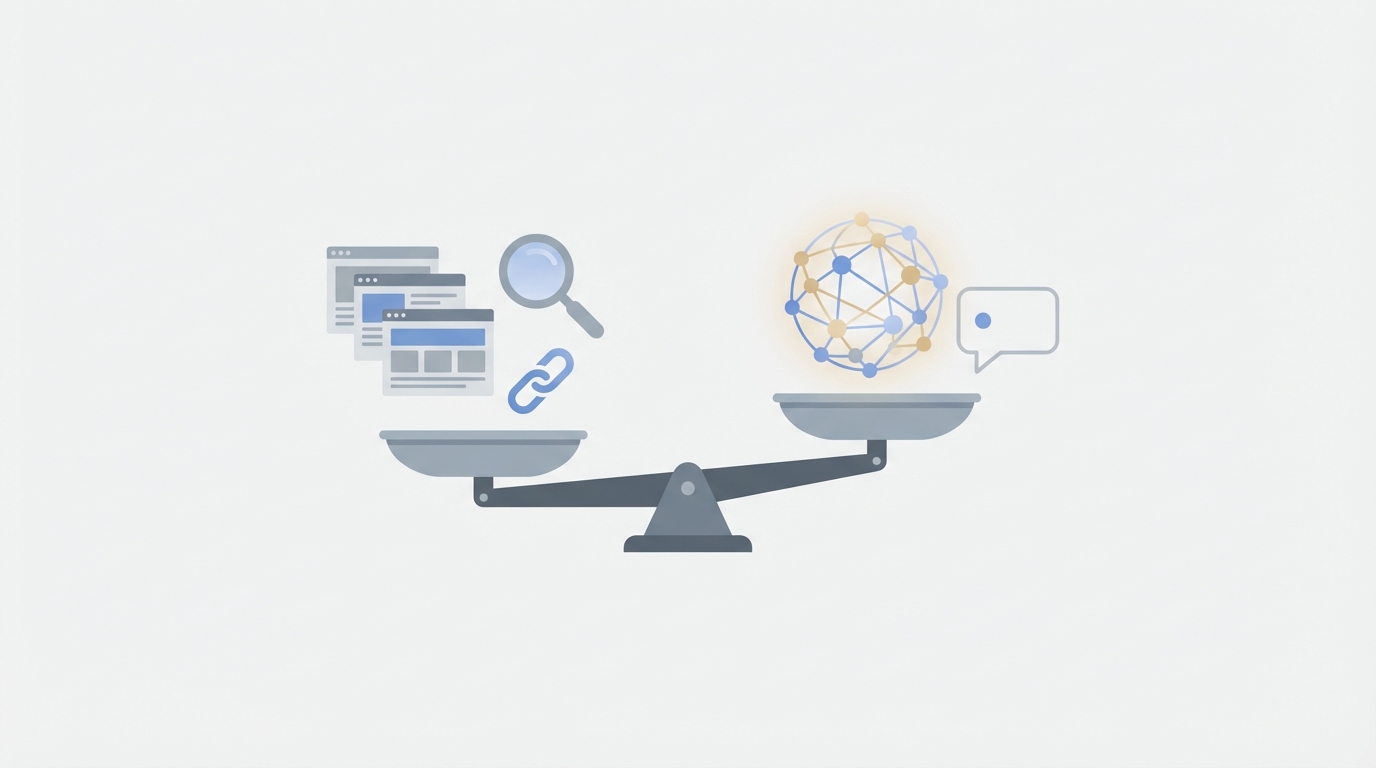
A conceptual balance illustrating how AI Overviews shift weight away from traditional organic SEO toward AI-driven answer engines.
| Tool Name | Primary Features | Pricing Basics | Compliance/Certifications | Ideal Law Firm Use Case |
|---|---|---|---|---|
| Profound Growth Package | Manages and tracks up to 100 prompts, AI-driven insights | $399/month for full package | SOC 2 Type II, HIPAA | Comprehensive AEO strategy development using AI-driven insights |
| AthenaHQ Action Center | Credit-based model for customizable alerts, data analysis | $95 first month, $295/month | Credit-based model | Monitoring brand mentions and emerging trends in legal topics |
| HubSpot Content Hub | Content management, SEO optimization, analytics | Customized pricing available | SOC 2 Compliance | Creating optimizable, SEO-friendly legal content for higher organic rankings |
| Breeze AI Suite | AI-tools for content analysis, predictive insights, and engagement boost | Contact for pricing | N/A | Advanced content analysis to fine-tune legal content strategy |
| AI Search Grader | Evaluates SEO readiness, optimization suggestions for AI search features | Contact for pricing | N/A | Evaluating and adjusting SEO strategies to gain better AI Overview placement |
Practical Strategies to Optimize for AI Overviews & Answer Engine Optimization (AEO)
Law firms must move from defensive SEO to proactive AEO. First, treat AI Overviews as a distinct placement to win. Second, prioritize measurable tactics that align with how answer engines select and cite sources.
Technical foundations
- Implement structured data and schema markup across practice area pages. Use schema for
LegalService,FAQPage, andArticleto clarify authorship and intent. Google’s structured data documentation explains supported types and best practices: https://developers.google.com/search/docs/appearance/structured-data - Ensure fast page speed and clear content hierarchy. AI systems prefer reliable, crawlable signals because they synthesize content from trustworthy sources.
- Add claimable entities and verified business profiles. As a result, answer engines can more confidently cite your firm.
Content and tactical playbook
- Focus on bottom-funnel content for transactional queries. Create clear service pages, pricing guides, and comparison pages to capture high-intent traffic.
- Produce original research and crisp summaries. Therefore, your pages become better candidates for AI citation and for driving AI referrals.
- Use prompt volume data to prioritize topics. Tools that surface real user prompts reveal which legal questions surface most often. For example, analyze prompt trends and rank opportunities by volume and conversion likelihood.
- Leverage HubSpot Content Hub for scalable briefs and editorial workflows to align SEO and AEO work. See HubSpot Content Hub
Measurement and tooling
- Track organic CTR alongside AI referrals so you measure redistribution, not only loss. Use experiments and linear regression to isolate AI Overview impact, because seasonality skews raw traffic.
- Combine AI graders like AI Search Grader with prompt intelligence platforms to refine briefs. Semrush’s AI and SEO research can help prioritize keywords for AEO: https://www.semrush.com/blog/ai-seo-statistics/
Process and organizational tactics
- Centralize AEO playbooks into the editorial calendar. Then deploy partner tools like Breeze AI Suite to accelerate content iteration.
- Train lawyers to produce short authoritative answers for FAQ blocks. Short answers often get pulled into overviews and boost citation likelihood.
These tactics create a pragmatic path to regain and protect organic visibility. By blending structured data, prompt volume prioritization, and partner tooling, law firms can convert AEO disruption into new, measurable opportunity.
Conclusion
AI Overviews and Answer Engine Optimization (AEO) require law firms to adapt strategically and quickly. The shift toward AI-driven search has redistributed organic visibility, not removed opportunity. Therefore, firms must prioritize structured data, schema markup, and concise expert answers to win citations.
Data shows top organic positions can lose more than half their CTR when AI Overviews appear. As a result, measuring AI referrals alongside organic CTR is essential. Use prompt volume to target real legal questions, and build bottom-funnel content for transactional queries that drive conversions.
Pragmatic tooling and processes matter. For example, HubSpot Content Hub and partner tools can scale editorial workflows and improve citation likelihood. Moreover, combining AI graders with prompt intelligence helps teams focus on pages that matter most.
If your firm needs specialist support, Case Quota helps small and mid-sized law firms adopt Big Law strategies. Visit Case Quota for high-level legal marketing guidance and tailored AEO programs. Case Quota advises on measurement, content structure, and citation strategies.
In short, law firms that act now can protect and grow their online presence. By aligning technical SEO, AEO practices, and focused content, firms can convert AI disruption into a durable competitive advantage.
Frequently Asked Questions (FAQs)
What are AI Overviews and Answer Engine Optimization (AEO)?
AI Overviews are concise, AI-generated summaries that appear at the top of search results. AEO focuses on optimizing content so answer engines cite your firm. In short, AEO combines structured content, authority signals, and prompt-aware writing to win AI citations.
How do AI Overviews affect organic CTR for law firms?
AI Overviews reduce clicks to traditional results. For example, position-one pages can lose more than half their CTR. Seer Interactive measured a 61 percent drop for queries with AI Overviews. Therefore, law firms face lower organic CTR but new opportunities from AI referrals.
Can law firms still gain traffic when zero-click searches rise?
Yes. Although zero-click search increases, AI referrals grow too. Brands cited in AI Overviews earn higher organic clicks and paid interest. As a result, firms that secure citations can offset lost clicks and capture qualified leads from AI-driven sources.
What immediate technical steps improve AEO outcomes?
Implement structured data and schema markup for LegalService, FAQPage, and Article. Verify business listings and claim entity profiles. Also, optimize page speed and clear content hierarchy. These steps help answer engines trust and cite your pages.
Which metrics and tools should firms use to measure AEO performance?
Track organic CTR alongside AI referrals and referral volume. Use prompt volume data to prioritize content. Combine AI graders, prompt intelligence, and CMS tools like HubSpot Content Hub to scale content briefs. Finally, run experiments and regression analysis to isolate AI Overview impact.
How should a law firm start measuring AEO impact?
Start with a focused three-step plan to measure Answer Engine Optimization results and guide investments.
- Define goals and KPIs
- Specify what success looks like: citations gained, AI referral clicks, lead volume, or conversions.
- Set baseline metrics and timeframes so progress is measurable.
- Track CTR versus AI referrals
- Monitor organic click-through rate by page and query.
- Record AI referral volume and referral click rate separately to see redistribution.
- Run small experiments
- Test format changes, structured data, and short authoritative answers on a few pages.
- Measure lift with A/B tests or holdout pages and iterate based on outcomes.