

AI-Generated Headlines in Google Search: Implications for Law Firms
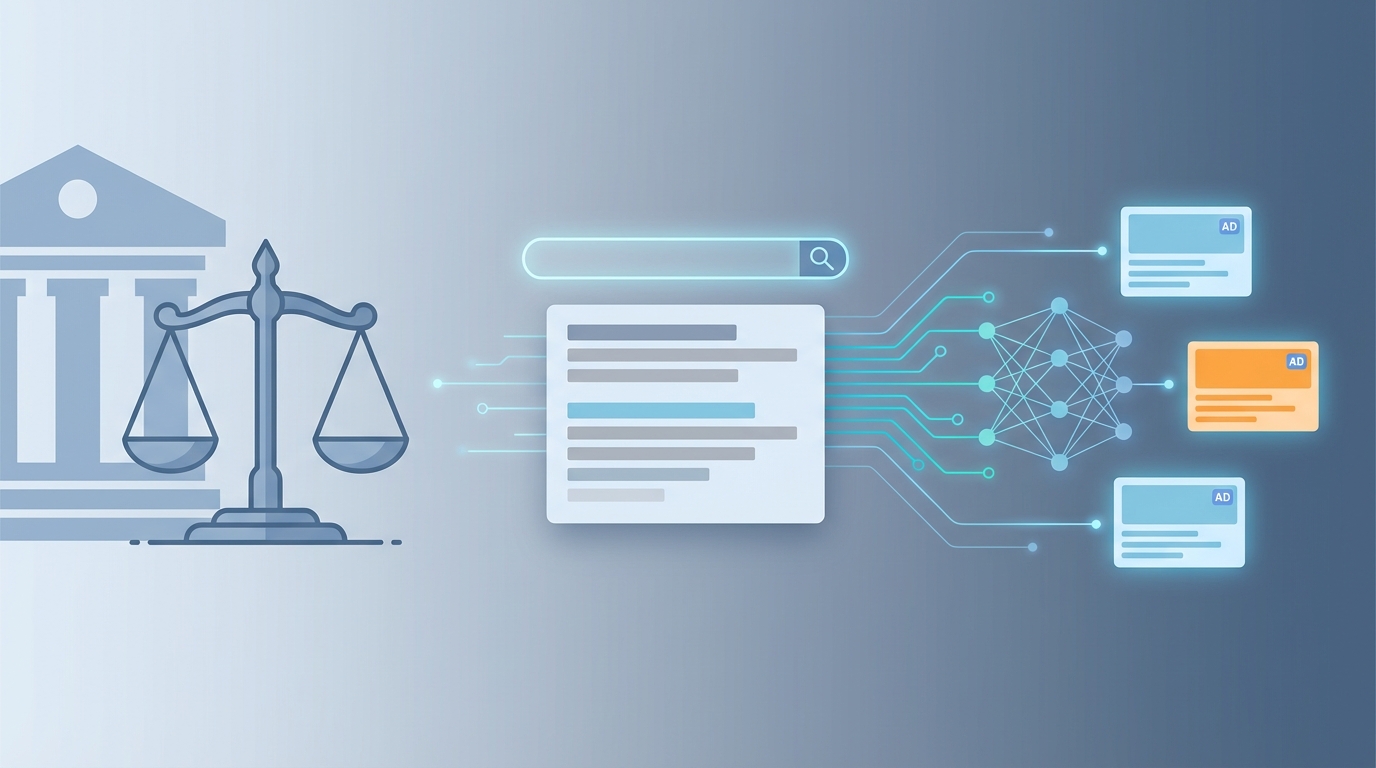
AI-generated headlines in Google Search are appearing in result snippets more often, and law firms must pay attention. This shift matters because headlines shape clicks, trust, and referral traffic. As AI rewrites titles and preview text, marketing teams face new questions about control, accuracy, and brand voice.
For legal marketers, the stakes are high. Law firm SEO depends on trust and precision, so headline rewrites can change how potential clients perceive a firm. Moreover, headline changes may alter click-through rates, impressions, and the quality of leads. Therefore, firms should treat this development as strategic, not merely technical.
This article sets an analytical and cautious tone. It explains how AI headline rewriting works, summarizes early tests, and highlights risks for publishers and law firms. We will also explore recommended safeguards for title tags, H1 headings, and metadata. Because legal content must remain accurate, the debate goes beyond SEO. It touches on editorial integrity and client protection.
Early reports show that major platforms experiment with automated title changes to improve relevance. However, publishers and publishers rights advocates express concern. If a headline shifts meaning or omits context, audience trust can erode. As a result, firms that rely on organic search should monitor SERP appearance closely.
Finally, this introduction previews practical takeaways. You will find actionable steps to preserve brand voice, test headline variants, and measure the impact on traffic sources. In short, AI headline rewrites pose both opportunity and risk. For law firms, the key will be to adapt deliberately, protect accuracy, and retain control over how their expertise appears in search.
How AI-generated headlines in Google Search change paid and organic alignment
AI-generated headlines in Google Search can alter what searchers see. For law firms, this affects both paid search and organic listings. Because headlines drive clicks, firms must align their PPC messaging with potential AI headline rewrites. Otherwise, paid ads and organic snippets may send mixed signals to prospective clients.
Why integrate AI-generated headlines in Google Search into PPC strategy
First, consider user intent and consistency. If Google rewrites a title, users may find an ad headline that feels unrelated. Therefore, align ad copy, landing pages, and metadata. This reduces friction and maintains trust. Also, Google has run limited tests of headline rewrites, which means the feature could expand. For context, see reporting on AI micro headlines and experiments: Yahoo Tech article on AI micro headlines.
Testing frameworks for AI-generated headlines in Google Search and ads
Use controlled A/B tests. Start with small, measurable experiments. Then scale winners across campaigns. Key steps include:
- Create matched headline sets for both organic title tags and ad headlines
- Run ad experiments in Google Ads using draft campaigns and ad variations
- Monitor click-through rate, bounce rate, and lead quality daily
- Use landing page experiments and schema markup to preserve context
Because Google has rewritten title tags at scale before, testing matters. See the Zyppy study on title rewrites: Zyppy study on title rewrites and reporting on title changes: Search Engine Journal reporting on title changes.
Practical tactics for law firms
- Match messaging across channels. Ensure ad headlines and descriptions echo your H1 and title tag. This supports a cohesive experience.
- Emphasize legal clarity. Use plain language and avoid sensational phrasing that AI might alter.
- Use schema and structured data. Schema increases the chance search engines find accurate page context.
- Implement robust tracking. Tie conversions to organic and paid headline variants.
- Manual spot-check SERP results weekly. Then correct metadata or on-page signals if AI rewrites mislead readers.
Balancing opportunity and editorial control
Some experts worry about headline changes. For example, critics say “This is like a bookstore ripping the covers off the books it puts on display and changing their titles.” Moreover, experienced editors note that headlines act as brand voice. As a result, firms must protect accuracy while pursuing higher CTRs.
Conclusion and next steps
Ultimately, integrate AI headline testing into your PPC roadmap. Start small, measure impact, and prioritize client trust. Because search engines will keep iterating, a combined paid and organic testing program will help law firms capture demand without sacrificing credibility.
| Aspect | AI-generated headlines in Google Search | Traditional handcrafted headlines | SEO and publisher trust impact |
|---|---|---|---|
| Headline relevance | Often optimized to query intent; updates in real time. | Crafted for brand message and legal nuance. | AI can boost relevance, but risk misleading rewrites. |
| Control over brand voice | Low to moderate; search engine may rewrite titles. | High; firm controls tone and claims. | Publisher control favors handcrafted titles; therefore trust holds. |
| Impact on click-through rates | Can increase CTR through tailored snippets. | Proven CTR when aligned with brand trust. | Test both; use A/B to measure which converts better. |
| Accuracy and factual risk | Higher chance of altered meaning because of rewrites. | Lower risk; editors verify facts before publishing. | Accuracy affects long-term audience trust and leads. |
| Speed and scalability | Fast; static content can be reskinned automatically. | Slower; requires editorial time and review. | Use AI for scale but safeguard sensitive legal claims. |
| Testing and optimization | Use automated experiments and SERP monitoring. | Use headline variants and editorial testing. | Combine testing frameworks for paid and organic campaigns. |
| Publisher trust and editorial control | May erode trust if headlines change facts. | Maintains editorial integrity and brand authority. | Publishers may push back against headline rewrites. |
| Implementation cost | Lower technical cost for headline generation. | Higher editorial and legal review cost. | Balance budget with risk tolerance and compliance needs. |
Using Paid Channels Plus Schema-Optimized Landing Pages to Capture AI-generated Headlines in Google Search Demand
Paid ads and optimized landing pages work together to capture AI-driven search intent. For law firms, this combo reduces risk and boosts ROI. It also helps protect brand voice when AI-generated headlines in Google Search alter snippets.
Why combine paid channels with schema-optimized pages
Paid channels deliver predictable visibility. Therefore, they let you control messaging while organic snippets evolve. Meanwhile, schema markup clarifies page purpose to search engines. As a result, on-page signals like title tags and H1 headings align with paid creative and user intent.
Key technical SEO elements to implement
- Schema markup: Add attorney, legalService, FAQ, and LocalBusiness schema when relevant. Use schema.org to pick types and properties. This helps search engines identify authoritative on-page sources.
- Metadata optimization: Optimize title tags and meta descriptions for intent. Then test variants to see which resist harmful headline rewrites. For guidance, see Google’s structured data overview.
- H1 and on-page sources: Ensure the H1 heading mirrors the title tag and page purpose. Include key phrases naturally to signal relevance for AI previews and headline rewrites.
- Canonical tags and structured citations: Point to a canonical landing page and include author bylines when applicable. This strengthens publisher control and factual accuracy.
Actionable steps to capture AI-driven demand
- Audit top landing pages weekly. Check title tag rewrites and SERP previews manually. Then update metadata or on-page signals when AI changes misrepresent content.
- Pair paid headlines with landing page H1s. Make sure ad copy, ad extensions, and H1 headings match the page intent and legal claims.
- Deploy schema where it matters most. Start with practice area pages and lead gen forms. Then expand to attorney bios and FAQ sections.
- Run synchronized tests. Use Google Ads experiments and organic A/B testing together. Track CTR, qualified leads, bounce rate, and time on page.
- Prioritize user intent. Focus paid spend on queries that show clear conversion intent. Also, optimize landing pages for direct answers and lead capture.
Measurement and risk management
Measure both short term and long term signals. Short term metrics include impressions and CTR. Long term metrics include lead quality and client retention. Because headline rewrites can affect trust, annotate traffic shifts and investigate sudden drops.
Use cases and final notes
A personal injury firm can use paid search to own high intent queries. Then send traffic to a schema rich landing page with clear H1 headings. Over time, this approach reduces dependence on organic headlines alone. However, remain cautious. Test constantly and preserve editorial accuracy to protect brand trust and conversion rates.
AI-generated headlines in Google Search and legal marketing
AI-generated headlines in Google Search are reshaping how potential clients find law firms. They can boost relevance and click-through rates. However, they can also change meaning or tone unexpectedly. Therefore, firms must balance experimentation with careful oversight.
Opportunities exist. For example, headline rewrites may surface more timely snippets for user queries. Paid search plus schema-optimized landing pages can capture that demand. At the same time, publisher control and editorial accuracy remain vital. If title tags, H1 headings, or metadata change, trust and lead quality may drop.
Practical steps help firms respond. First, test ad copy and organic titles together using A/B frameworks. Second, use structured data, clear H1s, and canonical tags to signal intent. Third, monitor SERP previews and annotate traffic shifts for quick action. Finally, pair paid channels with optimized landing pages to capture AI-driven demand while protecting brand voice.
Case Quota supports law firms with these strategies. As a specialized legal marketing agency, Case Quota helps small and mid-sized firms implement integrated PPC, SEO, and schema solutions. For expert assistance, visit Case Quota and schedule a consultation. Their team can build testing plans and protect publisher control for your firm.
Act now to test responsibly. By combining data, editorial care, and paid investment, your firm can gain market advantage. Stay measured, test often, and keep client trust at the center.
Frequently Asked Questions (FAQs)
How do AI-generated headlines in Google Search work, and why are they appearing?
Search engines use algorithms to analyze page content, on-page sources, and user queries. Then they may create condensed headlines that match intent. Google has tested automated headline rewrites to improve relevance, according to reporting and industry studies. However, tests are reportedly small and narrow for now. For law firms, the rewrite process can pick up title elements, H1 headings, and prominent on-page text. Therefore, clear metadata helps guide AI choices.
Will AI headline rewriting hurt my SEO and traffic?
Not necessarily. AI-generated headlines can increase relevance and click-through rates in some cases. However, rewritten titles can change tone or omit details. As a result, user trust and lead quality may decline if facts shift. Monitor metrics closely. Track impressions, CTR, bounce rate, and conversion quality after any change. Then use A/B tests to compare outcomes.
Are there ethical or legal concerns for law firms using AI-driven headlines?
Yes. Legal content must be accurate and not misleading. Therefore, altered headlines create risk for client expectations and compliance. Editorial integrity matters. Because headlines shape perception, incorrect phrasing can damage reputation. Also, firms may face regulatory scrutiny in certain practice areas. Mitigate risk by keeping factual claims explicit on the page. Then ensure author bylines and citations appear for sensitive content.
How should law firms implement practical safeguards and testing?
Use synchronized experiments across paid and organic channels. For example, run Google Ads experiments alongside organic headline variants. Optimize title tags, H1 headings, and og title meta tags to be consistent. Also deploy schema markup like FAQ, LegalService, and LocalBusiness where relevant. Perform weekly manual spot-checks of SERP previews. Then update metadata quickly when AI rewrites misrepresent your content. Prioritize user intent. Allocate paid spend to high intent queries while refining landing pages for direct answers.
What metrics and processes should we use to measure impact?
Measure short term: impressions and CTR by query and page. Also watch bounce rate and session duration. Measure long term: qualified leads, client retention, and revenue per lead. Because headline rewrites can change lead mix, annotate traffic shifts for correlation. Use a dashboard that ties organic snippets, ad variants, and landing page performance together. Then iterate weekly based on data.
If you test responsibly, AI-generated headlines in Google Search can be an advantage. However, remain cautious and prioritize accuracy to protect your firm’s reputation.