

AI-driven Search and the Evolution of Discovery, Delegation, and Infrastructure
AI-driven search and the evolution of discovery, delegation, and infrastructure is reshaping how law firms find clients and surface expertise. Search now behaves like a proactive agent more than a passive index. Therefore firms must move beyond ranking to being selected as input. This introduction frames technical and strategic changes for SEO and legal marketing.
Discovery now blends relevance, locality, and persistent context. Because assistants use context, content must match user intent across sessions. Consequently short form and click bait lose their advantage. Instead depth, expertise, and topical authority gain weight.
Delegation compresses journeys into ask, delegate, review, decide loops. As a result, agents will favor inputs that are concise and verifiable. Therefore your pages must expose facts and signals clearly to machines. In addition, schema, canonical clarity, and clean HTML become signal carriers.
Infrastructure determines whether agents can fetch and trust your content. For example, ETag headers cut redundant crawling while saving bandwidth. Moreover resource hints such as dns prefetch and preload speed the experience. Valid HTML and proper placement of canonical and hreflang tags matter. Thus engineering and SEO must collaborate on publishing pipelines and sitemaps.
Threats include prompt injection and AI recommendation poisoning across assistants. However firms can mitigate risk with provenance signals and strict content controls. Because legal advice carries liability, accuracy and transparency are non-negotiable. Meanwhile paid intelligence tiers and memory controls will shape user expectations. Therefore firms should plan for an era where agents mediate client intake.
This article unpacks recent evidence and practical steps for law firms. It uses Discover update data, AI assistant behavior, and infrastructure guidance. Consequently readers will find tactical recommendations for content, technical SEO, and monitoring. Read on to align your practice with AI driven discovery and selection.
Later sections will include diagnostic checks and measurable KPIs. They will also show how to instrument agent level analytics. Together they create an operational roadmap for adaptation.
AI-driven search and the evolution of discovery, delegation, and infrastructure
AI transformed discovery from a pull activity into a mixed push pull system. Now assistants proactively surface answers. As a result, discovery happens inside agent contexts. Therefore publishers no longer compete only for clicks. Remember the line: “If an agent is doing the discovery work, your job is no longer only about earning a click. It becomes about being selected as input, and that is a different competitive game.”
Delegation changes how users complete tasks. An assistant may gather options, summarize evidence, and recommend the next step. Consequently the user often delegates research and initial screening to the agent. Then the human reviews, verifies, and decides. This agent loop compresses the user journey into ask, delegate, review, decide.
Concrete signals now matter more than generic ranking factors. For example Google has signaled that deeper, local, and expert content performs better in Discover, and publishers saw shifts after the February update. For monitoring, tools like NewzDash map Discover trends across domains and articles. Meanwhile security researchers warn of manipulation risks. Microsoft documented AI Recommendation Poisoning and persistent injection attempts.
Key technology shifts
- AI memory and persistent context drive multi session relevance. Because agents recall past interactions, content must remain consistent.
- Agent loops compress discovery, delegation, and review into a single flow. As a result, selection signals replace clicks.
- Provenance and verifiable facts counter recommendation poisoning. Therefore traceable sources gain value.
- Resource hints and infrastructure signals improve fetch reliability. For example DNS prefetch aids latency and ETag headers reduce redundant crawling.
- Structured data and canonical clarity help agents extract facts quickly. Consequently schema and valid HTML act as machine readable signals.
Examples make the shift visible. Local legal guides that show jurisdiction, named statutes, and citations become preferred inputs. In contrast, clickbait summaries fall out of favor. Because law firms face liability, accuracy and provenance matter more than ever. Therefore firms should tune content to be agent friendly, verifiable, and resilient to manipulation.
In the next section we will unpack technical implementations. It will include schema patterns, signal testing, and monitoring approaches for law firms adapting SEO.
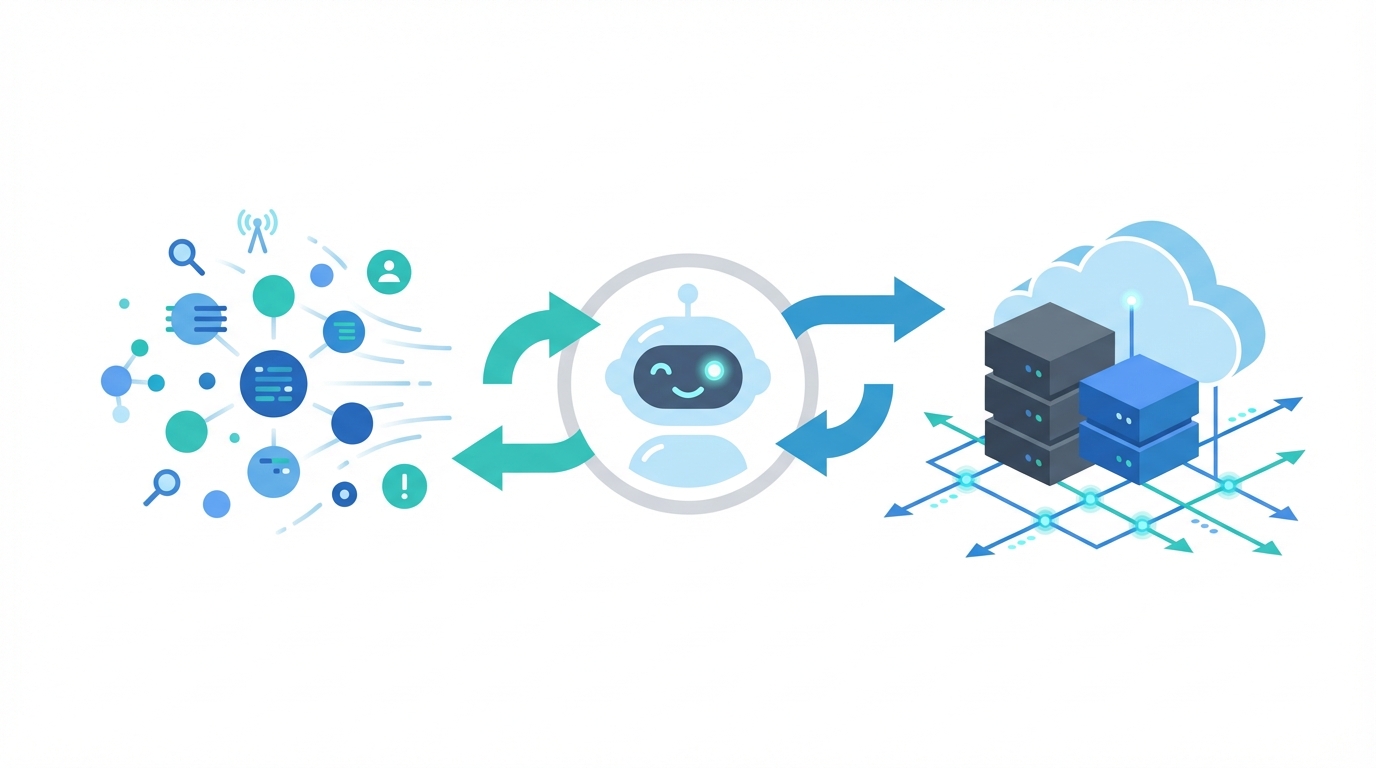
Infrastructure Advances and Google Algorithm Updates on Discovery
Google’s recent changes emphasize local relevance and authoritative content. The Google Discover core update reduced low quality and clickbait items. For example, NewzDash measured shifts in publisher visibility before and after the February update. Their analysis shows unique publishers dropped from 172 to 158 in the US. See the Discover Pulse data here: Discover Pulse data.
Beyond ranking signals, the Discover documentation now asks sites to “Provide a great page experience.” In practice, this means fewer intrusive ads, clearer page layouts, and faster load times. The quote is explicit: “Beyond clickbait and related things, the Discover documentation now includes ‘Provide a great page experience’ as well.”
Infrastructure matters because agents and crawlers rely on reliable fetch behavior. Implementing ETag headers helps servers return 304 Not Modified responses. Consequently, crawlers make fewer full downloads. Google documented how HTTP caching and ETag reduce unnecessary crawling here: HTTP caching and ETag documentation.
Browser and agent level fetches also benefit from the Speculation Rules API. This API speeds perceived search experience by preconnecting or prefetching likely result pages. As a result, search interactions feel instant, and page weight becomes a greater penalty. Chrome’s Speculation Rules API overview is at: Speculation Rules API overview.
Key SEO impacts for law firms
- Local topical authority matters more because Discover favors regional and expert content.
- Page experience affects visibility so optimize Core Web Vitals and remove intrusive elements.
- ETag headers and caching reduce crawl waste and lower server load, improving index efficiency.
- Speculation Rules API readiness shortens time to interaction and raises the value of lightweight pages.
- Structured data and clear canonical tags help agents extract trustable facts.
Law firms should audit discovery signals and server headers. Start by checking ETag implementation, canonical placement, and schema coverage. Also, monitor Discover visibility trends with tools like NewzDash. Finally, coordinate SEO, engineering, and legal teams to maintain provenance and accuracy. Because legal content carries risk, transparency improves both trust and agent selection in AI driven discovery.
Comparative Table of AI Assistants and SEO Implications
| AI Assistant | Key Features | SEO Impact | Relevance to Law Firms |
|---|---|---|---|
| Copilot | Microsoft integration; real-time web context; workflow automation | Rewards authoritative docs and enterprise signals; can favor Microsoft sources; watch prompt injection risks | High for firms on Microsoft stack; good for internal KBs and intake automation |
| Claude | Safety-first design; long context windows; memory controls | Favors provenance and cautious summaries; values clear citations | Useful for drafting, compliance checks, and risk-averse summarization |
| Gemini | Google multimodal agent; Search and Overviews integration; multimodal answers | Strong influence on Discover and AI Overviews; rewards structured data and page experience | Very relevant after Google Discover core update; prioritize schema and Core Web Vitals |
| Perplexity | Retrieval augmented answers; explicit source citations; web grounding | Prioritizes up-to-date sources and visible citations; benefits clearly sourced content | Good for current case law, statute updates, and cited legal research |
| Grok | Real-time social and news signals; fast conversational responses | Surfaces recent and concise content; may amplify social posts and briefs | Monitor firm social channels and short updates for visibility |
| ChatGPT Pro | Paid tier; higher limits; memory and priority access | Memory-enabled interactions raise persistent context weight; paid tiers shape selection | Valuable for long-term client threads and memory-enabled content strategies |
Conclusion
AI agents change how prospects discover legal help. Firms must shift from chasing clicks to being selected as inputs. Consequently strategy now combines content depth, provenance, and engineering.
First, prioritize accurate, cited content and jurisdictional signals. Use structured data and clear canonical placement to help agents extract facts. Also optimize page experience and Core Web Vitals to meet Discover expectations. Finally implement ETag headers and resource hints to reduce crawl waste and speed fetches.
Second, instrument agent level analytics and memory aware tracking. Measure selection rate not just clicks. Because agents can persist context, track multi session conversions. Coordinate SEO and engineering to automate provenance and error checks.
Third, mitigate manipulation risks by adding provenance, versioning, and strict publishing controls. Monitor recommendation poisoning attempts and test prompts against your content. Meanwhile maintain valid HTML so agents parse your pages reliably.
Case Quota helps small and mid sized law firms apply Big Law strategies for digital dominance. Visit Case Quota to explore services tailored to legal practices. In short, AI-driven search and the evolution of discovery, delegation, and infrastructure demand technical rigor and continual testing. Act now to turn agent mediated discovery into a sustainable competitive advantage.
Begin with a technical audit of content, schema, and server headers. Then test representative prompts to observe agent selection behavior. Also run monthly audits on Discover visibility, selection rate, and crawl efficiency. For implementation support schedule a technical SEO audit with Case Quota and prioritize quick wins that improve selection and reduce liability today. Start now.
Frequently Asked Questions
How does AI change discovery for law firms?
AI changes discovery by adding persistent context and agent selection. Because agents remember past queries, relevance spans sessions. Therefore law firms must provide consistent, authoritative content. Use structured data and jurisdiction tags so agents extract accurate facts. Monitor Google Discover trends with third party tools such as NewzDash. In short, focus on depth, provenance, and local signals.
What is the delegation or agent loop, and why does it matter?
The agent loop compresses ask, delegate, review, and decide. As a result users rely on agents to shortlist options. Consequently your goal shifts from clicks to selection as input. For this reason craft concise summaries, clear citations, and machine readable signals. Also test representative prompts to see which pages agents choose.
Which infrastructure changes should law firms prioritize?
Prioritize caching, fetch reliability, and page experience. Implement ETag headers to reduce redundant crawling and save bandwidth. Google explains caching benefits here: Google Caching Benefits. Also prepare for the Speculation Rules API to speed perceived search interactions: Speculation Rules API. Finally, validate HTML, canonical placement, and hreflang tags so agents parse your site reliably.
How big is the risk from prompt injection or recommendation poisoning?
The risk is material and growing. Microsoft documented recommendation poisoning attempts across assistants: Microsoft on Recommendation Poisoning. Therefore add provenance signals, versioning, and strict publishing controls. Meanwhile conduct regular prompt audits and sandbox tests. Because legal advice carries liability, maintain transparent sourcing and corrections.
What tactical SEO steps yield the fastest wins?
Start with a technical audit and quick fixes. First, add schema for practice areas, locations, and author credentials. Second, enable ETag headers and resource hints like dns prefetch. Third, improve Core Web Vitals and remove intrusive elements. Fourth, instrument agent level metrics to measure selection rate not just clicks. Finally, coordinate SEO, engineering, and compliance teams to sustain accuracy.