

AI-driven search advertising for law firms
AI-driven search advertising is reshaping how law firms reach clients in competitive markets. Because of advances like Google AI Max, advertisers can combine generative models with search intent. However, law firms face extra constraints. They need powerful ad formats and strict compliance controls. Therefore this introduction sets a cautiously optimistic tone about new AI features.
Why this matters now
Legal markets grow more competitive every year. As a result, firms must adopt cutting-edge strategies to win cases and clients. AI-driven formats promise better reach and smarter bidding. Moreover, they can surface ads for complex search queries. AI Mode lets ads appear for exploratory user searches and deeper intent.
What to expect in this article
This guide explains AI-powered ad formats and compliance safeguards for law firms. It covers AI Max and AI Brief features, Text Disclaimers, Final URL Expansion, and Performance Max. You will also get practical tips on handling regulated content. Because compliance matters, we focus on controls that preserve required legal language.
Key takeaways include
- How Google Gemini powers AI Brief and supports creative ad copy
- Why Text Disclaimers matter for regulated industries and legal ads
- Tactical steps to balance conversions, CPA, and ROAS when using AI Max
A pragmatic note
Early data shows promise, but results vary across accounts. For example, some advertisers saw conversion lifts with AI Max, while CPA and ROAS were less predictable. Therefore readers should test carefully and keep strict compliance checks in place. Ultimately, AI-driven search advertising offers new tools. With the right guardrails, law firms can gain reach without sacrificing ethical and legal requirements.
AI-driven search advertising: AI Max and AI Mode benefits for law firms
AI Max and AI Mode represent new AI-driven ad formats inside Google Ads. Because they blend generative models with search intent, they matter for law firms. AI Max uses AI Brief and other features to generate and optimize ad creative. Moreover, AI Brief is powered by Google Gemini, which helps craft text and match user intent.
How they work in the Google Ads environment
- AI Max integrates generative ad creative with automated bidding and inventory expansion. As a result, Search campaigns and Performance Max can use AI-generated assets. AI Brief supplies creative suggestions and landing page signals to the system.
- AI Mode changes when and how ads surface. Specifically, it can show ads for longer, more exploratory queries. Therefore ads can appear for deeper, complex searches that signal early-stage intent.
- Both formats feed machine learning signals back into bidding and targeting. Consequently the system learns which copy, assets, and keywords correlate to Conversions.
Why law firms benefit
Law firms face long consideration cycles and complex queries. AI Mode helps capture those multi-step searches because it surfaces ads on nuanced queries. Additionally, AI Max can speed creative testing. As a result, teams can iterate faster on headlines and descriptions. Early reports show lift in performance. For example, Google announced about a 7 percent average increase in conversions at similar ROAS or CPA. Also, an analysis by Mike Ryan at SMEC across 250 plus campaigns showed a 13 percent lift in conversion value, although CPA and ROAS varied.
Key advantages
- Better reach for complex searches and intent signals
- Faster creative testing and scalable ad variations
- Smarter bidding feeds that optimize for conversions
- Use of Google Gemini for more relevant copy and assets
- Easier use across Search campaigns, Shopping, and Performance Max
Possible challenges and cautions
- Conversion lifts can vary by practice area and geography
- CPA and ROAS may be less predictable initially
- Compliance matters for regulated legal claims, therefore guardrails are essential
- Final URL Expansion and text disclaimers can change how customization works
For more context, see Google Ads notes on AI features and Google AI resources. Industry coverage appears at Search Engine Journal.
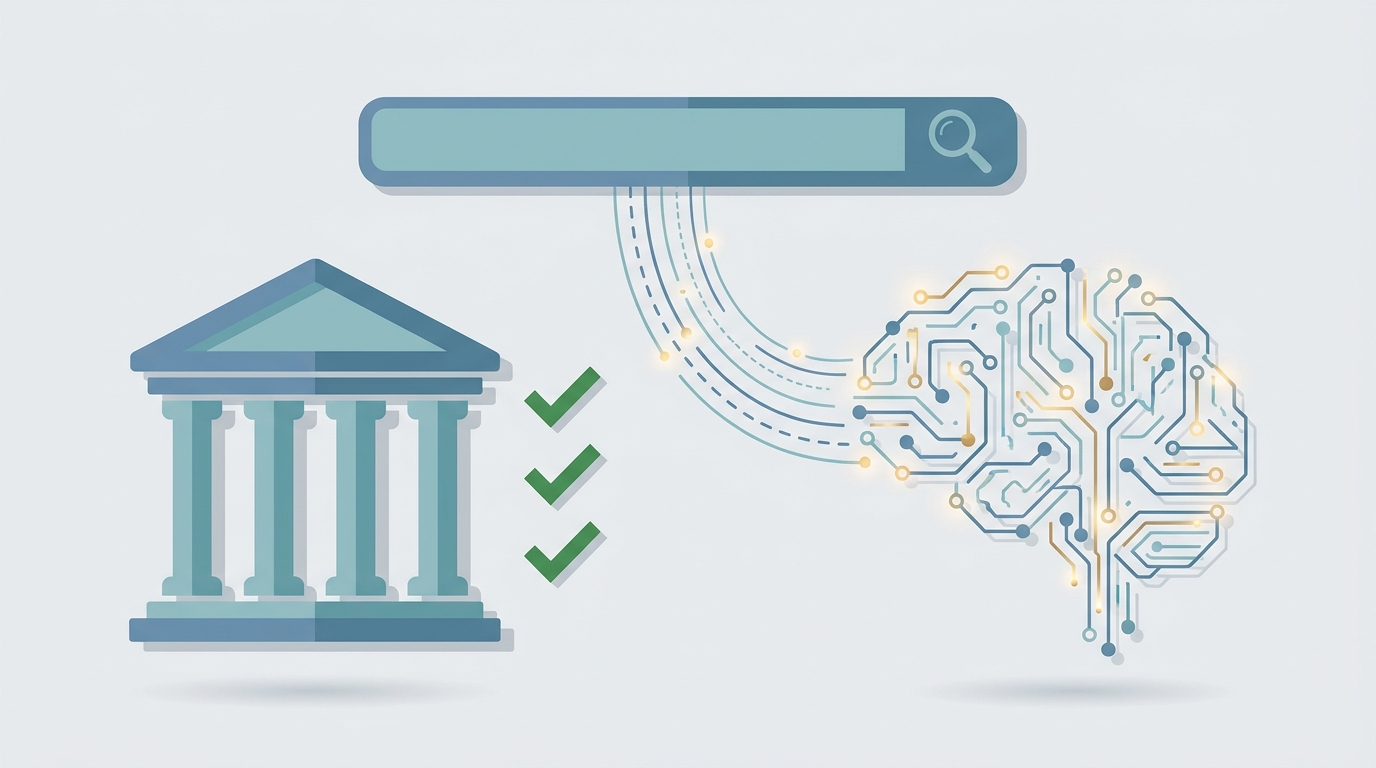
Compliance controls and Text Disclaimers for AI-driven search advertising
Law firms must balance innovation with strict compliance. Google now offers features that help keep legal advertising compliant. Text Disclaimers and Final URL Expansion (FUE) work together to protect required language while enabling advanced targeting.
What Text Disclaimers do
Text Disclaimers guarantee that legally required text appears in ads. Therefore advertisers can use AI generated assets without losing mandatory messaging. Moreover this feature pairs with AI Brief and AI Max to let systems generate creative while preserving compliance lines. Search Engine Journal covers the rollout and use cases in depth.
How Final URL Expansion (FUE) fits
Final URL Expansion (FUE) lets Google select the most relevant landing page on your domain for a query. As a result, FUE improves relevance and can boost conversions. However, FUE previously limited some text customization options. Now Text Disclaimers allow you to keep required messaging even when FUE runs. For more about how Google adjusts URL and asset choices, see Search Engine Land.
Key compliance controls and practical steps
- Use Text Disclaimers to lock in required disclaimers and legal language. Therefore you retain regulatory text across AI generated ads.
- Review domain inclusion and exclusion lists in FUE. As a result you can prevent certain pages from serving as landing pages.
- Maintain a compliance checklist for state and industry rules. Moreover document the exact disclaimer text to avoid disputes.
- Test AI generated assets in a controlled budget before scaling. Consequently you reduce risk and spot compliance issues early.
Table: Traditional customization versus Text Disclaimers
| Area | Traditional ad text customization | Text Disclaimers (new) |
|---|---|---|
| Works with Final URL Expansion | Often restricted when FUE is enabled | Designed to guarantee required text while allowing FUE |
| Control over mandatory wording | Manual edits required across assets | Locks required phrases so they always appear |
| Scale for many queries | Time consuming and error prone | Scales across generated variants automatically |
| Best fit for regulated industries | Risky without strict review | Better fit because it preserves legal language |
Additional notes and rollout
Google has emphasized language support and broader rollouts. Also third party writeups and industry trackers note growing support for Text Guidelines and multi language behavior. See PPC News Feed for language details.
In short, Text Disclaimers plus Final URL Expansion (FUE) help law firms use AI driven ad formats while keeping compliance controls tight. However you still must audit creative and landing pages regularly to avoid regulatory risk.
Text customization versus Text Disclaimers (FUE)
| Feature | Traditional Text Customization | Text Disclaimers with FUE |
|---|---|---|
| Compliance Assurance | Manual edits needed to meet regulations. Risk of missing required phrases. | Guarantees required legal text appears. Locks mandatory wording across variants. |
| Use with Final URL Expansion | Often blocked or limited when FUE is enabled. Advertisers lose flexibility. | Designed to work with FUE while preserving required language and relevance. |
| Languages Supported | Depends on manual setup for each language. Time consuming to scale. | Rolling out globally across languages. Scales across translations automatically. |
| Impact on Ad Performance | Can limit automation and relevancy. Therefore performance may suffer. | Enables advanced targeting and personalization while preserving compliance. Often boosts conversions. |
Conclusion
AI driven search advertising is changing law firm marketing in measurable ways. AI Max and AI Mode let firms reach clients across intent stages. Text Disclaimers bring compliance controls to generative ad formats. Together these tools increase relevance and speed creative testing.
Practically, firms gain several advantages. Capture exploratory searches because AI Mode surfaces ads for complex queries. They can scale ad variations quickly because AI Max automates creative and bidding. Preserve required legal language because Text Disclaimers lock mandatory wording. As a result conversion opportunities can rise while compliance risk falls.
Despite promise, proceed with caution. Performance can vary by practice area and geography, therefore test before scaling. Monitor CPA and ROAS closely and keep manual compliance reviews in place. Also audit landing pages and domain settings when using Final URL Expansion to prevent mismatches.
Case Quota helps small and mid sized law firms adopt these strategies. Visit Case Quota to learn how specialized legal marketing teams combine AI features with compliance controls. Start a conversation today at Case Quota and see how your firm can gain market share. Our team guides compliance first testing and incremental scaling for safer results. Contact us to get started. We are ready to help.
Frequently Asked Questions (FAQs)
What is AI-driven search advertising and how do AI Max and AI Mode fit?
AI-driven search advertising uses large language models to improve ad relevance and reach. AI Max combines generative ad creative with automated bidding and inventory expansion. AI Brief, powered by Google Gemini, feeds creative prompts and landing page signals into the system. AI Mode surfaces ads for longer, exploratory searches and complex queries. Together these features help Search campaigns optimize toward conversions and user intent.
How can law firms use AI Max and AI Mode to improve conversions?
Law firms can use these tools to capture intent across decision stages. First, use AI Mode to reach users researching complex legal topics. Then, deploy AI Max to generate multiple ad variations quickly. Also, tie ads to relevant landing pages and conversion actions. Finally, measure conversions closely and iterate. By testing creative and bidding, firms can increase leads while refining CPA and ROAS.
What compliance controls should legal advertisers use with AI features?
Text Disclaimers and careful Final URL Expansion settings are critical. Use Text Disclaimers to lock required legal language into ads. Therefore required phrases remain visible even when assets auto-generate. Also, configure FUE domain include and exclude lists to control landing pages. Regular audits of ad text and landing content reduce regulatory risk. Moreover, keep manual review steps for sensitive practice areas.
What risks or limitations should law firms expect?
AI features can boost conversions but have variance. For example, early studies showed conversion value lifts but mixed CPA and ROAS. Performance varies by practice area and location. Also, automated FUE could send traffic to pages that lack required disclaimers. Therefore monitor landing pages closely and pause problematic auto rules. Finally, treat AI outputs as drafts that need human review before scaling.
How should a small or mid-sized law firm start testing AI-driven search advertising?
Begin with a controlled test budget and clear KPIs. Run Search campaigns and small Performance Max tests first. Use AI Max to generate creatives, while locking mandatory wording with Text Disclaimers. Track conversions and CPA daily, then adjust bids and audiences. Scale gradually when results match your targets. As a result, you minimize risk and gain data to inform larger campaigns.
If you need hands-on help, this FAQ complements the deeper sections in this guide. The ideas here focus on practical steps to adopt AI while keeping compliance intact.