

AI-Driven Advertising Updates for Law Firms
AI-driven advertising updates across PPC and ChatGPT ads are changing how law firms allocate budgets. Law firms now face decisions about mixing traditional PPC spend with conversational ad placements. Because these updates include campaign total budgets and AI Mode features, marketers must adapt quickly. As a result, firms can run short promotions and optimize for intent-driven client matches.
This article examines practical steps for combining PPC budgets with AI-driven ad placements. We analyze campaign total budgets, budget pacing, and Performance Max implications. Moreover, we explore ChatGPT ads and privacy guardrails that affect client acquisition. The goal is to help firms balance spend, measurement, and ethical advertising.
Practically, lawyers need clear bidding strategies and measurement frameworks. For example, Direct Offers in AI Mode changes how promotions surface. However, firms should note that total budgets do not guarantee full delivery. Therefore, ongoing testing and close monitoring remain essential for reliable results.
Later sections provide case ideas, tracking templates, and tactical checklists. You will also find guidance on avoiding sensitive targeting and preserving client privacy. Finally, we weigh risks and opportunities from ChatGPT Free and ChatGPT Go ads. Together, these insights will help law firms make smarter advertising choices. Read on for tactical examples and measurement templates.
AI-driven advertising updates across PPC and ChatGPT ads: Google campaign total budgets for law firms
Google now offers campaign total budgets in open beta for Search, Performance Max, and Shopping campaigns. These budgets let firms set a fixed total spend for three to ninety days. As a result, you can plan short promotions and seasonal pushes without daily budget juggling. Google will pace spend automatically to try to use the full budget by the end date. However, total budgets do not guarantee full delivery. Demand, targeting, bids, and inventory can limit spend. Law firms should therefore use total budgets for focused tests and promotional windows rather than as a permanent budget strategy. For official details see Google’s announcement at Google’s Campaign Total Budgets Announcement and a practical rundown at Search Engine Land.
Practical implications for law firms
First, designate campaigns that suit fixed windows. Use campaign total budgets for events like free consultations, limited-time webinars, and seasonal intake drives. Second, pair total budgets with stricter targeting and bid strategies. Otherwise, the platform may underdeliver. Third, set clear measurement windows so you can compare performance across fixed and daily budgets. Moreover, use short flighted campaigns to test messaging and landing page changes quickly.
AI-driven advertising updates across PPC and ChatGPT ads: ChatGPT ad testing, labeling, and privacy
OpenAI is testing ads in ChatGPT Free and ChatGPT Go in the United States. Ads appear at the bottom of responses, will be clearly labeled, and users can dismiss them. In addition, Pro, Business, and Enterprise tiers remain ad-free. ChatGPT Go costs eight dollars per month and expands features such as image generation and memory. Early coverage explains the rollout and guardrails in detail at TechCrunch.
Privacy and measurement notes
Importantly, OpenAI says conversations will not be shared with advertisers and user data will not be sold. Ads will avoid sensitive topics and will not show to users under eighteen. Still, there are no fully detailed buying models or targeting specs yet. Therefore, law firms should watch tests closely and plan conservative experiments. Finally, Google’s AI Mode and Direct Offers pilot suggest similar shifts in how promotions surface, which you can read about at TechRadar.
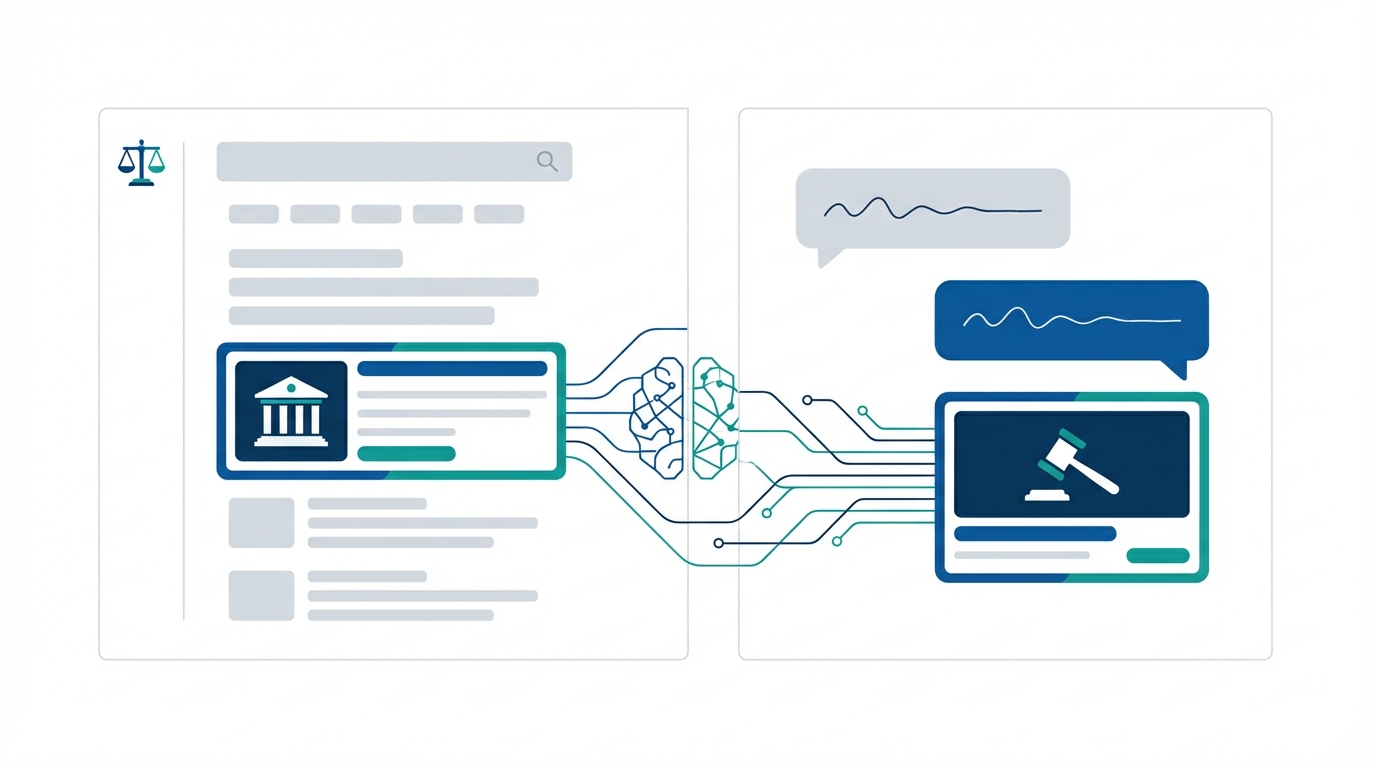
| Feature Category | PPC Campaigns (Google) | ChatGPT Ads (OpenAI) |
|---|---|---|
| Budget Management | Campaign Total Budgets: Set a fixed total budget for 3 to 90 days; Google automatically paces spend. Source: Google’s Blog |
Subscription Model for Ads: ChatGPT Go costs $8 monthly. Ads show in Free tier; Business/Enterprise tiers ad-free. Source: TechCrunch Article |
| Pacing | Automatically adjusts spend for full budget utilization within set timeframes. | Ads appear at the bottom, clearly labeled, and are dismissible. Pacing not specified. |
| Ad Formats | Combines traditional ad formats: Search, Performance Max, and Shopping. | Examples include grocery item recommendations and sponsored lodging listings. Limited testing phase. |
| Targeting Limitations | Dependent on campaign settings, potential delivery limitations due to demand, targeting, and inventory restrictions. Source: Search Engine Land |
No fully detailed buying models or targeting specs available. Ads avoid users under 18 and sensitive topics. Source: TechCrunch Article |
| Privacy Considerations | User data is managed without direct sharing with advertisers; bidding strategies influence privacy. | Conversations not shared with advertisers, and user data not sold. Source: TechRadars Coverage |
| Early Adoption | Petco, e.l.f. Cosmetics, Samsonite, Rugs USA among early partners for Direct Offers pilot. | No announced partners for ad testing, still in limited test phase. |
Practical strategies to apply AI-driven advertising updates across PPC and ChatGPT ads
Law firms can blend fixed PPC budgets with AI placements to find clients more efficiently. Because these updates add new controls and channels, firms must adjust strategy. This section offers step-by-step tactics to optimize spend, protect privacy, and measure outcomes.
Use campaign total budgets and budget pacing for short promotions
Adopt campaign total budgets for limited offers, seasonal intake pushes, and event-driven campaigns. Google now supports total budgets for Search, Performance Max, and Shopping campaigns, which run for three to ninety days and pace spend automatically. For details see Google’s announcement at Google’s announcement and practical coverage at Search Engine Land.
Tactical steps
- Pick short, well-defined campaign windows. For example, run a two-week consultation offer. Because the budget is fixed, you avoid daily reallocation.
- Use tighter targeting and higher intent keywords during the flight. Otherwise, pacing can underdeliver when demand is low.
- Lock landing pages and creative before launch. As a result, you can isolate messaging variables during the short test.
- Set conversion windows that match the flight. Then compare cost per lead across total and daily budget campaigns.
Leverage AI-driven ad optimization and AI Mode features
Employ automated creatives and responsive assets to improve match rates. Google’s AI Mode and Direct Offers pilot show how promotions can surface at intent moments. Moreover, use Performance Max to test multi-channel creative combinations quickly.
Tactical steps
- Feed high-quality landing page signals into automations to boost relevance. For example, ensure GCLID tracking and clear call to action.
- Create two creative sets: one AI-optimized, one manually tuned. Then test which delivers lower cost per qualified inquiry.
- Use short flight tests to evaluate Direct Offers–style promotions if available, but avoid deep reliance until reporting stabilizes.
Test ChatGPT ads cautiously with privacy-conscious deployment
OpenAI is testing ads in ChatGPT Free and ChatGPT Go. Ads appear at the bottom of responses, are labeled, and can be dismissed. OpenAI also states it will not sell conversations to advertisers. See coverage at TechCrunch.
Tactical steps
- Start with informational sponsored content that answers common legal questions. Because ChatGPT surfaces answers organically, helpful content can build trust.
- Avoid sensitive practice areas in conversational ad tests. For example, health or immigration topics may be restricted.
- Track clicks and downstream conversions with UTM parameters and server-side tagging. Then attribute leads back to the chat touchpoint.
- Monitor privacy guardrails and age restrictions. Do not attempt to reconstruct conversation data for targeting.
Measurement, attribution, and reporting
Integrate CRM and server-side analytics to capture leads. Because chat interfaces may not provide click-level models, use multi-touch attribution. In addition, compare performance across three buckets: total-budget PPC, daily-budget PPC, and ChatGPT placements.
Key metrics
- Cost per qualified lead
- Lead quality rate and case value
- Time to contact and intake conversion rate
- Incremental lift from chat placements versus baseline PPC
Quick action checklist for law firms
- Define two flighted campaigns using campaign total budgets
- Prepare AI-optimized and manual creative sets
- Enable server-side tracking and CRM attribution
- Run small ChatGPT experiments with conservative budgets
- Review privacy rules and avoid sensitive targeting
- Compare results after each flight and iterate
These strategies let law firms balance controlled PPC spend with emerging AI placements. Therefore, firms can test aggressively while protecting client privacy and preserving measurement clarity.
AI-driven advertising updates across PPC and ChatGPT ads create clear opportunities and new constraints for law firms. They let firms target high-intent prospects while testing conversational placements in a privacy-first environment. However, measurement, targeting details, and supply limits still require careful strategy and testing.
Use campaign total budgets for short, focused flights and to control spend predictably. Because Google automatically paces spend, firms should pair fixed budgets with tighter targeting and clear conversion windows. As a result, you can isolate messaging and measure incremental lift reliably.
Test ChatGPT placements cautiously and prioritize non-sensitive practice areas. Moreover, start with helpful answers that build trust rather than overt promotions. In addition, track chat-driven traffic with UTMs and server-side analytics to tie leads to intake.
Expect gaps in targeting details and measurement during early ad tests. Therefore, keep budgets conservative, run short experiments, and prioritize lead quality. Finally, combine automated creatives with manual controls to protect margins and client privacy.
These updates change the playbook, but small and mid-sized firms can compete. Case Quota helps firms adopt Big Law strategies at scale and win market share. Visit Case Quota to explore expert legal marketing solutions and book a consultation. Start testing now and iterate fast to capture intent-driven clients before competitors do.
Workflows that combine CRM triggers, call tracking, and automated follow-ups increase conversion rates. Moreover, integrating multi-touch attribution helps show where ChatGPT placements add incremental value. Because privacy rules evolve, maintain compliance and document your data handling practices. Contact Case Quota for a strategy audit tailored to your firm.
Frequently Asked Questions (FAQs)
Will campaign total budgets pace my spend predictably for short law firm promotions?
Yes. Google will attempt to pace spend so your campaign uses the full budget by the end date. However, total budgets do not guarantee delivery. Demand, targeting, bids, and available inventory can limit spend. Therefore, use total budgets for defined promotions, tests, and seasonal pushes. In addition, pair fixed budgets with tighter targeting and conversion windows. This approach reduces wasted spend and improves measurement clarity.
How transparent will ChatGPT ads be, and can users dismiss them?
OpenAI plans clear labeling and dismissal controls for ChatGPT Free and ChatGPT Go ads. Ads will sit below chat responses and users can dismiss them. Moreover, Pro, Business, and Enterprise accounts remain ad-free. As a result, ad exposure is explicit and separate from the answer content. Still, buying models and targeting specs are not fully released yet. Consequently, measure early tests conservatively until the ad ecosystem matures.
What privacy rules should law firms watch when testing ChatGPT placements?
OpenAI says it will not sell conversations to advertisers. In addition, conversations will not be shared with advertisers for targeting. Ads will avoid sensitive topics and not show to users under eighteen. However, law firms must still respect client confidentiality. Therefore, avoid testing sensitive practice areas in conversational ads. Finally, use server-side tagging and consented data flows to protect privacy and remain compliant.
Are these AI-driven advertising updates effective for law firm client acquisition?
They can be effective when you match intent with clear offers. For instance, flighted campaigns with campaign total budgets help capture short-term demand. Also, ChatGPT placements can surface informational prompts that build trust. However, do not expect instant scale from chat ads during early tests. Instead, run small experiments, track lead quality, and compare cost per qualified lead across channels. Over time, iterative testing often improves efficiency and lowers acquisition costs.
What should small and mid-sized law firms do next to prepare for these updates?
Start with a conservative test plan. First, run two flighted PPC campaigns using campaign total budgets. Second, enable server-side tracking and CRM tying. Third, create informational chat ads for non-sensitive areas and run limited experiments. In addition, measure cost per qualified lead, time to contact, and intake conversion rates. Finally, iterate quickly and document privacy controls. As a result, firms can adopt Big Law tactics without overspending and retain competitive advantage.