

AI ad placements optimization: Paid search & AI driven ad placements for law firms
AI ad placements optimization can shrink your funnel and improve lead quality for law firms. In this data driven guide we unpack paid search, AI placements, and the tactics that move metrics. Because attorneys face high client lifetime value, even small conversion gains matter a great deal. Therefore, testing AI first platforms and Performance Max style campaigns can yield measurable lift. Internal data show AI placements often deliver higher relevancy and faster conversions. For example, some tests reported conversion rate lifts approaching two times on AI surfaces. However you must pair creative flexibility with tight measurement and A/B testing rigor. As a result you reduce cost per lead and improve return on ad spend.
This article gives concrete experiments, thresholds, and checklist items for law firm marketers. By the end you will know how to use AI ads, AEO tactics, and first party data. Ultimately adopting AI ad placements optimization creates a competitive advantage in crowded legal markets.
AI ad placements optimization transforms law firm advertising
Small and mid sized law firms face crowded markets and high client value. Therefore they need efficient ways to find qualified leads. AI ad placements optimization gives firms that efficiency. By combining paid search, Performance Max style automation, and AI powered search surfaces, practices reach intent more precisely. As a result firms see faster paths from discovery to contact and higher campaign relevance.
How AI ad placements optimization compresses the consideration cycle
AI placements shorten the path from awareness to action. For example, AI surfaces have hosted ads since 2024. In internal controls, AI placements often moved users from discovery to conversion in under 30 minutes. Moreover Microsoft internal numbers show AI placements delivered as much as 194 percent better conversion in some tests. In addition Copilot analyses recorded up to 25 percent greater relevancy versus comparable search engine results page placements. Together these effects cut wasted clicks and lift conversion rates.
Key benefits at a glance
- Faster conversions because AI surfaces match intent in real time.
- Higher relevancy because Copilot style responses show more context.
- Lower cost per lead as funnel compression raises conversion rates.
- Better lead quality since AI placements can surface higher intent queries.
- Creative flexibility allows dynamic messaging on AI powered search results.
Practical impact for small and mid sized firms
AI ad placements optimization changes how firms budget and test. For instance, you can mix Performance Max automation with search focused campaigns to cover AI placements and traditional SERP ads. However you must measure carefully. Run structured experiments for at least two business cycles. Also wait for at least 100 conversions before deciding. Finally use a 95 percent statistical significance threshold to avoid false positives.
For tactical reference, read more about AI ad experiences and showroom formats in Copilot at Windows Central. Learn testing best practices from HubSpot. Also review Microsoft advertising diagnostics coverage in MediaPost to understand measurement options.
In short, AI placements and Performance Max style automation give smaller firms a realistic path to scale. When paired with strict testing and first party data, these placements become a reliable competitive advantage.
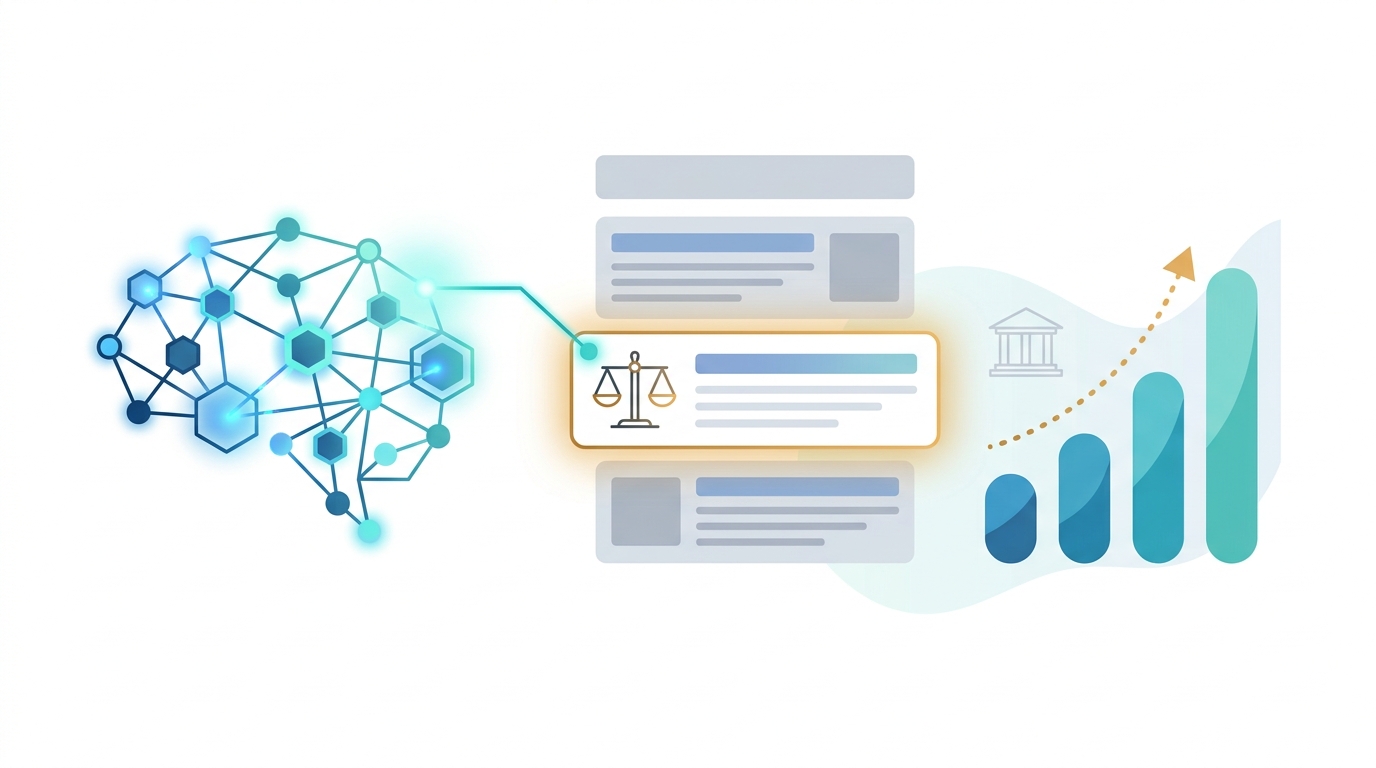
AI ad placements optimization vs traditional paid search — quick comparison
| Criteria | Traditional paid search | AI ad placements optimization | Evidence and notes |
|---|---|---|---|
| Conversion rate | Moderate and steady; often tied to keyword intent and landing page quality | Typically higher; AI placements can deliver materially better conversion outcomes | Microsoft reported up to 194% better conversion in some AI placement tests. Funnel compression and relevance lift drive this change |
| Personalization | Manual segmentation and rule based personalization | Automated, real time personalization at scale | McKinsey: firms that excel at personalization generate about 40% more revenue. Dynamic personalization can boost conversion by 20–30% |
| Testing approaches | Often ad hoc; variable rigor and cadence | Structured experiments combined with automated variants and adaptive creatives | HubSpot research: structured testing yields 2–3x more reliable lift. Run tests for at least two full business cycles and wait for 100 conversions before deciding |
| Relevancy | Keyword matching and intent signals from queries | Context aware, response level relevancy across AI surfaces | Copilot analyses showed up to 25% greater relevancy versus comparable SERP placements |
| Budget efficiency | Can be diffuse; 20–40% of budgets drive most returns | More efficient allocation; AI concentrates spend on high return pockets | Research shows 20–40% of paid budgets drive 80%+ of returns. AI helps find and scale those pockets, lowering CPL as funnels compress |
| Speed of user journey | Can require multiple touches over days or weeks | Frequently compresses consideration to minutes or hours | AI placements have compressed cycles, sometimes taking users from discovery to conversion in under 30 minutes |
Related keywords and concepts
- AI placements
- Performance Max
- AI powered search
- AI ads
AI ad placements optimization: Best practices
AI ad placements optimization demands a disciplined, experiment driven approach. Optimization is a system, not a sprint. Therefore build processes that repeat, measure, and refine. This section lists practical best practices for law firm advertisers using AI placements, Performance Max, and AI powered search.
Creative flexibility and messaging
Allow creative variation to be broad and structured. AI placements reward dynamic messaging that matches intent. For example, prepare multiple headlines, descriptions, and call to actions. Then let automated systems test combinations. “AI ads aren’t mysterious once you know the rules.” As a result you will find higher relevance and quicker wins.
Best actions
- Prepare modular assets such as alternative headlines and image variants.
- Prioritize benefit led CTAs over generic buttons.
- Use creative that maps to user intent segments like injury, family, or business law.
Structured testing and statistical rigor
Run A/B testing and multivariate tests with clear hypotheses. Also use incrementality testing to isolate true lift. Do not stop tests early because of random spikes. Run experiments for at least two full business cycles. Additionally, wait until variants reach 100 conversions before choosing a winner. Finally use a 95 percent confidence threshold for decisions. These steps reduce false positives and improve reliability.
Testing checklist
- State a hypothesis and expected metric change.
- Run tests for two weeks or more, as needed for traffic.
- Require 100 conversions per variant before acting.
- Use statistical significance of 95 percent to confirm results.
First party data and audience signals
Collect and use first party data aggressively. Law firms own valuable client signals in CRM and intake systems. Therefore feed hashed lists and CRM events into ad platforms. Performance Max and similar AI assisted campaigns perform better with richer signals. As a result personalization and cost per lead improve.
Practical steps
- Sync CRM conversions and micro conversions with ad platforms.
- Segment audiences by case type and intent.
- Feed high intent leads back to lookalike and similar audience models.
Attribution, incrementality, and measurement
Use multi touch attribution and incrementality tests to measure true value. Relying on last click misstates performance across AI and SERP placements. Instead adopt multi touch models and run holdout tests. Then measure downstream metrics like qualified leads and case starts. This approach shows whether AI placements shift real business outcomes.
Landing page optimization and conversion hygiene
Optimize landing pages for fast answers and clear paths to contact. Reduce friction by trimming form fields and removing generic “Submit” buttons. For instance, fewer form fields often raise conversion rates significantly and lower CPL. Also instrument session replay tools like Microsoft Clarity or Hotjar to find friction.
Final rules of thumb
- Treat optimization as a repeating cycle of test, learn, and scale.
- Combine creative flexibility with strict measurement.
- If your brand can say yes to creative flexibility, AI placements are worth testing.
These best practices create a reliable process for AI ad placements optimization and for scaling paid search performance in competitive legal markets.
CONCLUSION
AI ad placements optimization is transforming how small and mid sized law firms acquire clients. By compressing consideration cycles and raising relevancy, AI placements drive faster, higher quality leads. Microsoft internal tests recorded as much as 194% better conversion on AI placements. In addition Copilot analyses showed up to 25% greater relevancy versus comparable SERP placements. Moreover McKinsey finds top personalization performers generate about 40% more revenue. Therefore these metrics show clear strategic upside.
To capture value, treat optimization as a repeatable system rather than a sprint. Run structured A/B and incrementality testing with 95% confidence. Also use first party data, multi touch attribution, and landing page optimization. Finally wait for at least 100 conversions before making decisions. As a result you will reduce cost per lead and scale wins responsibly.
If your firm needs help executing this playbook, Case Quota provides Big Law level marketing for small and mid sized firms. Adopt AI ad placements optimization now to compete more effectively and win higher value cases.
Frequently Asked Questions (FAQs)
What exactly are AI ad placements and why do they matter for law firms?
AI ad placements use machine learning to place ads across AI powered search and assistant surfaces. They match user intent in real time. As a result firms see higher relevance and faster conversions. AI ad placements optimization can compress consideration cycles and improve lead quality.
How do AI placements benefit small and mid sized law firms specifically?
AI placements help firms compete without huge budgets. They improve personalization and focus spend on high intent pockets. For example, personalization can increase revenue by about 40 percent when done well. Also AI driven relevancy often lifts conversion rates versus standard SERP placements.
What testing and measurement practices produce reliable results?
Use structured A/B testing and incrementality testing. Run tests for at least two business cycles. Also require a minimum of 100 conversions per variant before deciding. Finally use a 95 percent statistical significance threshold to confirm changes.
How should firms use first party data and attribution with AI ads?
Feed CRM events and hashed lists into ad platforms. Then build segmented audiences and lookalike models. Use multi touch attribution to measure contribution across channels. Moreover run holdout experiments to prove true lift and avoid last click bias.
Is investing in AI ad placements the right move now and how should firms start?
Start small and test. First, prepare modular creative and varied CTAs. Second, sync conversions and optimize landing pages. Third, run structured experiments and measure incrementally. If tests show consistent lift, scale budgets into Performance Max and AI assisted placements.
Key takeaways
- AI placements speed up the user journey and often raise conversion rates.
- Test methodically and rely on statistical rigor.
- Use first party data and multi touch measurement to prove business outcomes.
If you need help implementing this approach, revisit the playbook earlier in this article.