

Legal Marketers and E-commerce SEO Teams: Embracing Agentic Commerce
Imagine clients never needing to click your contact page.
Agentic Commerce is the new layer where AI agents find, compare, and even complete purchases or retainments on users’ behalf. In plain terms, agentic commerce describes autonomous systems that query APIs, read structured data, and act for users. Because these agents act without full-page browsing, they depend on crisp schema, product feeds, and clear service signals.
In practice, agents use protocols such as ACP and UCP to speak a common commerce language. Therefore, agent-mediated discovery rewards sites that publish accurate product and service schema, GTIN or SKU-like identifiers, and predictable API endpoints. As a result, Agentic Commerce Optimization or ACO becomes a technical SEO priority, not just a marketing optional.
For law firms, the stakes are high and specific. Agents will filter by jurisdiction, availability, and service scope before recommending firms, so sites must expose those facts. If you miss structured data or have broken feeds, you risk invisibility to agents and lost client intake.
Start by auditing schema.org markup for legal services, cleaning your service feeds, and enforcing crawl efficiency. Then optimize canonical URLs, mobile-first UX, and hosting performance so agents parse your pages reliably. Finally, prepare for agentic checkout flows and A2A integrations that will accelerate in the coming quarters.
This article provides a prescriptive roadmap for technical SEO and AI-ready site improvements. Read on to make your law firm site Agentic Commerce ready and future resilient.
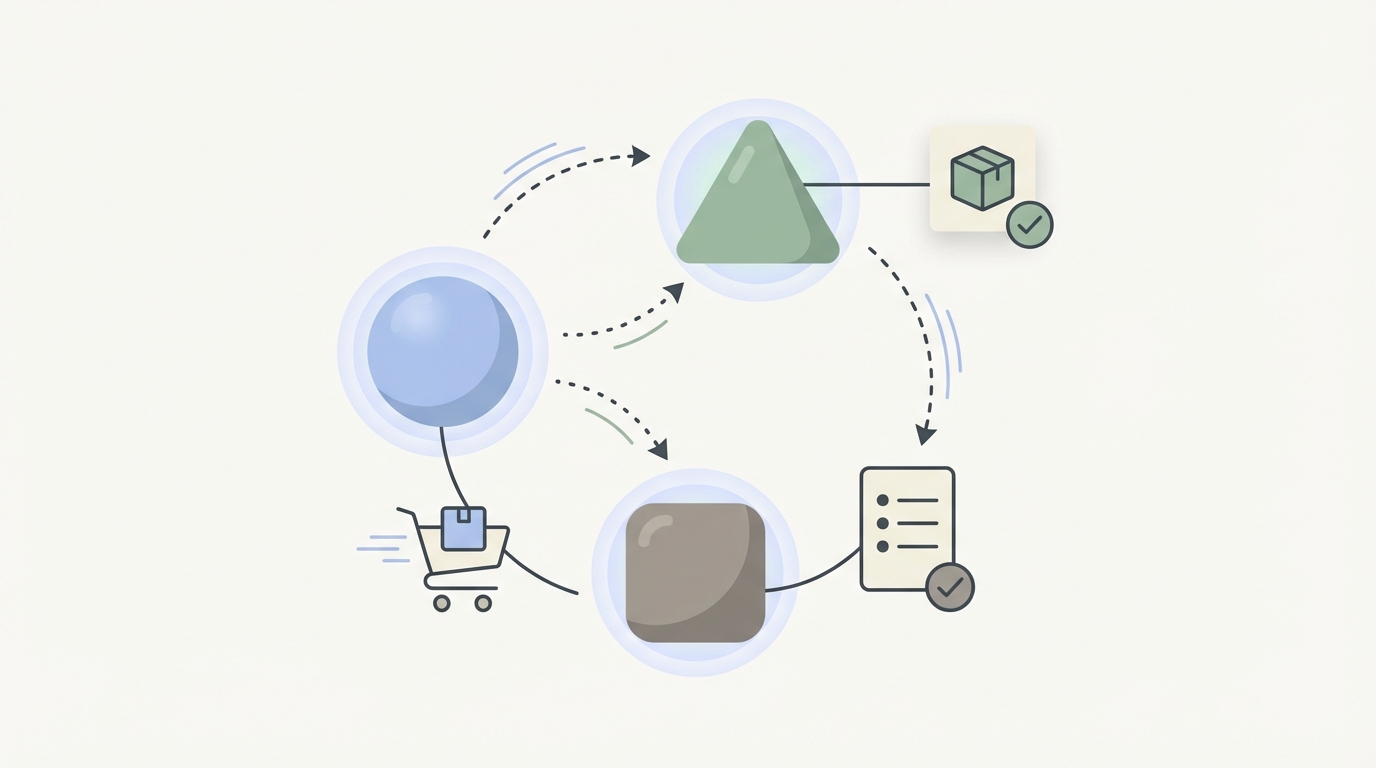
Agentic Commerce and Structured Data
Agentic Commerce depends on machine-readable signals more than on visual layout. Therefore, structured data becomes the single most important technical priority. For law firms, focus on legal service schema and product-like identifiers for any billable offering.
Actionable steps for structured data
- Implement schema.org markup for LegalService and Service types where relevant. Use the official schema documentation here and the Product type reference here for guided examples.
- Expose key attributes agents look for, such as serviceArea, availableService, provider, priceSpecification, and geographic coverage. As a result, agents can filter by jurisdiction and availability.
- Add product-like identifiers when applicable. Use GTIN or SKU-style IDs for repeatable service packages, and include clear itemCondition and availability fields. These identifiers reduce ambiguity during agent-mediated discovery.
- Publish complete contact and intake points via structured data. Ensure telephone, email, and sameAs links resolve to canonical profiles.
- Keep JSON-LD as the primary format. It remains the most robust and least intrusive option for agents and search engines.
Because agents read feeds and APIs, maintain parallel product feeds for services. Provide a machine-friendly endpoint that returns service listings in JSON or XML feed format. Agentic systems prefer feeds and APIs to visual scraping.
Crawl Efficiency and Agentic Discovery
Agentic Commerce systems will minimize full-page browsing. Consequently, crawl efficiency and clear API endpoints matter more than ever.
Key crawl and indexability tactics
- Audit log files monthly to see which agent user agents or crawlers access your endpoints. Then prioritize the most frequent agents.
- Expose an API or feed endpoint for services with predictable URLs and consistent paging. Agents prefer stable, versioned endpoints.
- Use robots.txt and a clean sitemap to direct agents to canonical service resources. However, avoid over-restricting agent access to important endpoints.
- Serve lightweight machine-readable responses for common agent queries. For example, return compact JSON summaries for service listings to speed parsing and reduce bandwidth.
- Monitor response times and error rates. Slow or flaky endpoints cause agents to skip your site, as A2A and MCP flows expect reliable interfaces.
Canonical Tags, URL Rewrites, and Pagination Strategies
Canonicalization and predictable URLs reduce agent confusion. Therefore, enforce clear canonical tags and usable pagination patterns.
Best practices
- Apply rel=canonical to every variant that could compete for the same service listing. Then point duplicates to a single authoritative URL.
- Keep URL structures stable and semantic. For example, use /services/estate-planning/new-york rather than query parameters when possible.
- Prefer server-rendered, crawlable paths for critical service pages. If you must use client-side rendering, provide pre-rendered JSON-LD and a feed API for agents.
- For pagination, use numbered pages and consistent query strings. Avoid infinite scroll without a fallback. If you use infinite scroll, implement server-side paginated endpoints that agents can call directly.
- Avoid session IDs and ephemeral tokens in canonical URLs. Persistent, permanent paths increase discoverability and reduce parsing errors.
Implementation and validation
- Validate structured data with Google’s structured data guidance and tools: here. Test both human and machine views.
- Use schema.org as the ground truth for types and properties: here. Keep markup current with schema updates.
- Run automated schema tests in CI pipelines so new releases cannot remove critical markup.
Checklist for law firm sites preparing for Agentic Commerce
- Inventory all service pages and map required schema fields
- Publish a versioned service feed or API endpoint
- Enforce rel=canonical and stable URL rewriting rules
- Provide server-rendered JSON-LD for critical pages
- Monitor agent access via logs and adjust robots.txt accordingly
- Test structured data with official tools and CI checks
By following these technical SEO foundations, law firms can ensure agentic systems find and consider their services. As a result, firms will remain visible during agent-mediated discovery and improve conversion from autonomous interactions.
Agentic Commerce protocols and platforms at a glance.
| Protocol/Platform | Key Features | AI/Agent Integration | SEO Benefits | Recommended Infrastructure |
|---|---|---|---|---|
| ACP (Agentic Commerce Protocol) | Agent-first commerce language; structured payloads for offers and checkout. | Native support for agents to discover and transact via APIs, therefore reducing friction. | Improves visibility to agent systems; reduces ambiguity in agent-mediated discovery. | Stable JSON APIs; JSON-LD feeds; versioned endpoints; reliable hosting and monitoring. |
| UCP (Universal Commerce Protocol) | Cross-platform commerce standard that unifies signals across surfaces. | Designed to integrate with Agent2Agent and MCP flows for interoperability. | Standardized signals enable consistent agent parsing across platforms. | APIs supporting MCP and A2A; consistent schema.org implementation. |
| Shopify | Hosted platform that enabled ACP for over 1 million merchants quickly. | ACP-enabled storefronts expose agent-ready endpoints and feeds. | Fast ACP adoption increases agent reach for small to mid firms. | Use Shopify Storefront API; keep product and service schema current. |
| WooCommerce | Plugin-based platform with flexible customization and announced ACP support. | Plugins and extensions can add ACP endpoints and structured feeds. | Flexible schema implementation allows service packages to act like products. | WordPress on PHP 8+; REST API endpoints; caching and CDN. |
| Magento / Adobe Commerce | Enterprise-grade commerce with advanced APIs and Page Builder. | Supports complex feeds, SKU mappings, and multi-store agent flows. | Strong for large catalogs and complex service bundles; aids ACO efforts. | PHP 8+; MySQL 8; CDN; full-page caching (Varnish); Redis. |
| Stripe Agentic Commerce Suite | Payments-first toolkit built around agentic checkout flows and ACP. | Enables agent-mediated payment and A2A checkout integrations. | Streamlines agentic checkout and improves conversion for agent referrals. | Secure payment APIs; webhooks; robust logging; machine-readable feed endpoints. |
Related keywords: ACP, UCP, agentic checkout, agent-mediated discovery, product feeds, schema.org, GTIN, SKU, ACO.
Agentic Commerce Site Enhancements for Law Firms
Agentic Commerce necessitates proactive site enhancements for law firms targeting superior SEO performance in AI-driven environments. These improvements ensure that your site remains competitive and visible for both human users and AI agents.
Mobile-First Indexing for Agentic Commerce
With Google’s prioritization of mobile-first indexing, ensuring your site is optimized for mobile devices is crucial. A well-optimized mobile experience directly impacts how agents understand and rank your services.
- Actionable Tips:
- Use responsive web design to ensure your site adjusts seamlessly across devices.
- Test your site’s mobile-friendliness using Google’s Mobile-Friendly Test tool.
- Prioritize user experience (UX) on mobile setups, ensuring easy navigation and readable content.
Enhancing Site Speed with Modern Infrastructure
Speed affects agentic and human interaction. To meet the demands of both, optimize your site speed with updated infrastructure.
- Infrastructure Recommendations:
- Use PHP 8+ Learn More: Enjoy performance enhancements and security features.
- Implement MySQL 8 for efficient data management and queries. More Information
- Deploy a Content Delivery Network (CDN) to enhance load times across global audiences. Discover CDNs
- Integrate Varnish for full-page caching to reduce server load. Explore Varnish
- Use Redis to handle caching and session management effectively. Learn about Redis
Image Optimization with WebP and AVIF
Images form a large part of webpage load. Therefore, using compressed image formats such as WebP and AVIF can significantly reduce load times without tarnishing quality.
- Image Compression:
- Use WebP formats for efficient image compression. More about WebP
- Opt for AVIF for advanced compression without loss of quality. Explore AVIF
AI Protocol Adoption for Agentic Commerce
Adopting AI protocols like ACP and UCP aligns your site with the latest innovations in agentic commerce.
- Actionable Tips:
- ACP (Agentic Commerce Protocol): Ensure your site operates with agent-friendly APIs for seamless transactions.
- UCP (Universal Commerce Protocol): Implement standardized signals for cross-platform agentic engagement.
Monitoring and Optimization Tools
Monitoring tools are essential for assessing and improving your site’s AI readiness and SEO performance.
- Key Tools:
- Google Lighthouse: Assists in auditing performance, accessibility, and SEO. Learn More
- PageSpeed Insights: Provides insights into both mobile and desktop performance. Access PageSpeed
By adopting these site improvements, law firms can ensure optimal performance in an agent-driven commerce landscape. Structuring your site for Agentic Commerce not only aligns it with the latest SEO trends but also enhances user experience, keeping your services at the forefront of discovery.
CONCLUSION
Agentic Commerce will reshape how clients discover and retain legal services. Law firms must treat it as a core technical SEO priority. Because agents rely on structured data and reliable APIs, missing signals mean lost visibility. Therefore, firms that act now gain a measurable advantage.
Implementing Agentic Commerce-focused technical SEO protects intake and improves conversion. Start with schema.org markup, versioned feeds, and canonical URL hygiene. Also optimize mobile, hosting, and caching to meet agent expectations. As a result, agents will parse your site reliably.
Case Quota specializes in legal marketing that scales Big Law tactics for small and mid-sized firms. We design ACO workflows and implement ACP and UCP-compatible feeds for clients. In addition, we harden infrastructure with PHP 8+, MySQL 8, CDN, Varnish, and Redis. Visit Case Quota to learn how we deploy these solutions.
Act now to future-proof client acquisition and maintain competitive positioning. Contact your technical SEO lead and map a pragmatic implementation plan. Finally, measure progress with Lighthouse, PageSpeed Insights, and log file analysis. Then iterate rapidly as agent standards evolve.
Schedule a technical audit and prioritize schema, APIs, and performance. Our teams translate technical changes into measurable intake gains. Because agent protocols will evolve, we build flexible systems for future updates.
Frequently Asked Questions (FAQs)
What is Agentic Commerce?
Agentic Commerce means AI agents autonomously finding and completing transactions. These agents query APIs, parse structured data, and act for users. For law firms, agents can compare services, check availability, and initiate intake. Therefore, Agentic Commerce shifts discovery from click-driven search to agent-mediated interactions.
How should SEO practices adapt for Agentic Commerce?
– Prioritize structured data using schema.org and JSON-LD. This helps agents read your service signals clearly.
– Publish versioned service feeds or APIs. Agents prefer feeds to full-page scraping, so provide stable endpoints.
– Enforce canonical tags and predictable URL rewrites. Consequently, agents avoid duplicate or ambiguous records.
– Optimize mobile-first UX and site speed. Use performance-focused infrastructure because agents evaluate reliability.
– Monitor logs and agent user agents. Then iterate based on agent behavior and error rates.
What benefits do law firms gain from Agentic Commerce?
Agentic Commerce improves discovery and reduces friction for intake. As a result, firms gain higher-quality referrals. Agents can filter by jurisdiction, price, and availability. Therefore, firms that expose clear serviceArea and provider data attract better matches. Also, automating parts of intake shortens time-to-contact and increases conversion.
What are the key technical requirements for Agentic Commerce?
– Implement LegalService and Service schema with required properties.
– Add GTIN or SKU-style IDs for repeatable packages when applicable.
– Use JSON-LD, and validate markup with official tools regularly.
– Adopt ACP or UCP-compatible APIs to support agent protocols.
– Run on modern infrastructure such as PHP 8+, MySQL 8, CDN, Varnish, and Redis.
– Serve compressed images in WebP or AVIF formats and enable HTTP/2 or HTTP/3.
What is the future outlook for Agentic Commerce and law firm SEO?
Agentic Commerce adoption will accelerate, especially after ACP and UCP rollouts. Consequently, agents will increasingly mediate discovery and transactions. Law firms must prepare now with ACO practices and flexible APIs. Finally, continuous monitoring and iterative schema updates will keep firms visible as agent standards evolve.