

Enhancing Online Presence for Law Firms through AEO and SEO
In the ever-evolving digital landscape, law firms have a unique opportunity to enhance their online presence by mastering the nuances of answer engine optimization (AEO) vs. traditional SEO. Both strategies serve distinct purposes in the world of digital marketing, with AEO focusing on AI-driven search engines and featured snippets, and traditional SEO concentrating on long-form content and organic traffic rankings. Understanding how these approaches complement each other is critical for law practices aiming to captivate their relevant audiences effectively.
Answer engine optimization is tailored to provide concise, structured answers ideal for AI systems, making it a prime choice for achieving visibility in AI Overviews, voice search, and featured snippets. Conversely, traditional SEO remains indispensable for ensuring depth, authority, and long-term search engine performance. Although they seem disparate, these strategies are not mutually exclusive. Instead, a well-rounded, unified approach can leverage the strengths of both to deliver a comprehensive and impactful search presence.
As AI technology continues to expand, law firms should consider integrating AEO and traditional SEO into their digital marketing strategies. This alignment not only maximizes the chances of appearing on advanced technological platforms but also maintains a strong presence on conventional search engine results. Embracing both AEO and traditional SEO advances a firm’s ability to secure AI citations and SERP rankings, reinforcing the value of their content across diverse search mediums. In turn, this holistic approach empowers law practices to thrive in the ever-changing search ecosystem.
| Strategy | Definitions | Main Goals | Typical Content Approach | Ranking Signals | Measurement Metrics | Recommended Update Frequency |
|---|---|---|---|---|---|---|
| Answer engine optimization (AEO) | Short, structured answers optimized for AI systems and featured snippets. Focus on extractable responses for AI Overviews and voice search. | Earn AI Overviews, featured snippets, and voice answers. Increase zero-click visibility and quick client conversions. | Short answer blocks, FAQs, How To schema, and clear schema markup. Use concise headings, entity clarity, and internal linking. Test answer readiness with AEO Grader. | Semantic clarity, schema markup, concise extractable text, and snippet eligibility. However, it relies more on AI model signals than on backlinks. Freshness and structured data matter. | AI Overview presence, featured snippet capture, voice answer visibility, zero-click engagement, and conversions from snippet traffic. Track extractability and citation quality. | Refresh short answer blocks monthly. Reassess FAQ and schema monthly. Maintain brief content audits each month. |
| Traditional SEO | Long-form pages that build topic authority for classic SERP rankings and organic traffic. | Improve organic rankings, drive sustained traffic, and build backlinks and topic authority. | Long-form guides, pillar pages, and topic clusters. Emphasize metadata, Core Web Vitals, and backlink strategies. Explore HubSpot SEO tools. | Backlinks, content depth, topical authority, page experience, keyword relevance, and internal linking. These signals drive traditional SERP position. | Organic keyword rankings, impressions, clicks, time on page, conversions, and backlink growth. Monitor topic cluster performance and landing page conversions. | Update core long-form pages quarterly. Refresh pillar pages and clusters every three months. Conduct deeper audits quarterly. |
How AEO Benefits Law Firms
Answer engine optimization gives law firms fast, high-value visibility in AI-driven search. Law firms that adopt AEO capture brief answers used by assistants and AI summaries. As a result, they reach potential clients who need quick, actionable information.
Why AEO matters now
- AEO targets AI Overviews, featured snippets, and voice answers on devices like Siri and Alexa. Therefore, it exposes firms to users who expect immediate answers.
- Because AI often produces zero-click results, AEO increases brand presence even when searchers do not click. For law firms, that means being the cited authority when users ask legal questions aloud or in chat interfaces.
- It complements traditional SEO instead of replacing it. As the industry says, “It’s not a case of answer engine optimization vs. traditional SEO. AEO and SEO do not replace each other.”
Real-world examples
- Voice assistants. When a user asks Siri or Alexa a legal question, those assistants pull short, structured answers. Law firms with clear answer blocks appear more often in voice responses.
- AI Overviews. Generative search products compile short summaries from multiple sources. Therefore, a crisp, well-structured answer can earn the AI Overview citation and drive trust.
- Featured snippets. Google and other engines still highlight concise answers at the top of results. Consequently, snippet placement often leads to increased zero-click impressions and conversions.
Performance and measurable gains
- Trackable metrics include AI Overview presence, featured snippet capture, voice answer visibility, and zero-click engagement. In addition, measure downstream conversions from those surfaces.
- Pro tip: use tools that analyze answer readiness. HubSpot’s AEO Grader evaluates structured content, schema, and semantic clarity. See it here: HubSpot AEO Grader.
- Meanwhile, keep traditional SEO metrics in view to monitor organic rankings and topic authority. For that, HubSpot’s SEO tools are helpful: HubSpot SEO Tools.
Actionable tips for law firms
- Start with 10–15 high-value questions. Then create short answer blocks for each question.
- Use FAQ Page schema and How To schema to improve extractability.
- Refresh AEO content monthly to keep answers current and eligible for AI surfaces. Meanwhile, update pillar pages quarterly for long-term authority.
- Monitor both AI Overview presence and classic SERP rankings. Thus, you can see which answers attract quick engagements and which pages build long-term traffic.
Quote for context: “Most people (including me) have been using AI wrong.” — Matt Wolfe. Source.
AEO gives law firms a practical way to own answers where clients search. Consequently, it increases visibility, builds trust, and feeds long-term SEO authority when paired with deep content.
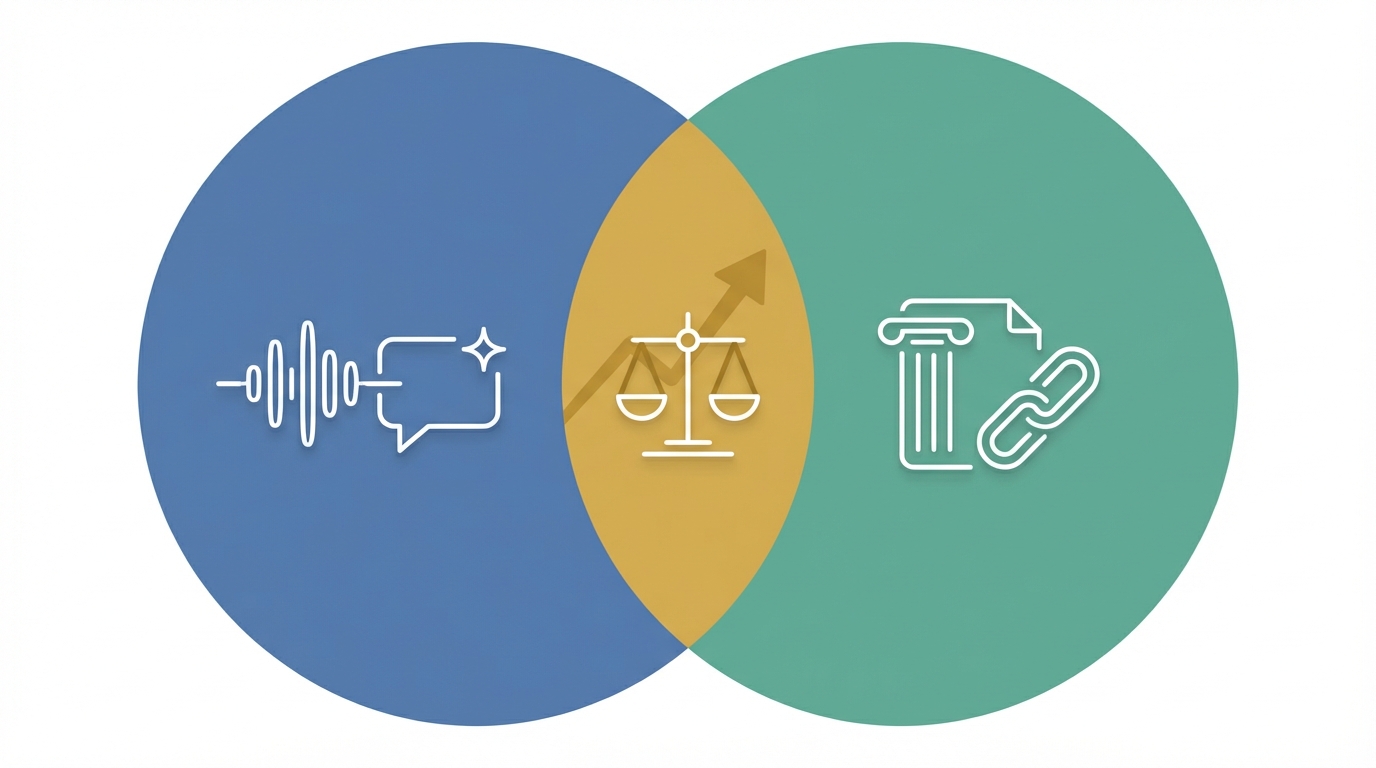
Step-by-step guide to structuring content for AEO and traditional SEO
This guide shows law firms how to build pages that serve AI surfaces and classic search. Use short answer blocks for AI and long-form content for authority. Also, apply schema markup and internal linking to connect both approaches.
1. Audit and prioritize high-value questions
- Start with analytics and client intake data. Then list the top 10–15 questions prospects ask.
- Because small teams must move fast, rank questions by search volume and conversion potential.
- As a result, focus first on questions that lead to consults or calls.
2. Create clear answer blocks for AEO
- Write one concise answer per question. Keep answers 40 to 60 words when possible.
- Use plain language and include the main entity names. Therefore, AI models can extract the answer.
- Add FAQ Page schema or How To schema to each block for extractability. Use structured lists and short headings.
- Test answer readiness with an AEO tool. For example, HubSpot’s AEO Grader helps evaluate schema and semantic clarity: HubSpot’s AEO Grader
3. Build long-form supporting pages for traditional SEO
- Create pillar pages that expand each topic with evidence, case studies, and citations.
- Include detailed subtopics and legal context to build topical authority. Meanwhile, optimize metadata and headings.
- Prioritize page experience signals like Core Web Vitals and mobile speed. These affect classic rankings.
4. Use schema and metadata strategically
- Apply FAQ Page schema only where you include clear question and short answer pairs.
- Use How To schema for procedural topics, such as filing steps or timelines.
- Meanwhile, ensure metadata maps to both the short answer and the long-form content. Thus, search engines see both formats.
5. Connect content with internal linking and topic clusters
- Link answer blocks to their long-form pillar pages. Then link pillar pages to related cluster pages.
- Use descriptive anchor text for entity clarity. Therefore, you build semantic context across the site.
- As a result, both AI and classic crawlers find supporting authority for short answers.
6. Maintain a content cadence and update schedule
- Refresh AEO answer blocks monthly. Keep facts, statutes, and deadlines current.
- Update pillar pages every quarter. Add new cases, FAQs, and supporting research.
- Monitor both AI Overview presence and organic rankings. Track zero-click engagement and conversions.
7. Measure and iterate
- Measure AI Overview presence, featured snippet captures, and voice answer visibility. Also track organic keyword rankings and backlink growth.
- Use tools to compare answer extractability and long-term traffic. For classic SEO workflows, HubSpot SEO Tools help track rankings and site health: HubSpot SEO Tools
Follow these steps and you will create hybrid pages that win both AI citations and SERP rankings. Thus, law firms will increase visibility and convert more clients from modern search surfaces.
CONCLUSION
Answer engine optimization (AEO) vs. traditional SEO is not a binary choice for law firms. Instead, they form a unified strategy that targets both AI-driven answers and classic rankings. AEO delivers concise, extractable answers for AI Overviews, voice search, and featured snippets. Traditional SEO provides depth, backlinks, and topic authority for sustained SERP performance.
Therefore, combining both approaches unlocks market dominance across modern search surfaces. AI citations raise immediate credibility, while long-form pages build trust and backlink value. Moreover, this hybrid helps law firms capture zero-click impressions and convert interested users. In practice, clear answer blocks and robust pillar pages reinforce each other.
Measurement matters more than ever. Track AI Overview presence, voice answer visibility, zero-click engagement, and organic rankings. Also monitor topic cluster performance and conversions from both AI and SERP traffic. Refresh AEO answer blocks monthly and update pillar pages quarterly to stay competitive.
Case Quota helps small and mid-sized law firms implement this hybrid strategy. We combine legal marketing experience with technical SEO and AEO best practices. Visit Case Quota to learn about our services and request a strategy review. Our team focuses on high-value questions, schema, and conversion optimization. Finally, integrate measurement, iterate often, and let data guide your content roadmap.
Frequently Asked Questions (FAQs)
What is the difference between Answer engine optimization (AEO) and traditional SEO?
AEO targets short, extractable answers optimized for AI systems and featured snippets. It focuses on schema markup, semantic clarity, and concise answer blocks. Traditional SEO prioritizes long-form content that builds topical authority. It emphasizes backlinks, metadata, and page experience. Therefore, AEO helps with AI Overviews, voice search, and zero-click visibility. Meanwhile, SEO drives organic rankings, sustained traffic, and backlink growth. Both strategies run in parallel and reinforce each other when properly structured.
Why is AEO especially beneficial for law firms?
AEO increases visibility on AI-driven surfaces like AI Overviews and voice assistants. For example, Siri and Alexa often surface short, direct answers. Consequently, law firms can appear in voice responses and AI summaries. AEO also boosts featured snippet eligibility, which raises authority even without clicks. As a result, firms can capture zero-click impressions while building trust. Moreover, AEO helps prospects who need quick legal guidance or filing timelines. Track AI Overview presence and voice answer visibility to measure impact.
How should law firms combine AEO and traditional SEO in practice?
Start with high-value questions and create short answer blocks. Then link those blocks to detailed pillar pages. Use FAQ Page schema and How To schema to improve extractability. Also, structure content into topic clusters for semantic clarity. Maintain descriptive anchor text and internal linking to show related entities. In addition, balance short answers with long-form evidence, cases, and citations. Thus, you serve both AI surfaces and classic SERPs.
Which tools help evaluate AEO readiness and classic SEO performance?
Use AEO-specific graders to test answer extractability and schema. For instance, HubSpot’s AEO Grader analyzes structured content and semantic clarity: HubSpot AEO Grader. Also use traditional SEO toolsets to track rankings and site health. HubSpot’s SEO tools provide keyword and technical insights: HubSpot SEO Tools. Together, these tools reveal which answers earn AI citations and which pages drive organic traffic.
How often should AEO and SEO content be updated and measured?
Refresh AEO answer blocks monthly to keep facts and statutes current. Meanwhile, update pillar pages and topic clusters quarterly. Measure both short-term and long-term KPIs. Track AI Overview presence, featured snippet capture, voice answer visibility, and zero-click engagement. Also monitor organic keyword rankings, impressions, clicks, and backlink growth. Finally, iterate based on conversions and topic cluster performance.
Related keywords and concepts: schema markup, FAQ Page schema, How To schema, internal linking, topic clusters, AI Overviews, voice search, featured snippets, zero-click, long-form content, SERP.