

Google Universal Commerce Protocol (UCP) and Its Impact on Law Firms
Google Universal Commerce Protocol (UCP) changes how agents complete shopping tasks across platforms. As an open standard from Google, UCP models the entire shopping journey, not just payments. Because it moves checkout and transactions into Google’s surfaces, UCP reduces the visibility of merchant-owned conversion paths. Therefore law firms must rethink SEO and conversion tracking for paid and organic channels.
AI shopping assistants and agent-based interfaces compound the shift. Moreover, Google’s Gemini agents aggregate product data and suggest structured choices. As a result, users may never visit a firm page during initial research. Consequently, traditional signals like clickthrough and session metrics will degrade.
For law firms focused on practice area marketing, UCP raises specific threats and opportunities. First, structured data and schema become more critical because agents rely on machine-readable signals. Second, Direct Offers and agent checkout pilots change where conversions register. Thus agencies must instrument new measurement points, including server-side tracking and enhanced event schemas.
Data show Google already funnels more research into its properties. For example, Trends and Gemini now support guided comparisons and overview panels. Moreover, Google’s Trends redesign includes an eight-term side panel to compare top and rising queries. Therefore discovery patterns now favor Google’s ecosystem, not external sites.
This article takes a data-driven approach to prepare law firms. First, we analyze technical SEO changes required for UCP and agent-based visibility. Next, we outline measurement frameworks that preserve attribution and lifetime value signals. Finally, we recommend practical audits to protect lead flow and control.
Practically, firms should map how UCP absorbs intent signals. For instance, structured data, price transparency, schema markup, and product-like service listings matter. Moreover, firms must treat service pages like product pages for agents. Therefore content, technical, and CRO teams must coordinate around agent-driven funnels.
Because legal queries often carry high risk, law firms face YMYL scrutiny. Moreover, misleading agent summaries could distort case expectations or compliance advice. As a result, firms should prioritize verified citations and transparent disclaimers. In short, the SEO playbook must expand to include agent signals, UCP readiness, and new measurement controls. This piece provides metrics and audit checklists.
Google Universal Commerce Protocol (UCP): An Open Standard That Reframes the Purchase Journey
Google Universal Commerce Protocol (UCP) is an open standard that models the entire shopping journey. It covers discovery, comparison, offers, checkout and post purchase steps. Because UCP targets agent based shopping, it gives AI assistants a consistent way to transact across merchants and platforms.
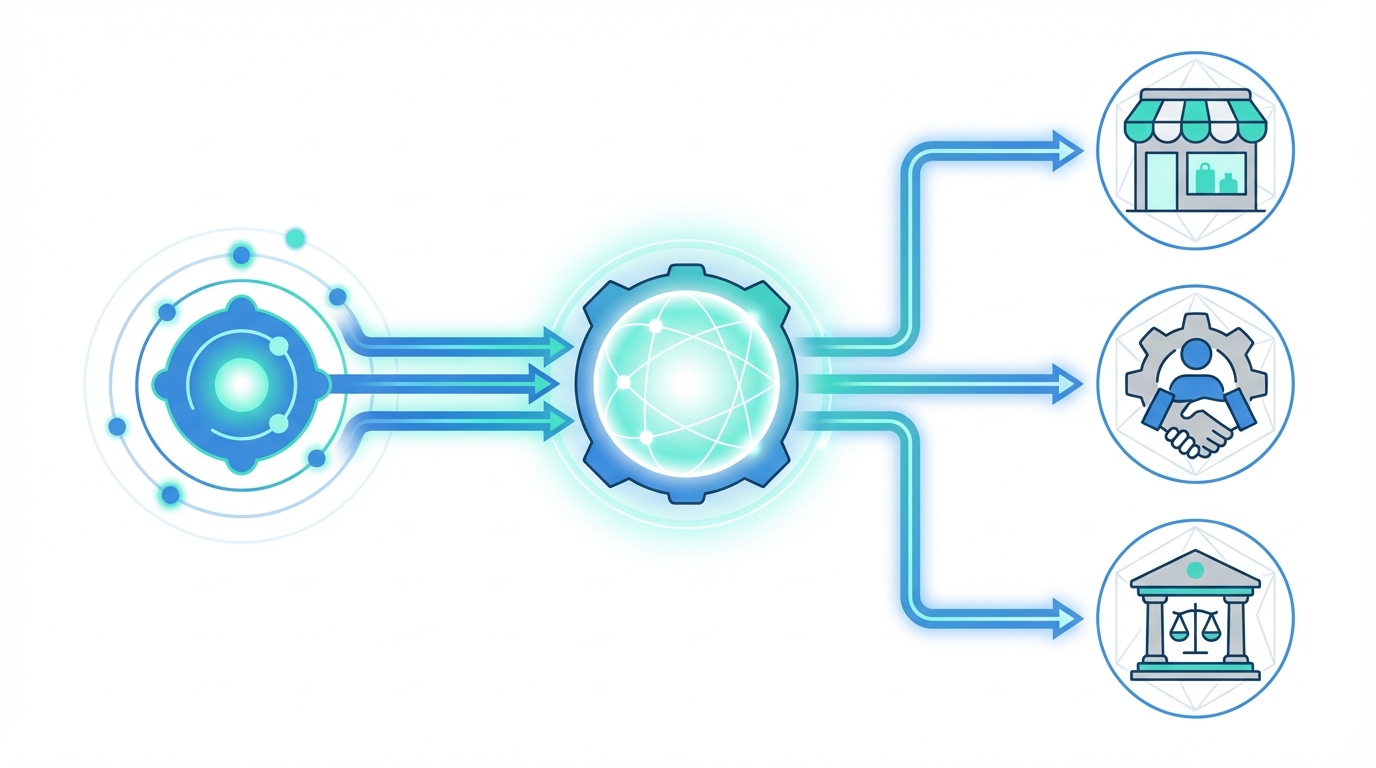
UCP matters for law firm SEO for three connected reasons. First, agents will use structured, machine readable signals instead of visual pages. Second, Google can host parts of the conversion path inside its own surfaces. Third, that shift reduces the direct telemetry firms currently rely on.
Key elements of UCP and agent integration
- UCP standardizes intent and transaction data so agents can reason and act. Therefore agents can complete tasks without human navigation.
- Agents rely on structured data and schemas, so markup quality becomes a top ranking and visibility variable.
- Google moves purchase steps into its interfaces, which changes where conversions happen. For official context see the Google announcement at this link.
- Because discovery increasingly happens inside Google tools, firms may lose direct user sessions and first touch signals.
How UCP shifts control over the purchase experience
- Google gains more control because it can present, compare and settle transactions on its surfaces.
- As a result marketers cannot assume full visibility into intent to convert.
- Direct Offers and agent checkout pilots can register conversions inside Google rather than on firm sites. This change makes last click attribution less reliable.
Measurement implications for law firm marketers
- Traditional clickthrough and session metrics will decline in utility because agents may fulfill user requests without site visits.
- Therefore law firms must add server side tracking and event driven APIs to capture leads.
- Moreover firms should instrument enhanced event schemas to record offer impressions and agent interactions.
- Because Google is redesigning discovery tools like Trends with Gemini powered panels, research patterns will become more guided inside Google. For more on Trends changes see this article.
Risk and compliance considerations
- UCP and agent summaries can surface incorrect or risky guidance, especially for YMYL topics. Therefore accuracy and authoritative citations matter.
- Google has adjusted AI Overviews after concerns about health guidance. See reporting at this link.
Actionable takeaway
Treat service pages like product pages for agents. Focus on robust structured data, server side instrumentation and content that supports machine readable authority. This approach preserves visibility and helps measure impact as UCP reshapes search and commerce.
| Category | Traditional SEO for Law Firms | SEO Adaptations for Google Universal Commerce Protocol (UCP) and AI Shopping Agents |
|---|---|---|
| Measurement of impact |
|
|
| Control over user journey |
|
|
| Content optimization |
|
|
| Structured data use |
|
|
| Conversion tracking |
|
|
Keywords and semantic terms to monitor: Universal Commerce Protocol (UCP), Gemini, Trends, agent driven shopping, structured data, AI Overviews, Direct Offers, checkout protocols.
Measuring SEO Impact and Control Challenges Under Google’s AI Shopping Features
Measuring SEO impact has become harder because Google now owns more of the purchase journey. As a result, visibility and control shrink. Therefore law firm marketers must rethink metrics and data collection.
- Visibility gaps and upstream influence
- Agents can satisfy queries without site visits. Consequently clickthrough and session numbers will fall. Moreover search interactions may occur inside Gemini or other Google surfaces. For context see the Trends redesign and Gemini features.
- When Google hosts comparison and checkout flows, firms lose telemetry. Therefore traditional last click and direct attribution models break. As a result teams cannot reliably link an impression to a signed client.
- Agent summaries can misrepresent complex information. Sophie Randall warned that AI Overviews can put inaccurate health information “at the top of online searches, presenting a risk to people’s health”. Google paused some AI Overviews after such concerns. For reporting see reporting.
- Data limitations and measurement friction
- Third party cookies are declining. Therefore marketers must rely on first party signals and server side events.
- Google surfaces may not expose agent impression logs. Consequently firms must instrument alternative signal endpoints.
- Event deduplication becomes essential because agents and site visits can both record the same intent. As a result teams must standardize event schemas.
- Practical measurement adaptations
- Implement server side tracking and secure ingestion APIs. This move preserves event fidelity when client side calls fail.
- Log offer impressions and agent interactions as discrete events. Therefore you can reconstruct agent driven funnels.
- Use cohort analyses and lift testing to estimate upstream influence. Because direct attribution will be incomplete, these tests reveal causal impact.
- Control and compliance for YMYL sectors
- Law firms operate in YMYL spaces with high risk. Therefore incorrect agent summaries can cause harm and reputational loss.
- Prioritize authoritative citations, transparent disclaimers, and verifiable structured data. As a result agents are more likely to surface accurate firm content.
- Operational checklist for teams
- Map all agent touch points and expected signals.
- Standardize event names and server side schemas.
- Build cohort experiments to measure lift.
- Monitor agent driven query trends in Gemini and Trends.
In short, measurement now requires defensive instrumentation and active testing. Firms must accept less direct control. However better telemetry and cohort methods can restore insight into upstream influence under UCP and agent based shopping.
Conclusion: Adapting Law Firm SEO for UCP and AI Shopping Agents
The Google Universal Commerce Protocol (UCP) and AI shopping assistants do more than change checkout. They shift discovery, comparison and conversion into Google controlled surfaces. As a result, law firms must change SEO, measurement and risk controls to remain competitive.
First, firms should accept three realities.
- Google will increasingly host parts of the purchase and inquiry journey.
- Agents prioritize machine readable signals over visual web pages.
- Direct site visits and last click attribution will become less reliable.
Therefore strategy must focus on structured authority, resilient telemetry and agent friendly content. For example, treat service pages like product pages so agents can compare offers. Moreover implement server side tracking to preserve event fidelity. As a result you can measure upstream influence and estimate causal lift.
Second, operational priorities should include short tactical steps and longer program investments. Immediately audit schema quality, event schemas and CRM integrations. Next, run cohort lift tests and standardize server side events. Finally, train teams to write extractable answers and to cite authoritative sources for YMYL topics.
Case Quota helps firms execute these changes with practical, data driven playbooks. We build agent ready schema, server side event pipelines and cohort testing frameworks. Moreover we design content that balances legal nuance with machine readability. Therefore small and mid sized firms can compete with Big Law strategies without matching spend.
Take action now. Visit Case Quota to request a UCP readiness audit and measurement roadmap. In short, adapt your SEO to the realities of UCP, Gemini and agent driven discovery. Do not wait until your lead channels move inside another company’s interface.
Frequently Asked Questions (FAQs)
What is Google Universal Commerce Protocol (UCP) and why does it matter for law firm SEO?
UCP is an open standard that models the full shopping journey for AI assistants. It enables agents to discover, compare, and complete transactions across merchants and platforms. For law firms, UCP shifts visibility toward machine readable signals and gives Google more control over research and checkout flows. Firms must adapt schema, content, and measurement to retain influence.
Will AI assistants replace website visits?
Agents can satisfy many research queries without site visits. However users often need human contact to convert. Therefore visits will decline rather than disappear. Firms should capture upstream signals, log agent impressions, and build first party datasets.
How should law firms change content and structured data?
Treat service pages like product pages for agents. Include offer metadata, service scope, pricing cues, and clear FAQs. Provide extractable answers and authoritative citations to reduce misinformation. Prioritize YMYL accuracy and transparent disclaimers.
What measurement tactics work when Google hosts checkout?
Implement server side event ingestion and CRM linked first party streams. Log offer impressions and agent interactions as discrete events. Use cohort lift testing and control groups to estimate upstream influence. Standardize event schemas across teams.
What are the main risks and next steps?
Risks include reduced visibility, fragmented telemetry, and misleading AI summaries. Sophie Randall noted health AI Overviews risked incorrect guidance. Therefore prioritize clear disclaimers, source citations and compliance checks. Start with a schema audit and prioritized tracking fixes across practice area pages this quarter now. Run cohort lift tests and control experiments to measure agent driven uplift in lead volume period. Invest in first party data, CRM links, and server side events to retain attribution signal continuously.