

Live data stack with MCP: Combine Search, AI, and PPC to Maximize Legal Ad ROI
Live data stack with MCP lets legal marketers connect search signals, AI models, and PPC systems to chase higher ROI. Because it pulls live campaign metrics into an AI workflow, teams avoid manual exports. As a result, audits become faster and decisions become evidence based.
Legal advertising demands precise cost per acquisition control. Therefore, combining search intent data, generative AI, and pay per click delivers measurable gains. However, the method matters. Many teams still copy and paste CSVs into a chat box. That is not AI powered marketing. It is AI assisted copy pasting.
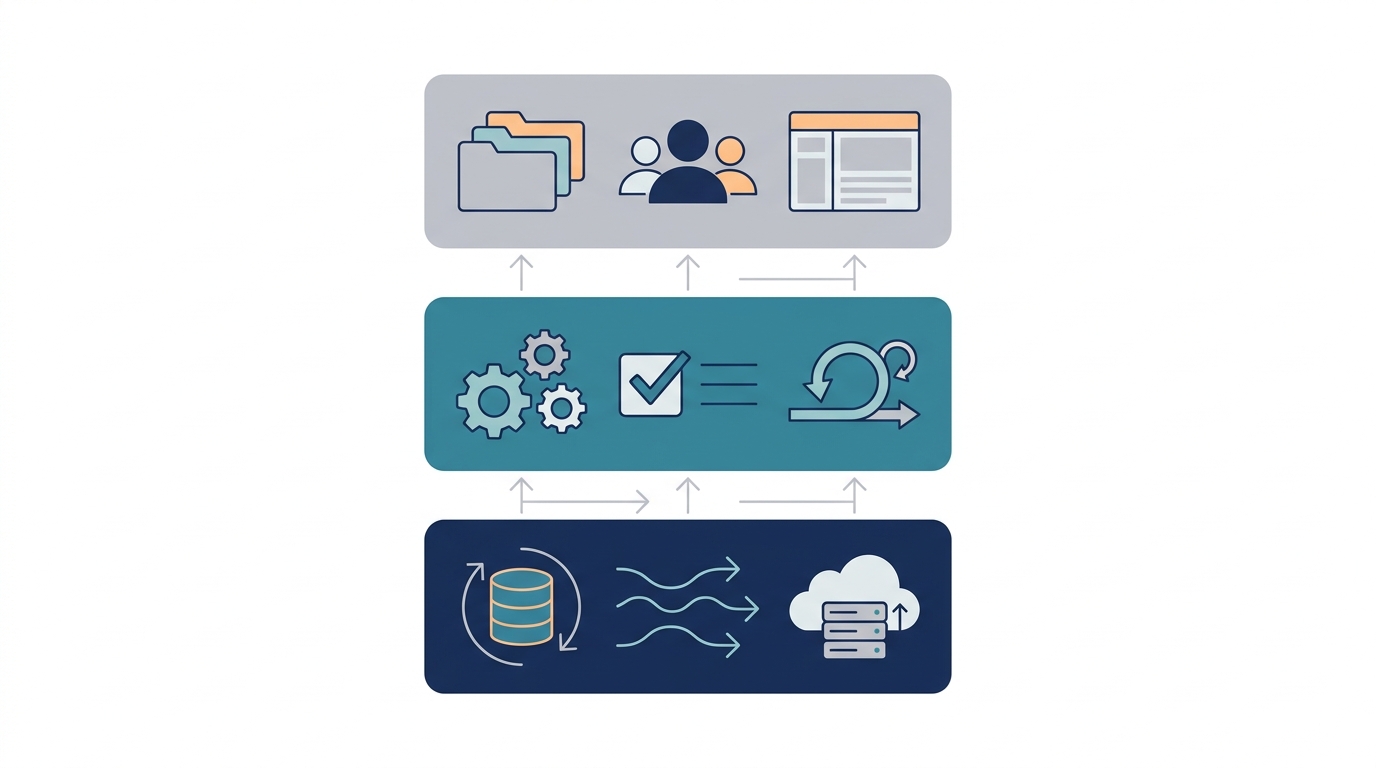
By contrast, infrastructure based AI treats Model Context Protocol as plumbing rather than a fancy prompt. MCP provides live data access from Google Ads and GA4, so AI can check CPA pacing and surface search term issues in real time. Moreover, Skills enforce consistent analysis behavior. Claude Projects package templates and client context into reusable environments. Together they create a three layer stack that scales workflows across teams.
This introduction previews a practical playbook. First, you will see how to wire MCP to Google Ads in an afternoon. Next, you will learn how Skills convert best practices into repeatable checks. Finally, you will explore Projects that carry client context across conversations and automate reporting. Because the shift is about environment and not just prompts, agencies and in house teams can move from occasional insight to continuous optimization.
Read on to learn concrete examples and step by step setup advice. You will get audit checklists, cost per acquisition benchmarks, and a roadmap to turn AI into infrastructure. As a result, your legal PPC campaigns will spend smarter and convert better.
Live data stack with MCP — MCP (Model Context Protocol): the live data layer
MCP provides secure, standardized access to campaign data. Because it speaks a common protocol, MCP connects Claude to Google Ads and GA4 without manual exports. As a result, teams stop pasting CSVs and start running live checks.
Key capabilities and technical notes
- Live reads from Google Ads and GA4 for current metrics and search term reports
- Bid and budget pacing checks against target CPA and ROAS
- Secure, auditable access controls and scoped tokens
- Support for official MCP servers and community SDKs
For technical reference, see the official MCP documentation at MCP documentation and the MCP spec at MCP spec. These links explain authentication, event polling, and connector patterns.
Live data stack with MCP — Skills: the behavioral consistency layer
Skills codify analysis behavior. In practice, a Skill contains instructions and data transforms that Claude runs on each dataset. Therefore, Skills guarantee repeatable outputs across audits and analysts.
Why Skills matter for legal PPC
- They enforce audit steps such as Quality Score checks and impression share reviews
- They normalize metrics across platforms for apples to apples comparison
- They include guardrails for regulatory and ethical language in ad copy
A Skill might transform raw search term lists into grouped intent buckets. Next, it calculates conversion lag windows and flags campaigns missing budget pacing. Because the Skill persists, it reduces variance across analysts and saves time.
Live data stack with MCP — Claude Projects: the context and team layer
Claude Projects package Skills and MCP connectors into reusable workspaces. Each Project holds client context, campaign history, and preferred KPIs. For agencies, use one Project per client. For in house teams, use one Project per function.
Project benefits for business teams
- Carries client-specific targets and past recommendations across sessions
- Stores templates for reports, audits, and standard operating procedures
- Enables role based access so teams share consistent outputs
Anthropic documents Projects and connector patterns at Anthropic Projects documentation. Use that guide to design Projects that integrate connectors, Skills, and prompt templates.
How the layers work together in practice
- MCP solves the data problem by delivering live metrics into the assistant
- Skills solve the consistency problem by codifying analysis and checks
- Projects solve the context problem by packaging client data and team rules
Together they convert ad operations from intermittent analysis to continuous optimization. As a result, legal advertisers can reduce CPA variance, surface harmful search terms faster, and scale repeatable audits across teams.
Live data stack with MCP: Traditional workflows versus AI infrastructure
| Aspect | Traditional AI workflow | AI infrastructure with MCP |
|---|---|---|
| Data access | Manual exports and pasted CSVs; snapshot metrics | Live reads from Google Ads and GA4 via MCP |
| Freshness | Daily or ad hoc exports; lag causes missed issues | Real time or near real time; enables immediate checks |
| Consistency | Variable results; depends on analyst prompts | Skills enforce identical checks and transforms every run |
| Context retention | No persistent client context between sessions | Projects retain client history, KPIs, and instructions |
| Productivity | Time lost to exports, formatting, and repeat tasks | Faster audits; fewer steps; more actionable recommendations |
| Scalability | Hard to scale templates across clients and teams | Reusable Skills and Projects scale across teams |
| Security and audit | Ad hoc access controls and manual permission checks | Scoped tokens, auditable connectors, and access logs |
| Decision quality | Reactive insights from stale snapshots | Proactive monitoring based on live KPIs and automated checks |
| Setup time | Minutes to hours per report depending on complexity | Afternoon to connect Google Ads MCP server and validate |
| Business outcome | Sporadic insights; inconsistent ROAS improvements | Continuous optimization; lower CPA variance and higher ROI |
Live data stack with MCP: Practical use cases and ROI insights for legal PPC
Live data stack with MCP turns intermittent analysis into continuous optimization. Therefore, legal PPC teams get faster, more confident decisions. Because the stack marries live Google Ads metrics with Skills and Claude Projects, it closes common workflow gaps.
Real time campaign health checks
- Use case: Run live checks on CPA and budget pacing across campaigns. Because MCP connects to Google Ads and GA4, Claude can compare current spend to target CPA. As a result, teams detect overspending early and pause or reallocate budgets.
- Implementation note: Connect Google Ads via the official MCP connector and validate scopes. See the MCP documentation at MCP Documentation for setup details.
- Business impact: Catching a pacing issue within a day prevents wasted spend and improves ROI.
Search term visibility and risk detection
- Use case: Pull live search term reports to spot irrelevant or harmful queries. Next, the Skill groups queries by intent and flags risky language for legal advertisers. Therefore, teams remove wasteful queries faster and protect brand safety.
- Implementation note: Use Skills to normalize term lists and assign intent buckets consistently. Reference the MCP spec at MCP Specification for connector patterns.
- Business impact: Removing low intent or harmful queries increases click quality and raises conversion rates.
Budget pacing and cross campaign reallocation
- Use case: Monitor pacing windows and reallocate budgets between campaigns in real time. Because Claude reads live metrics, it can produce reallocation suggestions aligned to ROAS targets. Moreover, it can surface campaigns that need bid or daily budget changes.
- Implementation note: Store pacing rules and ROAS goals in a Project so the assistant applies consistent logic across clients. For guidance on integrating connectors, see Claude Connectors.
- Business impact: Reallocations based on live data reduce CPA variance and lift conversions per dollar spent.
Audit automation and consistent analysis
- Use case: Run repeatable audits that check Quality Score distribution and impression share by campaign type. Skills codify these audit steps so each run returns the same checks and outputs. As a result, audits become deterministic and faster to execute.
- Implementation note: Build a Skill that calculates conversion lag windows and flags campaigns with delayed attribution patterns. The Skill reduces manual analysis time.
- Business impact: Standardized audits reduce human error and speed up optimization cycles.
Scaling and team efficiency
- Use case: One Project per client for agencies, one Project per function for in house teams. Projects carry client KPIs, constraints, and past recommendations across sessions. Therefore, new team members inherit context immediately.
- Implementation note: Use role based access inside Projects to protect client data while sharing methods.
- Business impact: Teams scale playbooks without repeating setup work, which lowers overhead and increases throughput.
Estimated ROI and concrete examples
- Example 1: A mid sized law firm cut CPA by 15 percent after deploying live pacing checks and automated reallocation. As a result, they shifted spend toward higher converting campaigns.
- Example 2: An agency found 8 percent of spend went to irrelevant queries. After Skills grouped and filtered those queries, conversion rates rose and wasted spend fell.
- Expert perspective: “Without MCP, your AI is working blind,” which highlights the value of live data. Another view warns: “That is not AI powered marketing. It is AI assisted copy pasting.” Therefore, the setup matters more than a better prompt.
- Quantified impact: Because the stack reduces manual exports, teams reclaim analyst hours. In practice, auditors finish deeper audits in a fraction of the time, and teams run checks multiple times per week rather than monthly.
Quick checklist to start
- Connect Google Ads to MCP and verify read scopes. Refer to MCP Documentation.
- Create a Skill that enforces your audit steps and KPI calculations.
- Build a Project to store client targets, conversion windows, and past recommendations.
- Run an initial audit and compare CPA and ROAS before and after changes.
In summary, the Live data stack with MCP changes how legal advertisers work. It makes monitoring proactive, audits consistent, and optimizations faster. As a result, teams lower CPA variance and increase long term ROI.
Conclusion: Live data stack with MCP for sustained legal advertising ROI
Adopting a Live data stack with MCP changes how legal firms run PPC. MCP solves the data problem by delivering live campaign metrics into AI workflows. Skills solve the consistency problem by codifying analysis and checks. Projects solve the context problem by carrying client history, KPIs, and rules across sessions.
Together, these layers move teams from reactive to proactive optimization. Therefore, you spot pacing issues and harmful search terms earlier. As a result, you reduce wasted spend and lower cost per acquisition. Moreover, audits become repeatable and faster, which frees analyst hours for strategic work.
This approach scales across clients and teams. For agencies, one Project per client preserves history and playbooks. For in-house teams, one Project per function keeps standards consistent. Because the stack enforces behavior, teams produce reliable recommendations and reduce variance in ROAS.
If you are a small or mid-sized law firm, adopting these tools closes the gap with Big Law. Case Quota helps firms implement Live data stack with MCP and the related Skills and Projects. They focus on measurable ROI, continuous optimization, and market dominance.
Start by connecting Google Ads via MCP, then codify your audits into Skills, and finally package everything in a Project. The problem is not the model. It is the setup. Build the environment, and you will reap sustained campaign ROI improvements.
Frequently Asked Questions (FAQs)
What is the Live data stack with MCP and why does it matter for legal PPC?
The Live data stack with MCP integrates live Google Ads and GA4 metrics into an AI workflow. Because it provides real time reads, teams avoid manual exports and stale snapshots. As a result, you detect pacing issues and harmful search terms faster. This matters for legal PPC because cost per acquisition controls demand fast, evidence based decisions.
How long does it take to connect Google Ads via MCP?
Setting up an official Google Ads MCP connection typically takes an afternoon. First, configure scoped tokens and validate read permissions. Next, test search term reports and budget pacing checks. For setup guidance, see the MCP docs at MCP documentation and the MCP spec at MCP specification.
How do Skills and Claude Projects improve consistency and scaling?
Skills codify audit steps and KPI calculations so each run returns identical checks. Therefore, your analyses stop depending on individual prompts or analyst skill. Claude Projects then retain client context, KPIs, and past recommendations across sessions. As a result, teams scale playbooks quickly and onboard new staff without repeating setup work.
What immediate ROI improvements can law firms expect?
Teams often see faster detection of wasted spend, which lowers CPA. For example, live pacing checks let you reallocate budgets before overspend occurs. Also, filtering irrelevant search terms improves conversion rates. In practice, firms have reported mid single digit to double digit CPA reductions after deploying live monitoring and automated reallocation.
Is the Live data stack secure and compliant for legal campaigns?
Yes. MCP uses scoped tokens and auditable connectors to control access. Moreover, Skills and Projects allow role based permissions. However, you should still enforce internal data governance and privacy reviews. For best results, document access rules and limit scopes to read only where possible.
If you want help implementing this stack, Case Quota specializes in legal marketing and can deploy MCP, Skills, and Projects for small and mid sized law firms. Visit Case Quota to learn more.