

Deindexing reports and Google index status verification: what law firms need to know
Deindexing reports and Google index status verification have surged onto legal marketing teams’ radar. Law firms face sudden drops in visibility, and therefore urgent questions arise about index health. Pages were removed from Google’s index without warning from late April to June 2026. As a result, many sites reported that pages moved into the excluded or crawled, currently not indexed buckets. These shifts often lacked manual actions or crawl errors, and thus they felt mysterious to site owners.
This introduction sets an analytical and cautionary tone. It explains why diagnosing index status matters, because organic search drives high-value leads for firms. First, confirm whether Google actually excludes a URL with the documented URL Inspection tool. Second, treat any single explanation as a hypothesis rather than a conclusion. For example, someone might blame AI content or canonical consolidation, but those remain testable theories.
You will read guidance that blends data and caution. The article outlines how to confirm index status and how to test fixes on sample pages. It also explains measurement pitfalls, including impression logging errors and how they can mislead teams. Moreover, you will find signs that distinguish sites with distinct content from those built on large volumes of similar pages. The goal is practical clarity. Therefore, do not rush to panic actions. Instead, confirm data, verify index status, and run controlled tests before you change many pages.
Throughout this piece, expect specific checks and diagnostic steps. The tone stays analytic and cautionary, and it aims to help law firms protect organic visibility while measuring SEO return on investment in an AI era.
What Deindexing reports and Google index status verification mean
Deindexing reports and Google index status verification describe how Google treats your pages. For law firms, those signals affect organic visibility and lead flow. Therefore, understanding index status helps prioritize fixes and avoid rash changes.
Why index status matters
- Index status shows whether Google includes a page in search results. Because organic search drives high value clients, index changes matter.
- If pages move from indexed to excluded, traffic can drop. As a result, intake and lead volume may fall.
- Confirming status prevents wasted work. For example, do not overhaul content before you verify indexing.
Common status buckets and their impact
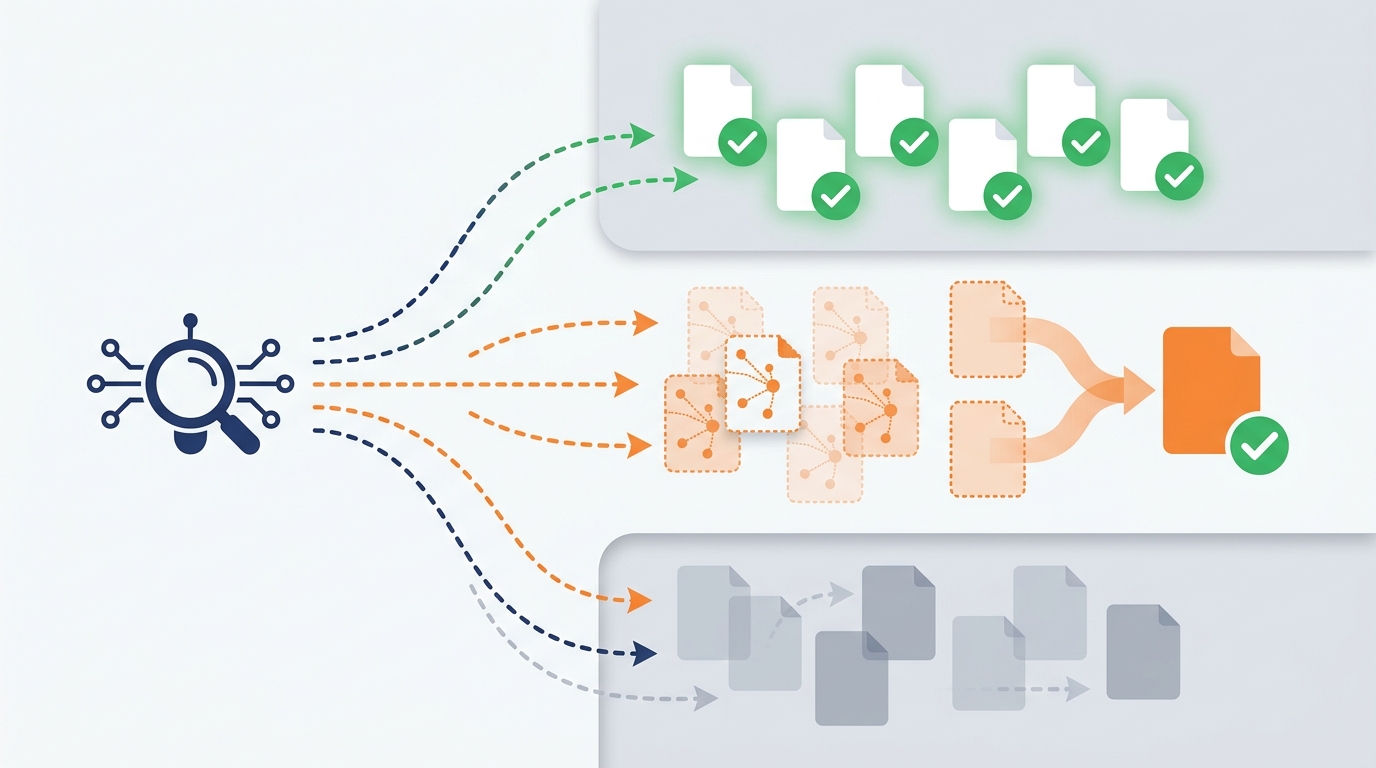
- crawled, currently not indexed means Google fetched the page but chose not to index it. This status can be temporary. However, it can signal thin or similar content across many pages.
- excluded covers many reasons for exclusion. For law firms, common causes are canonical consolidation and similar location pages. Canonical consolidation can occur when Google keeps content but credits a different URL.
- manual action usually appears with a notification. Many recent deindexing reports showed no manual action. Therefore, other explanations are likely.
Tools to verify index status
- URL Inspection tool is the documented way to confirm whether a specific URL is in the index. Use it to see the live test result and coverage signals. For general guidance see this explainer by Ahrefs here.
- site colon searches are a rough orientation check. They are not definitive, because Google may not show every indexed page in results.
- Check Search Console coverage for broad patterns. Also cross check clicks with GA4 organic sessions to confirm real traffic changes.
What SEOs and legal marketers need to remember
- Treat any single explanation as a hypothesis rather than a finding. John Mueller described the movement as ordinary, so test before you act.
- There is no trick to getting pages back. Instead, diagnose and fix real issues, because fixes depend on correcting underlying problems.
- Recent reporting shows pages were removed without warning from late April to June 2026. As a result, verify data before you classify a problem. For context on reporting anomalies see this Search Engine Journal piece and this practical note here.
How Deindexing reports and Google index status verification interact with core updates and data errors
Core updates and data anomalies change the ground beneath SEO strategies. For law firms, those shifts often mean fewer leads from organic search. Therefore, you must interpret ranking drops carefully.
Why core updates matter
- Google rolled broad core updates in March and May 2026. As a result, relevance and quality signals shifted across verticals. See Google May 2026 rollout coverage at Google May 2026 rollout coverage.
- Amsive found the March update moved visibility away from aggregators and toward more authoritative sites. Because of that, aggregator-style pages lost ground. Read Amsive analysis at Amsive analysis.
- The May update further reshaped results, and Reddit gained stronger positions in many niches. For example, Reddit increased its top 3 share to about 10.24% after the May update. For more detail see Reddit’s top positions.
How data anomalies distort perception
- Impression logging showed a misreporting error from May 2025 until late April 2026. Therefore, historical impression trends may be unreliable. Google fixed the error going forward but will not restore affected historical data.
- Clicks were not affected by the error. As a result, cross-checking clicks with GA4 organic sessions gives a more reliable view of actual traffic.
- Because of the logging issue, do not treat impression drops alone as proof of deindexing. Instead, verify with documented tools.
Observed index status movements and meanings
- From late April to June 2026, many pages moved into excluded or crawled, currently not indexed buckets. These moves often lacked manual actions or crawl errors.
- John Mueller described the movement as ordinary, so do not assume punishment without proof. Instead, treat explanations as hypotheses and test them.
- Canonical consolidation can hide content while attributing value to other URLs. Therefore, a loss in indexed counts may reflect crediting changes rather than content removal.
Practical guidance for law firms
- Verify individual URLs with the URL Inspection tool before major edits. The URL Inspection tool is the documented way to confirm index status.
- Cross-reference clicks in Search Console with GA4 organic sessions to confirm real traffic changes.
- If your site hosts many similar location or practice pages, consider consolidation. The fix for thin location pages is consolidation or strengthening, not panic tickets.
Comparison table: key SEO signals before and after core updates
| Metric | Before March 2026 | After May 2026 | Notes |
|---|---|---|---|
| Organic visibility index | Stable for many firms | Shifted; winners and losers emerged | Amsive found visibility moved away from aggregators Amsive Analysis |
| Reddit share in top 3 positions | Lower | Up to about 10.24% in top 3 | SE Ranking data summarized by Search Engine Journal Search Engine Journal |
| Aggregator visibility | Higher for many niches | Declined | March update favored authoritative domains Google’s March Core Update |
| Indexed pages reported | Baseline counts | Many pages moved to excluded or crawled, currently not indexed | Pages were removed from the index without warning late April to June 2026 |
| Impressions | Reported historically | Historical impressions misreported; corrected going forward | Logging error affected May 2025 to April 2026 impressions; clicks unaffected |
| Clicks (organic) | Baseline | Largely stable in many cases | Cross-check clicks with GA4 to confirm real traffic |
In short, core updates and data anomalies both affect law-firm SEO. Therefore, confirm index status and test fixes on samples before applying large changes. Treat any single explanation, including AI content theories, as a hypothesis rather than a finding.
Table: SEO metrics before and after March and May 2026 core updates
This table summarizes measurable shifts that affected law firm SEO. It helps you compare index status, impressions, clicks, visibility changes, and data anomalies. Use it to prioritize diagnostics and testing.
| Metric | Before March 2026 | After May 2026 | Change | Notes |
|---|---|---|---|---|
| Index status counts | Baseline indexed pages reported | Many pages moved to excluded or crawled, currently not indexed | Decrease in reported indexed pages | Pages were removed from Google’s index without warning late April to June 2026 |
| Organic impressions | Stable historical reporting | Historical impressions misreported; corrected going forward | Apparent drops in impression data | Logging error affected May 2025–Apr 2026 impressions; clicks unaffected |
| Organic clicks | Baseline clicks | Largely stable in many cases | Small or no change for many sites | Cross-check clicks with GA4 organic sessions |
| Visibility distribution | Aggregators held more visibility | Aggregator visibility declined; authoritative sites gained | Redistribution of visibility | Amsive analysis: Amsive Analysis |
| Top 3 presence | Reddit lower in many niches | Reddit gained top positions; top 3 share rose ~10.24% | Notable winner: Reddit | SEJ coverage: SEJ Coverage |
| Manual action signals | Often absent | Still absent in many cases | No manual penalty evidence | John Mueller described the movements as ordinary; verify via URL Inspection |
Cross-check the above with Search Console and live URL Inspection results. For context on the May rollout read Search Engine Journal.
Conclusion: practical steps for law firms
Deindexing reports and Google index status verification should drive disciplined diagnosis, not panic. First, confirm index status for affected URLs with the URL Inspection tool. Then cross-check clicks with GA4 and Search Console before you change many pages. Because impression logs contained a historical error, do not treat impression drops as conclusive evidence alone.
Treat every explanation as a testable hypothesis. For example, canonical consolidation may hide indexed content while attributing credit to other URLs. However, John Mueller cautioned that recent movements were ordinary. Therefore verify the live index state before assuming penalties or publishing mass rewrites.
Prioritize controlled fixes and measurement. Start with samples, implement changes, and then observe search performance over weeks. As a result, you avoid compounding errors and wasted effort. Also, consolidate thin or highly similar practice and location pages rather than filing panic tickets.
Protect organic visibility with data-driven strategy. Use the documented tools and keep a short testing cycle. Because there is no trick to getting pages back, your focus should be on real technical and content improvements. Also remember that core updates in March and May 2026 redistributed visibility, and platforms like Reddit gained share.
When law firms need specialized help, Case Quota provides legal marketing and SEO focused on measurable outcomes. Case Quota blends diagnostics with targeted fixes to protect organic channels and to scale market share. Visit Case Quota to learn about services for law firms that need precise SEO strategy.
Frequently Asked Questions (FAQs)
What does deindexing mean for a law firm site?
Deindexing means Google no longer lists certain pages in search results. This reduces organic visibility and can lower lead volume. However, not all deindexing comes from penalties. Often Google moves pages to excluded or crawled, currently not indexed buckets. Therefore confirm each URL with the URL Inspection tool before taking action.
How do I verify Google index status quickly?
Use the URL Inspection tool for a definitive check. Also run a site: search for rough orientation. However, know that site: is not exhaustive. Because impression logs had an error, cross-check clicks with GA4. As a result, you get a clearer traffic signal.
Should I panic if indexed counts fall?
No. Treat any single explanation as a hypothesis rather than a finding. John Mueller described recent movements as ordinary. Instead, diagnose first, then fix. For example, test changes on sample pages and measure results before broad edits.
Could a core update or data issue cause the change?
Yes. Core updates in March and May 2026 reshaped visibility. For instance, aggregators lost ground and Reddit won top positions in some niches. Also, an impressions logging error affected historical data. Therefore check multiple signals before you conclude deindexing.
What are the practical first steps if pages show excluded or crawled, currently not indexed?
First, confirm live index state with URL Inspection. Second, review canonical tags and similar page content. Third, consolidate or strengthen thin practice pages rather than issuing blanket changes. Finally, monitor clicks and sessions in GA4 to confirm real traffic impact.