

Limited Liability Company (LLC): Why Small Businesses Choose It
A Limited Liability Company (LLC) blends personal liability protection with tax flexibility for business owners. Because it separates personal assets from business debts, owners gain legal protection. As a result, many entrepreneurs prefer LLCs over sole proprietorships. This structure suits small and mid-sized businesses that need simple governance and reduced formalities.
However, forming an LLC requires precise steps to stay compliant. For example, you must file Articles of Organization with the state. You must also designate a registered agent and obtain an EIN for taxes. Additionally, many states require annual reports and fees.
Understanding these requirements matters because noncompliance can bring penalties or dissolution. Therefore, planning formation helps you avoid costly mistakes. It also clarifies tax treatment, whether pass-through taxation applies or whether an S corporation election suits you. Finally, choosing a formation state affects fees and ongoing obligations.
This guide walks you through each step with practical advice and checklists. You will learn how to pick a name, prepare an Operating Agreement, and meet ongoing compliance. Moreover, we include common pitfalls and state-specific notes. By the end, you will understand how to form and maintain an LLC for long-term success.
Whether you are a single-member owner or start with partners, this resource clarifies the differences. It compares LLCs to sole proprietorships and corporations. It also shows cost ranges, timelines, and typical state rules.
We provide templates, sample Operating Agreement clauses, and a step checklist you can follow easily today too.
How to Form a Limited Liability Company (LLC)
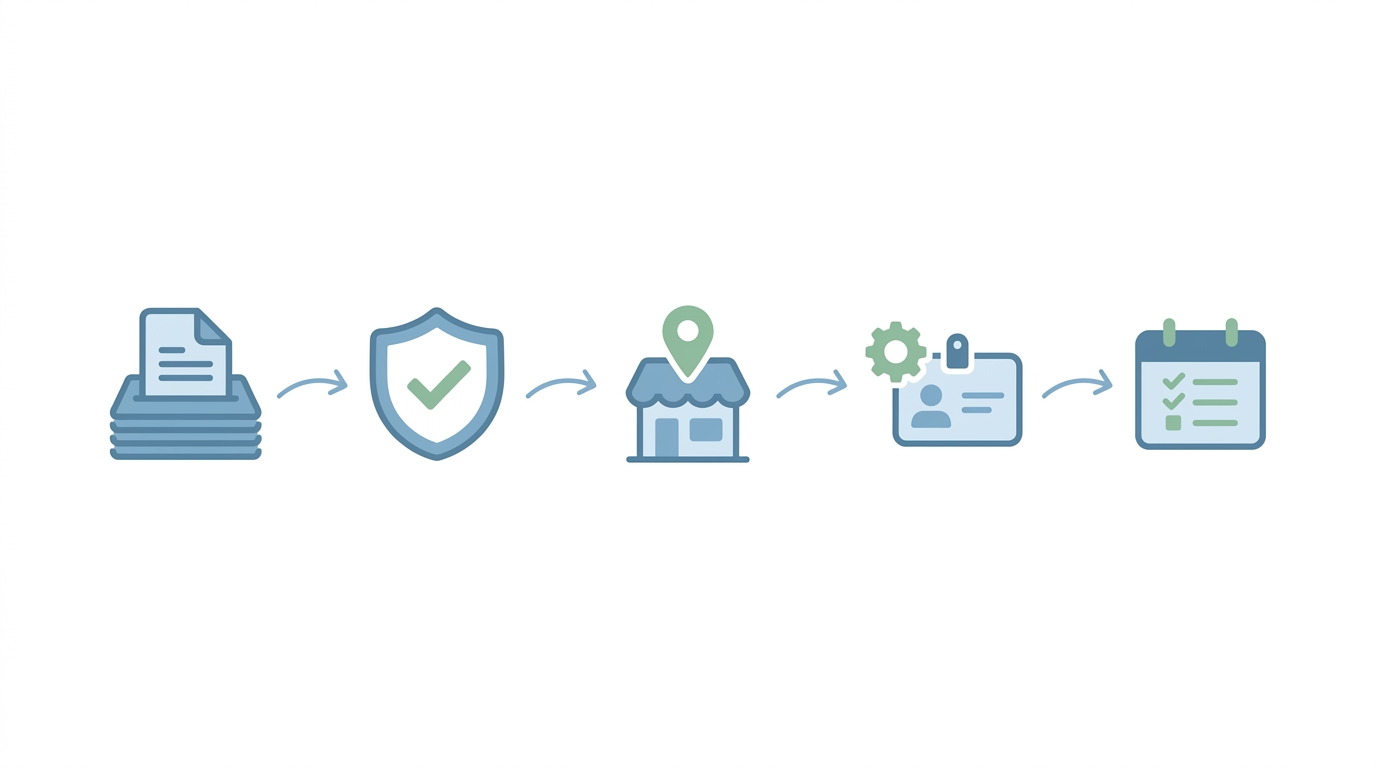
Forming a Limited Liability Company (LLC) follows clear steps. Each step protects personal assets and sets the legal foundation. Therefore, follow this guide to complete formation and compliance tasks with confidence.
-
Choose and reserve your name
Choose a unique business name that ends with Limited Liability Company or LLC. Next, run a name availability search in your formation state. Also, avoid restricted words like bank or insurance unless you have approvals. If you use a different trade name, file a DBA Doing Business As as required by state law.
-
Prepare and file Articles of Organization
Prepare the Articles of Organization for your state. Then file with the state filing office and pay filing fees. Fees typically range from fifty to five hundred dollars depending on the state. Processing times vary from one to fifteen business days, and expedited services cost more.
-
Designate a registered agent
Designate a registered agent with a physical address in the formation state. The registered agent accepts legal notices and official mail. You can name yourself or hire a commercial registered agent. Professional service usually costs one hundred to three hundred dollars per year.
-
Create an Operating Agreement
Draft an Operating Agreement that sets ownership and management rules. Although not always required by the state, this document reduces disputes. For example, specify member roles, profit allocation, and buy sell terms. For single member LLCs, the agreement still clarifies procedures.
-
Obtain an EIN and register for taxes
Apply for an Employer Identification Number EIN with the IRS. You need an EIN to hire employees and open business bank accounts. Use the online application at Apply for an Employer Identification Number (EIN) for fastest processing. Also consult IRS guidance on LLC tax classification at Limited Liability Company (LLC) Guidance.
-
Understand state specific fees and tax implications
Research annual reports, franchise taxes, and state business taxes in your formation state. For instance, California imposes a minimum annual franchise tax of eight hundred dollars. Therefore factor recurring costs into your budget. Also consider whether electing S corporation tax status makes sense for your business.
-
Obtain licenses and meet local requirements
Apply for required local permits, zoning approvals, and industry licenses. Next, register for sales tax permits if you sell taxable goods. Finally, renew registrations and file annual reports on time to avoid penalties or dissolution.
Follow this step by step checklist to form and maintain your LLC. Because laws vary by state, consult state resources or a licensed attorney for complex situations. As a result you will stay compliant and protect your business long term.
Limited Liability Company (LLC) vs Sole Proprietorship
| Aspect | Limited Liability Company (LLC) | Sole Proprietorship |
|---|---|---|
| Liability protection | Provides limited liability protection to members; personal assets generally shielded | No liability shield; owner personally liable for business debts and claims |
| Tax treatment | Typically pass-through taxation to members; may elect S corporation or C corporation tax status | Income taxed directly to owner; pass-through taxation by default |
| Formation complexity | Requires filing Articles of Organization, naming rules, and often an Operating Agreement | No formal state filing required to start; business may use a DBA for trade name |
| Compliance requirements | Ongoing obligations: registered agent, annual reports, franchise taxes, renewals | Minimal formal requirements; local licenses and permits may still apply |
| Management and ownership | Can be member-managed or manager-managed; flexible ownership structures | Single owner controls decisions; no formal management documents needed |
| Costs and fees | Upfront filing fees typically $50 to $500, plus registered agent and annual fees | Low startup costs; possible DBA filing and local permit fees |
| Formality and credibility | Higher perceived credibility with vendors and lenders; better for growth | Simpler and faster to launch; may face credibility limits for some contracts |
| Best for | Small to mid-sized businesses seeking limited liability protection and tax flexibility | Solo freelancers or very small businesses prioritizing simplicity and low cost |
Ongoing compliance and tax implications for Limited Liability Company (LLC)
Maintaining an LLC requires regular filings and basic record keeping. First, most states require annual reports or statements of information. These filings confirm member data and the principal address. Because states rely on these reports, timely filing avoids penalties and late fees.
You must also maintain a registered agent with a physical address in the formation state. The registered agent receives legal notices and official mail. If you change your agent or address, update the state promptly. Otherwise you risk missed notices or administrative dissolution.
Many states charge franchise taxes or similar annual fees for LLCs. For example, California imposes a minimum franchise tax of eight hundred dollars. Other states calculate franchise taxes by revenue or by a flat fee. Therefore research franchise tax rules in your formation state and budget for recurring costs.
In addition, keep corporate records and an Operating Agreement even when the state does not require them. These documents support limited liability protection and reduce the risk of piercing the corporate veil. Moreover, they clarify member roles, profit allocation, and transfer rules.
Tax treatment usually defaults to pass-through taxation for LLCs. Single-member LLCs are disregarded for federal tax purposes and report income on Schedule C. Multi-member LLCs file Form 1065 and provide Schedule K-1 to members. However, an LLC may elect S corporation or C corporation tax treatment if that election suits its goals.
To elect S corporation status, file IRS Form 2553 within required time limits. After election, profits may flow through as wages plus distributions, which can affect self-employment taxes. Alternatively, electing C corporation status changes tax timing and subjects the business to corporate tax rules and possible double taxation on dividends.
Because tax choices affect payroll, estimated taxes, and reporting, consult a tax advisor before electing S corporation or C corporation taxation. Also apply for an Employer Identification Number EIN to hire employees and open bank accounts. Use the IRS EIN application for quick processing and review LLC tax basics for further guidance.
Finally, missing annual reports, neglecting a registered agent, or failing to pay franchise taxes can trigger penalties or dissolution. Therefore set reminders, budget for recurring fees, and review state requirements annually. As a result you will protect your limited liability protection and support long term business success.
Conclusion
Understanding the Limited Liability Company (LLC) formation process matters for every business owner. First, proper formation protects personal assets and clarifies tax treatment. Because formation involves filings, naming rules, and registered agent duties, mistakes can lead to penalties. Therefore take the time to learn requirements and follow state rules carefully.
Ongoing responsibilities keep your LLC healthy and compliant. For example, you must file annual reports, keep a registered agent, and pay franchise taxes where required. Moreover maintain corporate records and an Operating Agreement to protect limited liability protection. If you miss filings or neglect fees, the state can impose fines or dissolve the business.
For law firms and legal service providers, specialized marketing and growth strategies speed client acquisition. As a result partnering with experts helps you scale while preserving legal compliance advice. Case Quota is a specialized legal marketing agency that focuses on small and mid sized law firms. They use proven Big Law strategies to help firms gain market dominance and grow sustainably. Visit Case Quota to learn about their services and case studies.
If you run or advise an LLC, plan formation carefully, budget for recurring costs, and follow compliance steps. Finally, consider expert help when you expand or compete aggressively. Contact experienced advisors and legal marketing specialists to protect your practice and accelerate growth.
Frequently Asked Questions (FAQs)
What is a Limited Liability Company (LLC) and why choose it?
A Limited Liability Company (LLC) is a business structure that separates personal assets from business liabilities. Because it offers limited liability protection and tax flexibility, many small firms choose it. It works well for founders who want simple governance and legal protection. However, formation and ongoing compliance do require planning and some expense. Additionally, LLCs suit businesses planning for partners or outside investment and growth.
How do I form an LLC?
Forming an LLC follows clear steps that most states require. First, pick a unique name that ends with Limited Liability Company or LLC. Then file Articles of Organization and pay the state filing fees. Designate a registered agent with a physical address in your formation state. Also create an Operating Agreement and obtain an EIN to handle taxes and banking.
What ongoing compliance does an LLC need?
Most LLCs must file annual reports or statements of information. You must keep a registered agent and maintain corporate records. Many states charge franchise taxes or similar annual fees, so budget accordingly. Failure to file or pay can lead to penalties or administrative dissolution. Therefore set reminders and work with a service or attorney when needed.
How are LLCs taxed and can they elect corporate status?
By default, LLCs use pass-through taxation. A single-member LLC is a disregarded entity for federal tax. Multi-member LLCs file Form 1065 and issue Schedule K-1s to members. However, LLCs can elect S corporation status with IRS Form 2553, or choose C corporation treatment. Therefore consult a tax advisor before making elections that affect payroll, self-employment, and corporate taxes.
Should I stay a sole proprietorship or form an LLC?
If you want simplicity and low cost, a sole proprietorship works well. However sole proprietors face personal liability for business debts and lawsuits. Form an LLC when you need limited liability protection, greater credibility, or outside investment. Also weigh formation costs, filing fees, and ongoing compliance obligations in your budget. Finally consult a tax advisor to decide based on risk, growth plans, and tax impact.