
Personalized Shopping Experience for Law Firms
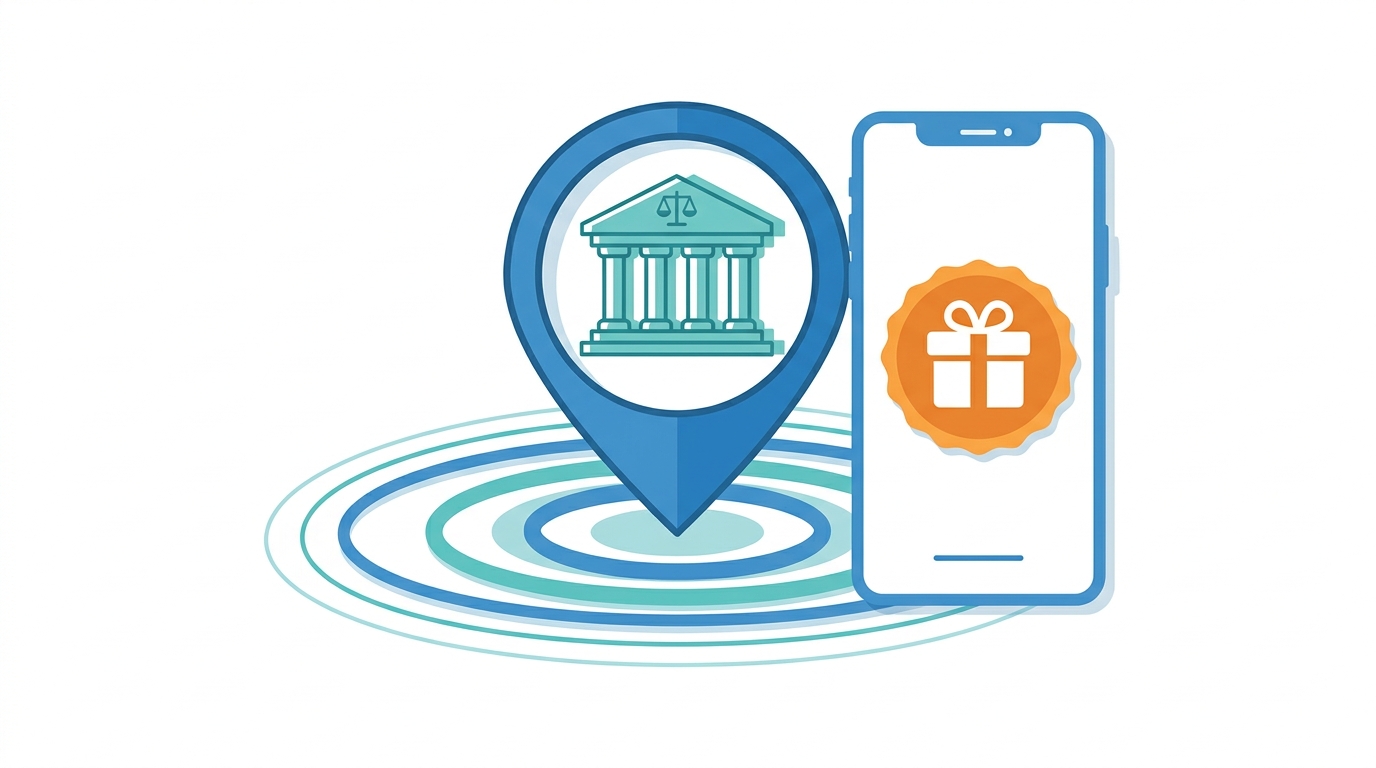
Personalized shopping experience is no longer optional for law firms aiming to convert local clients. Because potential clients expect relevance, firms must tailor offers and messages to local needs. Geotargeting makes that possible by sending location aware ads at the right time.
In addition, personalized promotions use first party data and predictive analytics to match intent. Therefore, ads become more useful and less intrusive, which improves engagement. As a result, conversion rates rise when practices deliver tailored recommendations and timely offers.
Moreover, loyalty programs and behavior based triggers support retention and repeat business. Data driven strategies power these tactics, because they reveal what local clients value most. For example, firms can use search activity and appointment history to craft urgent call to action. However, privacy must remain central, therefore first party data and consent based targeting are essential. As a result, conversion costs fall while client satisfaction rises, which boosts lifetime value.
Why a Personalized shopping experience Matters for Law Firms
A Personalized shopping experience changes how law firms attract and convert local clients. Because 81% of customers prefer brands offering personalized experiences, firms that personalize stand out source. In legal marketing, relevance builds trust fast. Therefore, targeted, timely messages move prospects from search to consultation.
Personalization reduces wasted ad spend and raises conversion rates. For example, a personal injury firm can show mobile ads to users near a recent accident scene. As a result, the ads feel helpful instead of intrusive. Moreover, family law practices can surface content about custody during peak times like school holidays. These small adjustments increase engagement and lead volume.
How Personalization Works: Data, AI, and Predictive Analytics
First party data forms the backbone of personalization. Law firms gather appointment history, intake form answers, and website behavior. Because this data comes directly from clients, it remains accurate and privacy compliant. In addition, firms should combine it with consent based geotargeting for better local reach.
AI driven personalization automates message selection and timing. For instance, machine learning models can identify users most likely to book a consult. Predictive analytics scores prospects by intent, therefore ad budgets focus on high value leads. As a result, some firms see lower client acquisition costs and higher lifetime value.
Key tactics and benefits
- Use first party data from intake forms and CRM to create client segments. This builds more precise audience targeting.
- Apply AI driven personalization to test headlines, calls to action, and ad creative in real time. This speeds optimization.
- Deploy predictive analytics to prioritize outreach to users with high conversion probability. This increases ROI.
- Combine geotargeted promotions with behavior based triggers for timely offers. This improves response rates.
Practical legal marketing examples
- A local criminal defense firm retargets users who viewed bail related pages. As a result, calls increased during nights and weekends.
- An estate planning practice sends reminders to users who downloaded a will checklist. Consequently, appointment bookings rose by double digits.
Trusted resources and further reading
Adobe offers practical maturity frameworks for personalization source. In addition, Accenture’s research shows consumers welcome personalized offers when businesses deliver them properly source.
| Strategy | Description | Benefits | Supporting facts and statistics | Potential ROI or conversion impact |
|---|---|---|---|---|
| Geotargeted promotions | Serve location based ads to nearby prospects using geofences and ZIP level targeting. Targets users during high intent moments. | Improves local relevance. Reduces wasted impressions. Increases timely outreach. | Taps into higher relevance that increases response rates. 81 percent of customers prefer personalized experiences. | Can lower client acquisition costs. Some brands report up to 50 percent reduction in acquisition costs with personalization. Often yields double digit local conversion gains in cases. |
| Behavior based triggers | Send messages based on user actions like form fills and page views. Trigger follow ups and reminders. | Boosts engagement and speeds follow up. Converts warm leads faster. Improves appointment bookings. | 70 percent of shoppers feel frustrated without personalization. Behavior triggers reduce this friction. | Drives higher conversion velocity. Law firms report double digit booking increases from timed follow ups. |
| Dynamic content personalization | Swap headlines, offers, or images based on user segment or intent. Deliver tailored webpages or ad creative. | Raises relevance and time on page. Tests creative in real time. Lowers bounce rates. | 44 percent more likely to repurchase when experiences are personalized. AI and dynamic content power this impact. | Can increase conversion rates and average case value. Expect measurable lift in single digit to double digit percentages. |
| Loyalty programs and first party data | Use client data from CRM and loyalty offers to personalize outreach. Reward repeat clients and referrals. | Improves retention and lifetime value. Strengthens first party data signals. Lowers dependency on paid channels. | 16.5 percent increase in member spending where first party data drives loyalty programs. Nearly half of consumers pay more for personalization. | Raises average client value and repeat business. Programs often lift spend and referrals, boosting long term ROI. |
| AI powered recommendations and predictive analytics | Use machine learning to score intent and suggest next best action. Automate personalization at scale. | Prioritizes high value leads. Improves ad spend efficiency. Enables predictive outreach. | About 89 percent of industry leaders call predictive analytics essential for personalization. Amazon attributes 35 percent of revenue to recommendations. | Can increase conversion efficiency and reduce wasted spend. Predictive scoring yields better lead quality and higher ROI. |
How Technology Creates a Personalized shopping experience
Technology now makes personalized outreach scalable. Law firms can use AI to analyze intake forms, website behavior, and appointment data. Because predictive analytics identify intent, firms can prioritize high value prospects. For example, about 89 percent of industry leaders say predictive analytics is essential for personalization source. Therefore, predictive models reduce wasted ad spend and boost conversion rates.
Real time data synchronization keeps client profiles current. As a result, offers remain relevant when users move between devices. In addition, first party data from CRMs and intake systems powers consent based targeting. This approach improves relevance while protecting privacy, which increases trust and retention.
Tools and examples: AI, Google Gemini, AR/VR, and more
AI powered recommendations automate relevance at scale. For instance, recommendation systems like Amazon’s influence product suggestions and can inspire legal workflows source. Consequently, firms can deliver next best actions, such as booking a consult after a user views a practice area page.
Google Gemini and modern LLMs speed content personalization. Agencies can use these models to generate tailored landing pages, ad copy, and client education content source. Moreover, machine learning models refine messages through A/B testing and performance data.
AR and VR can improve client experiences. For example, immersive walkthroughs explain complex litigation steps or simulate courtroom scenarios. Therefore, AR/VR increases engagement and lowers friction for clients who need clarity before committing.
Side bullets for key technical benefits
- Predictive analytics: score prospects by intent so teams focus on high probability leads.
- Real time synchronization: update profiles across CRM, ad platforms, and email systems.
- AI driven recommendations: serve the best next action based on behavior and history.
- LLM content generation: craft localized, compliant copy at scale using tools like Google Gemini.
- AR/VR demos: simplify complex legal concepts and increase client confidence.
In practice, firms that combine these technologies see better engagement and retention. For example, predictive scoring shortens the sales cycle. As a result, firms spend less to acquire clients and increase lifetime value. Ultimately, technology turns data into timely, personal experiences that convert local searches into booked consultations.
Personalized shopping experience remains the decisive edge for law firms competing locally. By combining geotargeted ads, AI driven personalization, and first party data, firms convert intent into consultations. Therefore, targeted local ads increase click through and call rates. Because predictive analytics prioritizes high value leads, teams spend less per client. In addition, dynamic content and behavior based triggers keep messaging timely and relevant. As a result, client engagement, retention, and lifetime value improve. Moreover, these tactics scale strategies once exclusive to Big Law.
Case Quota is a legal marketing agency that helps small and mid sized firms adopt Big Law strategies. Visit Case Quota to learn how they implement geotargeted promotions and AI powered personalization. However, firms must prioritize consent and first party data to protect trust. Ultimately, firms that embrace personalized promotions and local targeting will dominate local search and referrals. Take action now to maximize client conversions and market share.
Frequently Asked Questions (FAQs)
How does geotargeting help law firms?
Geotargeting delivers ads to people in specific locations. It reaches prospects near incidents or courthouses. As a result, response rates and call volume increase.
What are personalized promotions and why do they work?
Personalized promotions tailor offers using first party data and behavior signals. They create a Personalized shopping experience that feels relevant and timely. Therefore, engagement and conversion rates typically rise.
Which technologies power targeted local ads?
AI and predictive analytics score intent and prioritize outreach. Real time CRM synchronization keeps profiles current. In addition, LLMs like Google Gemini speed localized copy and AR/VR can increase engagement.
What privacy issues should firms consider?
Always use consent and rely on first party data when possible. Comply with local privacy rules and document how data is used. This protects client trust and reduces legal risk.
How can small firms start with these tactics?
Begin with a data audit and simple geofencing campaigns. Test behavior based triggers and A/B creative. Over time, scale with AI driven personalization to improve ROI.