

Protégé AI inside Luminance contract platform: Partnerships, Networking & Growth
Protégé AI inside Luminance contract platform signals a step change in contract negotiation. The collaboration between LexisNexis and Luminance brings Protégé’s research engine directly into Lumi workflows. As a result, in-house lawyers can ask legal questions and get answers linked to case law, statutes and Shepard’s citations. The integration layers authoritative legal research on top of Luminance’s document-trained negotiation platform. It creates a faster and smarter review loop for deals.
However, buyers should note data provenance and pricing questions remain important. LexisNexis highlights a large repository underpinning Protégé, while Luminance cites training on millions of documents. Therefore, teams must validate sources and understand where AI draws its claims. Moreover, hallucination risk still exists, but grounding in an established citator reduces that risk. Consequently, practitioners can gain speed while preserving legal rigor.
AI reshapes how law firms operate by automating review, surfacing precedents, and freeing partners for strategy work. Firms now use AI assistants to draft clauses, check compliance, and predict negotiation outcomes. Additionally, integrations like this avoid workflow disruption because lawyers stay inside the tools they already use. This promotes adoption, collaboration, and measurable efficiency gains.
From a marketing perspective, the partnership shows how legal tech alliances drive growth and networking. It demonstrates that delivering capabilities where users work increases value. Yet procurement teams should probe pricing tiers, data access, and escalation paths to Lexis+ for complex matters. Finally, as contract AI matures, firms that balance innovation with careful governance will lead the market.
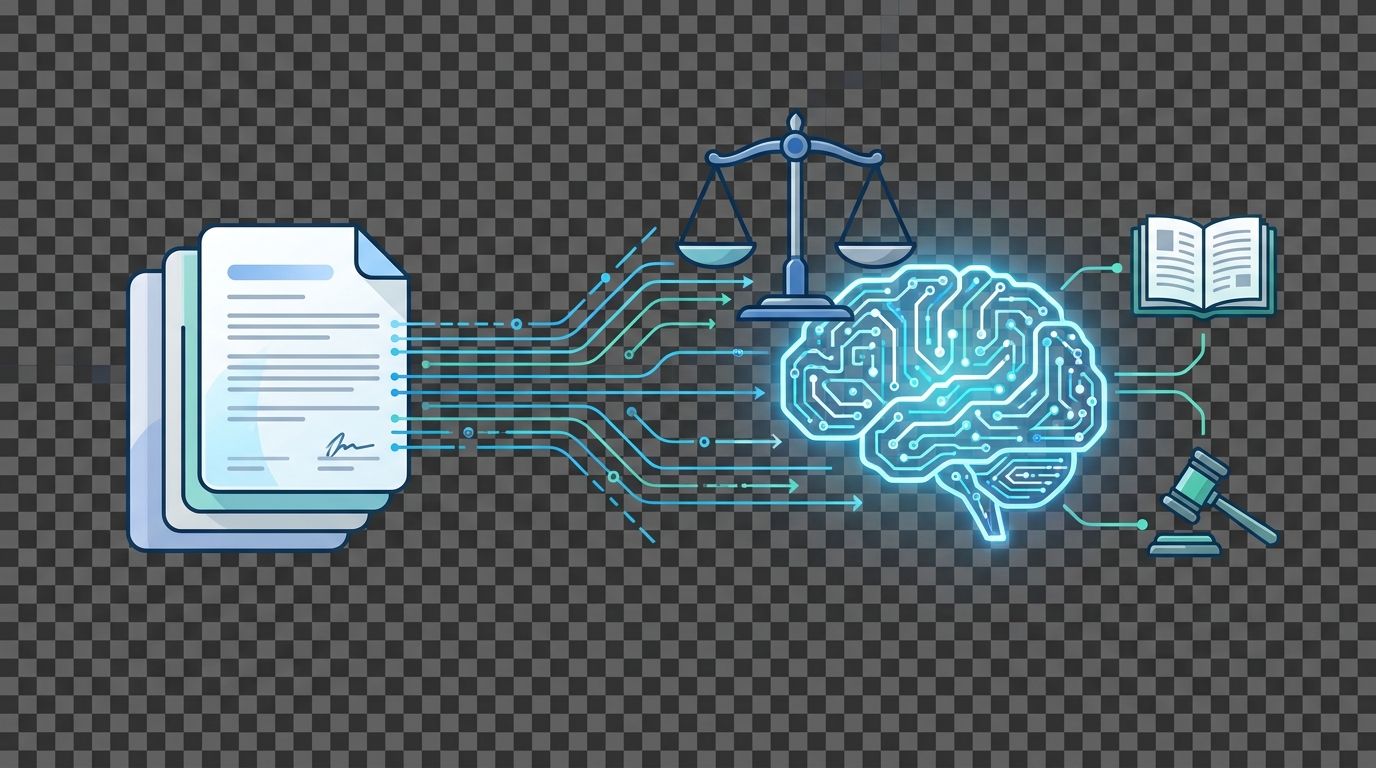
How Protégé AI inside Luminance contract platform strengthens negotiation workflows
The partnership between LexisNexis and Luminance connects two rich data ecosystems. As a result, mutual in-house customers can summon LexisNexis’s Protégé AI assistant from within Luminance’s Lumi negotiation environment. This means users can pose legal questions during live redlines and receive answers tied to case law, statutes and Shepard’s citations. E Eleanor Lightbody noted that “Luminance’s platform is trained on more than 220 million legal documents, which she described as a record of how businesses actually negotiate and structure agreements.” Therefore, the platform captures practice patterns as well as raw text.
Luminance brings the negotiation context. Meanwhile LexisNexis brings a vast citator and legal research engine. LexisNexis claims Lexis+ with Protégé draws on a repository of 200 billion legal documents, with four million added daily. Consequently, answers can be grounded in a constantly refreshed body of law. Sean Fitzpatrick summed up the value when he said, “The LexisNexis integration adds an authoritative legal research layer on top of that.” This layered model improves confidence during contract review and clause negotiation.
Practical benefits appear in three areas. First, speed increases because lawyers avoid switching platforms. Second, accuracy improves thanks to direct links to authority and Shepard’s-style citation checking. Third, workflow continuity rises because Protégé capabilities sit where teams already work. In addition, the integration routes complex matters into Lexis+ for deeper research when needed. You can learn more about Lexis+ at Lexis+ and about Luminance at Luminance.
Data provenance underpins trust. Luminance highlights training on more than 220 million legal documents. LexisNexis emphasizes a 200 billion document repository and daily ingestion. Because of these scale differences, buyers should probe what sources feed which model. Moreover, teams should ask about indexing, update cadence, and how statutory and case law citations are surfaced. For citator grounding, see LexisNexis Shepard’s service at LexisNexis Shepard’s service.
The partnership remains nonexclusive. Therefore both companies can pursue other integrations. Strategically, the move reflects a broader industry pattern. Vendors deliver AI where users already work to lower friction and boost adoption. However, buyers should still weigh pricing, data access, and hallucination risk. Grounding AI outputs in an established citator helps mitigate hallucinations, but governance and human review remain essential.
In short, the LexisNexis Luminance tie-up blends Lumi’s negotiation signals with Protégé’s legal research. As a result, firms gain smarter, faster review and a clearer path from negotiation to authoritative research.
| Feature | Protégé AI (inside Luminance) | Luminance | Lexis+ |
|---|---|---|---|
| Data Volume | Accesses LexisNexis legal repository (200 billion) and Luminance negotiation corpus | Trained on more than 220 million legal documents | Repository of 200 billion legal documents; 4 million added daily |
| AI Training Documents | Draws on LexisNexis training data and Lumi context | Trained on >220 million negotiation and contract documents | Trained on LexisNexis 200 billion document corpus |
| Legal Research Integration | Direct links to case law, statutes, and Shepard’s citations | Core negotiation context; integrates Protégé for authority | Full legal research and Shepard’s citator |
| Contract Negotiation Support | Answers legal questions during redlines; checks language against law | Primary contract negotiation platform with clause redlining | Supports deeper research; escalation path from Lumi |
| Daily Legal Updates | Can surface daily updates via Lexis+ when escalated | Update cadence not publicly specified | Yes; about 4 million documents added daily |
| Exclusivity | Integration is not exclusive | Partnership is not exclusive | Not exclusive |
| User Access Pathways | Access inside Lumi; pathway to Lexis+ for complex work | Via Lumi platform for mutual customers | Direct subscription; reachable from Protégé in Lumi |
Related keywords: Lumi, Luminance, Protégé, LexisNexis, Lexis+, contract negotiation, case law.
Managing Hallucination Risk with Protégé AI inside Luminance contract platform
AI assistants speed legal work, but they can produce inaccurate assertions. With hallucination risk having been a recurring concern for in-house buyers evaluating contract AI, the ability to ground answers in an established citator is a way to mitigate that concern. Therefore, the LexisNexis‑Luminance integration emphasizes source linkage and provenance. For example, users in Lumi receive answers that link to case law, statutes and Shepard’s citations. As a result, teams can verify claims against primary authority.
Data provenance matters because legal outcomes depend on facts and authorities. Luminance reports training on more than 220 million negotiation and contract documents. Meanwhile LexisNexis frames Lexis+ and Protégé on a repository of about 200 billion documents with daily ingestion. Because of these scale differences, users should ask which sources feed specific answers. Moreover, they should confirm indexing methods and update cadence. Teams should review sample outputs regularly to detect drift, and refine prompts accordingly.
Operational controls reduce risk. First, surface citations with contextual links so lawyers can read the underlying law. Second, route complex queries into Lexis+ for deeper research. Third, require human review for high‑risk clauses or novel legal issues. Additionally, audit logs should track prompts and sources for future review. Also, set measurable KPIs for accuracy and source coverage.
Technically, citator grounding narrows the model’s answer space. Consequently, AI responses map to verifiable authorities rather than speculative text. However, mitigation is not perfect. Teams must maintain governance, test AI outputs, and define escalation paths. Because procurement and legal ops care about cost, they should also evaluate pricing and access to Lexis+ as part of any deployment.
In short, thoughtful design balances innovation and caution. When firms combine Lumi’s negotiation context with Protégé’s citator linkage, they gain speed and preserve legal reliability.
Conclusion
The Protégé AI inside Luminance contract platform partnership delivers clear strategic advantages for contract negotiation. First, it accelerates review cycles by placing authoritative legal research where lawyers already work, so teams avoid costly platform switching. Second, it improves accuracy because answers link to case law, statutes and Shepard’s citations, which helps lawyers verify conclusions quickly. Finally, it supports escalation into Lexis+ for deeper analysis when complex issues arise.
This collaboration exemplifies cutting edge legal tech integration because it combines negotiation data with a vast citator and research engine. Moreover, the partnership balances innovation with caution, because it foregrounds data provenance and source linkage. Therefore buyers gain efficiency while preserving legal rigor, provided they maintain governance and human review. In addition, the non exclusive nature of the deal keeps options open for procurement teams.
Law firms and in house teams can translate these capabilities into competitive advantage. By using AI to automate routine review, firms free senior lawyers for strategy and client work. As a result, firms can increase throughput, reduce risk, and deliver faster client outcomes. However, they must still test outputs, track sources and define escalation paths for high risk matters.
Case Quota helps small and mid sized law firms win market dominance by applying big law strategies, including technology adoption like this partnership. If you want expert help positioning your firm around AI enabled workflows, visit Case Quota for tailored legal marketing and growth services. Contact them to build a plan that leverages modern contract AI, preserves quality and drives measurable growth.
Frequently Asked Questions (FAQs) — Protégé AI inside Luminance contract platform
What is the partnership between LexisNexis and Luminance and how does it work?
The partnership lets mutual in house legal customers access LexisNexis’s Protégé AI assistant inside Luminance’s Lumi negotiation platform. In practice, users pose legal questions while they redline contracts. Then Protégé surfaces answers tied to case law, statutes and Shepard’s citations. Therefore teams get authoritative research without leaving their negotiation workspace. For more on Luminance see Luminance and for Lexis+ details see Lexis+.
How do users access and use Protégé within Lumi?
Access is embedded inside the Lumi interface for mutual customers. Users simply open a contract and ask a legal question. Next the system returns context aware responses with citation links. As a result, counsel can check language against applicable law during negotiation. However complex matters can escalate into Lexis+ for deeper research.
What data sources underpin the AI and how large are they?
The integration combines two large data sets. Luminance reports training on more than 220 million negotiation and contract documents. Meanwhile LexisNexis says Lexis+ and Protégé draw on roughly 200 billion legal documents, with millions added daily. Consequently, responses can reflect both real world negotiation patterns and authoritative legal sources. Moreover you should ask vendors which specific sources feed an answer and how indexing works.
How does the integration mitigate hallucination risk and protect provenance?
With hallucination risk having been a recurring concern for in house buyers evaluating contract AI, the ability to ground answers in an established citator is a key mitigation. Specifically Protégé links outputs to case law, statutes and Shepard’s style citations so lawyers can verify claims. Additionally operational controls help. For example route high risk queries to Lexis+, require human review for novel issues, and keep audit logs. These steps improve reliability while maintaining speed.
What are the practical benefits and procurement considerations?
Practically, the integration increases speed, accuracy and workflow continuity. Lawyers avoid platform switching, which raises adoption and reduces friction. It also supports escalation when deeper research is needed. On the procurement side review pricing, data access, update cadence and exclusivity. Note the partnership is not exclusive, so firms keep options open. Finally governance, testing and staff training remain essential for safe, effective deployment.