
employee records management and inventory/accounting software: How Better Data Systems Boost Law Firm SEO and Visibility
Effective recordkeeping is no longer a back office only task. Because search engines reward clear, trustworthy data, law firms that adopt modern employee records management and inventory/accounting software gain an edge online. This introduction explains why solid data practices matter, what the article will cover, and the concrete benefits you can expect for compliance and efficiency.
Why recordkeeping matters now
Law firms handle sensitive personnel files, payroll records, and billing details. As a result, they face strict retention rules and privacy obligations. Therefore tidy, searchable records reduce regulatory risk and speed audits. Moreover, consistent data improves client service and supports accurate public information on profiles and directories.
What this article covers
First, we outline core record types and retention guidelines you should track. Then, we compare electronic recordkeeping options like HRIS and digital document management. After that, we show how inventory and accounting integrations support billing accuracy and trust. Finally, we provide practical steps to link data systems to your SEO and local search strategy.
Practical business benefits for law firms
Improved compliance reduces fines and saves time during investigations. As a result, staff spend less time searching for documents and more time advising clients. Better data also creates consistent metadata for web pages and local listings, which enhances online visibility. In addition, automated logs and access controls strengthen security and client trust.
Throughout this article you will find actionable advice, software options, and quick wins that deliver measurable ROI. Therefore expect clearer audits, faster billing, and stronger online presence when you standardize records and integrate systems.
employee records management and inventory/accounting software: Best practices for compliance
Effective employee recordkeeping keeps your firm compliant and efficient. Small and mid-sized law firms face strict retention rules for personnel records, payroll, and medical files. Therefore adopting clear processes prevents fines and reduces exposure during audits.
Retention guidelines and quick facts
- Form I-9: retain for three years after hire or one year after termination, whichever is later. See official guidance at USCIS Form I-9 Guidance
- Performance reviews: keep for at least two years to support personnel decisions and defend claims
- Resumes and job applications: retain at least one year for hiring records
- Payroll documentation: generally retain three to four years; consult the IRS guidance at IRS Recordkeeping Guidance
- Medical documentation: retain three years after leave ends to comply with medical privacy and leave laws
- EEOC and discrimination records: preserve records for at least one year and longer when charges are pending; see EEOC Recordkeeping Requirements
Security measures that matter
- Encrypt data at rest and in transit to protect sensitive personnel records and payroll data
- Implement strict access controls and role based permissions so only authorized staff can view confidential files
- Require multi factor authentication for admin access, especially for HRIS and cloud systems
- Maintain immutable audit logs and access histories to show who viewed or changed records
- Use data classification and redaction for medical files and privileged materials
Automation benefits using HRIS and digital document management
- Automate retention schedules so documents expire or archive per record retention guidelines
- Use OCR and indexed metadata to make electronic recordkeeping searchable, which saves time
- Integrate HRIS with accounting and billing to sync payroll and billing records automatically
- Centralize staff files and disciplinary actions to reduce duplication and human error
- Apply access workflows to route approvals, signatures, and compliance checks
Practical checklist for implementation
- Map all personnel and payroll records and note retention windows
- Choose an HRIS or document management platform with encryption and audit trails
- Configure automated retention and archival rules
- Train staff on access controls and secure handling of personnel records
- Test incident response and data recovery regularly
- Document procedures and update them yearly or when laws change
“Effectively managing work records for employees is crucial for compliance and efficiency within your organization.” In short, consistent electronic recordkeeping paired with automated tools reduces legal risk, improves operational speed, and preserves client trust. As a result, firms that standardize systems gain both compliance protection and measurable efficiency gains.
| Software | Integrations | Pricing | User limits | Special features | Strengths and usage scenarios |
|---|---|---|---|---|---|
| Ordoro | Connects with over 60 applications; API available for custom connections | Starts at $349 per month | Scales for growing teams; contact sales for limits | Multi channel shipping and order management; strong integrations | “Ordoro stands out as the best choice for businesses that prioritize integrations.” Ideal for firms needing robust billing and fulfillment links. As a result, it reduces reconciliation work and billing errors. |
| Katana | Integrates with major accounting platforms and e commerce systems | Free plan available; paid quarterly subscription at $399 | Supports unlimited SKUs and locations | Production focused inventory and shop floor features | Best for legal businesses that manage physical evidence kits or office supplies. Therefore it fits small manufacturing or hybrid firms that require traceability. |
| Odoo | Modular platform with many built in apps and third party connectors | Free inventory app for unlimited users; paid plans from $38.90 per user | Unlimited users on the free inventory app | Flexible modules for inventory, invoicing, and CRM | Good for firms that want extensible systems and low entry cost. Because it is modular, you add only needed features. |
| Finale Inventory | Connects to e commerce and accounting tools; integrates via API | Pricing varies; known for value in automated ordering workflows | Suited to teams that need advanced stock control | Automated bulk purchase order generation; smart reordering | High consumer sentiment index (9.0 out of 10). Use when automated reordering and purchase orders matter most. |
| inFlow | Integrates with accounting and sales platforms | Ratings ~4.4; pricing starts at $161 per month | Designed for small to mid sized teams | Barcode scanning, order management, and inventory reporting | Solid pick for firms that need straightforward inventory controls. As a result, it speeds audits and recordkeeping. |
| Sortly | Mobile apps for iOS and Android; basic integrations | Paid plans start at $49 per month | Mobile friendly with simple user management | Mobile inventory, photo logs, and barcode support | Useful for firms that track assets across offices. Therefore it helps maintain chain of custody for physical items. |
Notes: Pricing and ratings reflect reported facts at time of writing. For example, Ordoro is rated 4.9 and connects with 60 plus apps. Katana is rated 4.8 and supports unlimited SKUs and locations. Odoo offers a free inventory app for unlimited users. Finale Inventory emphasizes automated reordering and scored 9.0 on consumer sentiment.
employee records management and inventory/accounting software: Integration benefits for law firms
Integrating employee records management and inventory/accounting software improves operations, compliance, and online visibility. When systems talk to each other, teams find answers faster. Therefore the firm reduces manual entry, data silos, and costly errors.
Real time tracking and automation
- Real time inventory tracking updates stock and asset levels instantly. As a result, you avoid surprises during audits or client inventory checks.
- Automation handles reordering, billing allocation, and retention schedules. For example, automated retention can flag Form I 9 records for archiving after three years or one year post termination.
- Automated metadata sync improves public listings and directory accuracy. Consequently, search engines find consistent information about your firm.
Mobile management and barcode scanning
- Mobile inventory management lets teams scan assets and evidence on the go. In addition, mobile apps reduce paper handoffs and human error.
- Barcode scanning speeds audits and creates traceability trails for chain of custody. For instance, using a mobile app with photo logs documents item condition and location.
Cloud storage, security, and traceability
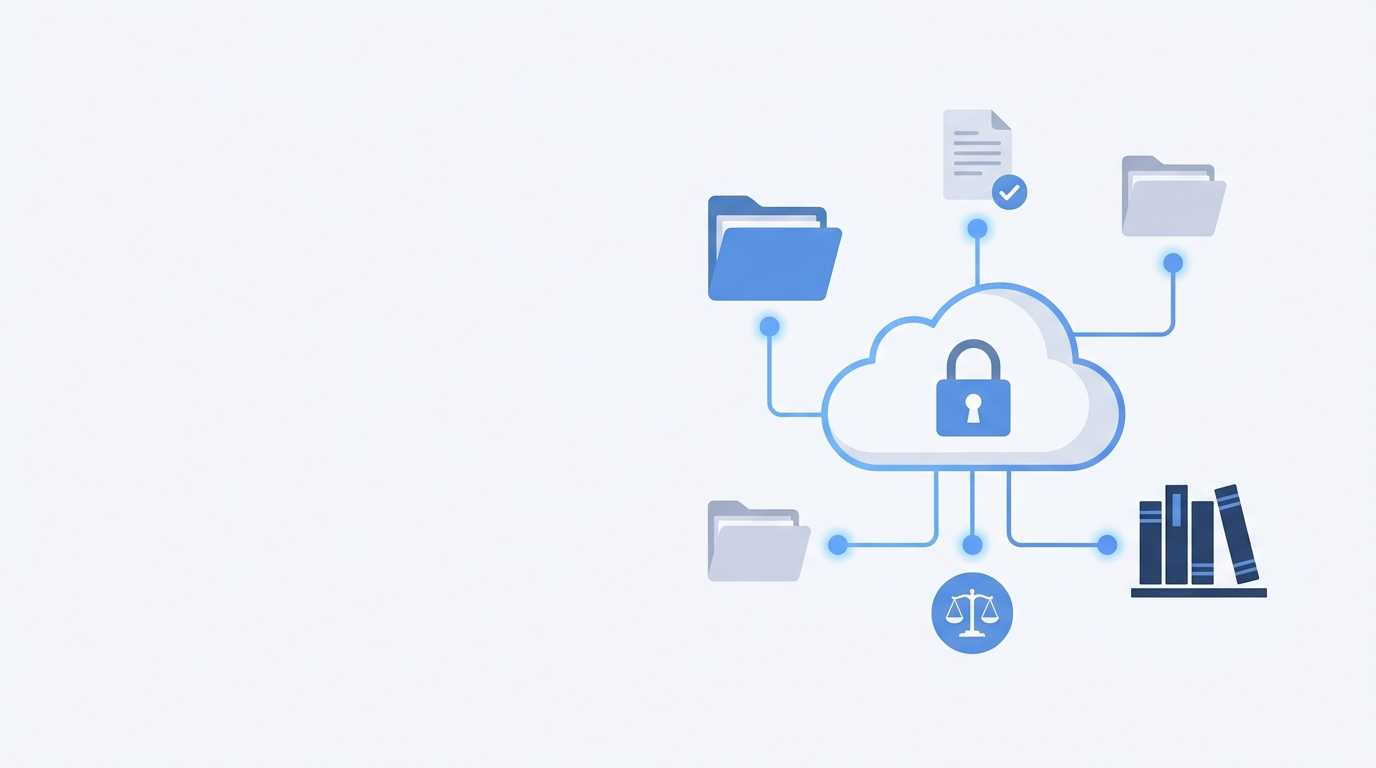
- Cloud storage centralizes personnel records and asset files, while providing encrypted backups. However, choose platforms with role based access and multi factor authentication.
- Traceability features record who accessed files and when. Therefore you can produce audit logs during compliance checks.
- Immutable logs help defend the firm if disputes arise. In short, good traceability preserves evidence and client trust.
Third party logistics and fulfillment integrations
- Integrations with 3PL providers streamline physical transfers for multi office firms. For example, ShipMonk offers 3PL services and integrates with e commerce platforms for fulfillment.
- Using an integration reduces manual shipping entries and billing mismatches. As a result, finance teams reconcile accounts faster.
Practical examples and workflows
- A litigation support team uses Sortly to track physical exhibits across offices. They scan barcodes at intake and at trial, so the chain of custody stays intact. See Sortly for mobile inventory options.
- A firm ties its asset logs to accounting software to bill clients for evidence handling. Consequently, the billing team uses fewer journal entries and reduces disputes.
- A hybrid legal services provider adds Ordoro to manage shipments and integrations. Because Ordoro connects with over 60 apps, it reduces reconciliation work. See Ordoro for integration capabilities.
“When managing inventory and accounting, choosing the right software can greatly influence your business operations.” In practice, integrating HRIS, digital document management, and inventory systems boosts efficiency. Moreover, it strengthens compliance, improves billing accuracy, and enhances your online visibility by providing consistent, structured data.
Conclusion: Turn records into SEO and operational advantage
Better employee records management and inventory/accounting software can transform a law firm’s operations and online visibility. Cleaner data improves client trust, reduces compliance risk, and supports search ranking signals. Therefore firms gain lower audit costs and faster billing cycles.
Actionable takeaways include mapping all personnel and billing records, then enforcing retention rules. Next, automate retention schedules, OCR indexing, and metadata syncing to websites and directories. This improves consistency across profiles and local search listings.
Choose platforms with encryption, role based access, and immutable audit trails. Integrate HRIS with accounting and inventory to reduce manual entries and reconciliation errors. As a result, staff spend more time on client work.
For expert help, Case Quota advises small and mid sized firms on strategic data systems. They apply Big Law style strategies to help you own your market. Learn more at Case Quota.
If you want a practical plan, request a systems audit and roadmap. Contact Case Quota to start improving recordkeeping, compliance, and SEO today.
Start with a records inventory and a one month pilot integration. Then measure speed to retrieve files, billing errors, and local ranking changes. Use low cost tools first, and scale as you see ROI. However, plan governance and staff training from day one.
Improved data pays for itself through saved hours and fewer legal risks. In short, better systems protect clients and boost your online presence.
Frequently Asked Questions (FAQs)
How long should a law firm retain employee records and what are the legal essentials?
Retention windows vary by record type. For example, Form I-9 must be kept three years after hire or one year after termination, whichever is later. Performance reviews should stay at least two years. Payroll records generally remain three to four years. Medical documentation often requires three years after leave ends. Therefore map each document to the applicable retention guideline. In addition, consult federal and state guidance when in doubt.
How does automation improve compliance and daily workflows?
Automation enforces retention rules and reduces human error. For instance, scheduled archival can flag Form I-9 records for removal. Automated OCR indexing makes personnel records searchable. As a result, staff spend less time finding files. Automation also creates audit trails and timestamps. Therefore you can demonstrate compliance faster during inspections and disputes.
What integration benefits should law firms expect from inventory and accounting software?
Integrations sync HRIS, billing, and asset logs. This reduces duplicate data and speeds reconciliation. Real time inventory tracking and barcode scanning improve traceability. In addition, mobile inventory management supports offsite evidence handling. Third party logistics integrations automate fulfillment and reduce manual shipping errors. Overall, integrated systems improve billing accuracy and online visibility by keeping public data consistent.
How do I choose the right software for my small or mid sized firm?
Start by mapping needs and user roles. Prioritize encryption, role based access, and audit logs. Consider pricing and integrations with your accounting or practice management tools. Test vendor demos and run a one month pilot. For example, pick a platform with mobile support if you handle physical exhibits. Above all, choose a system that reduces manual steps and scales with firm growth.
What security controls protect sensitive personnel and client data?
Use encryption at rest and in transit. Require multi factor authentication for admin accounts. Apply role based permissions and least privilege principles. Maintain immutable logs and regular backups in secure cloud storage. Train staff on secure document handling and phishing avoidance. Finally, test your incident response plan so you can recover quickly if a breach occurs.
If you need more detail on retention guidelines, compliance, or integration workflows, request a short audit and roadmap to prioritize systems and resources.