
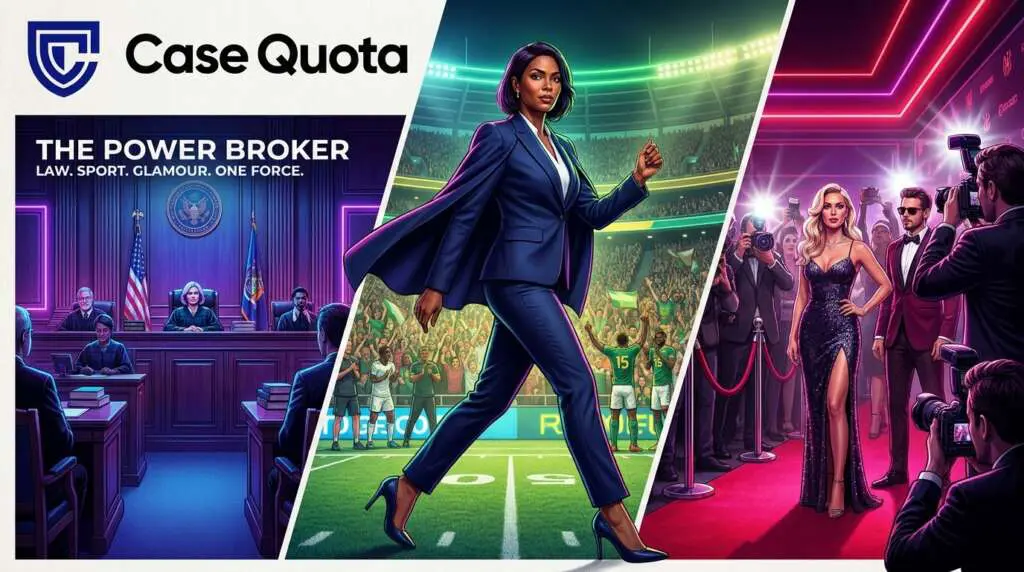
Welcome to the Bold Advertising Playbook
Welcome to the bold advertising playbook, where legal tech celebrity endorsements take center stage. In this piece we roast, analyze, and celebrate law firm marketing that refuses to play it safe. Humor will puncture pretension, while satire will spotlight industry excess.
Along the way we will name names like Jude Law, Gabriel Macht, Aaron Judge and an Oscar cinematographer. Meanwhile we will examine sponsorships, celebrity style endorsements, brand ambassadors, and nontraditional ads. Because the rules of legal advertising are changing, firms now court Hollywood and sports stars. As a result law firms trade bland disclaimers for glossy campaigns and cinematic taglines.
For example Legora’s tagline Law just got more attractive became a cultural mic drop. Moreover Harvey and Legora proved that hiring A list talent can move markets and conversations. However this trend raises ethical questions about credibility, conflict, and spectacle. Therefore we will weigh hype against long term trust and client service.
We will also explore influencer marketing, AI deep fake risks, and celebrity spokespeople vetting. Expect sharp takes on sponsorship plays with clubs like Paris Saint Germain and the New York Yankees. At the same time we will poke fun at the idea that lawyers now need red carpets. Yet the clock is ticking for firms that ignore bold marketing moves.
Consequently this introduction invites you to laugh and think at once. Read on for practical tactics, legal guardrails, and a satirical guide to celebrity endorsements for law. You may leave offended, amused, or inspired. Either way you will not forget these advertising playbook propositions.
Legal tech celebrity endorsements: the big-name playbook
Legora’s Jude Law campaign rewired expectations about legal AI. In April 2026, Legora hired Jude Law as its global face. The ad run leaned hard on charm and cinematic polish. For instance, the campaign used an Oscar-winning cinematographer to shoot glossy vignettes. As a result, the tagline “Law just got more attractive” landed like a cultural mic drop. Read Legora’s announcement at Legora’s Announcement and this ad analysis at The Drum Analysis.
On the other hand, Harvey chose Gabriel Macht as its brand ambassador. Therefore, Harvey traded courtroom gravitas for peak TV swagger. The Legal Cheek write-up captures the deal at Legal Cheek Write-up. Meanwhile, Harvey locked sponsorships with football clubs and global stages. For example, the Paris Saint-Germain announcement shows partnership details at PSG Announcement and Harvey’s blog reports the Fulham tie at Harvey’s Blog.
What do these moves buy brands beyond buzz? First, cultural cachet. Celebrity faces confer instant familiarity, and that familiarity shortens buying cycles. Second, perceived legitimacy. However, celebrity also invites scrutiny and satire. For example, critics joke that lawyers now need red carpets. Yet campaigns can shift positioning quickly. As a result, firms go from buttoned up to aspirational overnight.
Practical signals to watch include authenticity and alignment. Therefore, choose celebrities whose persona fits brand promises. For instance, a suave actor signals confidence, while an elite athlete signals grit. Because of that fit, the campaign will feel earned. Conversely, mismatches create cognitive dissonance. Consequently, clients may feel misled or bemused.
In short, the era of legal tech celebrity endorsements mixes glamour with risk. It elevates legal platforms into lifestyle brands. At the same time, it forces firms to answer tough questions about credibility. Below are quick takeaways for teams thinking about celebrity-driven campaigns:
- Emphasize alignment because persona must match product claims
- Build guardrails to manage conflicts and ethical constraints
- Plan for long-term brand stewardship, not just a viral moment
- Prepare for parody because satire is now part of the media diet
Ultimately, these endorsements rewrite the rules of legal marketing. They add star power and cultural conversation. Yet, they also demand smarter strategy and sharper ethics.
| Entity | Celebrity or Spokesperson | Campaign Tagline | Sponsorship Duration | Unique Campaign Features |
|---|---|---|---|---|
| Harvey | Gabriel Macht | None stated | Not disclosed | Brand ambassador campaign using TV persona for instant recognition; ties to club sponsorships with Paris Saint Germain and Fulham FC |
| Legora | Jude Law | Law just got more attractive | Not disclosed | Cinematic campaign shot with an Oscar winning cinematographer; lifestyle positioning and glossy vignettes |
| Legora | Ludvig Åberg | None stated | Not disclosed | Athlete endorsement conveying performance and precision; access to golf and international sports audiences |
| Legora | Aaron Judge and New York Yankees | None stated | Multi year | Multi year sponsorship with the New York Yankees; high profile sports crossover and large market exposure |
| Harvey | Paris Saint Germain | None stated | Not disclosed | Club level sponsorship offering global football audiences and broad brand visibility |
| Harvey | Fulham FC | None stated | Not disclosed | Local and regional engagement in the UK market through club partnership |
Legal tech celebrity endorsements meet sports sponsorships
Law firms and legal platforms now buy visibility the same way consumer brands do. For example Harvey inked partnerships with Paris Saint Germain and Fulham FC to reach global football fans. Read the club announcement at Paris Saint Germain Announcement and Harvey’s Fulham post at Fulham FC Announcement. Therefore these deals trade legalese for stadium banners and broadcast mentions. As a result they convert abstract trust into shared fandom and frequent exposure. Moreover Legora layered athlete and team tie ups on top of star talent. See Legora’s Jude Law announcement at Legora Announcement.
Sponsorships work because they deliver context and scale. For instance a stadium ad runs during emotional moments in sport. Consequently an AI contract reviewer can become top of mind during halftime. However firms must learn to translate sports heat into legal credibility. Therefore integrate thought leadership and practical demos alongside every sponsorship. Otherwise audiences will remember the logo but forget the offering.
Legal tech celebrity endorsements beyond the ad spot
Celebrity spokespeople now play many roles beyond smiling in a thirty second spot. For example Legora paired Jude Law with cinematic production values and an Oscar winning cinematographer. Therefore the campaign read more like a short film than a product demo. Meanwhile Gabriel Macht became Harvey’s walking brand asset, bringing fictional courtroom swagger to marketing. Because of that move, audiences intuitively connect persona and promise. However this tactic also invites parody and media skepticism.
Brands expand celebrity use into events, podcasts, premium reports, and co branded education. Consequently they create multiple touch points that amplify messaging over time. In addition brand ambassadors can host webinars, write op eds, or attend client dinners. Yet these appearances demand rigorous vetting. Therefore firms should use disclosure policies and conflict checks before every engagement.
Nontraditional risks and digital tricks
The rise of celebrity endorsements raises digital risks, especially AI deep fake misuse. For background on deep fake implications see research at Brookings Research on Deep Fakes. Moreover bad actors could repurpose a celebrity endorsement into a convincing fake. As a result firms must protect assets with strict approvals, rights of publicity clauses, and watermarking plans. Because of the legal stakes, firms should draft clear license terms and contingency plans.
There is also the cultural joke about celebrities who have “moved ‘to the cloud'”. In other words some talent now monetizes AI likenesses instead of doing live appearances. Therefore marketers must negotiate both human performance and synthetic usage rights. Consequently the contract landscape will get more complex and more lucrative.
Practical playbook notes for teams
- Use celebrity endorsements only when persona aligns with product claims because alignment reduces cognitive dissonance
- Treat sponsorships as long term programs rather than one off launches because sustained exposure builds trust
- Plan ethical guardrails and disclosure statements because regulators and clients expect transparency
- Insure against synthetic misuse and retain takedown rights because AI deep fake risks are real
In short, nontraditional advertising blends spectacle with strategy. It gives legal brands cultural cachet and mass reach. Yet it also forces smarter contracts, sharper ethics, and readiness for satire.
CONCLUSION
Bold celebrity endorsements and high profile sponsorships have rewritten the rules of legal marketing. Suddenly law firms sell more than expertise; they sell aura. Because of campaigns with Jude Law and Gabriel Macht, legal brands now borrow cultural cachet from Hollywood and sports. As a result, brand ambassadors and celebrity spokespeople drive awareness faster. However, this attention brings scrutiny and legal guardrails.
Smart firms will use star power with strategy. Therefore align persona to product claims and avoid mismatches. Moreover invest in long term stewardship, because one viral spot does not build trust. Also plan for synthetic risks like AI deep fakes and negotiate usage rights for likenesses. Consequently contracts and disclosures will matter as much as creative briefs.
If you run a small or mid sized firm consider expert help. Case Quota offers specialized legal marketing and high level strategy to help firms win market dominance. Visit Case Quota to explore their services and case studies. Their team designs campaigns that balance spectacle and ethics. At the same time, they tailor budgets to realistic returns.
Play boldly but plan cautiously. The clock is ticking for firms that cling to old tropes. Therefore try sponsorships, celebrity endorsements, influencer collaborations, or targeted events. Test ideas with pilots, measure impact, and iterate quickly. In short, combine satire with substance and you will capture attention that converts.
Ready to rethink your marketing playbook? Contact a specialist, test a celebrity led pilot, or reframe your sponsorship goals today. Act now and own the conversation. You’re welcome.
Frequently Asked Questions (FAQs)
What are legal tech celebrity endorsements and why do firms use them?
Legal tech celebrity endorsements are paid partnerships where well known individuals promote legal products or law firms. Firms use them to gain instant recognition and cultural cachet. Because celebrities shorten attention cycles, brands speed awareness and trial. However this strategy costs more than standard ads. Therefore teams should weigh budget against expected reach. Moreover celebrity endorsements can reposition a legal brand from functional to aspirational.
How do sponsorships with sports teams differ from classic celebrity spokespeople deals?
Sponsorships buy contextual exposure through events, broadcasts, and venue branding. In contrast celebrity spokespeople drive persona association across media and PR. Sponsorships often deliver scale and repetitive impressions. Consequently they work well for top of funnel goals. Celebrity spokespeople create narrative and credibility when aligned with product claims. For example partnering with Paris Saint Germain targets football fans, while Aaron Judge and the New York Yankees reach U.S. sports audiences.
What risks should firms consider when hiring brand ambassadors or celebrity spokespeople?
Risks include mismatch, reputation spillover, and regulatory scrutiny. If persona conflicts with product promises, clients may lose trust. Furthermore contracts must cover disclosure, rights of publicity, and AI usage. Because AI deep fake misuse is rising, secure synthetic likeness rights and takedown clauses. Also run conflict checks and ethical reviews before signing. Finally plan crisis scripts and rapid response for parodies or negative press.
Can small and mid sized firms benefit from celebrity style strategies on a modest budget?
Yes, but they must adapt tactics. Instead of A list talent, consider niche influencers, local athletes, or co branded events. These options cost less and often deliver stronger local relevance. Moreover pilot a micro campaign before scaling. Use measurement to prove ROI and justify bigger investments. As a result firms can test creative ideas without risking large budgets.
How do firms protect campaigns from AI deep fakes and synthetic misuse?
Start with rock solid contracts that define human and synthetic rights. Require approvals for all creative uses and limit third party redistribution. Watermark master files and register usage rights where possible. Also set up monitoring and fast takedown procedures. Because prevention matters, train teams on digital hygiene and incident response. In short, legal and creative teams must co design protection and promotional playbooks.