
The Rise of Large Language Models and Answer Engine Optimization
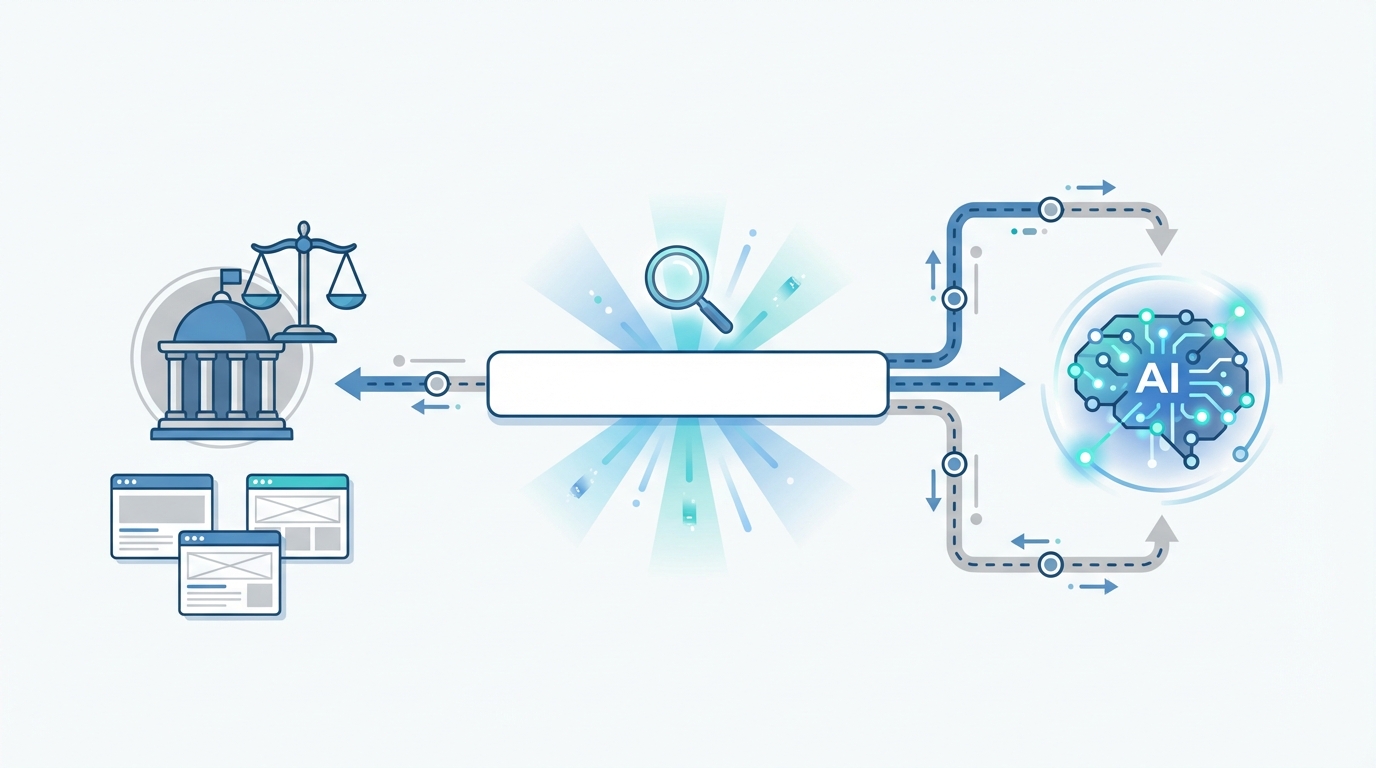
The rise of large language models has rewritten how people search for legal help. Answer Engine Optimization (AEO) now determines whether your firm appears inside AI answers. Because these models surface quick, authoritative responses first, they directly shape discovery, trust, and paid lead flow.
Data shows that firms optimizing for AI see measurable gains in advertising performance. For example, 58 percent of marketers report stronger conversion from AI referrals, while AI-referred trials have increased sixfold in some tests. In practice, teams recorded a 16.9 percent AI conversion rate and hundreds of new clients. Therefore, AEO is now critical for any law firm that spends on paid campaigns.
Answer Engine Optimization focuses on crafting concise, factual responses that AI systems can cite. Thus, you must build answer-first landing pages that use schema markup, clear intent signals, and tightly focused content. In addition, fast page speed and smart internal linking boost AI visibility and citation rates. As a result, paid ads feed AI tools with high-quality answers that lead to clicks and meaningful engagements.
This shift matters because it changes what counts as effective creative and landing page design. Consequently, AEO reduces wasted ad spend by aligning your messaging with how models surface answers. We present step-by-step tactics you can test quickly, plus templates that scale across practice areas. Read on to convert AI visibility into measurable lead generation and revenue.
In real campaigns we observed a 68 percent increase in AI visibility across major LLMs. Moreover, AI referrals produced a sixfold rise in trials and a 600 percent citation uplift in targeted content. As a result, teams attributed millions in revenue and dozens of new clients to AI discovery.
Throughout this guide we unpack tactics, testing templates, and measurement frameworks. Therefore, you can align paid media with AEO to maximize qualified leads. Start by rethinking landing pages as direct answers, not brochure pages. Now dive into the first section to build answer-first landing pages for paid campaigns.
How Answer Engine Optimization (AEO) reshapes advertising for law firms
Answer Engine Optimization (AEO) changes how small and mid sized law firms acquire leads. Because AI models now surface concise answers first, paid campaigns must feed those same answers. Therefore, firms that optimize for AEO convert more AI referred visitors and capture higher value cases. For example, teams reported a 16.9 percent average AI conversion rate and a sixfold rise in AI referred trials in just seven weeks. Moreover, AI visibility rose by 68 percent across major models after targeted AEO work.
AEO shifts budgets and creative priorities. Instead of only bidding on keywords, firms must invest in answer first landing pages. Likewise, creative should include precise queries and direct solutions. As a result, paid clicks are more likely to convert into qualified leads. In practice, AI referrals produced 156 new clients and drove 2.34 million dollars in attributed revenue. Therefore, small and mid sized practices can match larger firms on discovery if they adopt AEO quickly.
Answer Engine Optimization (AEO) tactics that drive paid performance
Below are key statistics and practical tactics you should deploy now to improve advertising ROI and increase AI citations. Use schema markup to make answers machine readable and guide AI citations. For implementation details, refer to structured data guidance at Google Developers Search which explains markup types and testing.
- Key statistics
- 58 percent of marketers say AI referred visitors convert at higher rates than traditional organic traffic. Source
- 6 times increase in AI referred trials reported in active AEO campaigns over seven weeks
- 600 percent citation uplift in targeted answer content
- 63 percent brand citation rate for AI awareness prompts and 36 percent for category prompts
- Recommended tactics
- Build answer first landing pages with clear legal steps and direct calls to consult
- Add FAQ schema and HowTo schema from Schema.org to increase machine readable answers
- Boost page speed and mobile performance to improve AI visibility and reduce drop off
- Use focused internal linking to route authority to answer pages and improve citation chances
- Craft short, factual snippets for paid ad landing pages so models can cite your firm accurately
Because AI systems rely on trusted sources, your citation rate will grow when answers are clear and authoritative. Consequently, AEO lowers wasted ad spend by converting more paid clicks into SQLs. For example, AI referred sessions converted to SQLs at 27 percent in measured campaigns. Moreover, AI users spent 30 percent more time on answer oriented pages, which signals strong intent.
Answer Engine Optimization (AEO) is not a one time fix. Instead, apply iterative testing, monitor AI citations, and refine schemas and content. Over time, firms will see improved SERP performance on high intent keywords and a steady rise in qualified leads.
| Approach | Key Techniques | Conversion Impact | Visibility Metrics |
|---|---|---|---|
| Keyword and ranking driven; focuses on organic SERP positions and backlinks | Long form content; backlink building; on-page SEO; technical fixes | Steady organic conversions; typically lower intent than AI referrals | SERP rankings; impressions; CTR; 10% of organic traffic may come from LLMs |
| Answer Engine Optimization (AEO): designs concise, machine readable answers | Schema markup (FAQ, HowTo, Organization); answer-first landing pages; short factual snippets; internal linking; fast page speed; citation focus | Higher conversion from AI referrals; 16.9% average AI conversion rate; 6x increase in AI referred trials; 27% SQL conversion rate | 68% AI visibility increase across major LLMs; 600% citation uplift; 3x SERP performance on high-intent keywords; 63% brand citation rate for awareness prompts |
| Hybrid: use SEO for content breadth and AEO for high-intent queries | Blend longform articles with answer pages; repurpose content; monitor schema and citations; test landing page variants | Best overall ROI; $2.34M revenue attributed to AI discovery; $47,500 average case value from AI-referred clients; increases qualified leads | Broader SERP presence plus increased AI citations; AI users show 30% higher time on site |
Why Paid Campaigns Must Treat Landing Pages as Direct Answers
Answer Engine Optimization (AEO) forces that change. Because AI models prefer concise, factual replies, landing pages must deliver machine readable answers first. As a result, firms can convert more paid clicks into qualified leads and higher value cases. For example, AI referred sessions showed a 16.9 percent conversion rate and produced a sixfold increase in trials in test campaigns.
Answer Engine Optimization (AEO) Landing Page Anatomy
Design landing pages to give instant answers. Start with a short, bold lead that states the legal outcome a visitor wants. Then provide a step by step solution in one to three clear bullets. Next, add machine readable schema to increase the chance AI will cite your page. Use FAQ schema at https://schema.org/FAQPage and HowTo schema at https://schema.org/HowTo to mark common questions and processes. These schemas tell models how to surface your content as a direct answer.
Include the following elements on every paid landing page:
- Clear intent signal and one line answer at the top
- Short procedural steps using HowTo schema for guided tasks
- FAQ blocks using FAQ schema for common concerns
- A concise contact CTA and a one question form to reduce friction
- Fast pages with optimized images and minimal third party scripts
- Focused internal links from practice area hubs to the landing page
For example, a personal injury ad should link to a landing page that answers “How much is my case worth” in three bullets. Then include a short HowTo for next steps and an FAQ about timelines. This structure increases time on page and intent signals. In practice, AEO pages showed 30 percent higher time on site and a 27 percent SQL conversion rate in measured campaigns.
Implementing Answer Engine Optimization (AEO) with HubSpot Content Hub
Use a content platform to scale answer pages. HubSpot Content Hub at https://www.hubspot.com/products/content-hub lets teams produce, tag, and repurpose answer first content. Therefore, you can spin up 10 to 20 AEO landing pages per month and measure citations and conversions. Integrate page templates with schema injection, fast hosting, and analytics. Then run A/B tests that measure AI citations, SERP lifts, and conversion quality.
Finally, iterate quickly. Monitor AI citation rates, refine snippets, and tighten schema. Over time, small firms can match larger competitors on discovery. Consequently, paid media becomes more efficient and yields higher value leads.
Answer Engine Optimization (AEO)
Answer Engine Optimization (AEO) has moved from theory to a practical advantage for law firms. Because AI models prioritize concise, authoritative responses, firms must redesign ads and landing pages to deliver direct answers. As a result, AEO increases discovery, improves citation rates, and boosts paid campaign ROI.
Data from recent campaigns show clear gains. For example, teams recorded a 16.9% average AI conversion rate. They saw a sixfold rise in AI referred trials over seven weeks. Additionally, AI visibility rose by 68% across major models, and targeted work produced a 600% citation uplift. Overall, campaigns attributed 156 new clients and 2.34 million dollars to AI discovery.
To leverage AEO, focus on answer-first landing pages, schema markup, fast page speed, and focused internal linking. Use FAQ and HowTo schema to make content machine readable. Integrate these pages with a content platform, then test and measure AI citations and conversion quality. Over time, these tactics reduce wasted ad spend and increase high value leads.
Case Quota helps small and mid sized law firms adopt these strategies. Visit Case Quota to learn how they build AEO optimized campaigns that match Big Law capabilities. Finally, iterate quickly, measure what matters, and prioritize answers over long descriptions to win AI driven discovery.
Frequently Asked Questions (FAQs)
What is Answer Engine Optimization (AEO) and why does it matter for law firms?
Answer Engine Optimization (AEO) means designing content so AI systems surface your firm as the cited answer. Because large language models prefer concise, factual replies, AEO boosts discovery and trust. Law firms that apply AEO win higher intent traffic. For example, some campaigns recorded a 16.9% AI conversion rate and a sixfold rise in AI referred trials.
How does AEO change paid advertising strategy for small and mid sized firms?
AEO forces ads to link to answer first landing pages. Therefore, teams must craft short, precise ad copy and link to pages that answer common legal questions. As a result, paid clicks convert at higher rates and produce richer lead quality. In one set of campaigns, AI referrals generated 156 new clients and $2.34M in attributed revenue.
What technical elements are essential for AEO?
Use schema markup, fast pages, and clear internal linking. Specifically add FAQ schema and HowTo schema at https://schema.org/FAQPage and https://schema.org/HowTo. Also follow structured data guidance at https://developers.google.com/search to validate markup. Finally, ensure mobile speed and minimal third party scripts so AI and users find answers quickly.
How should firms measure AEO performance?
Track both AI citations and downstream outcomes. Monitor AI visibility, citation uplift, conversion rate, and SQL rate. For instance, measured campaigns showed a 68% AI visibility increase, 600% citation uplift, and 27% SQL conversion. Therefore, include metrics like AI referred sessions, time on site, and revenue per client.
Can smaller firms scale AEO without large budgets?
Yes. Use content platforms and templates to scale answer pages. For example, HubSpot Content Hub at https://www.hubspot.com/products/content-hub helps teams produce and tag answer first pages. Start with high intent practice areas and iterate. Over time, AEO reduces wasted ad spend and increases qualified leads.