

Zero-Click Searches: Why Law Firms Must Rethink SEO
Zero-click searches have risen into a major marketing force. Because search engines now answer queries on the results page, users often never visit a website. As a result, law firms see fewer organic clicks. Therefore, firms must change how they approach SEO to remain visible and to capture client leads.
HubSpot defines the term clearly. “Zero-click searches occur when a search engine query is answered directly on the search results page via a featured snippet, knowledge panel, People Also Ask (PAA) box, local pack, AI Overview, or other rich results rather than having a user visit a separate website.” This direct-answer trend includes AI Overviews and rich snippets, which replace traditional link-driven traffic.
The impact on organic traffic is concrete and measurable. For example, zero-click behavior reduces organic site visits by an estimated 15 percent to 25 percent, and many searches now end without a click. Consequently, law firms that rely only on classic SEO tactics will likely see declining leads. Meanwhile, local queries shift more clicks toward map pack and knowledge panel results, which changes where clients engage.
Law firms must adapt through targeted strategies. Focus on Answer Engine Optimization and featured snippet targeting to win visibility. Use structured data and FAQ schema to increase eligibility for rich results. Optimize Google Business Profile and local SEO to capture map pack clicks. Finally, create brief, authoritative answers so AI and SERP features cite your firm. By evolving content and technical SEO, firms can convert impressions into inquiries despite zero-click trends.
Why Local SEO is Essential for Law Firms in the Age of Zero-Click Searches
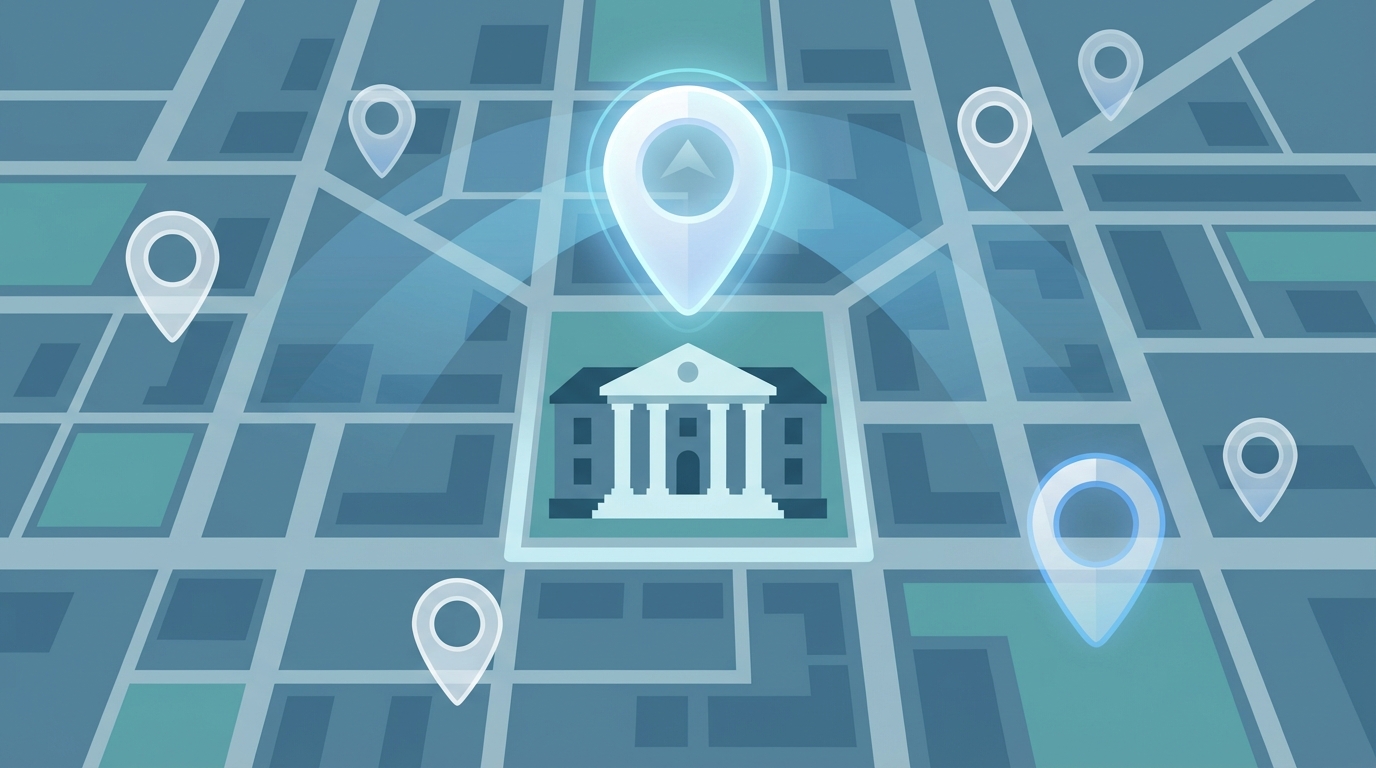
Local SEO now acts as the frontline defense against falling organic clicks. Because zero-click searches push answers and contact details directly into Google’s SERP features, law firms must capture attention where users look. Therefore, optimizing for the local pack and Google My Business increases the odds that a potential client will call or request directions—even when they never visit your website.
Backlinko reports that 42 percent of searchers click on Google map pack results for local queries, which shows the map pack’s strong influence. HubSpot and related research suggest that zero-click behavior can cut organic traffic by 15 percent to 25 percent. As a result, law firms should treat their Google My Business profile as a conversion page and not just a listing.
Practical local SEO moves include claiming and verifying your Google My Business listing, keeping NAP data consistent across directories, and publishing regular posts and Q and A updates. Use LocalBusiness schema and FAQ schema on service pages to increase eligibility for local rich results and People Also Ask features. Also, encourage and respond to client reviews because review signals feed map pack rankings and trust indicators.
Because many legal searches have high commercial intent, appearing in the local pack often produces better lead quality than organic listings. Therefore, prioritize proximity, relevance, and prominence: make sure your firm’s categories, service descriptions, and local landing pages match the searcher’s intent. Finally, monitor local rank and CTRs and iterate. By doing so, law firms can convert impressions into calls and visits despite the growing prevalence of zero-click searches.
How to Win Featured Snippets and AI Citations for Legal Queries
Featured snippets are search results that show a concise answer at the top of the SERP. AI citations are the sources an AI cites when answering a query. Together they drive zero-click searches because users get answers without clicking through.
AI Overviews and featured snippets occupy high-visibility real estate. As a result, they often reduce organic clicks. Conductor found AI Overviews triggered in over 25 percent of searches, which proves the trend.
Search Engine Journal reported that after the early March switch to GPT-5.3 Instant, ChatGPT began citing fewer domains. Meteoria and Resoneo data showed average unique domains per response fell from 19 to 15. Unique URLs per response dropped from 24 to 19. Oncrawl logs showed ChatGPT-User crawl volume decreased for many sites. Read the coverage and data at Search Engine Journal for details on AI citation frequency and model changes.
Use tools like HubSpot AEO Grader to audit AI visibility and to prioritize fixes. The HubSpot AEO Grader helps identify weak spots in answer optimization and schema use.
Key tactics to win featured snippets and AI citations
- Answer common legal questions directly and succinctly to target featured snippets.
- Use clear headings that match searcher questions to help featured snippets and People Also Ask.
- Add FAQ schema and Article schema to claim rich result eligibility and to feed AI Overviews.
- Publish concise definitions, steps, and example scenarios for AI to cite because brevity improves citation likelihood.
- Build authority because AI citation frequency favors sites with broad referring domains and trust signals.
- Track snippet wins and optimize pages that earn People Also Ask slots to convert impressions.
- Use the HubSpot AEO Grader to benchmark progress and prioritize fixes.
- Finally, earn backlinks and structured data to remain in AI citation pools and referral sets.
Winning featured snippets and AI citations reduces the harm from zero-click searches. Consequently, firms that adapt will keep quality leads. However, this requires ongoing testing and investment. Therefore set monthly KPIs for snippet impressions, AI citation frequency, and referral diversity. Start with priority keywords and iterate based on measured AI citation frequency changes and track conversions daily.
Search Engines and AI Interfaces That Matter for Lawyers
| Search Engine / AI Interface | Market Share (StatCounter / Usage) | Features (AI Overviews, referral traffic, GPT changes) | Relevance to law firms’ AEO and local pack strategies |
|---|---|---|---|
| Google (Google AI Overviews) | Global 90.01% ; US 84.13% | AI Overviews trigger in ~25% of searches (Conductor). Rich results include featured snippets and knowledge panels. Google owns many SERP features and drives clicks to Google properties. | Top priority. Optimize for featured snippets, local pack, Google My Business, structured data, and FAQ schema. |
| Bing and Microsoft Copilot | Global 4.98% ; US 10.52% | Bing integrates Copilot and Microsoft AI. Desktop share and enterprise use remain meaningful. Bing surfaces AI answers and Copilot citations. | Important for desktop and business audiences. Optimize for Bing answers and claim Microsoft business listings. |
| ChatGPT (OpenAI, GPT-5.3 Instant) | 900 million weekly users (OpenAI) | ChatGPT cites fewer domains after GPT-5.3 Instant. Unique domains per response fell from 19 to 15 (Resoneo/Meteoria). AI referrals concentrate on authoritative domains. | Prioritize backlink diversity and authoritative content. Provide concise answers so ChatGPT can cite your firm. Use schema and short Q and A sections. |
| Perplexity | 780 million queries processed (May 2025) | Strong research intent and clear source citations. Perplexity favors well-structured, citable content. | Use deep, well-sourced pages. Optimize for clarity so Perplexity lists your firm as a source. Monitor citation frequency. |
Answer Engine Optimization (AEO) Tactics to Recover from Zero-Click Trends
Answer Engine Optimization reframes SEO for the age of AI search. In short, AEO focuses on providing concise, citable answers. As a result, it helps law firms appear in AI Overviews, featured snippets, and People Also Ask boxes.
Industry data shows how urgent this shift is. McKinsey reports about half of Google results already use AI summaries, and it projects that figure could reach 75 percent by 2028. Therefore law firms must prioritize AEO now. Conductor’s AEO/GEO Benchmarks found AI Overviews in roughly 25.11 percent of searches and measured AI referral traffic across industries. You can preview Conductor’s summary on LinkedIn at Conductor’s summary on LinkedIn. For practical auditing, use HubSpot’s AEO Grader to find weak spots: HubSpot’s AEO Grader.
HubSpot captures the mindset well: “AEO is SEO Evolved.” Firms that apply AEO earn visibility in zero-click environments. However, this requires a different content and technical playbook.
Tactical priorities for law firms
- Implement schema markup types such as FAQ schema, HowTo schema, and LocalBusiness schema. Schema markup improves eligibility for rich results and AI citations.
- Create concise, direct answers for top legal queries. Bullet lists and numbered steps increase snippet potential.
- Publish original research and local data. Unique studies increase citation likelihood and support authority signals.
- Focus on commercial intent content. Write service pages with clear calls to action for high-intent searches.
- Use Article and BlogPosting schema on longform pieces to increase citable structure.
- Build referring domain diversity because AI citation frequency favors authoritative sites. SE Ranking shows referring domains predict ChatGPT citation likelihood.
- Monitor AI referral traffic and snippet impressions weekly. Then iterate page content based on performance.
In practice, start by mapping top queries to answer pages. Then add schema markup, short Q and A sections, and data-backed assertions. Because AEO rewards clarity and authority, firms that adopt these tactics will recover traffic and convert impressions into clients despite rising zero-click searches.
CONCLUSION
Zero-click searches demand that law firms reshape their digital playbook now. Because search engines and AI answer more queries on the SERP, firms must move beyond traditional organic tactics and meet clients where they search.
Start with local SEO and Google My Business optimization to reclaim nearby, high-intent leads. Then pursue featured snippet wins and AI citations by offering concise, citable answers. Finally adopt Answer Engine Optimization with FAQ schema, HowTo schema, and clear service pages to improve AI visibility and conversion.
These strategies restore visibility and client acquisition in measurable ways. For example, optimized local listings capture map pack clicks, while structured data increases rich result eligibility. As a result, impressions turn into calls and consultations more often than passive organic listings alone.
If your firm needs a partner to execute these tactics, consider Case Quota. Case Quota specializes in legal marketing for small and mid-sized law firms and applies Big Law strategies on a practical budget. Moreover, their team focuses on measurable SEO, AEO, and local dominance for legal practices.
Begin by mapping priority keywords and local queries, then add targeted schema and short answer sections. Monitor snippet impressions, AI citation frequency, and local CTRs weekly. Consequently iterate quickly and allocate resources to the highest-converting pages.
Zero-click searches are not a fatal threat if you adapt. Therefore act now to protect your lead flow, regain market share, and position your firm to win the clients that matter.
Frequently Asked Questions (FAQs)
Q1 What are zero-click searches and why do they matter for law firms?
Zero-click searches happen when search engines answer queries on the results page. As a result, users often get what they need without visiting a website. For law firms, this reduces organic traffic and lead opportunities. Therefore firms must win visibility inside SERP features like featured snippets, People Also Ask, and the local pack.
Q2 How much can zero-click searches impact my website traffic?
Studies estimate zero-click behavior can cut organic traffic by 15 to 25 percent. Also, Google reports many searches end without a click. As a result, traditional SEO alone no longer guarantees steady lead flow. To protect traffic, law firms should measure organic clicks and track AI citation frequency over time.
Q3 What local SEO tactics help combat zero-click trends?
Claim and verify your Google My Business listing. Then keep NAP data consistent across directories. Also optimize local landing pages and use LocalBusiness schema. Because 42 percent of searchers click map pack results, local pack visibility drives calls and visits. Finally, collect and respond to reviews to boost prominence and trust.
Q4 How does Answer Engine Optimization help and what tactics should lawyers use?
Answer Engine Optimization adapts SEO for AI and direct-answer environments. AEO prioritizes short, authoritative answers and structured content. Key tactics include:
- Add FAQ schema and Article schema to target featured snippets.
- Use HowTo schema for step-based legal guidance.
- Publish original research and local data for citation value.
- Create commercial intent pages with clear calls to action.
- Build referring domain diversity to improve AI citation frequency.
These tactics increase chances of being cited in AI Overviews and ChatGPT responses.
Q5 How should a law firm measure success and act next?
Track snippet impressions, organic clicks, local pack CTRs, and AI referral traffic weekly. Then prioritize pages that earn impressions but low clicks. Also run periodic AEO audits with tools like HubSpot’s AEO Grader. Finally, iterate content and schema quickly. By doing so, firms can convert impressions into calls and consultations despite rising zero-click searches.
If you need help, focus on quick wins like FAQ schema and local listing fixes. Then invest in original content and outreach to grow citation authority.