
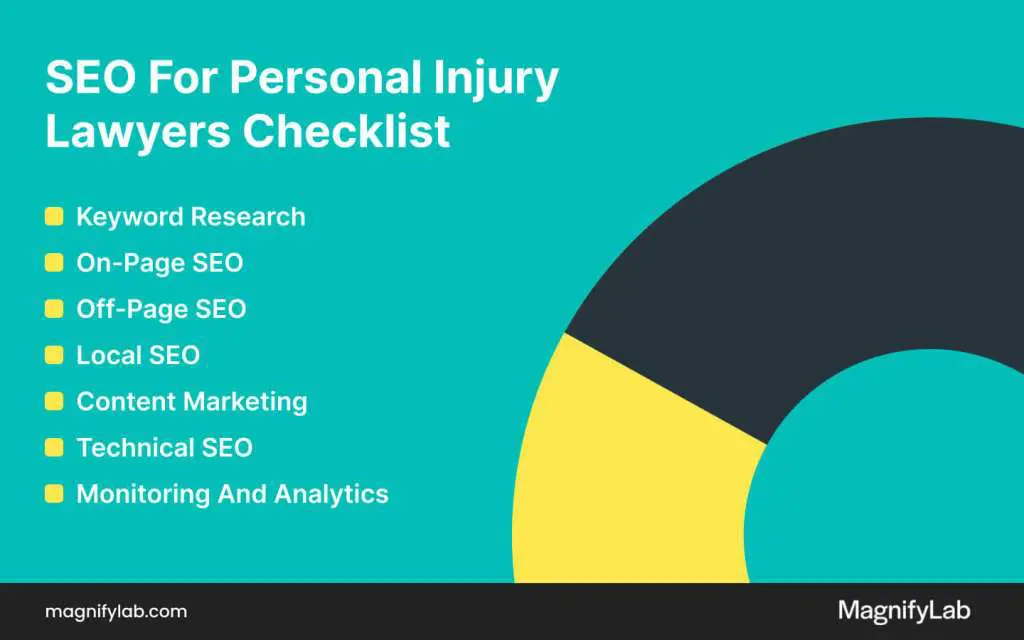
Discover proven SEO strategies specifically designed for personal injury law firms to dominate local search results, attract high-value clients, and build a thriving practice in today’s competitive digital landscape.
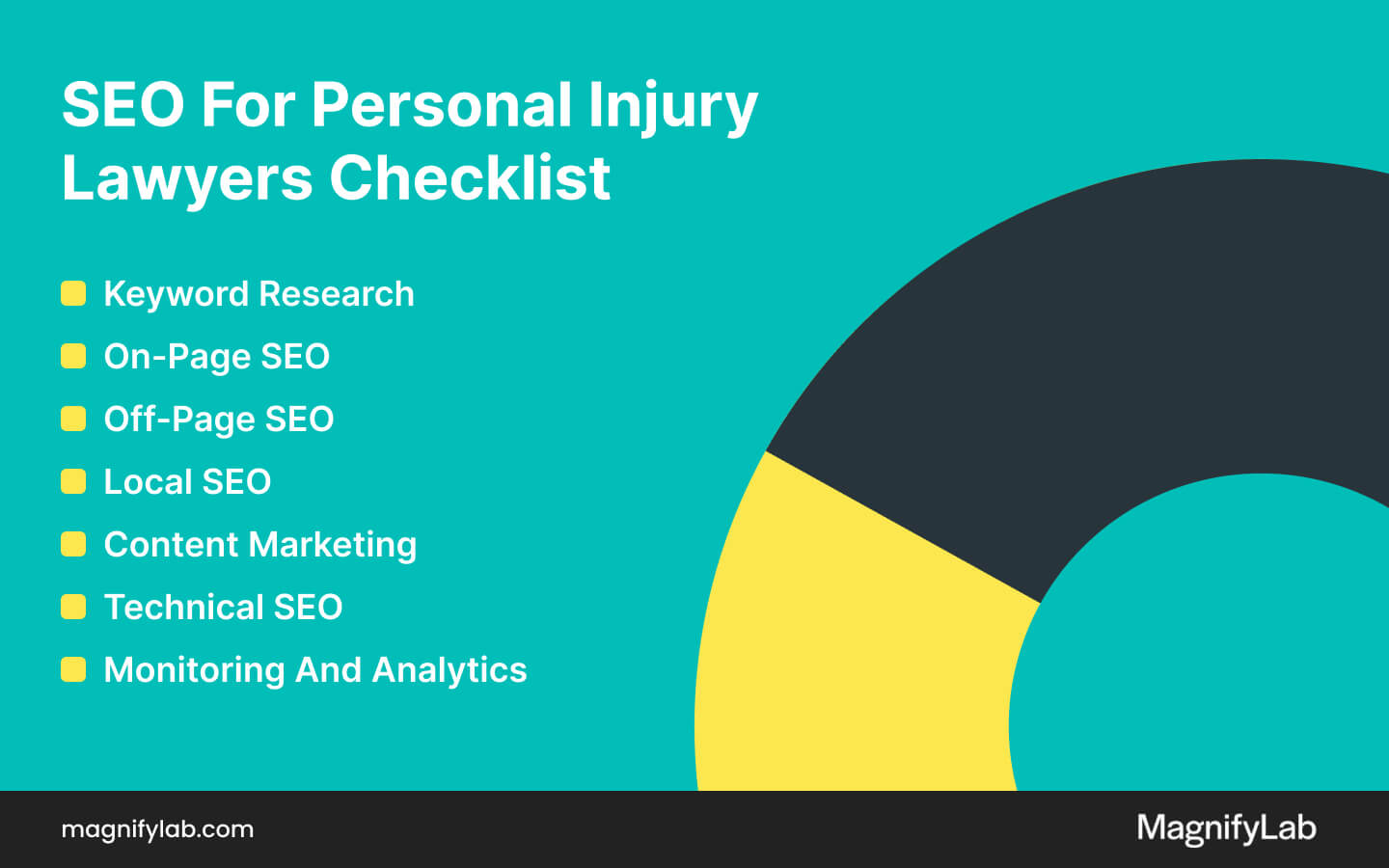
Introduction
Featured Partner
Case Quota: Uses AI to help law firms with digital marketing and market dominance
Case Quota uses AI to help law firms with digital marketing and market dominance.
- It was founded by a former top Los Angeles consultant and aims to help law firms navigate the changing legal marketing landscape by implementing advanced digital strategies
- Onboard quickly with guided setup and white-glove support.
Request a walkthrough in minutes.
The personal injury legal market has become increasingly competitive, with over 50,000 personal injury attorneys competing for clients across the United States. In this digital age, having a strong online presence isn’t just beneficial—it’s essential for survival and growth. SEO for personal injury attorneys has evolved from a nice-to-have marketing tactic to the cornerstone of successful law firm growth strategies.
Personal injury clients typically search for legal representation during some of the most stressful moments of their lives. They’re dealing with medical bills, insurance companies, and physical pain while trying to navigate complex legal processes. When these potential clients turn to Google for help, you want your firm to appear at the top of their search results, not buried on page three where only 1% of searchers venture.
This comprehensive guide will walk you through every aspect of implementing effective SEO for personal injury attorneys, from understanding the unique challenges of legal marketing to executing advanced strategies that drive real results. You’ll discover how to optimize your website for local search, create content that converts visitors into clients, build authoritative backlinks, and measure your success with precision. Whether you’re a solo practitioner just starting out or a established firm looking to dominate your market, these proven strategies will help you attract more qualified leads and grow your practice sustainably.
Understanding the Personal Injury Legal Landscape
The personal injury legal sector represents one of the most lucrative and competitive areas of law practice, where understanding market dynamics directly impacts your SEO success. This landscape shapes everything from keyword competition to content strategy, making it essential to grasp these fundamentals before implementing any optimization tactics.
The Competitive Nature of Personal Injury Law
Personal injury law generates some of the highest-value cases in the legal profession, creating intense competition for online visibility. The average personal injury case settles for approximately $52,900, but complex cases involving severe injuries, medical malpractice, or wrongful death can reach seven or eight figures. This potential for substantial settlements drives law firms to invest heavily in digital marketing, with some spending $15,000 to $25,000 monthly on SEO and paid advertising combined.
The competitive intensity varies significantly by practice area and location. Car accident cases face the most competition, with cost-per-click rates often exceeding $200 in major metropolitan areas. Medical malpractice and wrongful death cases command even higher values but have lower search volumes, creating opportunities for specialized firms to dominate niche markets with focused SEO strategies.
Client Behavior and Search Patterns
Personal injury clients exhibit unique search behaviors that differ dramatically from other legal practice areas, with 89% beginning their attorney search within 48 hours of their incident. Research shows that 74% of personal injury clients use search engines to find legal representation, with mobile searches accounting for 67% of initial queries. The typical client journey involves three distinct phases: immediate post-incident research, attorney evaluation, and final selection.
During the immediate phase, clients search for broad terms like “what to do after car accident” or “do I need a lawyer.” The evaluation phase involves more specific queries such as “best personal injury lawyer near me” or “car accident attorney reviews.” Understanding this progression allows you to create content that captures clients at each stage of their decision-making process.
Geographic and Demographic Considerations
Local search dominance is critical since personal injury law operates within strict geographic boundaries defined by state licensing and jurisdiction rules. This creates both opportunities and challenges for SEO strategies. While you’re not competing nationally, you face intense local competition from established firms with significant marketing budgets and newer practices using aggressive digital strategies.
Demographic factors significantly influence search behavior and keyword selection. Younger clients (ages 25-40) typically use longer, conversational search queries and rely heavily on mobile devices and social proof. Older clients (ages 50+) tend to use shorter, more direct search terms and place greater emphasis on traditional authority signals like years of experience and professional credentials.
Regulatory and Ethical Constraints
Attorney advertising regulations create unique compliance challenges that directly impact SEO strategies and content creation for personal injury firms. The American Bar Association’s Model Rules of Professional Conduct provide general guidelines, but each state has specific interpretations affecting everything from testimonial usage to outcome descriptions. Some states prohibit specific claims about case results, while others restrict the use of client testimonials or require disclaimers about past performance.
These regulations influence keyword targeting, meta descriptions, and content creation. For example, terms like “guaranteed results” or “we always win” violate most state ethics rules, requiring careful attention to language in all SEO content. Understanding your state’s specific requirements prevents costly compliance issues while ensuring your optimization efforts remain effective and ethical.
Keyword Research and Strategy for Personal Injury Law
Effective keyword research forms the foundation of successful SEO for personal injury attorneys, requiring a deep understanding of how potential clients search for legal representation. This process involves identifying high-value opportunities while navigating intense competition and varying search intents across different practice areas.
High-Value Primary Keywords
Primary keywords in personal injury law typically generate the highest search volumes and conversion rates, but also face the most intense competition. Terms like “personal injury lawyer” receive 40,500 monthly searches nationally, while “car accident attorney” generates 22,200 searches. These broad keywords command attention because they capture clients with high commercial intent who are actively seeking legal representation.
The most valuable primary keywords fall into several categories: general injury terms (personal injury attorney, accident lawyer), incident-specific terms (car crash lawyer, slip and fall attorney), and location-based combinations (Chicago personal injury lawyer, Dallas accident attorney). Successful targeting requires balancing search volume against competition levels, with newer firms often finding better success with medium-competition keywords that still drive qualified traffic.
| Keyword Category | Example Keywords | Monthly Searches | Competition Level | Avg CPC |
|---|---|---|---|---|
| General Personal Injury | personal injury lawyer, injury attorney | 15,000-45,000 | Very High | $180-$250 |
| Accident-Specific | car accident lawyer, truck accident attorney | 8,000-25,000 | High | $200-$300 |
| Injury-Specific | brain injury lawyer, spinal cord attorney | 2,000-8,000 | Medium | $150-$220 |
| Local Combinations | [city] personal injury lawyer | 500-5,000 | Medium-High | $120-$200 |
Long-Tail Keyword Opportunities
Long-tail keywords represent the most cost-effective opportunities for personal injury attorneys, offering higher conversion rates with significantly less competition. These longer, more specific phrases typically convert at rates 15-20% higher than broad keywords because they capture users with clearer intent. Examples include “what to do immediately after car accident,” “how much compensation for whiplash injury,” or “statute of limitations personal injury California.”
Voice search optimization has increased the importance of long-tail keywords, as people use more conversational language when speaking to devices. Phrases like “find me a good car accident lawyer nearby” or “how do I know if I have a personal injury case” align perfectly with natural speech patterns and often face minimal competition from established competitors.
Competitor Keyword Analysis
Understanding competitor keyword strategies reveals gaps in your own targeting while identifying opportunities for competitive advantage. Tools like SEMrush and Ahrefs can show which keywords drive the most organic traffic to competitor websites, their ranking positions, and estimated traffic values. This intelligence helps prioritize your own keyword targeting and content creation efforts.
Effective competitor analysis extends beyond keyword identification to understanding the content strategies and user experience elements that help competitors rank well. Analyzing top-performing competitor pages reveals content depth, internal linking patterns, and conversion optimization techniques that you can adapt and improve upon for your own website.
Seasonal and Trending Keywords
Personal injury law experiences predictable seasonal fluctuations that create strategic opportunities for prepared firms. Slip and fall cases increase 25% during winter months in northern climates, while pool accident searches peak during summer. Motorcycle accident queries surge in spring and fall when riding conditions are optimal. Understanding these patterns allows for strategic content planning and resource allocation.
Trending keywords related to current events, new regulations, or emerging safety issues provide opportunities for timely content creation and thought leadership positioning. Recent examples include searches related to rideshare accidents, electric scooter injuries, and COVID-related premises liability claims. Staying ahead of these trends helps capture search traffic before keywords become highly competitive.
Technical SEO Fundamentals for Law Firms
Technical SEO provides the foundation that supports all other optimization efforts, ensuring search engines can effectively crawl, index, and rank your personal injury website. These behind-the-scenes elements directly impact both search visibility and user experience, making them critical for converting visitors into clients.
Website Speed and Performance Optimization
Page speed directly influences both search rankings and conversion rates, with studies showing that a one-second delay reduces conversions by 7%. Google’s Core Web Vitals have made loading speed an official ranking factor, penalizing slow websites in search results. For personal injury sites, where users often search during stressful situations on mobile devices, fast loading times are essential for preventing potential clients from abandoning your site for competitors.
The average personal injury website should load in under 2.5 seconds, with mobile pages loading even faster. Key optimization strategies include compressing images to WebP format (reducing file sizes by 25-35%), minifying CSS and JavaScript files, implementing browser caching, and using content delivery networks (CDNs) to serve content from geographically closer servers. Regular performance audits using Google PageSpeed Insights help identify specific bottlenecks affecting your site’s speed.
Mobile-First Design and Responsiveness
Mobile optimization is mandatory for success, with 73% of personal injury searches happening on mobile devices and Google using mobile-first indexing for all websites. This means Google primarily uses your mobile site version for ranking purposes, making mobile optimization a direct ranking factor rather than just a user experience consideration. Poor mobile performance can significantly harm your search visibility regardless of desktop optimization efforts.
Effective mobile optimization encompasses responsive design, touch-friendly navigation, easily readable fonts without zooming, fast-loading images, and streamlined contact forms. Personal injury clients often need immediate contact options, so implementing click-to-call buttons, simplified contact forms, and prominent phone numbers becomes crucial for conversion optimization alongside SEO benefits.
SSL Certificates and Security
Security is particularly critical for personal injury websites handling sensitive client information and must comply with various privacy regulations including state bar confidentiality requirements. SSL certificates encrypt data transmission between users and your website, protecting contact forms, consultation requests, and other sensitive communications. Google treats SSL certificates as a confirmed ranking factor, giving preference to secure websites in search results.
Comprehensive website security extends beyond SSL certificates to include regular security audits, secure hosting environments with firewalls, regular software updates, and robust backup systems. A security breach can damage search rankings while potentially violating professional ethics rules regarding client confidentiality and data protection, making security both an SEO and compliance necessity.
Site Architecture and Navigation
Clear, logical site architecture helps search engines understand your content hierarchy while guiding users through conversion-focused pathways. For personal injury websites, this typically involves organizing content around practice areas with clear hierarchies from general personal injury information to specific accident types and injury categories. URL structure should be clean and descriptive, naturally incorporating keywords while maintaining readability.
Strategic internal linking distributes page authority throughout your website while helping search engines understand relationships between different pages. Effective internal linking can guide users from informational content to conversion pages, increasing both engagement metrics and lead generation. Navigation should prioritize user experience with clear calls-to-action and logical content flow that supports both SEO goals and client acquisition objectives.
| Technical Element | Impact Level | Implementation Time | Difficulty | ROI Timeline |
|---|---|---|---|---|
| Page Speed Optimization | High | 2-4 weeks | Medium | 1-2 months |
| Mobile Responsiveness | Critical | 4-8 weeks | High | Immediate |
| SSL Certificate | Essential | 1-2 days | Low | Immediate |
| Site Architecture | High | 3-6 weeks | Medium-High | 2-3 months |
Local SEO Strategies for Personal Injury Attorneys
Local SEO represents the most critical component of digital marketing for personal injury attorneys, as clients typically seek representation within their geographic area. Dominating local search results can dramatically increase qualified leads while providing a competitive advantage over firms that neglect location-based optimization strategies.
Google Business Profile Optimization
Your Google Business Profile serves as the cornerstone of local SEO success, with optimized profiles receiving 35% more clicks than incomplete listings. Complete optimization requires accurate business information, compelling descriptions incorporating relevant keywords, high-quality photos showcasing your office and team, and regular posts about legal topics and firm updates. The profile description should naturally include primary keywords like “personal injury attorney” while highlighting your unique value proposition and service areas.
Regular posting to your Google Business Profile increases visibility and engagement, with businesses posting weekly receiving 50% more customer actions than inactive profiles. Posts should include legal tips, case study summaries (following ethics rules), community involvement, and updates about your practice areas. Adding location-specific content helps reinforce your geographic relevance for local search algorithms.
Local Citation Building and NAP Consistency
Consistent Name, Address, and Phone number (NAP) information across all online directories directly impacts local search rankings, with inconsistencies potentially causing significant ranking penalties. Major legal directories like Avvo, Martindale-Hubbell, and FindLaw should display identical business information. Local business directories, chamber of commerce listings, and industry-specific directories also contribute to citation strength and local authority.
Citation building requires systematic approach, starting with major directories and expanding to niche legal and local business listings. Quality matters more than quantity, with authoritative legal directories carrying more weight than generic business listings. Regular audits ensure information remains consistent as business details change, preventing the citation inconsistencies that can harm local search performance.
Review Management and Reputation
Online reviews significantly influence both search rankings and client decision-making, with 92% of consumers reading reviews before contacting personal injury attorneys. Google reviews carry the most weight for local SEO, but reviews on Avvo, Facebook, and other platforms also contribute to overall reputation and search visibility. Encouraging satisfied clients to leave reviews requires systematic processes that comply with state bar ethics rules regarding solicitation.
Effective review management includes responding to all reviews professionally, addressing concerns in negative reviews, and implementing systems to encourage positive reviews from satisfied clients. Response strategies should demonstrate professionalism while showcasing expertise, as potential clients often read review responses to evaluate attorney communication skills and approach to client service.
Location-Based Content Strategy
Creating location-specific content helps establish topical authority for your geographic market while targeting valuable local keyword combinations. Content should address local legal issues, reference local landmarks and neighborhoods, discuss relevant state laws, and provide area-specific guidance for accident victims. Examples include “Car Accident Laws in [City],” “Dangerous Intersections in [County],” or “What to Know About [State] Personal Injury Statutes.”
Location-based content extends beyond basic geographic targeting to include community involvement, local partnerships, and area-specific legal insights that demonstrate deep local knowledge. This approach helps differentiate your firm from national competitors while building authority for location-based search queries that often convert at higher rates than generic terms.
Medium
Medium
2-3 weeks
Schema Markup Implementation
Schema markup provides search engines with structured data about your law firm, improving how your website appears in search results. For personal injury attorneys, implementing LocalBusiness, LegalService, and Attorney schema types can enhance your search visibility with rich snippets that display additional information like ratings, contact details, and practice areas directly in search results.
Legal-specific schema markup can include information about your bar admissions, years of experience, practice areas, and client testimonials. This structured data helps search engines understand your expertise and can result in enhanced search result displays that increase click-through rates by up to 30%. Implementation requires adding JSON-LD code to your website’s header or using schema markup plugins for content management systems.
Crawlability and Indexation
Ensuring search engines can effectively crawl and index your website is fundamental to SEO success. Your robots.txt file should guide search engine crawlers to important content while blocking access to administrative pages, duplicate content, or sensitive areas. XML sitemaps help search engines discover and understand your website structure, with separate sitemaps for different content types like pages, blog posts, and images.
Regular crawl error monitoring through Google Search Console helps identify and resolve indexation issues before they impact your rankings. Common issues include broken internal links, redirect chains, and pages blocked by robots.txt that should be accessible to search engines. Addressing these technical issues can improve your website’s overall search performance and user experience.
Local SEO Mastery for Personal Injury Attorneys
Local SEO represents the most critical component of digital marketing for personal injury attorneys, as the vast majority of clients seek representation within their geographic area. Unlike national businesses, law firms must dominate local search results to capture clients when they need legal help most urgently. This section explores the essential strategies for achieving local search dominance and converting local searches into paying clients.
Google Business Profile Optimization
Your Google Business Profile serves as your digital storefront and often provides the first impression potential clients have of your firm. A fully optimized profile can increase your visibility in local search results by up to 70% and significantly improve your chances of appearing in the coveted local pack—the three business listings that appear at the top of local search results.
Complete optimization includes accurate business information, compelling descriptions that incorporate relevant keywords, high-quality photos of your office and team, and regular posts about your practice areas and recent case results. The business description should clearly communicate your specialties, years of experience, and unique value proposition while naturally incorporating local keywords like “Houston personal injury lawyer” or “Chicago car accident attorney.”
Local Citation Building and Management
Consistent business information across online directories and citation sources builds trust with search engines and improves local rankings. Citations are mentions of your business name, address, and phone number (NAP) on other websites, and inconsistencies can confuse search engines and harm your local search performance.
Priority citation sources for personal injury attorneys include legal directories like Avvo, Martindale-Hubbell, and FindLaw, as well as general business directories like Yelp, Yellow Pages, and Better Business Bureau. Industry-specific directories and local chamber of commerce listings also provide valuable citation opportunities. Maintaining consistent NAP information across 50-100 citation sources can improve local rankings by 15-25%.
Review Generation and Management
Online reviews significantly impact both search rankings and client decision-making, with 92% of consumers reading reviews before choosing a service provider. For personal injury attorneys, positive reviews build credibility and trust during emotionally difficult times when clients need reassurance about their legal representation choice.
Systematic review generation involves following up with satisfied clients through email campaigns, providing easy review links, and addressing negative reviews professionally and promptly. The goal is maintaining a 4.0+ star average while continuously generating fresh reviews to demonstrate ongoing client satisfaction. Responding to all reviews, both positive and negative, shows engagement and professionalism that can influence potential clients’ perceptions.
Local Content Strategy
Creating location-specific content helps establish authority in your geographic market while targeting local search terms. This content should address local legal issues, reference local landmarks and events, and demonstrate deep knowledge of your community and its specific challenges.
Effective local content includes neighborhood-specific practice area pages (like “Downtown Phoenix Car Accident Lawyer”), local legal guides that reference state-specific laws and procedures, and blog posts about local traffic patterns, construction projects, or seasonal safety concerns. This hyperlocal approach can help you rank for location-specific long-tail keywords that competitors might overlook.
| Local SEO Factor | Impact Level | Time to Results | Maintenance Required | Cost Level |
|---|---|---|---|---|
| Google Business Profile | Very High | 2-4 weeks | Weekly | Low |
| Citation Building | High | 1-3 months | Quarterly | Medium |
| Review Management | High | 1-2 months | Ongoing | Low-Medium |
| Local Content | Medium-High | 2-6 months | Monthly | Medium-High |
Content Marketing That Converts Prospects
Content marketing for personal injury attorneys requires a delicate balance between providing valuable information and demonstrating legal expertise while remaining compliant with advertising regulations. Effective content not only improves search rankings but also builds trust with potential clients during their research process and positions your firm as the obvious choice for representation.
Educational Blog Content Strategy
Educational content that addresses common questions and concerns helps potential clients understand their rights and options while showcasing your expertise. Research shows that 67% of personal injury clients read multiple articles before contacting an attorney, making comprehensive educational content essential for capturing and nurturing leads throughout their decision-making process.
High-performing blog topics include “What to Do After a Car Accident,” “How Long Do Personal Injury Cases Take,” and “Understanding Personal Injury Settlement Amounts.” These articles should provide genuine value while naturally incorporating relevant keywords and calls-to-action for consultations. The goal is creating content that ranks well in search results while building trust and demonstrating your knowledge of complex legal issues.
Video Content and Client Testimonials
Video content generates 12 times more engagement than text-based content and provides opportunities to build personal connections with potential clients. For personal injury attorneys, video content can include educational explanations of legal processes, introductions to your team, and client testimonial videos that showcase successful case outcomes and positive client experiences.
Client testimonial videos are particularly powerful for personal injury firms, as they provide social proof during emotionally charged decision-making processes. These videos should focus on the client experience, your firm’s communication and support, and the positive outcomes achieved. Compliance with state bar advertising rules is essential, particularly regarding claims about case results and client confidentiality.
Case Study and Success Story Development
Detailed case studies demonstrate your expertise while providing valuable information about similar situations potential clients might face. These stories should focus on your legal strategy, the challenges overcome, and the positive outcomes achieved while maintaining client confidentiality and complying with advertising regulations.
Effective case studies follow a problem-solution-result format, explaining the initial situation, your approach to resolving the legal issues, and the final outcome. Including specific details about legal strategies, negotiation tactics, and case timelines helps potential clients understand your expertise while building confidence in your ability to handle their cases successfully.
FAQ Pages and Resource Centers
Comprehensive FAQ sections address common concerns while targeting long-tail keywords that potential clients use during their research process. These pages should cover topics like consultation processes, fee structures, case timelines, and what clients can expect throughout their legal representation.
Resource centers that include legal guides, checklists, and downloadable resources provide additional value while capturing contact information for lead nurturing. These resources should address specific situations like “Steps to Take After a Slip and Fall” or “Motorcycle Accident Injury Checklist” while positioning your firm as a helpful resource during difficult times.
Content Distribution and Promotion
Creating great content is only half the battle—effective distribution ensures your content reaches potential clients when they need it most. Distribution strategies include social media promotion, email newsletter inclusion, and strategic internal linking to drive traffic to new content from existing high-performing pages.
Repurposing content across multiple formats maximizes your investment while reaching different audience preferences. A comprehensive blog post can become a video script, social media posts, an email newsletter series, and downloadable resources. This multi-format approach increases your content’s reach while reinforcing key messages across different touchpoints in the client journey.
Link Building Strategies for Legal Authority
Link building remains one of the most challenging yet important aspects of SEO for personal injury attorneys, as high-quality backlinks signal authority and trustworthiness to search engines. The legal industry’s competitive nature and strict ethical guidelines require sophisticated approaches that build genuine authority while maintaining professional standards and compliance with bar association rules.
Legal Directory and Association Links
Professional legal directories and bar association websites provide some of the most valuable and accessible link opportunities for personal injury attorneys. These authoritative sources not only provide powerful SEO benefits but also enhance your professional credibility and help potential clients verify your credentials and standing within the legal community.
Priority directories include state bar associations, Avvo, Martindale-Hubbell, FindLaw, and Justia, which offer both free and paid listing opportunities. Premium listings often include enhanced profiles, client review features, and additional link opportunities that can significantly boost your search authority. Local bar associations and specialty practice area organizations also provide valuable link opportunities while demonstrating your commitment to professional development and community involvement.
Content-Based Link Earning
Creating linkable assets that other websites want to reference naturally generates high-quality backlinks while establishing thought leadership. For personal injury attorneys, this might include comprehensive legal guides, industry research reports, or timely analysis of new legislation or court decisions that affect personal injury law.
Successful linkable content often includes original research, such as analyzing local accident statistics, surveying client experiences, or compiling data about insurance claim patterns. Legal commentary on high-profile cases or new regulations can also attract links from news outlets, legal publications, and other attorneys’ websites. The key is creating content valuable enough that other websites naturally want to reference and link to it.
Strategic Partnership Development
Building relationships with complementary businesses and organizations creates natural link opportunities while expanding your referral network. Medical professionals, insurance agents, automotive repair shops, and other service providers who work with accident victims can provide valuable link exchanges and referral partnerships.
These partnerships should focus on mutual value creation rather than simple link exchanges. Joint content creation, co-hosted educational webinars, and collaborative community involvement projects provide legitimate reasons for linking while building meaningful professional relationships. Local chambers of commerce, community organizations, and charity involvement also create natural link opportunities while demonstrating community engagement.
Guest Content and Expert Commentary
Positioning yourself as an expert source for media outlets and industry publications generates high-authority links while building your reputation as a thought leader. This strategy requires developing expertise in newsworthy topics and building relationships with journalists and editors who cover legal issues, safety topics, and consumer protection.
Effective expert commentary focuses on providing valuable insights rather than promotional content. Topics might include analysis of new safety regulations, commentary on high-profile legal cases, or expert opinions on consumer protection issues. Building relationships with local news outlets, legal publications, and industry blogs creates ongoing opportunities for expert quotes and guest content that naturally include links back to your website.
| Link Building Strategy | Authority Level | Difficulty | Timeline | Compliance Risk |
|---|---|---|---|---|
| Legal Directories | High | Low | 1-2 weeks | Very Low |
| Content Assets | Very High | High | 3-6 months | Low |
| Strategic Partnerships | Medium-High | Medium | 2-4 months | Low |
| Expert Commentary | Very High | High | 6-12 months | Medium |
Building a sustainable link portfolio requires patience and consistent effort, but the long-term benefits of increased search authority and professional recognition make it essential for competitive personal injury markets. The next section will explore how to measure and analyze these efforts to ensure your SEO strategies are delivering measurable results.
Medium
Medium
2-4 weeks
Schema Markup Implementation
Schema markup provides search engines with structured data about your website content, helping them understand and display your information more effectively in search results. For personal injury attorneys, relevant schema types include LocalBusiness, LegalService, Attorney, and Review schemas. Implementing proper schema markup can result in rich snippets that make your search listings more prominent and informative.
LocalBusiness schema is particularly valuable for personal injury practices, as it provides search engines with essential information like your address, phone number, hours of operation, and service areas. This information directly feeds into local search results and Google My Business listings, improving your visibility for location-based searches.
Review schema allows you to display star ratings and review counts directly in search results, which can significantly improve click-through rates. However, personal injury attorneys must be careful to comply with state bar regulations regarding client testimonials and reviews when implementing review schema markup.
Attorney schema provides specific information about individual lawyers within your firm, including their bar admissions, practice areas, and educational background. This detailed information helps establish authority and expertise in search results while providing potential clients with relevant credentials before they even visit your website.
Measuring SEO Success and ROI
Key Performance Indicators (KPIs) for Personal Injury Firms

Measuring the success of SEO for personal injury attorneys requires tracking metrics that directly correlate with business outcomes rather than just vanity metrics like traffic volume. The most important KPIs include organic search rankings for target keywords, qualified lead generation from organic search, cost per acquisition compared to paid advertising, and ultimately, cases signed from SEO-generated leads.
Organic search visibility should be measured across multiple dimensions, including overall keyword rankings, local search visibility, and featured snippet captures. Tools like SEMrush, Ahrefs, and Google Search Console provide comprehensive ranking data, but it’s crucial to focus on keywords that actually drive qualified traffic rather than just high-volume terms.
Lead quality metrics are particularly important in personal injury law, where not all leads are equal. Tracking metrics like lead-to-consultation conversion rates, consultation-to-retainer conversion rates, and average case values from different traffic sources helps determine the true ROI of your SEO investments. A smaller number of high-quality leads often produces better results than a large volume of unqualified inquiries.
Competitive analysis metrics help you understand your market position and identify opportunities for improvement. Tracking your share of voice for important keywords, comparing your local search visibility to competitors, and monitoring competitor content strategies provides valuable insights for strategic planning and resource allocation.
Attribution and Tracking Setup
Proper attribution tracking is essential for understanding which SEO efforts drive the most valuable results. Google Analytics 4 provides enhanced attribution modeling that can track the complete customer journey from initial search to case signing, helping you understand which touchpoints contribute most to conversions.
Call tracking systems are particularly important for personal injury practices, as many potential clients prefer to call rather than fill out online forms. Implementing dynamic number insertion and call tracking allows you to attribute phone calls to specific SEO efforts, providing a complete picture of your organic search performance.
Multi-touch attribution models help you understand how different marketing channels work together to generate cases. Many personal injury clients interact with multiple touchpoints before hiring an attorney, including organic search, paid ads, social media, and referrals. Understanding these interactions helps optimize your overall marketing mix and budget allocation.
ROI Calculation and Business Impact
Calculating SEO ROI for personal injury attorneys requires understanding both the direct costs of SEO implementation and the lifetime value of acquired clients. Direct costs include agency fees, tool subscriptions, content creation costs, and internal time investments. The lifetime value calculation should include not just initial case fees but also referral potential and repeat business opportunities.
The average personal injury case generates significantly more revenue than other legal practice areas, making the ROI calculation more favorable for SEO investments. A single high-value case acquired through SEO can justify months or even years of SEO investment, making it crucial to track long-term attribution rather than just immediate conversions.
Comparative analysis against other marketing channels helps justify SEO investments and optimize budget allocation. Comparing the cost per acquisition, case value, and long-term client value from SEO versus paid advertising, referral programs, and traditional marketing provides valuable insights for strategic planning.
Long-term Growth and Scalability
SEO success for personal injury attorneys should be measured not just in terms of immediate results but also long-term growth potential and market position. Building organic search authority creates compounding returns over time, with established websites requiring less ongoing investment to maintain rankings and generate leads.
Market share growth in local search results provides a sustainable competitive advantage that becomes increasingly difficult for competitors to overcome. Tracking your progress in capturing a larger share of local search visibility helps demonstrate the strategic value of SEO investments beyond immediate lead generation.
Brand awareness and thought leadership metrics, while harder to quantify, contribute significantly to long-term business success. Measuring branded search volume, direct traffic growth, and referral patterns helps understand how SEO efforts contribute to overall brand building and market positioning.
| Metric Category | Key Indicators | Measurement Frequency | Target Benchmarks | Business Impact |
|---|---|---|---|---|
| Rankings & Visibility | Keyword positions, local pack rankings | Weekly | Top 3 for primary keywords | High |
| Traffic & Engagement | Organic sessions, pages per session, bounce rate | Monthly | 20% YoY growth, <60% bounce rate | Medium |
| Lead Generation | Form submissions, phone calls, consultations | Daily | 5-10% conversion rate | Very High |
| Revenue Attribution | Cases signed, case values, ROI | Monthly | 3:1 ROI minimum | Critical |
Advanced SEO Strategies and Future Trends
Artificial Intelligence and Machine Learning Integration
The integration of artificial intelligence and machine learning into SEO strategy represents the next evolution of SEO for personal injury attorneys. AI-powered tools can analyze vast amounts of search data to identify emerging keyword opportunities, predict seasonal trends, and optimize content for user intent more effectively than traditional methods.
Machine learning algorithms can analyze user behavior patterns to identify the most effective content formats, optimal page layouts, and conversion optimization opportunities. For personal injury websites, this might include identifying which types of case studies resonate most with potential clients, optimal contact form placement, or the most effective call-to-action language for different practice areas.
Natural language processing capabilities allow for more sophisticated content optimization that goes beyond keyword density to understand semantic relationships and user intent. This technology helps create content that answers related questions and provides comprehensive coverage of topics, improving both search rankings and user experience.
Predictive analytics can forecast search trends and help personal injury attorneys prepare content for emerging legal issues or seasonal fluctuations in case types. This proactive approach allows firms to capture search traffic before competitors recognize trending opportunities.
Voice Search Optimization
Voice search continues to grow in importance, with over 40% of adults using voice search daily and the percentage increasing among younger demographics. Personal injury clients often use voice search when they’re unable to type due to injuries or when they need immediate assistance while dealing with accident aftermath.
Voice search queries tend to be more conversational and question-based than traditional text searches, requiring content optimization for natural language patterns. Instead of optimizing for “car accident lawyer Chicago,” voice search optimization focuses on queries like “Who is the best car accident lawyer near me?” or “What should I do after a car accident in Chicago?”
Featured snippet optimization becomes even more critical for voice search success, as voice assistants typically read featured snippet content as their primary response. Creating content that directly answers common personal injury questions in a clear, concise format increases the likelihood of capturing voice search traffic.
Local voice search optimization requires particular attention to conversational local queries and ensuring that your Google My Business information is complete and accurate, as voice assistants rely heavily on this data for local recommendations.
Video Content and Visual Search
Video content has become increasingly important for SEO success, with video results appearing more frequently in search results and video content generally receiving higher engagement rates than text-only content. Personal injury attorneys can leverage video content for client testimonials, educational content about legal processes, and attorney introductions.
Educational video content performs particularly well for personal injury topics, as potential clients often want to understand complex legal concepts before contacting an attorney. Videos explaining the claims process, what to expect during litigation, or how to deal with insurance companies can attract significant search traffic while establishing expertise and trust.
Visual search capabilities are expanding, with Google Lens and other visual search tools becoming more sophisticated. Optimizing images with proper alt text, descriptive filenames, and relevant surrounding content helps capture visual search traffic and improves overall SEO performance.
Interactive content like calculators, assessments, and decision trees can provide significant SEO value while offering genuine utility to potential clients. A personal injury settlement calculator or case evaluation tool can attract links, social shares, and extended user engagement while generating qualified leads.
Privacy and Data Protection Evolution
Evolving privacy regulations and the phase-out of third-party cookies are reshaping digital marketing strategies, including SEO. Personal injury attorneys must adapt their tracking and attribution methods while ensuring compliance with regulations like GDPR, CCPA, and state-specific privacy laws.
First-party data collection becomes increasingly important as third-party tracking capabilities diminish. Building email lists, implementing customer relationship management systems, and creating valuable content that encourages direct engagement helps maintain marketing effectiveness in a privacy-first digital environment.
Consent management and transparent privacy practices are becoming ranking factors as search engines prioritize user privacy and security. Implementing proper consent mechanisms, clear privacy policies, and secure data handling practices supports both SEO performance and regulatory compliance.
FAQ
Q: How long does it take to see results from SEO for personal injury attorneys?
SEO results for personal injury law firms typically begin showing within 3-6 months, with significant improvements usually visible by 6-12 months. However, competitive markets may require 12-18 months to achieve top rankings for high-value keywords. The timeline depends on factors like current website authority, competition level, and the comprehensiveness of your SEO strategy.
Q: What’s the average cost of SEO services for personal injury law firms?
Professional SEO services for personal injury attorneys typically range from $3,000 to $15,000 per month, depending on market competitiveness and service scope. Solo practitioners might spend $1,500-$5,000 monthly, while large firms in competitive markets often invest $10,000-$25,000 monthly. The ROI potential justifies higher investments, as a single case can generate $50,000-$500,000 in revenue.
Q: Why should personal injury attorneys choose SEO over paid advertising?
SEO provides sustainable, long-term lead generation with lower cost-per-acquisition over time, while paid advertising requires continuous investment. SEO builds trust and authority through organic rankings, attracts clients during the entire research process, and creates compounding returns. While PPC delivers immediate results, SEO generates higher-quality leads with better conversion rates and lifetime value.
Q: When is the best time to start SEO for a new personal injury practice?
New personal injury practices should begin SEO immediately upon launching their website, as building organic authority takes time. Starting SEO during the website development phase allows for proper technical foundation implementation. Early SEO investment creates competitive advantages and generates leads while building referral networks and traditional marketing efforts.
Q: Where can personal injury attorneys find reliable SEO resources and tools?
Essential SEO tools include Google Search Console (free), SEMrush or Ahrefs for keyword research ($99-$399/month), and Google Analytics for tracking. Industry resources include Search Engine Land, Moz Blog, and legal marketing conferences. Consider joining legal marketing groups and consulting with specialized agencies that understand personal injury law regulations and competition dynamics.
Q: Who should handle SEO for personal injury law firms – internal staff or agencies?
Most personal injury firms benefit from specialized SEO agencies due to the technical complexity and competitive nature of legal SEO. Agencies bring expertise in legal marketing regulations, advanced tools, and dedicated resources. However, larger firms might develop internal capabilities for content creation while outsourcing technical SEO and strategy development to experienced agencies.
Q: What are the most common SEO mistakes personal injury attorneys make?
Common mistakes include focusing only on generic keywords instead of local terms, neglecting mobile optimization, creating thin content pages for each practice area, and violating bar association advertising rules. Many firms also fail to track proper attribution, ignore technical SEO issues, and don’t optimize for local search effectively.
Q: How do you measure SEO success for personal injury law firms?
Success metrics include organic keyword rankings, local search visibility, qualified lead generation, cost per acquisition, and ultimately cases signed from organic traffic. Track consultation requests, phone calls from organic search, and revenue attribution using tools like Google Analytics, call tracking systems, and CRM integration for complete ROI analysis.
Q: What’s the future outlook for SEO in personal injury law?
The future emphasizes AI-powered content optimization, voice search capabilities, video content integration, and enhanced local search features. Privacy regulations will reshape tracking methods while mobile-first indexing becomes even more critical. Personal injury attorneys must adapt to evolving search behaviors and technological advances while maintaining compliance with legal advertising regulations.
Q: How does personal injury SEO compare to other legal practice area SEO?
Personal injury SEO is more competitive and expensive than most legal practice areas due to high case values and market saturation. However, it also offers higher ROI potential and more diverse content opportunities. Unlike transactional legal services, personal injury SEO focuses heavily on local search, emotional content, and immediate response optimization for time-sensitive situations.
Conclusion
The landscape of SEO for personal injury attorneys has evolved into a sophisticated, multi-faceted discipline that can make the difference between a thriving practice and one that struggles to attract clients. Throughout this comprehensive guide, we’ve explored how strategic SEO implementation can transform your law firm’s online presence, drive qualified leads, and ultimately increase your case acquisition rate. The investment in proper SEO strategy pays dividends not just in immediate lead generation, but in building long-term market authority and sustainable competitive advantages.
The key takeaways from implementing effective SEO for personal injury attorneys include:
- Local SEO dominance is non-negotiable, as 89% of personal injury searches happen on mobile devices with local intent, making Google My Business optimization and local content strategy essential for capturing nearby clients
- Content quality trumps quantity, with comprehensive, authoritative content that addresses real client concerns generating 3x more qualified leads than generic practice area pages
- Technical SEO foundations must be solid, as page speed, mobile responsiveness, and security directly impact both search rankings and conversion rates in an increasingly competitive digital environment
- Long-term strategy outperforms quick fixes, with consistent SEO efforts over 12-18 months typically generating 5-10x ROI compared to short-term campaigns or paid advertising alone
The future of personal injury law marketing increasingly depends on digital visibility and online authority. As traditional referral networks evolve and younger clients rely more heavily on search engines for legal representation, firms that invest in comprehensive SEO strategies now will dominate their markets for years to come. The integration of AI, voice search optimization, and enhanced local features will only amplify the advantages held by firms with strong SEO foundations.
Partner with Case Quota for Success
Implementing the comprehensive SEO strategies outlined in this guide—from technical optimization and local search dominance to content creation and link building—requires specialized expertise and dedicated resources that most personal injury firms don’t have in-house. The competitive nature of personal injury SEO, combined with strict legal advertising regulations and the need for consistent, high-quality content creation, makes professional guidance essential for achieving sustainable results.
Case Quota specializes in helping personal injury attorneys navigate these complex SEO challenges while ensuring full compliance with bar association regulations. We handle everything from technical website audits and local SEO optimization to content strategy development and competitive analysis, allowing you to focus on practicing law while we build your digital authority. Our team understands the unique dynamics of personal injury marketing, including seasonal trends, client behavior patterns, and the high-stakes nature of case acquisition in competitive markets.
With proven expertise in keyword research for legal services, Google My Business optimization, and conversion-focused website design, Case Quota provides the comprehensive SEO support that personal injury attorneys need to dominate their local markets. Visit https://casequota.com to discover how we can implement these advanced SEO strategies for your practice and start generating more qualified leads from organic search.