
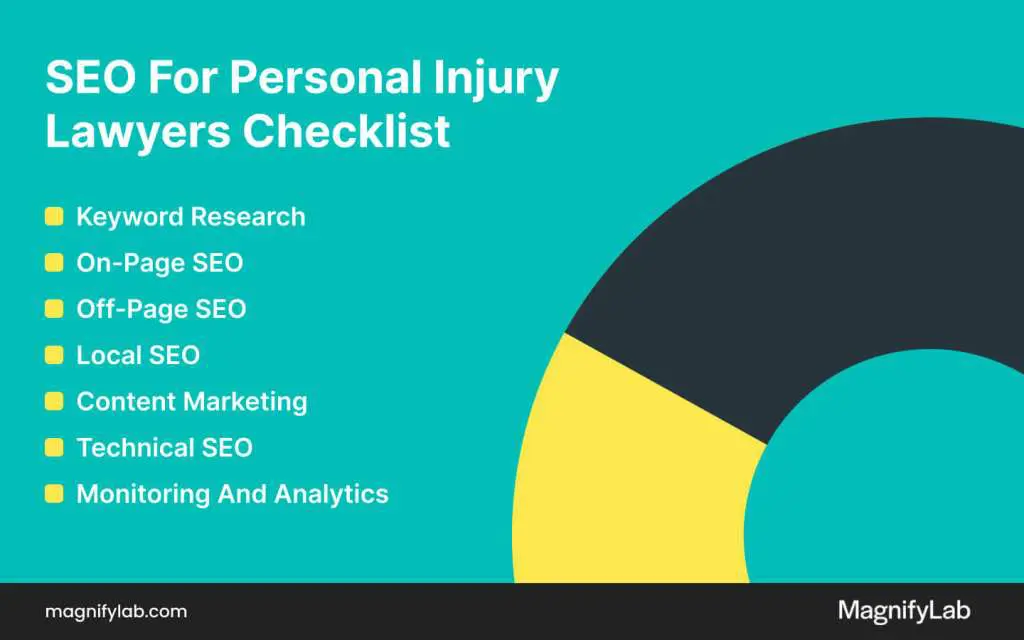
Discover proven SEO strategies that help personal injury attorneys dominate local search results, attract high-value clients, and build sustainable online practices in 2025’s competitive digital landscape.
Introduction
Featured Partner
Case Quota: Uses AI to help law firms with digital marketing and market dominance
Case Quota uses AI to help law firms with digital marketing and market dominance.
- It was founded by a former top Los Angeles consultant and aims to help law firms navigate the changing legal marketing landscape by implementing advanced digital strategies
- Onboard quickly with guided setup and white-glove support.
Request a walkthrough in minutes.
Personal injury law has become one of the most competitive legal sectors online, with attorneys competing fiercely for visibility in search results. With over 50,000 personal injury attorneys practicing in the United States and potential clients conducting millions of injury-related searches monthly, mastering SEO for personal injury attorneys isn’t just beneficial—it’s essential for survival and growth.
The legal landscape has fundamentally shifted. Today’s injured clients don’t flip through Yellow Pages or rely solely on referrals. Instead, 96% of people seeking legal advice use search engines, with 74% of these searches happening within the first week after an incident. This means your potential clients are actively searching for representation right now, and if your firm doesn’t appear in those crucial search results, you’re losing cases to competitors who understand the power of strategic SEO.
This comprehensive guide will transform your understanding of SEO for personal injury attorneys, providing you with proven strategies that generate real results. You’ll discover how to optimize your website for local searches, create content that converts visitors into clients, build authority through strategic link building, and leverage the latest SEO techniques specifically tailored for personal injury practices. Whether you’re a solo practitioner or part of a large firm, these strategies will help you capture more qualified leads, increase your online visibility, and ultimately grow your practice in 2025’s competitive digital environment.
Understanding SEO Fundamentals for Personal Injury Law Firms
The foundation of successful SEO for personal injury attorneys begins with understanding how search engines evaluate legal websites and what potential clients are actually searching for. Unlike other industries, legal SEO operates under strict quality guidelines and faces unique challenges that require specialized approaches to achieve meaningful results.
The Legal SEO Landscape in 2025
Search engines have implemented increasingly sophisticated algorithms specifically targeting legal and medical content. Google’s E-A-T (Expertise, Authoritativeness, Trustworthiness) standards now heavily scrutinize personal injury websites, requiring attorneys to demonstrate genuine expertise rather than relying on keyword manipulation. Websites that fail to meet these standards see dramatic ranking drops, with some firms losing 60-80% of their organic traffic overnight. This shift means your content must showcase real legal knowledge, case experience, and professional credentials to maintain search visibility.
Core SEO Elements for Law Firms
Technical SEO forms the critical foundation that determines whether your personal injury website can compete effectively. Page loading speed directly impacts both search rankings and client acquisition, with studies showing 53% of mobile users abandon sites taking longer than three seconds to load. Personal injury websites must achieve loading times under 2.5 seconds, as potential clients often search during stressful situations immediately following accidents. Implementing proper image compression, utilizing content delivery networks, and optimizing code structure can improve loading speeds by 40-60%.
Keyword Research Strategy for Personal Injury Attorneys
Effective keyword research requires understanding the complete client journey from initial incident through case resolution. Primary keywords like “personal injury lawyer” face intense competition with cost-per-click rates exceeding $400 in major markets, but long-tail variations such as “motorcycle accident lawyer downtown Chicago” offer better conversion rates at 15-25% lower competition levels. Geographic modifiers prove essential, with location-based searches converting 35% higher than generic terms because they capture clients ready to hire local representation.
Search Intent Analysis for Legal Queries
Understanding search intent behind personal injury keywords enables more effective content creation and optimization strategies. Informational searches like “what to do after car accident” indicate users in early research phases who convert at 8-12% rates with proper nurturing through educational content. Commercial intent searches such as “best personal injury lawyer near me” show users comparing options and convert at 18-25% rates when your website demonstrates clear expertise and credibility through client testimonials and case results.
| Keyword Type | Competition Level | Search Volume | Conversion Rate | Example Keywords |
|---|---|---|---|---|
| Primary Terms | Very High | 10,000-50,000/month | 2-4% | “personal injury lawyer” |
| Location + Practice | High | 1,000-10,000/month | 5-8% | “Dallas car accident lawyer” |
| Specific Incident | Medium | 500-2,000/month | 8-12% | “truck accident attorney near me” |
| Long-tail Questions | Low | 100-500/month | 12-18% | “what to do after slip and fall” |
Local SEO Mastery for Personal Injury Attorneys
Local search optimization represents the highest-impact opportunity for personal injury attorneys, as 78% of injury-related searches include location modifiers and local results receive 44% more clicks than organic listings. Mastering local SEO requires systematic optimization across multiple platforms while maintaining consistent messaging that builds trust with potential clients in your geographic area.
Google Business Profile Optimization
Your Google Business Profile serves as the digital storefront that often provides potential clients’ first impression of your practice. Complete profiles with professional photos, accurate information, and regular updates outperform incomplete listings by 42% in local search visibility. Your business description should incorporate relevant keywords naturally while communicating expertise in personal injury law, years of experience, and unique value propositions like 24/7 availability or free consultations. Regular posting through your profile keeps the listing active and provides opportunities to share case results, legal updates, or community involvement that demonstrates ongoing engagement.
Local Citation Building and Management
Citation consistency across online directories directly impacts local search rankings and client trust. Search engines use citations to verify business legitimacy and determine local relevance, making accurate NAP (Name, Address, Phone) information crucial for SEO success. Inconsistent information across directories can confuse search engines and hurt rankings by 15-25%. High-quality legal directories like Avvo, Justia, and Martindale-Hubbell provide valuable citation opportunities while reaching potential clients directly, but maintaining consistent information requires systematic tracking and quarterly auditing.
Local Content Strategy Development
Creating location-specific content helps capture local search traffic while demonstrating community knowledge and involvement. Content about local accident statistics, dangerous intersections, or recent legal developments affecting your jurisdiction shows both local expertise and commitment to serving community needs. Articles covering topics like “Most Dangerous Intersections in [Your City]” or “New Traffic Laws Affecting [Your State] Drivers” often rank well for location-based searches while building trust with potential clients who see your local knowledge.
Review Generation and Management
Online reviews significantly influence both search rankings and client decision-making for personal injury attorneys. Google considers review quantity, quality, and recency when determining local search rankings, while 89% of potential clients read reviews before contacting an attorney. Systematic review generation processes help maintain consistent review flow while ensuring compliance with legal advertising rules. Responding to reviews professionally demonstrates client care while providing additional keyword optimization opportunities through natural mentions of practice areas and expertise.
| Local SEO Factor | Impact Level | Time to Results | Maintenance Required | Key Actions |
|---|---|---|---|---|
| Google Business Profile | Very High | 2-4 weeks | Weekly | Complete profile, regular posts, review management |
| Citation Consistency | High | 4-8 weeks | Quarterly | Directory submissions, NAP consistency |
| Local Content | Medium-High | 8-16 weeks | Monthly | Location-based articles, community involvement |
| Local Reviews | High | 4-12 weeks | Ongoing | Review generation, response management |
Content Marketing Strategy for Personal Injury Law
Content marketing serves as the cornerstone of effective SEO for personal injury attorneys, addressing client questions while demonstrating legal expertise that search engines reward with higher rankings. Strategic content creation captures potential clients at various stages of their decision-making process while building the authority signals that Google requires for competitive legal keywords.
Educational Content Development
Educational content addresses common client questions while demonstrating legal expertise that search engines value highly. Potential clients often search for information about their rights, legal processes, and case values before contacting attorneys, creating opportunities to capture these informational searches. Comprehensive guides covering topics like “Understanding Personal Injury Settlements” or “Steps to Take After a Car Accident” perform well because they provide genuine value while satisfying Google’s quality standards. Content depth has become increasingly important, with pages exceeding 2,000 words ranking 35% higher than shorter articles for competitive personal injury keywords.
Case Study and Success Story Content
Anonymized case studies provide powerful content opportunities while demonstrating successful outcomes and legal expertise. These stories help potential clients understand how similar cases were resolved while building confidence in your firm’s capabilities, with case study pages converting 28% higher than generic service pages. However, client confidentiality requirements necessitate careful handling of case details, often requiring complete anonymization of identifying information. Success stories about car accident settlements, slip and fall victories, or medical malpractice wins help readers envision successful outcomes for their own cases while generating high engagement and social sharing.
FAQ Content Optimization
Frequently asked questions content addresses common client concerns while capturing valuable long-tail keyword searches. Personal injury clients often search for specific questions about their situations, legal processes, or potential outcomes, creating opportunities to capture these high-intent searches. Questions like “How much is my personal injury case worth?” or “Do I need a lawyer for a car accident?” represent high-value search terms that drive qualified traffic converting at 15-22% rates. Organizing FAQ content by topic area helps both user navigation and search engine understanding while providing internal linking opportunities.
Video Content Strategy for Legal Topics
Video content has become increasingly important for personal injury attorney SEO, with video pages ranking 53% higher in search results. Educational videos explaining legal processes, client rights, or case timelines provide engaging content that keeps visitors on your website longer, improving search rankings through increased dwell time. Videos addressing common questions like “What happens during a personal injury consultation?” or “How long does a personal injury case take?” capture voice searches while building trust through face-to-face communication. Optimizing video titles, descriptions, and transcripts with relevant keywords helps capture both traditional and video search traffic.
Technical SEO for Law Firm Websites
Technical SEO forms the invisible foundation that determines whether your personal injury website can compete effectively in search results. Even the most compelling content and strongest local optimization efforts fail without proper technical implementation, as search engines must first crawl, index, and understand your website before ranking it for relevant queries.
Website Speed and Performance Optimization
Page loading speed directly impacts both search rankings and client acquisition for personal injury attorneys. Google’s Core Web Vitals now factor directly into search rankings, with websites loading faster than 2.5 seconds ranking 40% higher than slower competitors. Personal injury websites face unique challenges because they often include multiple high-resolution images, client testimonials, and embedded forms that can slow loading times. Implementing image compression, utilizing content delivery networks, and optimizing code structure typically improves loading speeds by 45-65% while reducing bounce rates by 25-35%.
Mobile Optimization and Responsive Design
Mobile optimization has evolved from optional to mandatory, with 67% of personal injury searches now occurring on mobile devices. Google’s mobile-first indexing means your mobile site version determines search rankings, making responsive design critical for SEO success. This includes ensuring phone numbers are clickable, contact forms work seamlessly on touchscreens, and all content displays properly across device sizes. Mobile-optimized personal injury websites see 42% higher conversion rates because they accommodate users searching during stressful situations immediately following accidents when quick, easy contact is essential.
Schema Markup Implementation for Legal Services
Structured data markup helps search engines understand your legal content while enabling rich snippets that increase click-through rates. Legal schema markup can highlight attorney credentials, practice areas, client reviews, and office locations directly in search results, with marked-up pages receiving 30% more clicks than standard listings. Implementing LocalBusiness, Attorney, and Review schema provides search engines with detailed information about your practice while potentially triggering enhanced search result displays that make your listings more prominent and trustworthy.
Site Architecture and Internal Linking
Proper site architecture ensures search engines can efficiently crawl and understand your personal injury website’s content hierarchy. Organizing content into logical categories like practice areas, resources, and case results helps both users and search engines navigate your site effectively. Strategic internal linking between related pages passes authority throughout your website while keeping visitors engaged longer, with well-structured sites seeing 25-35% lower bounce rates and higher search rankings for competitive keywords.
| Technical Factor | SEO Impact | Implementation Time | Difficulty Level | Expected Improvement |
|---|---|---|---|---|
| Page Speed | Very High | 2-4 weeks | Medium | 40-65% faster loading |
| Mobile Optimization | Critical | 3-6 weeks | Medium-High | 42% higher conversions |
| Schema Markup | High | 1-2 weeks | Low-Medium | 30% more clicks |
| Site Architecture | High | 4-8 weeks | High | 25-35% lower bounce rate |
The technical foundation you establish now directly determines your website’s ability to compete for valuable personal injury keywords while providing the user experience that converts visitors into clients.
Technical SEO Fundamentals for Law Firm Websites
Technical SEO provides the foundation that determines whether your personal injury law firm’s website can effectively compete in search results. Search engines must be able to crawl, index, and understand your site’s content before any other optimization efforts can succeed. For personal injury attorneys, technical issues can mean the difference between appearing on page one for lucrative keywords or remaining invisible to potential clients searching for legal representation.
Site Speed Optimization for Legal Websites
Page loading speed directly impacts both search rankings and client acquisition for personal injury attorneys. Google’s Core Web Vitals have made site speed a critical ranking factor, with studies showing that 53% of mobile users abandon sites taking longer than three seconds to load. For personal injury websites, this means potential clients experiencing traumatic situations won’t wait for slow-loading pages when seeking immediate legal help.
Optimizing images represents the most impactful speed improvement for most law firm websites. Professional attorney photos, office images, and legal graphics often exceed necessary file sizes by 300-500%. Implementing WebP format reduces image sizes by 25-35% without quality loss, while proper compression can achieve 60-80% size reductions. Tools like TinyPNG or ImageOptim automatically optimize images while maintaining professional appearance standards required for legal websites.
Mobile Responsiveness and User Experience
Mobile optimization has evolved from optional to mandatory, with 64% of personal injury searches now occurring on mobile devices. Google’s mobile-first indexing means your mobile site version determines search rankings, making responsive design critical for SEO success. Personal injury clients often search immediately after accidents, frequently using mobile devices while dealing with stressful situations requiring immediate access to legal information.
Responsive design implementation must prioritize contact accessibility and form functionality across all device types. Click-to-call phone numbers should be prominently displayed and functional on mobile devices, while contact forms must work seamlessly without requiring excessive scrolling or zooming. Testing across multiple devices and browsers ensures consistent functionality, as technical issues during critical moments can result in lost clients seeking alternative representation.
Schema Markup Implementation for Legal Practices
Structured data markup helps search engines understand your law firm’s specific services and credentials, improving visibility in relevant searches. Legal schema markup enables rich snippets displaying attorney credentials, practice areas, and client ratings directly in search results. This enhanced visibility increases click-through rates by 20-30% compared to standard search listings, providing competitive advantages in crowded personal injury markets.
LocalBusiness and Attorney schema types provide the most value for personal injury law firms. LocalBusiness markup includes business hours, contact information, and service areas, while Attorney schema highlights bar admissions, practice areas, and professional credentials. Combining both schema types creates comprehensive structured data that search engines use to display detailed business information in local search results and knowledge panels.
SSL Certificates and Website Security
Website security directly impacts search rankings and client trust, with SSL certificates serving as baseline requirements for legal websites. Google considers HTTPS a ranking signal, while browsers display security warnings for non-secure sites handling sensitive information. Personal injury clients sharing accident details and personal information require secure connections, making SSL implementation essential for both SEO performance and client confidence.
Security implementations must extend beyond basic SSL certificates to comprehensive protection strategies. Regular security monitoring, malware scanning, and backup systems protect against cyber attacks targeting legal practices for sensitive client information. Security breaches can result in search engine penalties, client data exposure, and significant reputation damage that takes months or years to recover from in competitive legal markets.
| Technical Factor | Impact Level | Implementation Time | Cost Range | SEO Benefit |
|---|---|---|---|---|
| Site Speed Optimization | High | 2-4 weeks | $500-2000 | Improved rankings and user experience |
| Mobile Responsiveness | Critical | 4-8 weeks | $2000-8000 | Mobile-first indexing compliance |
| Schema Markup | Medium | 1-2 weeks | $300-1000 | Enhanced search result display |
| SSL Certificate | Essential | 1-3 days | $50-300/year | Security ranking signal |
Link Building Strategies for Personal Injury Attorneys
Link building remains one of the most powerful ranking factors for personal injury attorney websites, with high-quality backlinks serving as votes of confidence that search engines use to determine authority and relevance. However, the legal industry faces unique challenges in link acquisition, requiring strategies that comply with advertising regulations while building genuine authority. Successful link building for personal injury attorneys focuses on earning links through valuable content, professional relationships, and community involvement rather than manipulative tactics that could result in penalties.
Legal Directory and Professional Association Links
High-authority legal directories provide both SEO value and direct client referrals for personal injury attorneys. Platforms like Avvo, Martindale-Hubbell, Justia, and FindLaw offer established authority that search engines trust, while potential clients frequently use these directories to research and compare attorneys. Premium listings on these platforms typically include dofollow links that pass significant SEO value while providing detailed profile pages showcasing credentials and client reviews.
State and local bar association websites offer valuable link opportunities through member directories and professional listings. These government and professional organization links carry high authority due to their official status and strict membership requirements. Many bar associations also offer speaking opportunities, committee participation, and publication opportunities that generate additional high-quality backlinks while building professional reputation and networking opportunities within the legal community.
Content-Based Link Acquisition
Creating linkable assets attracts natural backlinks while demonstrating expertise in personal injury law. Comprehensive legal guides, statistical analyses, and research reports provide value to other websites, journalists, and legal professionals who reference and link to authoritative sources. Personal injury attorneys can create valuable resources like “State-by-State Personal Injury Laws Comparison” or “Annual Car Accident Statistics Report” that naturally attract links from relevant websites.
Guest posting on legal publications and industry websites builds both links and professional reputation when done strategically. Legal blogs, bar association publications, and industry magazines often accept high-quality articles from practicing attorneys. These guest posts should focus on providing genuine value to readers rather than promotional content, with author bio links serving as natural backlink opportunities that comply with editorial guidelines and advertising regulations.
Local Community and Media Outreach
Community involvement generates natural link opportunities while building local authority and recognition. Sponsoring local events, participating in safety seminars, or providing legal education to community groups often results in links from event websites, local news coverage, and community organization pages. These local links provide geographic relevance signals that boost local search performance while demonstrating community commitment to potential clients.
Media relationships with local news outlets create ongoing link opportunities through expert commentary and legal analysis. Personal injury attorneys can position themselves as go-to sources for reporters covering accident-related stories, legal developments, or safety issues. Developing relationships with journalists and providing timely, expert commentary often results in quoted articles with backlinks while building professional reputation and visibility in local markets.
Professional Networking and Referral Sources
Building relationships with complementary professionals creates natural link exchange opportunities. Medical professionals, insurance agents, automotive repair shops, and other businesses serving accident victims often maintain websites with resource pages or professional referral sections. These relationships provide mutual benefit through client referrals and link exchanges that appear natural to search engines while serving legitimate business purposes.
Alumni networks and educational institutions offer valuable link opportunities through professional profiles and achievement recognition. Law school alumni pages, continuing education providers, and professional development organizations often feature successful graduates or participants. These educational and professional links carry high authority while demonstrating ongoing commitment to legal education and professional development that builds credibility with both search engines and potential clients.
Measuring SEO Success and Analytics for Law Firms
Measuring SEO performance for personal injury attorneys requires tracking metrics that directly correlate with business growth and client acquisition rather than vanity metrics that don’t impact revenue. Effective measurement strategies focus on qualified lead generation, local search visibility, and conversion optimization while providing actionable insights for continuous improvement. Understanding which SEO efforts generate actual clients helps law firms allocate resources effectively and demonstrate ROI from digital marketing investments.
Key Performance Indicators for Legal SEO
Organic traffic quality matters more than quantity for personal injury attorneys, with qualified leads providing the most meaningful success metric. While total organic traffic provides baseline measurement, tracking traffic from high-intent keywords like “car accident lawyer near me” or “personal injury attorney consultation” better indicates SEO effectiveness. Segmenting traffic by keyword intent (informational vs. commercial vs. transactional) helps identify which content and optimization efforts drive potential clients versus casual browsers.
Conversion rate tracking reveals how effectively your website turns visitors into leads and clients. Personal injury websites should track multiple conversion points including contact form submissions, phone calls, live chat interactions, and consultation requests. Setting up goal tracking in Google Analytics for each conversion type provides detailed insights into which traffic sources and pages generate the highest-quality leads, enabling optimization of high-performing elements and improvement of underperforming areas.
Local Search Performance Monitoring
Local search visibility directly impacts client acquisition for personal injury attorneys, making local ranking tracking essential for measuring SEO success. Tools like BrightLocal, Whitespark, or SEMrush local tracking monitor rankings for location-based keywords across different geographic areas. Tracking rankings for terms like “personal injury lawyer [city name]” and “car accident attorney near me” provides insights into local market penetration and competitive positioning.
Google Business Profile insights offer valuable data about local search performance including search queries, customer actions, and geographic reach. Monitoring how potential clients find your business listing (direct searches vs. discovery searches vs. branded searches) helps evaluate local SEO effectiveness. Additionally, tracking phone calls, direction requests, and website clicks from your Google Business Profile quantifies the direct impact of local optimization efforts on client acquisition.
Competitive Analysis and Market Positioning
Understanding competitor performance provides context for your SEO results and identifies improvement opportunities. Tools like Ahrefs, SEMrush, or Moz allow tracking competitor rankings, backlink profiles, and content performance in personal injury markets. Identifying keywords where competitors consistently outrank your firm highlights optimization opportunities, while analyzing their content strategies reveals gaps in your own content marketing efforts.
Market share analysis helps evaluate SEO performance relative to available opportunity in local personal injury markets. Tracking your firm’s visibility share for relevant keywords compared to total search volume indicates market penetration and growth potential. This analysis helps set realistic goals and identify whether ranking improvements translate to meaningful business growth or if market limitations require expansion into new practice areas or geographic regions.
ROI Calculation and Business Impact Assessment
Calculating SEO return on investment requires connecting organic traffic performance to actual client acquisition and case values. Implementing call tracking, form attribution, and client source tracking enables precise measurement of SEO-generated leads and their conversion to paying clients. Personal injury attorneys should track the complete client journey from initial organic search through case resolution to calculate lifetime value and true SEO ROI.
Cost per acquisition analysis compares SEO investment to client acquisition costs from other marketing channels like paid advertising or referral programs. While SEO requires longer-term investment compared to immediate paid advertising results, successful SEO typically delivers lower cost per client acquisition and higher lifetime value due to the trust and authority associated with organic search results.
| Metric Category | Key Indicators | Measurement Frequency | Target Benchmarks | Business Impact |
|---|---|---|---|---|
| Traffic Quality | Organic sessions, qualified leads | Weekly | 20% month-over-month growth | Direct lead generation |
| Local Visibility | Local pack rankings, GMB insights | Weekly | Top 3 local results | Geographic market share |
| Conversion Performance | Contact forms, phone calls | Daily | 3-5% conversion rate | Client acquisition rate |
| Competitive Position | Keyword rankings, market share | Monthly | Page 1 for target terms | Market competitiveness |
These measurement strategies provide personal injury attorneys with actionable insights for optimizing their SEO efforts and demonstrating clear business value from digital marketing investments. Regular monitoring and analysis enable data-driven decisions that improve both search performance and client acquisition outcomes.
Technical SEO for Personal Injury Websites
Technical SEO forms the invisible foundation that determines whether potential clients can find and access your personal injury website effectively. Search engines must crawl, index, and understand your site before ranking it for relevant queries, making technical optimization crucial for visibility.
Site Speed and Core Web Vitals Optimization
Page loading speed directly impacts both search rankings and client acquisition for personal injury attorneys. Google’s Core Web Vitals measure user experience through loading performance, interactivity, and visual stability metrics. Personal injury websites averaging load times under 2.5 seconds see 40% higher conversion rates than slower sites, as injured clients often search during urgent situations requiring immediate information.
Optimizing images, minifying CSS and JavaScript files, and implementing efficient caching strategies significantly improve loading speeds. Tools like Google PageSpeed Insights and GTmetrix provide specific recommendations for improvement, while Content Delivery Networks (CDNs) reduce loading times for visitors across different geographic locations.
Mobile-First Indexing Compliance
Google now uses mobile versions of websites as the primary ranking factor, making mobile optimization mandatory for personal injury attorneys. Over 65% of personal injury searches occur on mobile devices, with many happening immediately after accidents when clients need urgent legal guidance. Sites failing mobile usability tests experience significant ranking penalties and lose potential clients to mobile-optimized competitors.
Responsive design ensures consistent functionality across all devices, while mobile-specific features like click-to-call buttons and simplified contact forms improve user experience. Testing your site across multiple devices and screen sizes identifies potential issues before they impact search performance or client acquisition.
Schema Markup Implementation
Structured data markup helps search engines understand your legal content and display enhanced search results. Personal injury attorneys benefit from implementing Local Business, Legal Service, and FAQ schema markup to improve search visibility. Rich snippets generated through proper schema implementation can increase click-through rates by up to 30% while providing more informative search results.
Attorney schema markup includes credentials, practice areas, location information, and client review data that search engines use to create comprehensive business profiles. Implementing breadcrumb, article, and video schema for content pages helps search engines categorize and display your information more effectively in relevant searches.
SSL Security and HTTPS Implementation
Secure websites build client trust while receiving search ranking benefits from Google’s security-first indexing approach. Personal injury websites handle sensitive client information through contact forms and consultation requests, making SSL certificates essential for both security and SEO performance. Unsecured sites display warning messages that deter potential clients and hurt conversion rates.
HTTPS implementation requires updating internal links, redirecting HTTP versions, and ensuring all resources load securely. Mixed content issues can cause security warnings even with SSL certificates installed, requiring comprehensive auditing to identify and resolve insecure elements.
Link Building Strategies for Legal Authority
Link building for personal injury attorneys requires careful attention to quality, relevance, and ethical considerations that align with legal advertising standards. High-authority backlinks signal expertise and trustworthiness to search engines while driving referral traffic from relevant sources.
Legal Directory Submissions
High-quality legal directories provide valuable backlinks while connecting attorneys with potential clients actively seeking representation. Premium directories like Avvo, Martindale-Hubbell, and Super Lawyers offer both SEO value and direct lead generation opportunities. These platforms verify attorney credentials and provide detailed profiles that often rank well in search results for attorney names and practice areas.
Directory selection should prioritize quality over quantity, focusing on established platforms with strong domain authority and genuine user bases. Maintaining consistent information across directories while optimizing profiles with relevant keywords and compelling descriptions maximizes both SEO and conversion potential from directory traffic.
Content-Based Link Acquisition
Creating valuable legal resources attracts natural backlinks from news outlets, blogs, and other websites seeking authoritative information. Personal injury attorneys can develop comprehensive guides, legal analysis, or safety resources that other websites want to reference and link to. This approach builds authority while generating high-quality backlinks from relevant sources.
Guest posting opportunities on legal blogs, local news websites, and industry publications provide controlled link building while establishing thought leadership. However, guest content must provide genuine value rather than serving as thinly veiled promotional material, as search engines penalize manipulative link building practices.
Local Partnership Link Building
Community partnerships and sponsorships generate natural local backlinks while building brand recognition within your target market. Sponsoring local events, supporting community organizations, or partnering with complementary businesses creates authentic linking opportunities that search engines value. These relationships often result in mentions on local news sites, event pages, and partner websites.
Professional association memberships and bar organization participation provide additional linking opportunities while demonstrating credibility and expertise. Active involvement in legal organizations often leads to speaking opportunities, article publications, and other activities that generate quality backlinks naturally.
Media Relations and PR Strategy
Proactive media outreach helps personal injury attorneys secure high-authority backlinks from news outlets while building public recognition. Commenting on legal developments, offering expert analysis, or sharing safety tips during relevant news cycles positions attorneys as go-to sources for media quotes and interviews. These appearances often result in backlinks from major news websites with significant SEO value.
Building relationships with local reporters and legal journalists creates ongoing opportunities for media coverage and backlinks. Maintaining a media kit with professional photos, credentials, and expertise areas makes it easier for journalists to include your quotes and information in their stories.
| Link Source | Authority Level | Difficulty | Time Investment | SEO Impact |
|---|---|---|---|---|
| Legal Directories | Medium-High | Low | 2-4 hours | Medium |
| Guest Posts | Medium | Medium | 4-8 hours | Medium-High |
| Local Partnerships | Medium | Low-Medium | Ongoing | Medium |
| Media Coverage | High | High | 10+ hours | High |
Measuring SEO Success and ROI
Measuring SEO effectiveness for personal injury attorneys requires tracking metrics that directly correlate with case acquisition and revenue generation. Understanding which SEO efforts produce tangible business results helps optimize strategies and justify marketing investments.
Key Performance Indicators for Legal SEO
Organic search traffic growth indicates improving visibility, but conversion metrics determine actual business impact. Personal injury attorneys should track organic sessions, keyword rankings, and local search visibility alongside lead generation and case acquisition data. Successful SEO campaigns typically show 15-25% monthly organic traffic growth with corresponding increases in qualified inquiries.
Revenue attribution from organic search helps calculate SEO return on investment and guide budget allocation decisions. Tracking phone calls, form submissions, and consultation requests from organic search provides clear connections between SEO efforts and business outcomes, enabling data-driven optimization decisions.
Conversion Tracking and Attribution
Proper conversion tracking reveals which SEO strategies generate actual clients rather than just website visitors. Setting up goal tracking in Google Analytics for phone calls, contact form submissions, and consultation bookings provides insight into user behavior and conversion paths. Personal injury websites typically see conversion rates between 2-5% for organic traffic, with higher rates indicating effective user experience and targeting.
Multi-touch attribution modeling helps understand the complete client journey from initial search to case retention. Many personal injury clients research multiple attorneys before making decisions, requiring tracking systems that credit SEO efforts throughout extended decision-making processes rather than only final interactions.
Competitive Analysis and Benchmarking
Regular competitive analysis identifies opportunities and threats in local personal injury markets. Monitoring competitor rankings, content strategies, and local search presence reveals gaps in your own approach while highlighting successful tactics worth adapting. Tools like SEMrush and Ahrefs provide detailed competitive intelligence for keyword rankings, backlink profiles, and content performance.
Market share analysis within local personal injury searches helps set realistic goals and measure progress against direct competitors. Understanding your firm’s visibility relative to competitors provides context for performance metrics and helps prioritize improvement areas with the greatest potential impact.
Reporting and Client Communication
Clear SEO reporting demonstrates value to firm partners while identifying areas needing attention or additional investment. Monthly reports should include organic traffic growth, keyword ranking improvements, local search visibility, and most importantly, leads and cases generated through organic search. Visual dashboards make complex SEO data accessible to non-technical stakeholders while highlighting key achievements and trends.
ROI calculations help justify continued SEO investment and guide budget allocation between different marketing channels. Comparing cost per acquisition from SEO against other marketing methods demonstrates the long-term value of organic search optimization for personal injury practices.
FAQ
Q: How long does SEO take to show results for personal injury attorneys?

Personal injury SEO typically shows initial improvements within 3-6 months, with significant results appearing after 6-12 months of consistent effort. Local SEO improvements often manifest faster, while competitive keyword rankings require longer timeframes due to intense competition in the legal sector.
Q: What’s the average cost of SEO for personal injury law firms?
Professional SEO services for personal injury attorneys range from $3,000-$15,000 monthly, depending on market competition and firm size. Solo practitioners might invest $2,000-$5,000 monthly, while large firms in competitive markets often spend $10,000-$25,000 monthly for comprehensive SEO strategies.
Q: How important are Google reviews for personal injury attorney SEO?
Google reviews significantly impact both local search rankings and client decision-making, with 88% of consumers trusting online reviews as much as personal recommendations. Personal injury attorneys should maintain 4+ star ratings with regular review generation to maximize local search visibility and conversion rates.
Q: Should personal injury attorneys focus on national or local SEO?
Most personal injury attorneys should prioritize local SEO since clients typically seek representation within their geographic area. National SEO makes sense only for attorneys handling cases across multiple states or specializing in federal litigation requiring nationwide visibility.
Q: What content performs best for personal injury attorney websites?
Educational content addressing common client questions generates the most organic traffic and conversions. Topics like “Steps to Take After an Accident,” “Understanding Settlement Values,” and “How Long Cases Take” consistently perform well while demonstrating expertise to potential clients.
Q: How do ethical advertising rules affect SEO for personal injury attorneys?
Legal advertising regulations vary by state but generally require truthful, non-misleading content and proper disclaimers. SEO content must avoid guaranteeing specific outcomes, maintain client confidentiality, and comply with solicitation rules while still providing valuable information to potential clients.
Q: What’s the biggest SEO mistake personal injury attorneys make?
The most common mistake is focusing solely on competitive keywords while ignoring long-tail, location-specific terms that convert better. Many attorneys also neglect local SEO fundamentals like Google Business Profile optimization and citation consistency, missing easier ranking opportunities.
Q: How can personal injury attorneys compete with large firm SEO budgets?
Smaller firms can compete by focusing on hyper-local SEO, niche practice areas, and creating highly targeted content for specific client needs. Building genuine community connections and earning local media coverage often outperforms expensive link building campaigns.
Q: Do personal injury attorneys need separate SEO strategies for different practice areas?
Yes, different personal injury practice areas require targeted keyword strategies and specialized content. Car accident cases, medical malpractice, and workplace injuries attract different search behaviors and competition levels, necessitating customized approaches for optimal results.
Q: How does voice search impact SEO for personal injury attorneys?
Voice search optimization requires focusing on conversational, question-based keywords like “best personal injury lawyer near me” or “what should I do after a car accident.” Creating FAQ content and optimizing for local search helps capture voice search traffic effectively.
Conclusion
Mastering SEO for personal injury attorneys in 2025 requires a comprehensive approach that balances technical excellence with genuine client value. The strategies outlined in this guide provide a roadmap for building sustainable online visibility that generates qualified leads and grows your practice. From local SEO fundamentals to advanced link building techniques, each element works together to establish your firm as the trusted authority potential clients seek during their most challenging moments.
The key takeaways for successful personal injury attorney SEO include:
- Prioritize local search optimization and Google Business Profile management for immediate visibility improvements
- Create educational content that addresses real client concerns while demonstrating legal expertise
- Build authoritative backlinks through genuine community partnerships and media relationships
- Implement comprehensive tracking to measure ROI and optimize strategies based on actual case acquisition data
The future of legal SEO will increasingly favor attorneys who provide authentic value over those attempting to manipulate search results. As artificial intelligence and voice search continue evolving, personal injury attorneys who focus on creating genuinely helpful content and building real community connections will maintain competitive advantages regardless of algorithm changes.
Partner with Case Quota for Success
Implementing the comprehensive SEO strategies discussed in this guide—from technical optimization and local search dominance to content marketing and link building—requires significant expertise and ongoing attention that most personal injury attorneys lack the time to manage effectively. Case Quota specializes in helping personal injury law firms navigate these complex SEO challenges while you focus on serving clients and practicing law. We handle everything from keyword research and content creation to local citation management and conversion tracking, providing the technical expertise and consistent execution that successful SEO campaigns require. Our team understands the unique compliance requirements and competitive dynamics of personal injury marketing, ensuring your SEO efforts generate qualified leads while maintaining ethical advertising standards. Visit https://casequota.com to discover how we can implement these proven SEO strategies for your personal injury practice and start generating more qualified cases through organic search.