

In today’s digital landscape, potential clients turn to search engines before making critical legal decisions. Whether someone needs a personal injury attorney, divorce lawyer, or criminal defense representation, their journey typically begins with a Google search. This fundamental shift in consumer behavior makes SEO for a lawyer not just beneficial—it’s essential for practice growth and sustainability.

Legal professionals face unique challenges in the digital marketing space. The legal industry is highly competitive, with established firms dominating search results through years of SEO investment. Additionally, legal advertising is subject to strict ethical guidelines and regulatory compliance requirements that don’t apply to other industries. These factors create a complex environment where traditional marketing approaches often fall short.
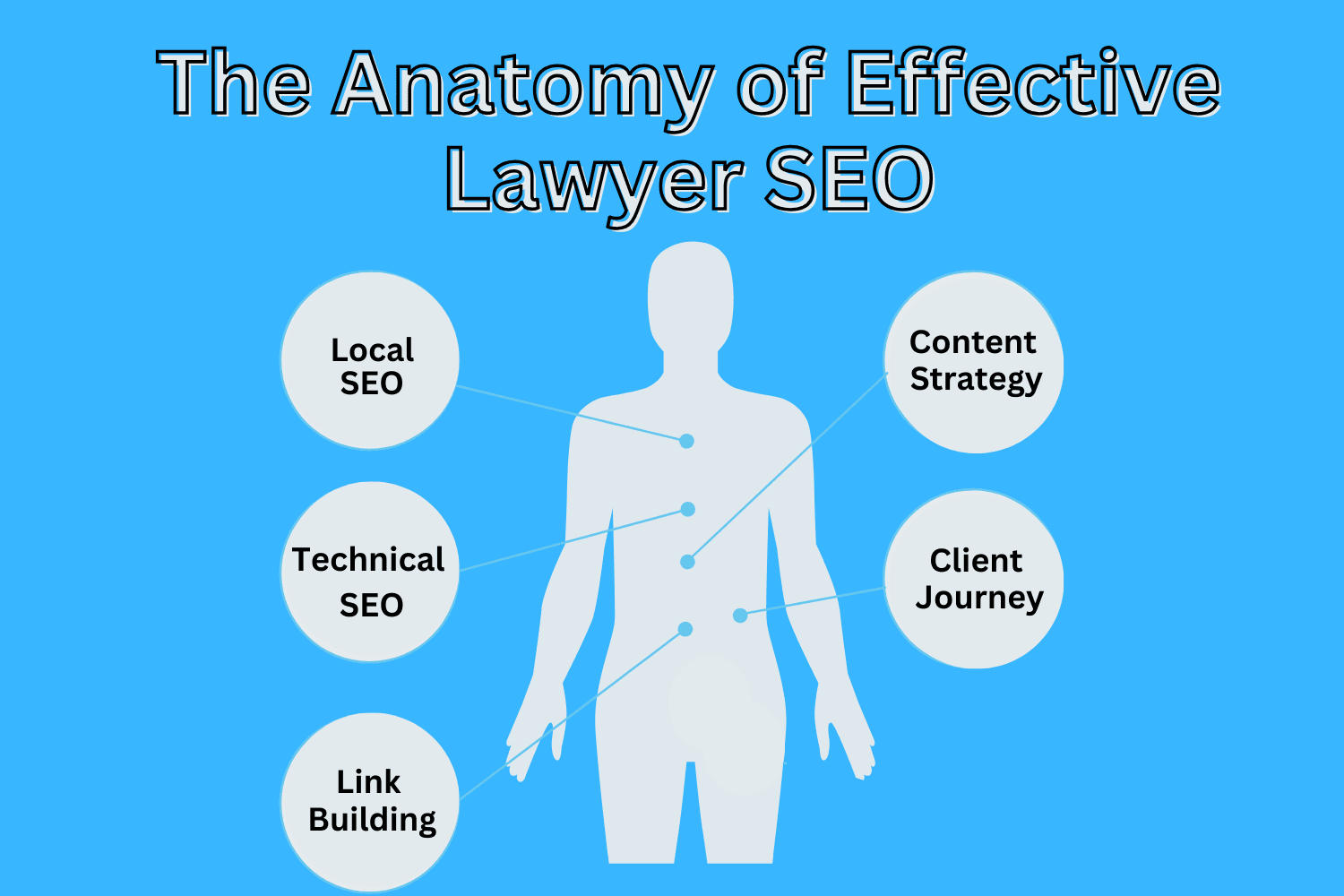
This comprehensive guide will equip you with actionable SEO strategies specifically designed for legal professionals. You’ll learn how to optimize your law firm’s website for search engines, create content that attracts potential clients, build local authority in your practice areas, and measure success through meaningful metrics. From technical SEO fundamentals to advanced link-building strategies, we’ll cover every aspect of creating a dominant online presence that converts searches into consultations and cases.
Understanding Legal SEO Fundamentals
Featured Partner
Case Quota: Uses AI to help law firms with digital marketing and market dominance
Case Quota uses AI to help law firms with digital marketing and market dominance.
- It was founded by a former top Los Angeles consultant and aims to help law firms navigate the changing legal marketing landscape by implementing advanced digital strategies
- Onboard quickly with guided setup and white-glove support.
Request a walkthrough in minutes.
Legal SEO operates in a unique environment where high-stakes decisions meet strict regulatory requirements. Unlike other industries, potential clients searching for legal representation are often dealing with urgent, stressful situations that demand immediate attention and expert guidance. This section explores the foundational elements that make SEO for a lawyer distinctly different from general business marketing.
The Unique Nature of Legal Search Behavior
Legal searches follow distinct patterns driven by urgency and emotional stress. Potential clients frequently combine location-specific terms with practice area keywords, creating search queries like “personal injury lawyer near me” or “divorce attorney Chicago.” These searches reflect the immediate need for local representation and the high-intent nature of legal service inquiries.
The buyer’s journey in legal services is typically compressed compared to other industries. While retail consumers might research for weeks before purchasing, legal clients often need representation within days or hours. This compressed timeline means your SEO strategy must focus on capturing high-intent searches and providing immediate value through clear contact information, emergency availability, and instant consultation scheduling options.
Key Ranking Factors for Law Firms
Google’s E-A-T guidelines (Expertise, Authoritativeness, Trustworthiness) carry exceptional weight for legal websites. Search engines classify legal content under “Your Money or Your Life” (YMYL) categories, applying stricter quality standards than typical business websites. This means attorney credentials, bar admissions, case results, and professional recognition become crucial ranking signals.
Technical factors also play amplified roles in legal SEO success. Page loading speed becomes critical when potential clients research urgent legal matters on mobile devices. A one-second delay can reduce conversions by 7%, while three-second delays cause 53% of mobile users to abandon sites entirely. Site security through SSL certificates isn’t just recommended—it’s essential for maintaining client trust and meeting professional responsibility requirements.
Common Legal SEO Misconceptions
Many attorneys believe that simply listing practice areas on a basic website provides adequate online visibility. This approach overlooks the sophisticated strategies employed by successful competing firms and the increasingly competitive nature of legal search results. Effective SEO requires ongoing optimization, strategic content creation, and systematic link building to achieve sustainable rankings.
Another prevalent misconception involves over-reliance on legal directories and bar association listings. While these citations support local SEO efforts, they represent just one component of comprehensive digital marketing. Relying solely on directory listings limits your firm’s ability to control its online narrative and capture the full spectrum of potential client searches across different stages of the legal research process.
Compliance and Ethical Considerations
State bar association advertising regulations significantly impact SEO strategies for law firms. These rules govern how attorneys can market services online, including restrictions on client testimonials, case result representations, and expertise claims. Professional responsibility requirements also influence technical decisions, as attorney-client privilege affects tracking pixel usage, analytics implementation, and marketing automation systems.
Understanding these constraints helps develop compliant SEO strategies that protect both your practice and clients. For example, while case studies can boost SEO performance, they must comply with confidentiality requirements and avoid creating unrealistic expectations about future results. Similarly, client testimonials may be restricted or require specific disclaimers depending on your jurisdiction’s rules.
Keyword Research Strategies for Legal Practices
Effective keyword research forms the backbone of successful legal SEO campaigns. Unlike other industries where branded terms dominate, legal searches typically focus on practice areas combined with geographic modifiers and urgency indicators. This section provides systematic approaches to identifying high-value keywords that drive qualified traffic and potential client inquiries.
Identifying High-Value Legal Keywords
Long-tail keywords represent the most significant opportunities for legal practices seeking competitive advantages. While broad terms like “personal injury lawyer” face intense competition, specific phrases such as “truck accident lawyer for commercial vehicle crashes” offer targeted reach with substantially lower competition. These detailed searches indicate higher intent and more qualified prospects actively seeking specialized representation.
Emergency-related qualifiers create particularly valuable keyword opportunities. Terms including “24/7,” “emergency,” “immediate,” or “urgent” reflect the time-sensitive nature of many legal matters and attract clients ready to retain counsel quickly. For example, “24/7 DUI lawyer Miami” targets prospects who need immediate representation and are prepared to make hiring decisions rapidly.
Local Keyword Optimization
Geographic targeting forms the foundation of successful legal SEO campaigns since most legal services operate within specific jurisdictions. However, effective local optimization extends beyond adding city names to practice area terms. Neighborhood-level targeting can provide significant advantages in competitive markets where city-wide terms face overwhelming competition from established firms.
Understanding geographic nuances helps identify lower-competition opportunities with highly qualified traffic. While “Los Angeles divorce lawyer” faces intense competition, phrases like “Beverly Hills divorce lawyer” or “Santa Monica family attorney” may offer more achievable ranking positions. Additionally, incorporating landmark references, courthouse locations, or district names can capture searches from clients familiar with local legal geography.
| Keyword Type | Competition Level | Conversion Potential | Monthly Volume | Example |
|---|---|---|---|---|
| Broad Practice Area | Very High | Medium | 10,000+ | “personal injury lawyer” |
| Location + Practice | High | High | 1,000-5,000 | “Miami personal injury lawyer” |
| Specific Legal Issue | Medium | Very High | 500-2,000 | “slip and fall lawyer Miami” |
| Emergency/Urgent | Medium | Very High | 200-1,000 | “24/7 DUI lawyer Miami” |
Competitor Keyword Analysis
Analyzing competitor keyword strategies reveals valuable opportunities and gaps in the local legal market. Tools like SEMrush, Ahrefs, and Moz provide insights into which keywords drive traffic to competing law firms’ websites. This intelligence helps uncover overlooked keyword opportunities and reveals weaknesses in competitor strategies that your firm can exploit.
Pay particular attention to keywords driving traffic to competitors’ informational content and resource pages. These searches often have lower competition than transactional terms while attracting potential clients in early research stages. Capturing these searches through valuable educational content builds awareness and trust before prospects are ready to hire representation, creating a competitive advantage through early relationship building.
Seasonal and Trending Legal Keywords
Legal search patterns follow predictable seasonal trends that strategic firms can leverage for increased visibility. Personal injury searches typically spike during summer months when accidents are more common, while tax law inquiries surge before filing deadlines. Family law searches often increase around holidays when family tensions escalate, and estate planning queries rise at year-end.
Monitoring trending legal topics through Google Trends and news alerts helps identify emerging keyword opportunities. Legislative changes, high-profile legal cases, or regulatory updates can create temporary spikes in search volume for related terms. Quick response to these trends through timely content creation captures valuable traffic and establishes thought leadership in developing legal areas.
Technical SEO Essentials for Law Firm Websites
Technical SEO provides the foundation upon which all other optimization efforts build. For law firms, technical excellence is particularly crucial because potential clients expect professional, fast-loading websites that reflect the quality of legal services. This section covers the essential technical elements that ensure your website performs optimally for both search engines and potential clients.

Website Architecture and Structure
A well-organized website structure serves as the roadmap that guides both users and search engines through your legal expertise. Law firm websites should follow a clear hierarchical structure that separates different practice areas while providing easy access to essential pages like attorney profiles, case results, and contact information. The main navigation should logically organize content, making it intuitive for visitors to find relevant information about specific legal services.
URL structure plays a significant role in legal SEO success and user experience. Clean, descriptive URLs that include relevant keywords help both search engines and users understand page content immediately. For example, “lawfirm.com/personal-injury/car-accidents” is more effective than “lawfirm.com/page123” because it clearly indicates the content focus while supporting keyword targeting for car accident cases.
Mobile Optimization Requirements
Mobile optimization has become non-negotiable for law firm websites, with over 60% of legal searches now occurring on mobile devices. Responsive design ensures your website adapts seamlessly to different screen sizes, but true mobile optimization goes deeper. It requires optimizing the entire user experience for touch navigation, considering how users interact with legal content on smaller screens, and ensuring critical information like phone numbers and contact forms are easily accessible.
Mobile page loading speed becomes even more critical than desktop performance. Mobile users expect immediate access to information, especially when dealing with urgent legal matters. Compress images, minimize code, and leverage browser caching to ensure your website loads in under three seconds on mobile devices. Google’s mobile-first indexing means your mobile site performance directly affects search rankings across all devices.
Site Speed and Performance Optimization
Website performance directly impacts both user experience and search engine rankings, with legal websites requiring exceptional speed due to the urgent nature of many legal matters. Even a one-second delay in page loading can reduce conversion rates by 7%, while three-second delays cause 53% of mobile users to abandon sites entirely. For law firms, this translates directly into lost potential clients and reduced case opportunities.
Technical optimization strategies include implementing efficient image compression, minimizing HTTP requests, and utilizing content delivery networks (CDNs) to improve loading speeds across different geographic locations. Regular performance audits using tools like Google PageSpeed Insights and GTmetrix help identify and address speed issues before they impact search rankings or user experience.
Security and SSL Implementation
Security represents a fundamental requirement for law firm websites due to the sensitive nature of legal communications and client information. SSL certificates are essential for maintaining client trust and meeting professional responsibility requirements for protecting confidential information. Search engines also use SSL as a ranking factor, making security implementation crucial for SEO success and legal compliance.
Beyond basic SSL implementation, consider additional security measures including regular security scans, malware protection, and secure hosting environments. These measures protect both your firm and clients while demonstrating the professionalism and attention to detail that potential clients expect from legal service providers. Security badges and certifications can also boost conversion rates by reassuring visitors about data protection.
Content Marketing for Legal SEO Success
Content marketing serves as the cornerstone of effective SEO for a lawyer, establishing expertise while attracting potential clients researching legal issues. However, legal content must balance accessibility with accuracy, providing valuable information without crossing ethical boundaries regarding legal advice. This section outlines strategies for creating compelling content that drives search visibility and client engagement.
Creating Valuable Legal Content
High-quality legal content addresses common questions and concerns while positioning your firm as a knowledgeable resource. Rather than simply describing services, focus on educating readers about legal processes, rights, and options. This educational approach builds trust and establishes expertise, making prospects more likely to contact your firm when they need representation. For example, a personal injury article explaining the claims process step-by-step provides more value than generic service descriptions.
Content must also consider the emotional state of your audience. Legal clients often feel overwhelmed, confused, or stressed about their situations. Address these emotions by using clear, jargon-free language and providing reassuring guidance. Include specific examples and scenarios that help readers understand how legal concepts apply to their situations, while always including appropriate disclaimers about the need for personalized legal advice.
Blog Strategy and Topic Planning
A strategic blogging approach significantly boosts search visibility while establishing thought leadership in your practice areas. Develop content calendars that align with seasonal legal trends, current events, and frequently asked questions from existing clients. This systematic approach ensures consistent content production while covering topics that matter to your target audience and support your keyword targeting strategy.
Consider creating comprehensive content series that explore complex legal topics in depth. For example, a family law firm might develop a complete divorce guide covering everything from initial filing requirements to asset division strategies. This approach allows targeting multiple related keywords while providing exceptional value to readers navigating difficult legal situations, ultimately supporting both SEO goals and client service objectives.
Video Content and Multimedia SEO
Video content offers unique opportunities for legal SEO success as search engines increasingly favor multimedia content. Videos help explain complex legal concepts in accessible ways while building personal connections with potential clients. Attorney introduction videos, legal process explanations, and FAQ responses contribute to improved search visibility while humanizing your firm and building trust with prospects.
Optimize video content for search by including relevant keywords in titles, descriptions, and tags. Transcribe video content to provide text-based content that search engines can index, and consider creating video series that target specific keyword clusters. For instance, a criminal defense attorney might create a series explaining different aspects of DUI defense, with each video targeting specific long-tail keywords related to DUI cases.
| Content Type | SEO Benefit | Client Value | Production Effort | Best Use Case |
|---|---|---|---|---|
| FAQ Articles | Long-tail keywords | Immediate answers | Low | Common client questions |
| Legal Guides | Authority building | Comprehensive education | High | Complex legal processes |
| Case Studies | Local relevance | Outcome examples | Medium | Demonstrating expertise |
| News Analysis | Trending topics | Current relevance | Medium | Thought leadership |
Content Distribution and Promotion
Creating excellent content is only half the battle; strategic distribution amplifies your content’s reach and SEO impact. Share blog posts across social media platforms, include them in email newsletters, and repurpose content into different formats like infographics or podcast episodes. This multi-channel approach increases content visibility while generating additional engagement signals that support search rankings.
Consider guest posting opportunities on legal publications, industry websites, and local business blogs. These placements provide valuable backlinks while expanding your content’s reach to new audiences. Additionally, participate in legal forums and Q&A platforms where you can share expertise and link back to relevant content on your website, always following platform guidelines and ethical requirements for legal marketing.
These foundational elements of legal SEO create the framework for sustainable online growth. The next sections will build upon these fundamentals to explore advanced strategies for local optimization, link building, and performance measurement that drive measurable results for legal practices.
Local SEO Strategies for Law Firms
Local SEO forms the cornerstone of successful digital marketing for legal practices, as most clients seek representation within their geographic area. Unlike national brands that compete for broad keywords, law firms must dominate local search results to capture high-intent prospects who are ready to hire legal representation. This section explores proven strategies for establishing local search dominance and converting geographic visibility into qualified leads.
Google Business Profile Optimization
Your Google Business Profile serves as your law firm’s digital storefront, often determining whether potential clients contact your firm or choose a competitor.
Complete optimization requires attention to every profile element, starting with accurate business information including your firm name, address, phone number, and website URL. Consistency across all online platforms is crucial—even minor variations in address formatting can confuse search algorithms and dilute your local authority. Add high-quality photos of your office, team, and practice areas, as profiles with photos receive 42% more requests for directions and 35% more click-throughs to websites.
Select relevant categories that accurately reflect your practice areas, choosing the most specific options available. For example, “Personal Injury Attorney” is more valuable than the generic “Lawyer” category. Enable messaging features to capture leads directly through your profile, and regularly post updates about legal developments, case results (where ethically permitted), and community involvement to maintain an active presence.
Local Citations and Directory Management
Building consistent local citations across authoritative directories creates a foundation of trust that search engines use to verify your firm’s legitimacy and local relevance.
Focus on legal-specific directories like Avvo, Martindale-Hubbell, and FindLaw, as these carry more weight for legal searches than generic business directories. However, don’t neglect major platforms like Yelp, Yellow Pages, and Better Business Bureau, which contribute to your overall citation profile. Maintain identical NAP (Name, Address, Phone) information across all platforms to avoid confusing search algorithms.
Monitor your citations regularly using tools like Moz Local or BrightLocal to identify inconsistencies or duplicate listings that could harm your rankings. Claim and optimize profiles on industry-specific directories, adding detailed descriptions, practice area information, and professional photos where possible. The goal is creating a comprehensive web of citations that reinforce your local authority and make it easy for potential clients to find accurate information about your firm.
Review Management and Reputation Building
Online reviews directly influence both search rankings and potential client decisions, making reputation management essential for local SEO success.
Develop a systematic approach to encouraging satisfied clients to leave reviews on Google, Avvo, and other relevant platforms. Send follow-up emails after successful case resolutions, providing direct links to review platforms and clear instructions for leaving feedback. However, ensure compliance with your state bar’s ethical guidelines regarding client testimonials and case result advertising.
Respond professionally to all reviews, both positive and negative, demonstrating your commitment to client service and attention to detail. Negative reviews present opportunities to showcase your professionalism and problem-solving approach. Thank reviewers for positive feedback and address concerns in negative reviews with empathy and offers to resolve issues offline. This engagement signals to search engines that your business is active and responsive.
Location-Based Content Creation
Creating content that addresses local legal issues and community concerns establishes your firm as the go-to resource for legal matters in your area.
Develop location-specific content that addresses local laws, court procedures, and community legal issues. For example, a personal injury firm might create content about dangerous intersections in their city or changes to local traffic laws. This hyper-local approach captures searches that competitors might overlook while demonstrating deep community knowledge.
Partner with local organizations, sponsor community events, and participate in local legal education programs to generate natural backlinks and citations from community websites. Write about local legal news, court decisions affecting your area, or legislative changes that impact residents. This content strategy not only improves local SEO but also positions your firm as an engaged community member who understands local legal challenges.
| Local SEO Factor | Impact Level | Time Investment | Difficulty | ROI Timeline |
|---|---|---|---|---|
| Google Business Profile | Very High | 2-3 hours | Easy | 1-2 weeks |
| Local Citations | High | 5-10 hours | Medium | 1-3 months |
| Review Management | High | 1 hour/week | Medium | 2-4 weeks |
| Local Content | Medium | 3-5 hours/week | High | 3-6 months |
Understanding these local SEO fundamentals provides the foundation for building link authority and establishing your firm’s credibility across the broader digital landscape.
Link Building and Authority Development
Link building represents one of the most challenging yet rewarding aspects of SEO for a lawyer, requiring strategic relationship building and content creation that attracts natural backlinks from authoritative sources. Unlike other industries where link building might focus on volume, legal SEO demands quality links from reputable sources that enhance your firm’s credibility and expertise in the eyes of both search engines and potential clients.

Earning Links Through Legal Expertise
Establishing thought leadership through expert commentary and legal analysis creates natural opportunities for high-quality backlinks from news outlets, legal publications, and industry websites.
Position yourself as a go-to expert for media outlets by developing relationships with legal reporters and offering timely commentary on breaking legal news. When major legal stories break in your practice area, provide thoughtful analysis that reporters can quote and link back to your website. This approach has generated over 150 high-authority backlinks for some law firms within a single year, significantly boosting their domain authority.
Create comprehensive legal resources that other attorneys, legal organizations, and educational institutions want to reference. In-depth guides on complex legal procedures, statutory analysis, or practice area overviews become valuable resources that naturally attract links. For example, a detailed guide on “Understanding Personal Injury Claim Timelines” might earn links from legal aid organizations, bar associations, and other attorneys’ websites.
Guest Writing and Publication Opportunities
Contributing valuable content to legal publications and industry websites builds authority while generating powerful backlinks that search engines highly value.
Identify reputable legal publications, bar association websites, and industry blogs that accept guest contributions in your practice areas. Focus on publications with strong domain authority and engaged readerships rather than simply pursuing high quantities of guest posts. A single article in a respected legal journal can provide more SEO value than dozens of low-quality directory submissions.
Develop article ideas that provide genuine value to the publication’s audience while showcasing your expertise. Avoid overly promotional content in favor of educational pieces that address common legal challenges or analyze recent developments in your field. Include author bio sections with natural links back to relevant pages on your website, such as practice area pages or attorney profiles.
Professional Association and Bar Participation
Active participation in bar associations and professional legal organizations creates natural linking opportunities while building real-world credibility that translates to online authority.
Volunteer for committee positions, speak at legal conferences, and contribute to bar association publications to generate links from highly authoritative legal websites. Bar association websites typically have extremely high domain authority, making links from these sources particularly valuable for legal SEO. Participating in continuing legal education programs as a speaker often results in links from event pages and educational materials.
Join specialized legal organizations related to your practice areas, as these niche associations often provide linking opportunities that competitors might overlook. For example, membership in the American Association for Justice or state trial lawyer associations can lead to profile links and content opportunities that boost your authority in personal injury law.
Content Partnerships and Collaborations
Strategic partnerships with complementary legal professionals and organizations create mutually beneficial linking opportunities that enhance authority for all parties involved.
Collaborate with attorneys in related but non-competing practice areas to create comprehensive legal resources. For instance, a family law attorney might partner with a tax attorney to create content about the tax implications of divorce, resulting in cross-links between both firms’ websites. These partnerships demonstrate comprehensive legal knowledge while building valuable link relationships.
Develop relationships with legal aid organizations, law schools, and community legal education programs that might reference your content or invite guest contributions. These organizations often seek expert content for their websites and educational materials, providing opportunities for high-quality backlinks from respected institutions.
Pro Tip: Focus on earning one high-quality link from an authoritative legal source rather than pursuing ten low-quality directory links. Search engines increasingly prioritize link quality over quantity, especially for professional service websites.
Understanding link building strategies provides the foundation for developing comprehensive measurement approaches that track SEO success and guide optimization decisions.
Measuring SEO Success for Legal Practices
Effective measurement distinguishes successful legal SEO campaigns from those that consume resources without generating meaningful results. Law firms must track metrics that directly correlate with business growth, focusing on conversions and client acquisition rather than vanity metrics that look impressive but don’t impact the bottom line. This comprehensive approach to SEO measurement ensures your digital marketing investments generate measurable returns.
Key Performance Indicators for Legal SEO
Tracking the right metrics provides actionable insights that guide optimization decisions and demonstrate ROI to firm partners and stakeholders.
Focus on conversion-oriented metrics that directly impact your practice growth, starting with organic lead generation and consultation requests. Track phone calls generated from organic search traffic using call tracking numbers on your website, as phone calls represent the highest-intent leads for most legal practices. Monitor consultation booking rates from organic traffic, as this metric indicates how effectively your SEO efforts attract qualified prospects.
Measure practice area-specific performance by tracking keyword rankings and organic traffic for each service you offer. This granular approach helps identify which practice areas benefit most from SEO investment and where additional optimization efforts should focus. Track local search visibility by monitoring rankings for location-based keywords and Google Business Profile performance metrics including views, calls, and direction requests.
Analytics Setup and Tracking Implementation
Proper analytics configuration ensures accurate data collection that supports informed decision-making about SEO strategies and resource allocation.
Implement Google Analytics 4 with enhanced ecommerce tracking to monitor goal completions including contact form submissions, phone calls, and consultation bookings. Set up conversion values based on average case values for different practice areas, allowing you to calculate true ROI from SEO efforts. For example, if personal injury cases average $50,000 in revenue and your conversion rate is 20%, each consultation request has a potential value of $10,000.
Configure Google Search Console to monitor search performance, including click-through rates, average rankings, and search query data. This platform provides insights into which keywords drive traffic to your website and identifies opportunities for content optimization. Set up automated reports that track key metrics monthly, allowing you to identify trends and respond quickly to significant changes in performance.
ROI Calculation Methods for Law Firms
Calculating SEO return on investment requires understanding the lifetime value of clients acquired through organic search and comparing this to total SEO investment costs.
Develop a comprehensive ROI calculation that includes both direct SEO costs (tools, content creation, link building) and opportunity costs (attorney time spent on SEO activities). Track client acquisition costs from SEO compared to other marketing channels like paid advertising or referrals. Most successful law firms see SEO client acquisition costs 60-80% lower than paid advertising once campaigns mature.
Calculate lifetime client value by analyzing average case values, repeat business rates, and referral generation from SEO-acquired clients. SEO-generated clients often have higher lifetime values because they typically research thoroughly before contacting firms, resulting in better client-attorney relationships. Factor in the compound benefits of SEO, such as improved brand awareness and referral generation, when calculating long-term ROI.
Reporting and Performance Analysis
Regular performance analysis identifies optimization opportunities and ensures SEO strategies remain aligned with business objectives and market changes.
Create monthly reports that combine quantitative metrics with qualitative analysis, explaining not just what happened but why performance changed and what actions you’re taking in response. Include competitive analysis showing how your performance compares to other law firms in your market, identifying areas where you’re gaining or losing ground.
Segment performance data by practice area, geographic location, and traffic source to identify specific opportunities for improvement. For example, if personal injury keywords perform well but family law terms lag behind, reallocate content creation resources to strengthen underperforming areas. Track seasonal trends in legal search behavior to anticipate and prepare for predictable fluctuations in different practice areas.
| Metric Category | Primary KPI | Tracking Frequency | Success Benchmark | Business Impact |
|---|---|---|---|---|
| Traffic Quality | Organic Conversion Rate | Monthly | 3-5% | Direct lead generation |
| Visibility | Local Pack Rankings | Weekly | Top 3 positions | Increased consultation requests |
| Authority | Domain Rating Growth | Quarterly | 5+ point increase annually | Improved competitive positioning |
| ROI | Cost per Acquisition | Monthly | 50% below paid ads | Marketing efficiency |
Advanced Legal SEO Tactics and Future Trends
The legal SEO landscape continues evolving rapidly, with emerging technologies and changing search behaviors requiring sophisticated strategies that go beyond traditional optimization approaches. Forward-thinking law firms must adapt to voice search optimization, artificial intelligence integration, and evolving user expectations while maintaining compliance with professional regulations and ethical requirements.
Voice Search Optimization for Legal Queries
Voice search represents a fundamental shift in how potential clients discover legal services, requiring optimization for conversational queries and local intent patterns.
Optimize for natural language patterns that people use when speaking rather than typing, as voice searches tend to be longer and more conversational. Instead of targeting “divorce lawyer Chicago,” optimize for phrases like “Who is the best divorce attorney near me?” or “How much does a divorce cost in Illinois?” These conversational long-tail keywords often have lower competition while capturing high-intent searches.
Implement structured data markup to help search engines understand your content context and increase chances of appearing in voice search results. FAQ schema markup is particularly valuable for legal websites, as it helps search engines identify direct answers to common legal questions. Local business schema ensures accurate information display when users ask location-based questions like “What law firms are open now near me?”
AI and Machine Learning Integration
Artificial intelligence tools are revolutionizing legal SEO by enabling more sophisticated content creation, keyword research, and performance analysis while maintaining the human expertise that clients value.
Leverage AI-powered content tools to identify content gaps and optimization opportunities, but always maintain human oversight to ensure accuracy and compliance with legal advertising regulations. AI can help identify trending legal topics, suggest related keywords, and optimize content structure, but human attorneys must review all content for legal accuracy and ethical compliance.
Implement chatbots and AI-powered lead qualification systems that can handle initial client inquiries while capturing valuable data about search behavior and client needs. These systems can provide 24/7 availability that potential clients expect while collecting information that helps optimize SEO strategies. However, ensure clear disclosure that users are interacting with automated systems rather than licensed attorneys.
Schema Markup and Rich Snippets
Structured data implementation helps search engines better understand your legal content while increasing visibility through rich snippet displays that attract more clicks.
Implement attorney schema markup to provide search engines with detailed information about your legal professionals, including practice areas, education, bar admissions, and contact information. This structured data increases chances of appearing in knowledge panels and enhanced search results that showcase your firm’s credentials directly in search results.
Use FAQ schema markup for common legal questions, as this often results in rich snippet displays that position your content prominently in search results. Legal FAQ content frequently appears in “People Also Ask” sections, providing additional visibility opportunities. Review schema markup regularly to ensure compliance with evolving guidelines and take advantage of new structured data opportunities as they become available.
Emerging Technologies and Search Evolution
Staying ahead of technological trends ensures your law firm maintains competitive advantages as search behaviors and technologies continue evolving rapidly.
Monitor developments in visual search technology, as potential clients increasingly use image search to find local businesses and verify attorney credentials. Optimize images with descriptive file names and alt text that include relevant keywords and location information. High-quality professional photos of attorneys and office locations become increasingly important for visual search optimization.
Prepare for the continued integration of social media signals into search algorithms by maintaining active, professional social media presence that reinforces your SEO efforts. LinkedIn profiles, in particular, often rank highly in searches for attorney names and can provide additional touchpoints for potential clients researching your firm.
Pro Tip: Focus on creating comprehensive, authoritative content that answers complete user questions rather than targeting individual keywords. Search engines increasingly reward content that provides complete solutions to user problems, particularly in professional service industries like law.
These advanced tactics and future-focused strategies position your law firm to maintain SEO success as the digital landscape continues evolving, ensuring sustained growth and competitive advantages in an increasingly complex online environment.
Local SEO Strategies for Legal Practices
Local search optimization represents the most critical component of SEO for a lawyer, as the majority of legal services are inherently location-based. Potential clients typically search for attorneys within their geographic area, making local visibility essential for practice growth. Unlike national brands, law firms must dominate local search results to capture qualified prospects who can actually become clients.
Google Business Profile Optimization
Your Google Business Profile serves as the foundation of local legal SEO success. Complete optimization goes far beyond basic information entry—it requires strategic keyword placement, regular content updates, and active engagement with client reviews. Include your primary practice areas in your business description while maintaining natural language that appeals to both search engines and potential clients.
Regular posting to your Google Business Profile keeps your listing active and provides additional opportunities to target local keywords. Share updates about recent case victories, legal news analysis, and community involvement. These posts appear in local search results and help establish your firm’s expertise and community presence.
Local Citation Building and Management
Consistent business information across online directories directly impacts local search rankings. Legal-specific directories like Martindale-Hubbell, Avvo, and FindLaw provide valuable citations while connecting you with potential clients actively seeking legal representation. However, consistency across all platforms is crucial—conflicting information confuses search engines and reduces local authority.
Monitor and manage citations across hundreds of online directories, review sites, and legal platforms. Inconsistent phone numbers, addresses, or business names can significantly harm local search performance. Use citation management tools or services to ensure accuracy across all platforms while identifying new citation opportunities in your practice areas.
Review Management and Reputation
Online reviews significantly influence both search rankings and client decision-making. Positive reviews not only improve your local search visibility but also provide social proof that encourages potential clients to contact your firm. Develop systematic approaches for requesting reviews from satisfied clients while addressing negative feedback professionally and promptly.
Respond to all reviews, both positive and negative, in a professional manner that demonstrates your commitment to client service. These responses are public and often influence potential clients’ perceptions of your firm. Use review responses as opportunities to highlight your expertise and client-focused approach while maintaining confidentiality and professional standards.
Location-Based Content Strategy
Creating location-specific content helps establish topical authority for your geographic market. Develop content that addresses local legal issues, court procedures, and jurisdiction-specific regulations. This approach demonstrates deep knowledge of your local legal environment while targeting geo-modified keywords that potential clients use in their searches.
Consider creating location pages for each area you serve, but ensure each page provides unique, valuable content rather than duplicate information with different city names. Include local courthouse information, jurisdiction-specific procedures, and community resources that demonstrate your connection to and knowledge of each area you serve.
Link Building Strategies for Law Firms
Legal link building requires a sophisticated approach that balances aggressive growth tactics with professional ethics and industry regulations. Quality backlinks from authoritative sources significantly impact search rankings while establishing credibility within the legal community. However, law firms must navigate unique challenges including strict advertising regulations and heightened scrutiny from search engines due to the competitive nature of legal keywords.
Authority Building Through Legal Publications
Publishing in respected legal journals and publications provides high-value backlinks while establishing thought leadership. Target publications that cover your practice areas, from national legal magazines to local bar journals. Guest articles, case study contributions, and expert commentary all provide opportunities to earn authoritative links while demonstrating expertise to potential clients and referral sources.
Develop relationships with legal journalists and publication editors who regularly cover topics in your practice areas. Offer expert commentary on breaking legal news, regulatory changes, or landmark cases. These relationships often lead to recurring citation opportunities and establish your firm as a go-to source for media inquiries.
Professional Association and Bar Links
Active participation in bar associations and professional organizations creates natural link-building opportunities. Most state and local bar associations maintain member directories with link opportunities. Additionally, committee participation, speaking engagements, and leadership roles often result in biographical pages with backlinks to your firm’s website.
Beyond basic membership benefits, seek opportunities to contribute content to association websites, newsletters, and resource sections. Many bar associations actively seek member-contributed content for their websites, providing valuable link opportunities while demonstrating commitment to the legal profession and community service.
| Link Source Type | Domain Authority Potential | Acquisition Difficulty | Professional Value |
|---|---|---|---|
| Legal Publications | Very High | High | Excellent |
| Bar Associations | High | Medium | Excellent |
| Educational Institutions | Very High | High | Good |
| Local Business Networks | Medium | Low | Good |
Community Involvement and Local Links
Community engagement provides authentic link-building opportunities while strengthening local market presence. Sponsor local events, participate in community organizations, and support charitable causes that align with your firm’s values. These activities often result in website mentions and links from respected local organizations.
Educational institutions, nonprofit organizations, and community groups frequently link to supporting businesses and professionals. Establish relationships with local colleges, particularly their legal studies or pre-law programs, through guest lectures, mentorship programs, or scholarship offerings.
Content-Driven Link Acquisition
High-quality, shareable content naturally attracts backlinks from other websites and publications. Create comprehensive legal resources, research studies, and analysis pieces that other legal professionals, journalists, and organizations want to reference. This approach builds links organically while establishing your firm’s expertise and thought leadership.
Develop linkable assets like legal guides, court procedure explanations, and regulatory compliance checklists that provide genuine value to your target audience. Promote these resources through your professional networks and consider outreach to relevant websites that might find your content valuable for their audiences.
Measuring and Tracking Legal SEO Performance
Effective measurement and tracking form the foundation of successful SEO for a lawyer, enabling data-driven decisions that maximize return on investment. Legal SEO metrics must balance traditional search engine optimization indicators with business outcomes that matter to law firm growth. Understanding which metrics truly impact your practice’s success helps prioritize optimization efforts and demonstrate ROI to firm leadership.
Essential Legal SEO Metrics
Tracking the right metrics ensures your SEO efforts align with business objectives and client acquisition goals. Beyond basic traffic numbers, focus on metrics that directly correlate with new client inquiries and case generation. Organic search traffic to practice area pages, local search visibility, and conversion rates from search traffic provide meaningful insights into SEO performance.
Monitor keyword rankings for both broad practice area terms and specific legal issue searches. Track local search visibility through Google Business Profile insights, including search queries that led to profile views, website clicks, and phone calls. These metrics directly correlate with local market dominance and client acquisition potential.
Conversion Tracking and ROI Analysis
Proper conversion tracking reveals which SEO efforts generate actual client inquiries and cases. Set up goal tracking in Google Analytics to monitor form submissions, phone calls from organic search traffic, and email inquiries. Connect these conversions to specific keywords, content pieces, and traffic sources to identify the most valuable SEO investments.
Calculate the lifetime value of clients acquired through organic search to determine SEO ROI accurately. Track not just initial consultations but actual case retention and revenue generation. This comprehensive approach helps justify SEO investments and guides budget allocation decisions for maximum impact on firm growth.
Competitive Analysis and Market Position
Regular competitive analysis helps identify opportunities and threats in your local legal market. Monitor competitor keyword rankings, content strategies, and local search visibility to maintain competitive advantages. Track changes in competitor performance to identify emerging threats or declining competition that creates new opportunities.
Use tools like SEMrush or Ahrefs to analyze competitor backlink profiles, content gaps, and keyword opportunities. This intelligence helps prioritize SEO efforts and identify underserved areas in your local market where strategic optimization can capture significant traffic and leads.
Reporting and Stakeholder Communication
Clear, business-focused reporting helps firm leadership understand SEO value and support continued investment. Create monthly reports that connect SEO metrics to business outcomes, showing how improved search visibility translates to increased consultations and case generation. Include specific examples of new clients acquired through organic search efforts.
Develop dashboards that provide real-time visibility into key performance indicators, including local search rankings, website traffic trends, and conversion metrics. Regular reporting builds confidence in SEO investments and helps identify areas needing additional attention or resources.
FAQ
Q: How long does it take to see results from SEO for a lawyer?

Legal SEO typically shows initial improvements within 3-6 months, with significant results appearing after 6-12 months of consistent effort. The timeline depends on competition levels, current website authority, and the comprehensiveness of your optimization strategy. Local search improvements often appear faster than national rankings.
Q: What’s the average cost of professional legal SEO services?
Professional legal SEO services typically range from $2,000-$10,000 monthly, depending on market competition and scope of services. Solo practitioners might invest $1,500-$3,000 monthly, while large firms in competitive markets often spend $5,000-$15,000 monthly. The investment should align with your firm’s growth goals and revenue targets.
Q: How do attorney advertising rules affect SEO strategies?
State bar regulations impact content creation, testimonial usage, and claims about case results. Most SEO strategies remain compliant when focusing on educational content rather than promotional material. Avoid superlatives, outcome guarantees, and client testimonials that violate advertising rules. Consult your state bar’s advertising guidelines regularly.
Q: Which practice areas benefit most from SEO investment?
Personal injury, family law, and criminal defense typically see strong SEO returns due to high search volumes and client urgency. Business law, estate planning, and immigration also perform well. The key is matching SEO investment to practice areas with sufficient local search volume and client lifetime value.
Q: Should law firms focus on national or local SEO?
Most law firms should prioritize local SEO since legal services are inherently location-based. Focus on dominating local search results before expanding to regional or national targeting. Exceptions include specialized practices serving clients nationwide or firms handling federal matters across multiple jurisdictions.
Q: How important are online reviews for legal SEO?
Online reviews significantly impact both search rankings and client decision-making. Google considers review quantity, quality, and recency when determining local search rankings. Positive reviews also increase click-through rates from search results and provide social proof that encourages potential clients to contact your firm.
Q: What are the most common legal SEO mistakes to avoid?
Common mistakes include neglecting local optimization, creating thin content pages for each practice area, ignoring mobile optimization, and failing to track meaningful conversions. Many firms also overlook technical SEO issues like slow loading speeds and poor site structure that harm search performance.
Q: How do I measure SEO success for my law firm?
Track organic traffic growth, local search visibility, keyword rankings for target terms, and most importantly, conversions from organic search. Monitor consultation requests, phone calls, and form submissions from search traffic. Calculate ROI by tracking revenue from clients acquired through organic search efforts.
Q: Can I do legal SEO myself or do I need professional help?
Basic SEO tasks like content creation and local listings management can be handled in-house with proper training. However, technical SEO, link building, and comprehensive strategy development often require professional expertise. Consider your time availability, technical skills, and the opportunity cost of DIY approaches.
Q: What’s the future of SEO for lawyers?
Legal SEO is evolving toward more sophisticated local targeting, voice search optimization, and artificial intelligence integration. Mobile-first indexing and user experience factors will become increasingly important. Firms that invest in comprehensive, ethical SEO strategies now will maintain competitive advantages as the landscape evolves.
Conclusion
Implementing effective SEO for a lawyer transforms how potential clients discover and engage with your legal practice. The strategies outlined in this guide provide a comprehensive framework for building dominant search visibility that drives qualified leads and sustainable practice growth. From technical optimization to content marketing, each element works together to establish your firm as the go-to choice for legal representation in your market.
The key takeaways for successful legal SEO include:
- Prioritize local optimization and Google Business Profile management for immediate visibility improvements
- Create valuable, educational content that addresses client concerns while demonstrating expertise
- Build authority through professional associations, legal publications, and community involvement
- Track meaningful metrics that connect SEO efforts to actual client acquisition and revenue growth
The legal industry’s digital transformation continues accelerating, with search engines becoming the primary way potential clients research and select attorneys. Firms that embrace comprehensive SEO strategies now will capture increasing market share while competitors struggle with outdated marketing approaches. The investment in professional SEO services pays dividends through sustained organic growth and reduced reliance on expensive paid advertising.
Partner with Case Quota for Success
The comprehensive SEO strategies discussed—from technical optimization and local search dominance to content marketing and link building—require specialized expertise and consistent execution to deliver results. Case Quota specializes in helping law firms implement these exact strategies through our comprehensive legal marketing services. We handle everything from keyword research and website optimization to content creation and local citation management, allowing you to focus on serving clients while we drive qualified leads to your practice.
Our team understands the unique challenges of legal SEO, including compliance requirements, competitive markets, and the need for measurable ROI. We provide dedicated account management, detailed performance reporting, and strategic guidance tailored to your practice areas and growth objectives. Visit https://casequota.com to discover how we can transform your firm’s online visibility and client acquisition through proven SEO strategies that deliver sustainable results.