

Online Reputation Management for Law Firms
Online Reputation Management (ORM) is no longer optional for law firms that want to grow. For small and mid-sized firms, reputation equals credibility and client acquisition. Because potential clients research attorneys online, a few bad reviews can seal a lost case. Therefore, investing in an online reputation strategy protects your brand visibility and trust.
ORM covers review management, social listening, SEO, content creation, and crisis management. In addition, it includes proactive storytelling, client testimonials, and rapid response systems. When firms control this narrative, they win more leads and earn higher conversion rates.
However, many practices ignore ORM because they believe legal skill alone will attract clients. In reality, visibility depends on search results and trusted online reviews as much as skill. This introduction shows why ORM matters and how it preserves brand integrity.
Later sections provide practical tactics such as Google Alerts monitoring and social listening setups. You will learn review response templates, SEO tips, testimonial gathering processes, and content calendars. Additionally, we cover crisis playbooks that speed reputation recovery after negative incidents. As a result, firms can reduce reputational risk and improve long-term client trust.
We focus on tactics that small budgets can implement without hiring large agencies. For example, simple review tracking, consistent content publishing, and client feedback loops work well. Furthermore, the article explains measurement methods to track progress and ROI.
By the end, you will have an actionable plan to dominate your market through better reputation. Start here to protect your name, attract quality clients, and build lasting brand trust. Let’s get started with practical ORM steps.
Online Reputation Management (ORM) for Law Firms
Online Reputation Management (ORM) must be an active part of your law firm’s growth plan. For small and mid-sized firms, monitoring public perception protects brand integrity and client acquisition. Effective ORM uses social listening, Google Alerts, and steady review tracking. It also turns customer feedback into content that boosts SEO and trust.
Monitor with Social Listening and Google Alerts
- Set up social listening to scan mentions and sentiment across channels. For example, use platform dashboards or third-party tools to watch for negative trends. Moreover, social listening finds early signals of issues so you can act fast.
- Create targeted Google Alerts for your firm name, partners, and key practice areas. Google Alerts lets you catch new mentions across the web. Set alerts at Google Alerts and refine keywords weekly.
Track and Respond to Reviews
- Monitor reviews on Google Business, Facebook, TripAdvisor, and other niche sites. For Google reviews, use Google Business and claim your profile. Because reviews shape trust, track them daily.
- Remember that “Over half of consumers expect a response within seven days of leaving a review.” Source: Review Trackers
- Use templated but personalized replies. As the industry says, “Responding quickly to reviews—both positive and negative—demonstrates your commitment to customer satisfaction.” Respond within 24 to 48 hours when possible.
Turn Feedback into Content and SEO Wins
- Capture client testimonials and case studies to publish as articles. In addition, post answers to common questions to improve search visibility.
- Use customer feedback to fuel blog posts and FAQ pages. Therefore, content becomes a tool for reputation repair and proactive storytelling.
Implementing these strategies protects brand visibility and builds client trust. As a result, your firm will convert more leads and recover faster from negative incidents.
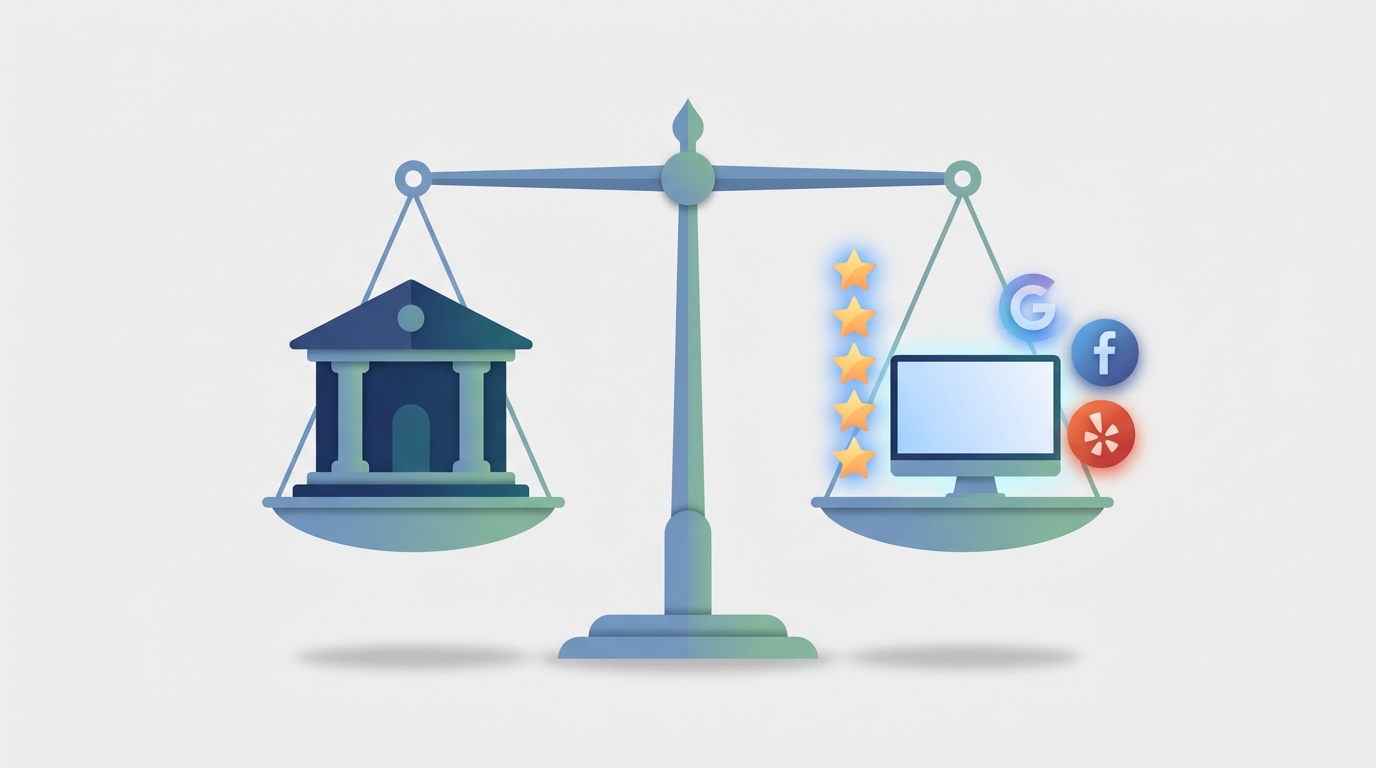
Below is a quick comparison to help your firm choose Online Reputation Management (ORM) platforms. It highlights primary function, key features, ideal use cases, and pricing or accessibility. Use these tools with social listening and review tracking to capture customer feedback and manage reviews.
| Platform | Primary Function | Key Features | Ideal Use Case | Pricing Accessibility |
|---|---|---|---|---|
| Google Alerts | Web mention monitoring and alerts | Email alerts, keyword filters, frequency control, free setup | Early detection of mentions, monitoring attorneys and practice areas | Free and easy to set up |
| Yelp | Local business listings and customer reviews | Star ratings, written reviews, business responses, local search influence | Consumer-facing firms, local visibility, review management | Free listing; paid advertising and enhanced profiles |
| TripAdvisor | Travel and local business reviews; lower relevance for most firms | Reviews, rankings, photos, traveler feedback | Firms serving tourists or hospitality-related cases | Free listing; paid features vary |
| Social profile, reviews, and community engagement | Business Page, reviews, direct messaging, analytics, ads | Community engagement, client education, local outreach | Free pages; paid advertising options | |
| Real-time mention tracking and public conversation | Short posts, hashtags, trending topics, direct messages | Rapid response, public statements, thought leadership | Free accounts; paid promotion options |
Use this table to match tools to your firm’s workflow, budget, and client profiles. For example, combine Google Alerts and Facebook for monitoring and outreach. Then use Yelp to manage reviews and local visibility.
Effective Reputation Recovery
Effective reputation recovery starts with preparation. Online Reputation Management (ORM) must include a crisis playbook. First, map likely scenarios and assign roles. Then define escalation steps and approval processes. This approach reduces confusion and speeds action.
Prepare a Crisis Playbook
- Create step by step procedures for common incidents. For example, outline who drafts public statements and who monitors reviews. Also list legal and PR contacts to consult. Finally, rehearse the plan during staff meetings.
Act Fast and Communicate Clearly
- Rapid response matters because “Over half of consumers expect a response within seven days of leaving a review.” Source. Therefore, monitor channels and reply quickly. Moreover, prioritize transparency in every channel. As one guide notes, “An effective online reputation strategy is essential for maintaining your brand’s integrity and visibility.” Use short public statements that acknowledge issues and explain next steps.
- Use the Chipotle example for practical insight. When faced with a major health concern, you saw the company quickly close affected stores, provide free meals, and issue public apologies. Read coverage of their response here and read more details here. Their actions show decisive steps and public accountability.
Recover with Storytelling and Positive Content
- After immediate containment, pivot to storytelling. Publish client success stories and FAQ content to fill search results with positive pages. Also republish case studies and testimonials on your site and social profiles. Therefore, you push down negative content and rebuild trust.
Manage Reviews and Feedback
- Respond to negative reviews with empathy and a clear resolution path. Next, encourage satisfied clients to leave reviews. In addition, use social listening tools to find issues early and measure sentiment.
Crisis management relies on planning, rapid response, and consistent storytelling. Implement these tactics and your firm will improve reputation recovery and reduce long term damage.
Online Reputation Management (ORM)
Online Reputation Management (ORM) determines whether prospective clients trust your firm. For small and mid-sized law firms, reputation equals credibility and new business. Because people search, read reviews, and weigh social signals, your online presence directly affects case intake. Therefore, a proactive ORM approach protects brand integrity and boosts visibility in competitive markets.
Start by monitoring mentions and reviews every day. Use Google Alerts and social listening to catch issues early. Respond quickly to feedback, because rapid response reduces escalation and rebuilds trust. Next, create positive content such as client success stories and helpful articles to improve SEO and push down negative results. In addition, maintain a crisis playbook and assign roles for fast action. These tactics combine crisis management, reputation recovery, storytelling, and steady review management.
If you want to scale results faster, consider expert help. Case Quota specializes in legal marketing for small and mid-sized firms. They deliver high level strategies that align ORM with business goals. Visit their website to learn how they help firms dominate their markets through targeted reputation campaigns.
In short, invest in Online Reputation Management (ORM) now and you will protect client trust, increase visibility, and convert more leads. Act with consistency, measure outcomes, and refine tactics regularly. However, if time or expertise limits your team, bring in specialists to ensure sustained success. Start building your reputation plan today and make your firm the obvious choice for clients.
Frequently Asked Questions (FAQs)
What is Online Reputation Management (ORM) and why does my law firm need it?
ORM means monitoring and shaping how people see your firm online. It includes reviews, social listening, SEO, and content. For law firms, ORM protects credibility and helps convert searches into calls. In short, ORM reduces risk and builds trust.
Why is ORM vital for small and mid-sized law firms?
Local clients judge firms by online signals. Reviews, articles, and social mentions influence hiring decisions. Therefore, ORM improves visibility, boosts brand trust, and increases client engagement. As a result, firms gain higher quality leads.
How should I respond to negative reviews?
First, acknowledge the issue and show empathy. Then offer a private path to resolution. Avoid heated public debates. Respond quickly because timeliness matters. Finally, document patterns and use feedback to improve services.
Which platforms should my firm monitor closely?
Focus on search and social hubs. Monitor Google Business, Facebook reviews, Yelp, Twitter, and industry sites. In addition, set Google Alerts and use simple social listening tools. These steps catch issues early and protect reputation.
What role does storytelling play in ORM?
Storytelling builds narrative and trust. Publish client success stories, FAQs, and helpful articles. Use testimonials to showcase outcomes. Therefore, positive content pushes down negative links and supports long term reputation recovery.